
10-day North Madagascar itinerary
Start here
Hello Stirati! Northern Madagascar is a region of striking landscapes: turquoise bays, fishing villages, limestone formations, forests and traditions that reflect the deep bond between communities and nature.
I spent ten days discovering this wonderful part of the island, in collaboration with Diego Suarez Tourism Board, who organised the trip. If you are planning a visit to northern Madagascar, I recommend contacting them so they can help you organise the itinerary.
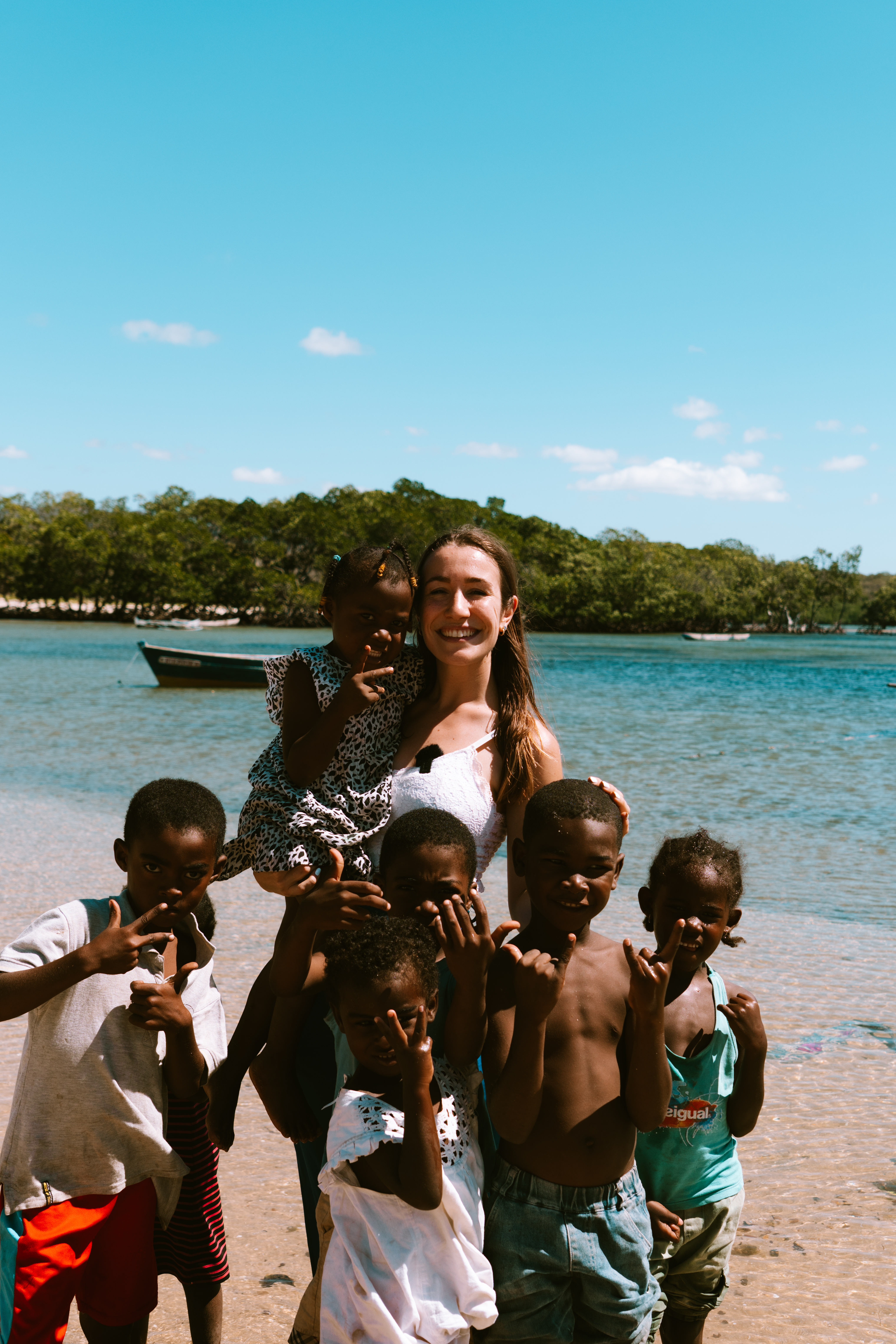
Itinerary in brief
1 day in Antananarivo, to find your bearings in the capital before flying north.
3 days in Diego Suarez, across the bay, the islands and the Emerald Sea.
1 day at the Red Tsingy, with the sacred Lake Antagnavo.
4 days between Ankarana, Ambilobe and Ambanja, through parks, waterfalls, plantations and markets.
Watch the Reel of the itinerary in Madagascar here
Before you leave
 Currency: Malagasy ariary (MGA)
 Documents and entry: for Madagascar you need a visa even for stays of less than 60 days. You can apply online, at least 7 days before departure, or on arrival. I paid 35 € for mine. Bring a passport valid for at least six months beyond your stay and check the current requirements before you travel. Watch this Reel on the things to know before coming to Madagascar.
 To fill in the visa online click here
 How to pay: bring cash to exchange into ariary and a physical card for emergencies, for example Revolut. If you exchange large-denomination euro notes, such as the 50 € ones, you may get a more favourable exchange rate: always ask for the rate applied before exchanging. Cards are accepted mainly in the large hotels and some restaurants; outside the main centres it is best to have enough cash. ATMs are found mainly in the bigger towns.
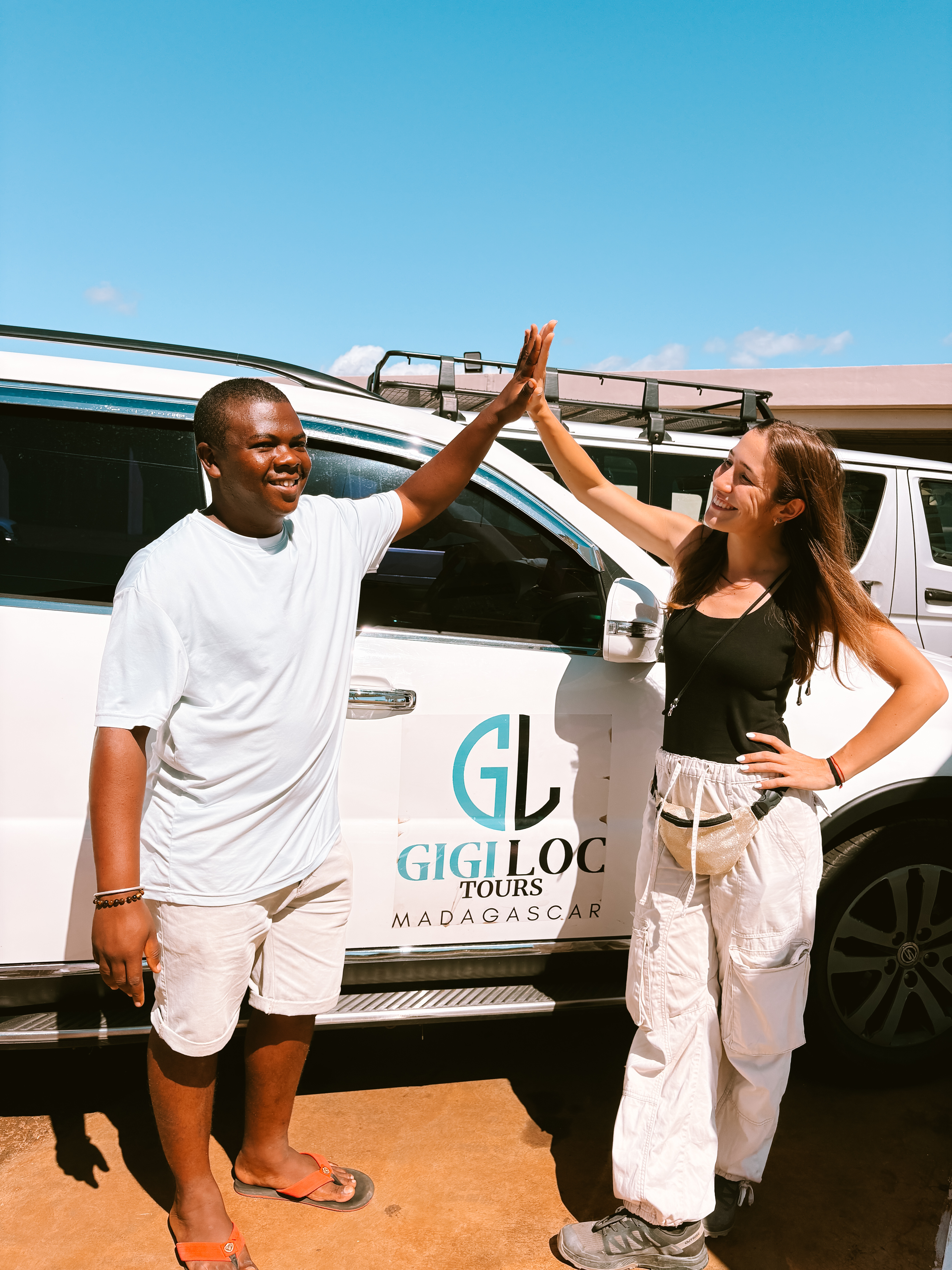
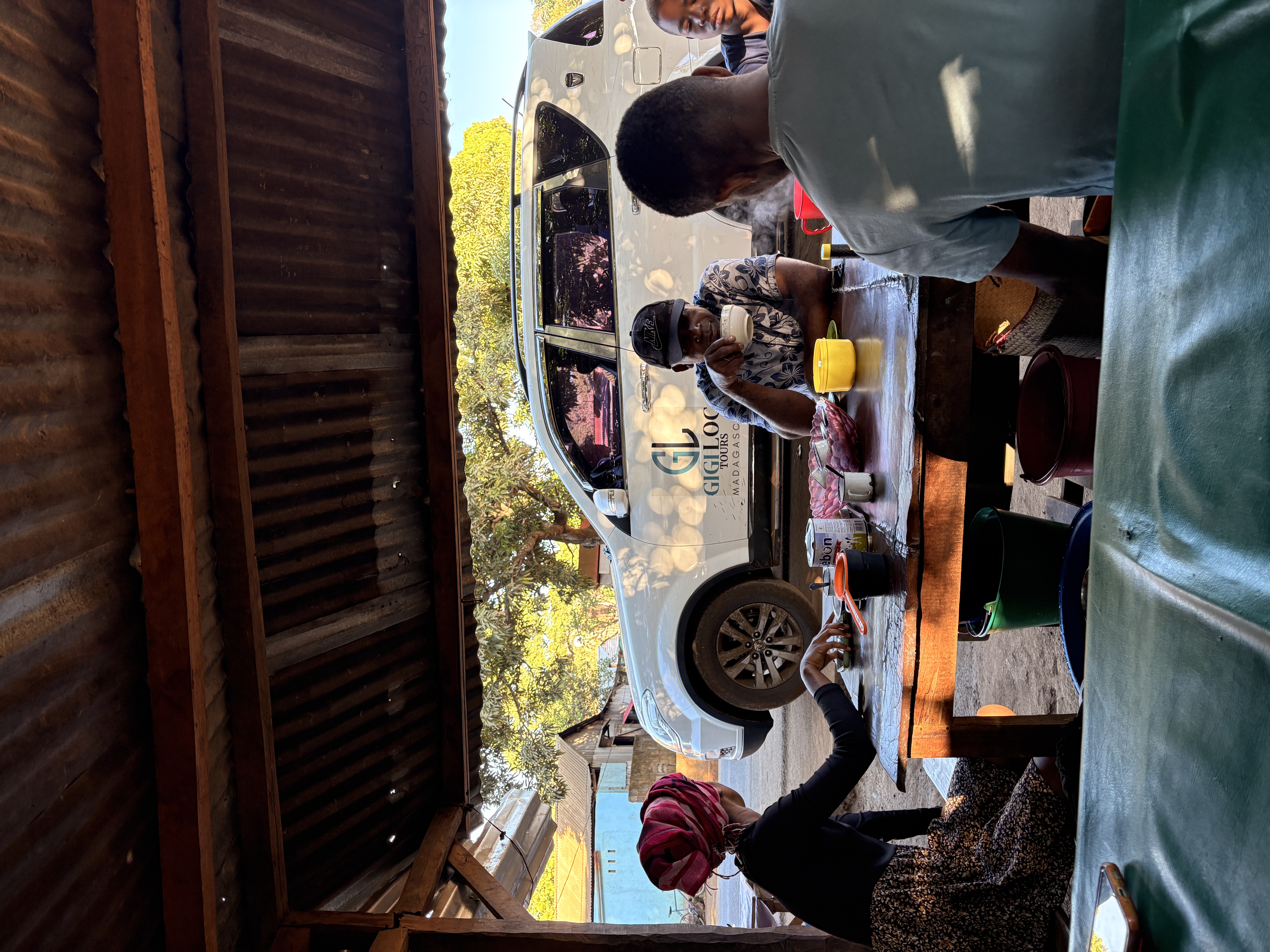
 Getting around: in northern Madagascar, travel takes time and road conditions can vary. To visit, follow my itinerary by relying on a driver or a local operator; for longer distances, also consider domestic flights. I relied on Gigi Loc Tours, a transport agency that works with the Diego Suarez Tourism Board
 Internet: in Madagascar I recommend buying a local SIM and choosing the operator Yas. During my trip I paid 25 € for 15 GB, valid for a month, and I found the best coverage among those available: it was the only SIM that worked for me. Bear in mind, though, that especially outside built-up areas you won't always have access to the internet. This time I don't recommend the eSIM I usually use: it didn't work for me in Madagascar.
For other trips I suggest Holafly: with the code STIRATIINTRIP you get 5% off, or you can buy your eSIM directly from this link with the discount already applied
 Travel insurance: before setting off, consider a policy that covers your travel needs. With Heymondo you can get 10% off through my link.
 Best time to visit: the driest period generally runs from April to October, while the rainy season is roughly from November to March. I was there between late May and early June and I had a wonderful time: the weather was pleasant and there were very few tourists.
 Vaccinations: Check the Farnesina website; basically, vaccinations against hepatitis A, hepatitis B and typhoid are required.
StiraTip — Food and water: some useful precautions
During the trip drink bottled water with a sealed cap and avoid ice or tap water. Choose food that is well cooked and served hot; for fruit and vegetables, prefer those you can peel or wash in safe water. Wash your hands often, especially before meals. Also avoid swallowing water while swimming and don't bathe in uncontrolled lakes or rivers. Be careful, or you'll end up like me, who was very unwell!
First day: Antananarivo
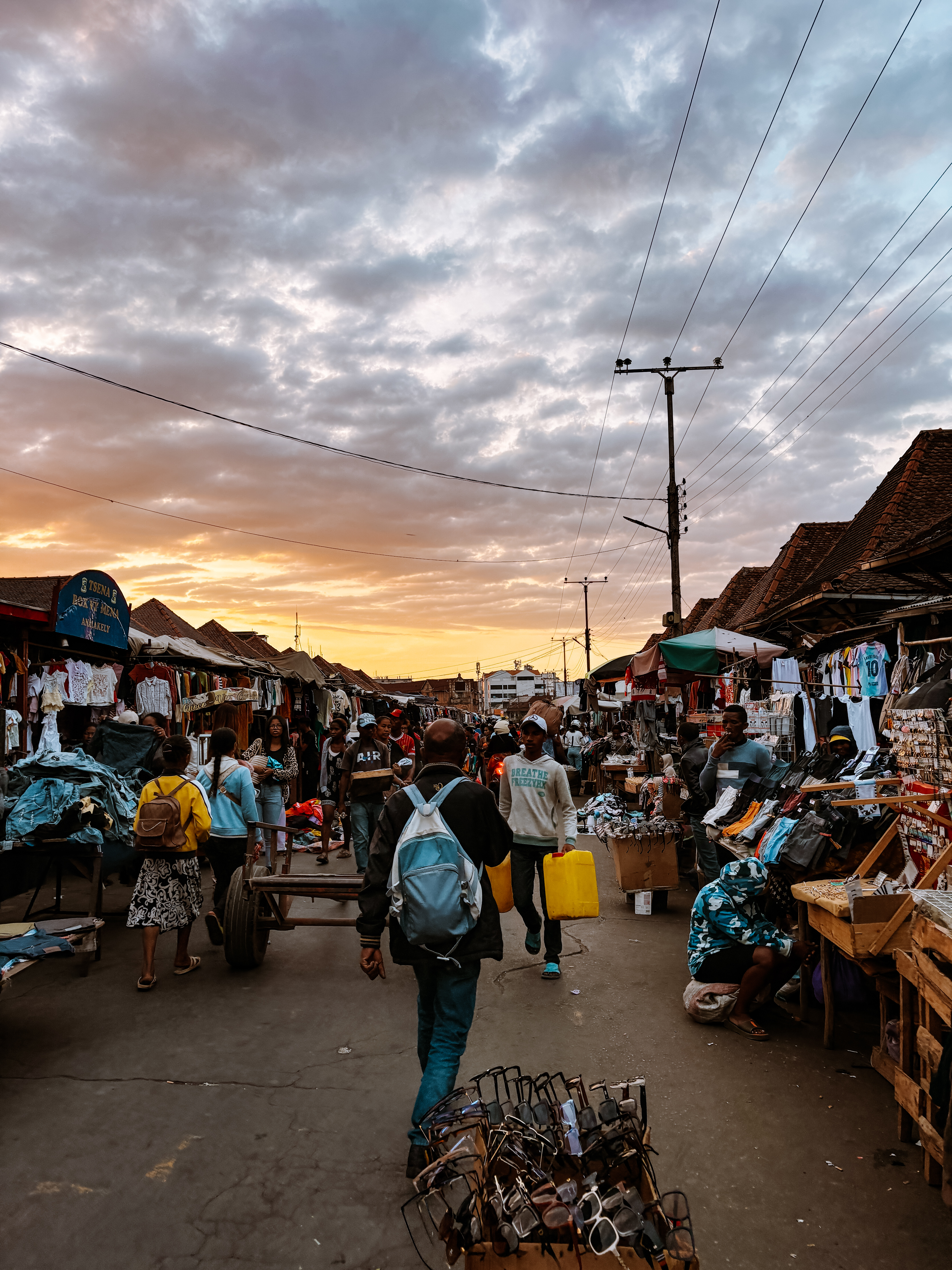
I landed at Tana (Antananarivo) airport, where I spent a day waiting for the flight to Diego Suarez. Antananarivo is the capital of Madagascar and sits on a series of hills: its highest point exceeds 1,300 metres. It was once called Analamanga, meaning “blue forest”. The current name means “city of the thousand”: according to tradition, it refers to the thousand soldiers who guarded the royal hill, where the first palace was built around 1610. From up there, the royal complex of the Rova still dominates the city today.
The reality of Madagascar, beyond the postcard landscapes
Madagascar is an extraordinary country for its biodiversity, its cultures and its landscapes. But the journey also shows the daily difficulties faced by many people. Telling these stories helps to understand the country in all its complexity, without stopping at postcard images. I tell you all about it properly in this Reel!
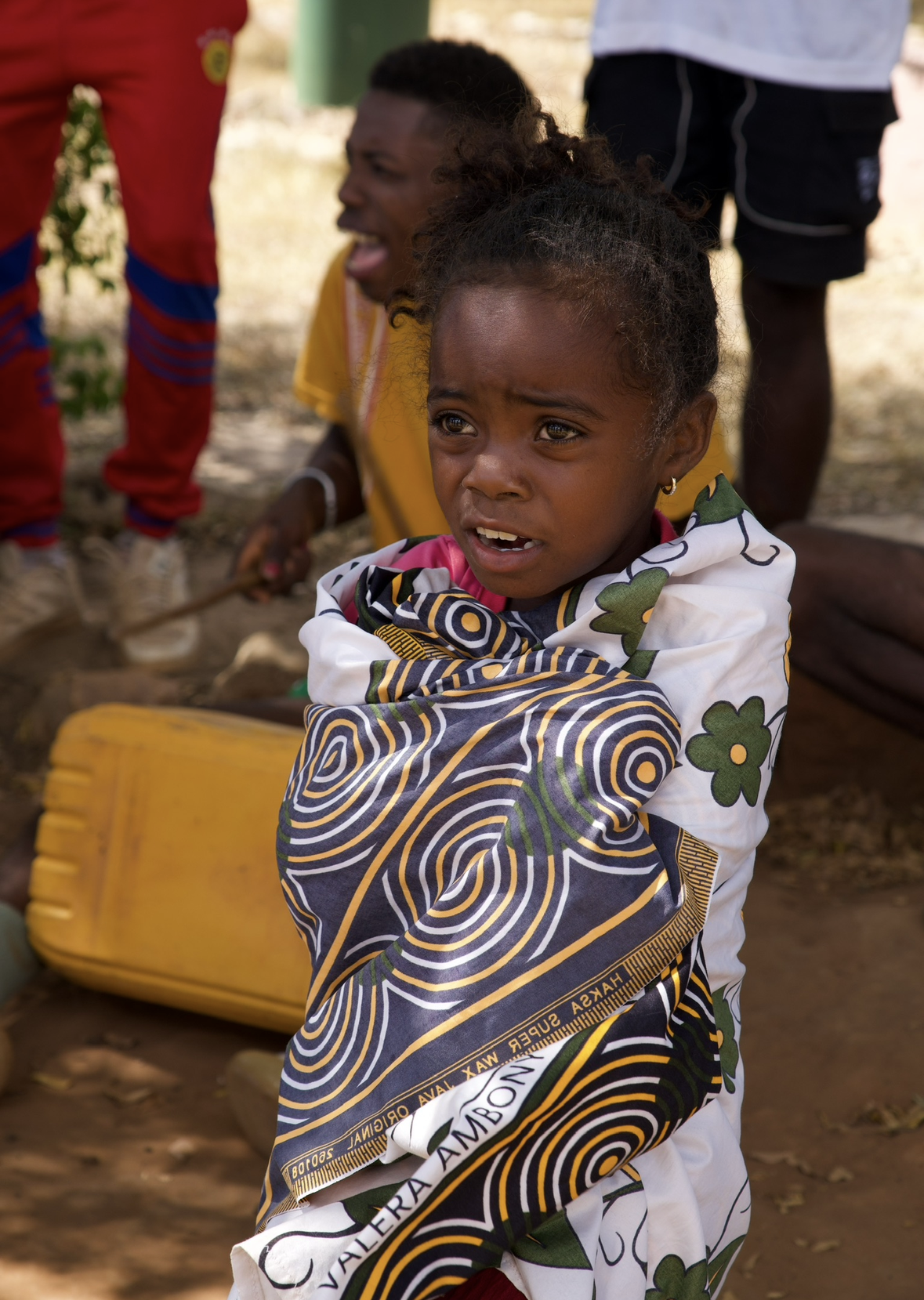
Widespread poverty: according to the World Bank, in 2022 75.2% of the population lived below the national poverty line. This is a measure referring to that year and to the national threshold, not a real-time estimate.
Services and infrastructure: in many rural areas, access to roads, electricity, water, the internet, schools and healthcare facilities is limited. The distances and the condition of the roads also make travel more difficult.
Work and agriculture: many families depend on farming and poorly paid work. Cyclones, droughts and floods can damage crops and sources of income.
Structural challenges: economic growth is not yet enough to create opportunities and services for the entire population. The World Bank points to weak infrastructure, low productivity and the difficulty of extending access to basic services as obstacles.
During the trip I felt very comfortable and had some wonderful experiences. However, it is important to plan carefully: Madagascar is a country with widespread poverty and often inadequate infrastructure, and getting around can be demanding. For this reason, I recommend relying on a local operator and trusted guides; in some areas, and especially after sunset, it is best to avoid travelling alone. Always keep up to date with the current situation and follow the advice of those who know the area.
Where to stay: M’Serenity Guest House
 Area: Antananarivo city centre
It is a quiet area, and there is a pizzeria nearby where you can eat. To get there, arrange the transfer with the hotel, it's best to be sure
Price: around €23 per night
Booking: Booking.com
Second day: flight to Diego Suarez
From Antananarivo airport I took a domestic flight to Antsiranana, also known as Diego Suarez, in northern Madagascar. From here on, all the accommodation and transport for the trip was organised by Diego Suarez Tourism Board. You can find the reels and references on my Instagram profile: they may be useful if you are thinking of organising a trip to northern Madagascar.
In many parts of the town the streets can become very dark: public lighting is limited and power cuts are frequent. For this reason, it is best to plan evening journeys in advance and rely on a driver or an agreed transfer, especially if you do not know the area.
Day 3: Diego Suarez and Antalaha Bay
Pan di Zucchero
The Pan di Zucchero, or Nosy Lonjo, is a volcanic islet with a distinctive conical shape located in the bay of Diego Suarez, now Antsiranana. Its Malagasy name means “elongated island”. It is considered a sacred place: according to local tradition, the rulers of the Antakarana community rest here. Out of respect, people generally do not go onto the islet; it is admired from the boat or the coast.
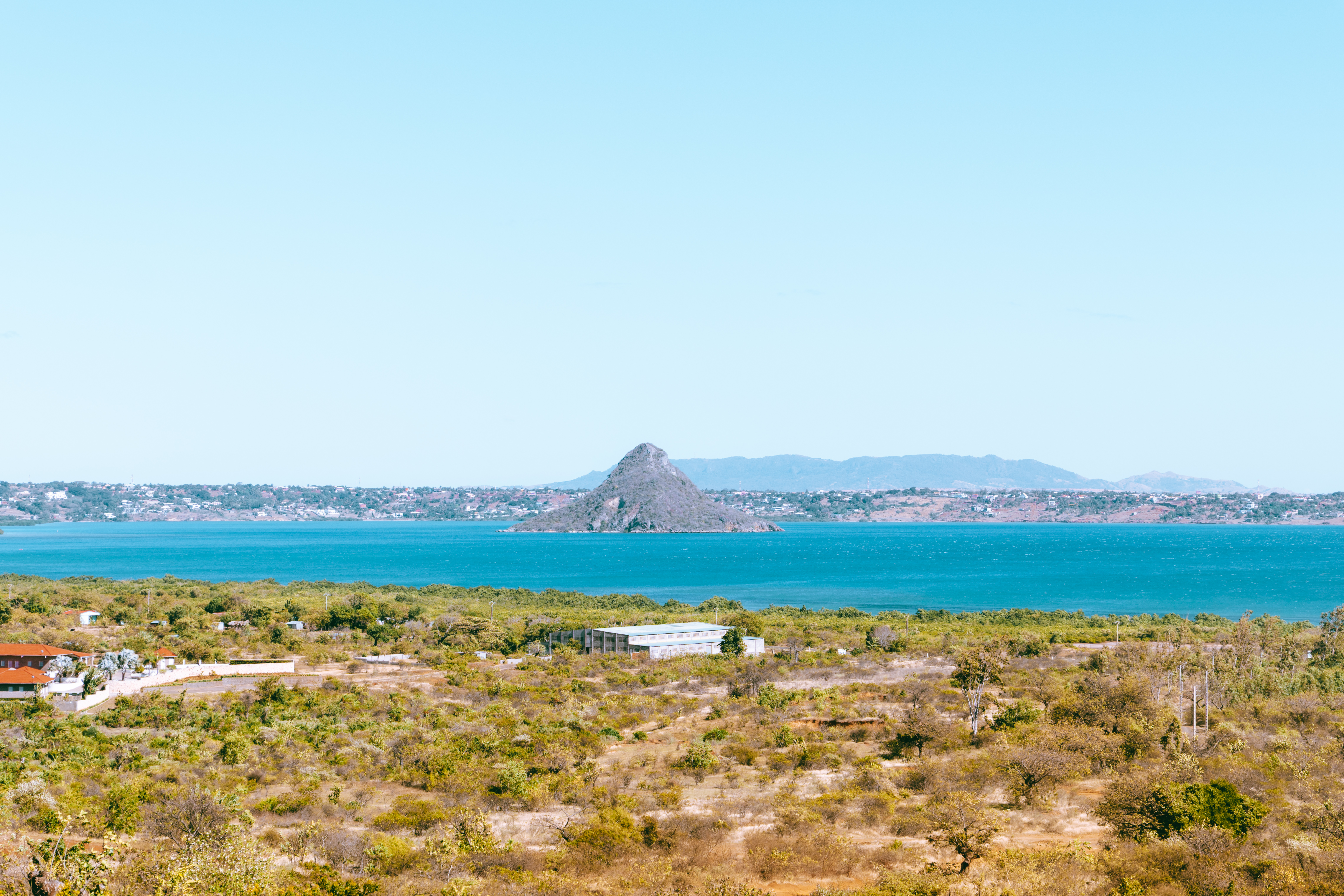
Stiriosity — The resemblance to Rio de Janeiro
The comparison lies in the shape: Diego Suarez's Pan de Azúcar resembles the Pão de Açúcar of Rio de Janeiro, the famous peak overlooking the bay. They are two different places, but both owe their name to the conical silhouette that stands out against the sea.
Ambodivahibe
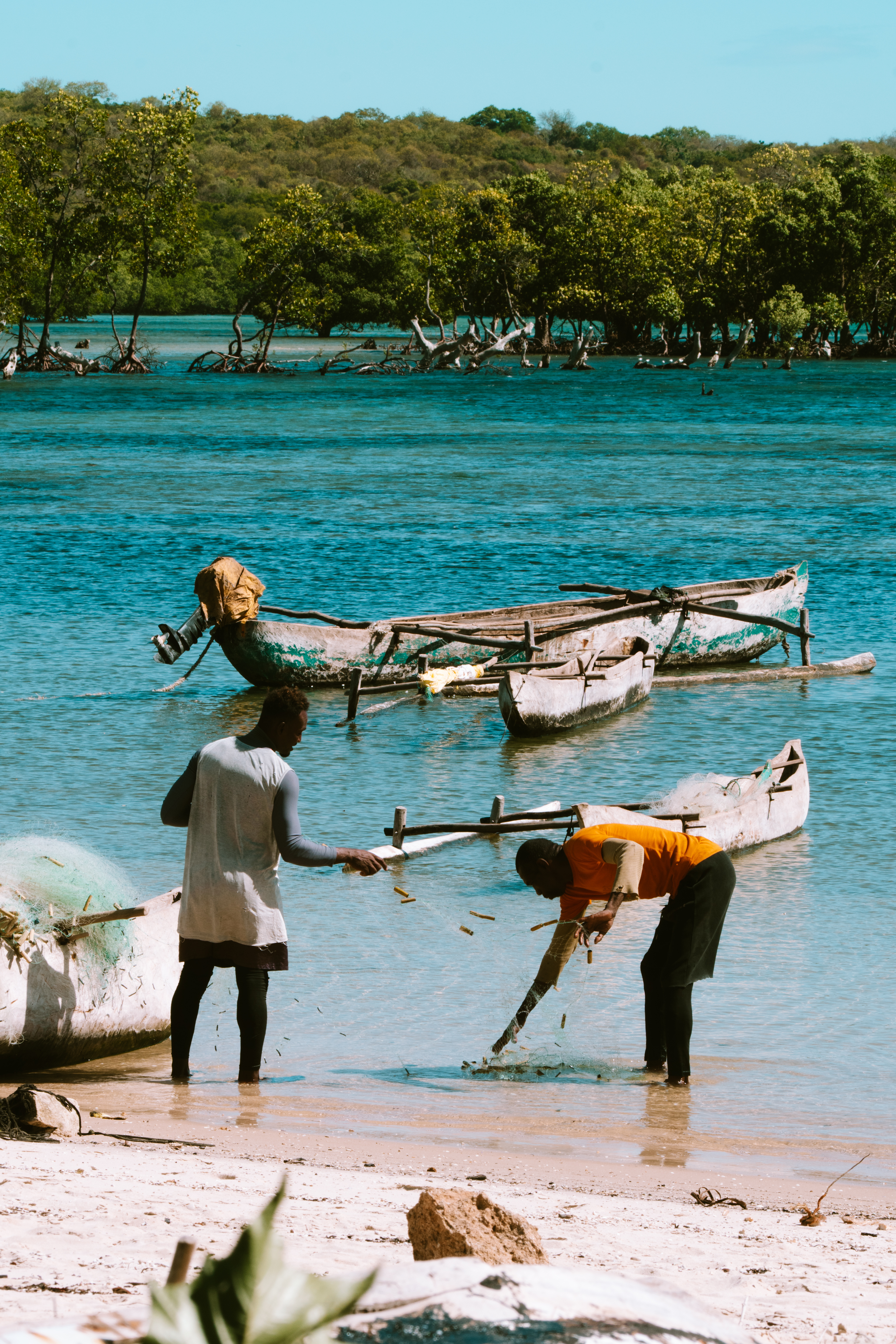
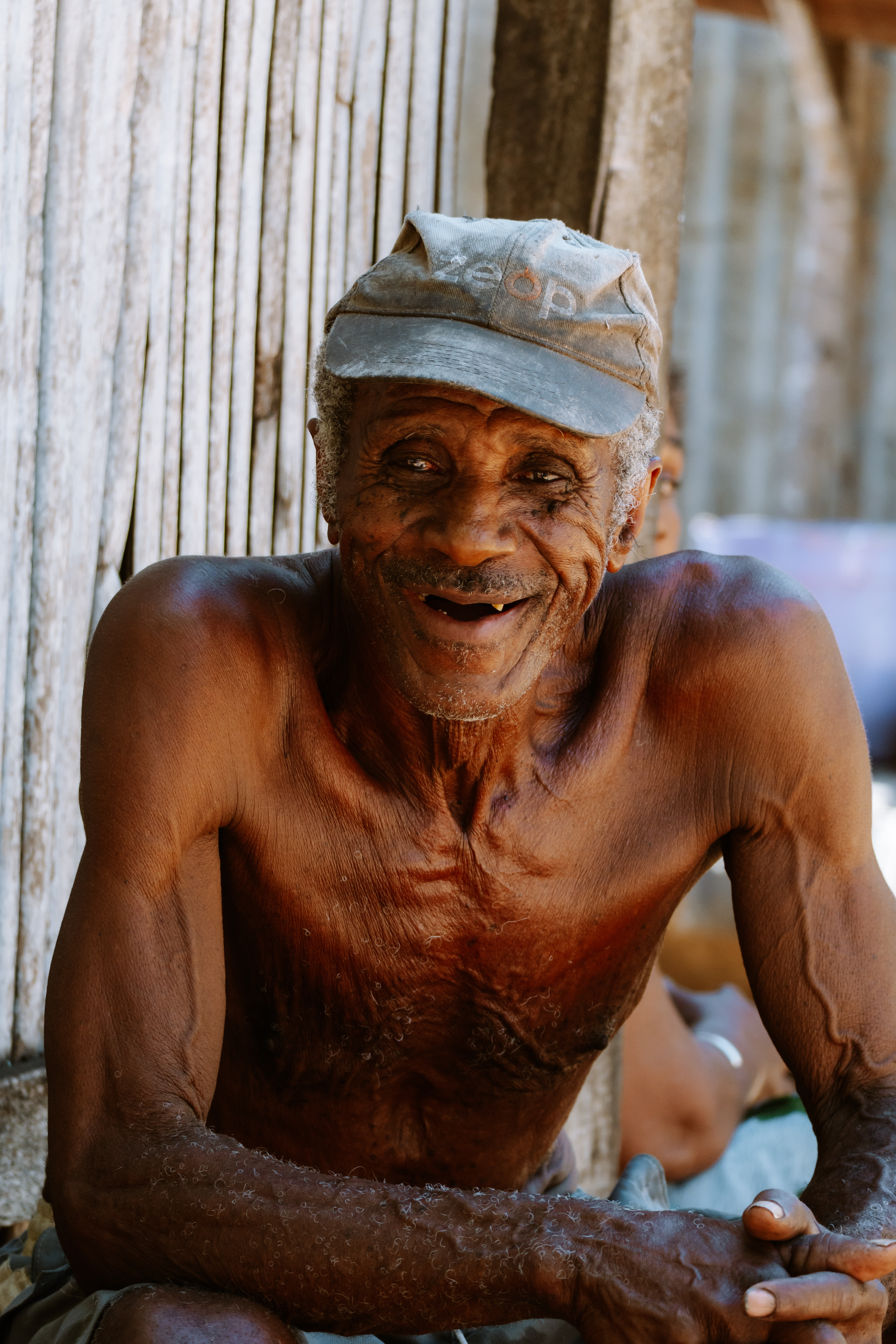
Ambodivahibe is a small fishing village overlooking a secluded bay, south-east of Diego Suarez. Here I met Jaozara, who told me the story of her village. The name does not come from the sea: it comes from a large tree planted by the ancestors at the centre of the village, which became a sacred place for traditional offerings called Joro.
Today around 200 people live in Ambodivahibe, and fishing is what allows the community to get by. But there is something else that struck me: neither electricity nor internet reaches here.
So I asked myself: could I live like this even for just a month?
Watch the full interview here!
The bay lies within a marine protected area, important for biodiversity and for the mangroves. Protecting this environment also involves the local communities and the fishermen. During your visit, follow your guide's instructions and ask permission before photographing people.
Antalaha Bay
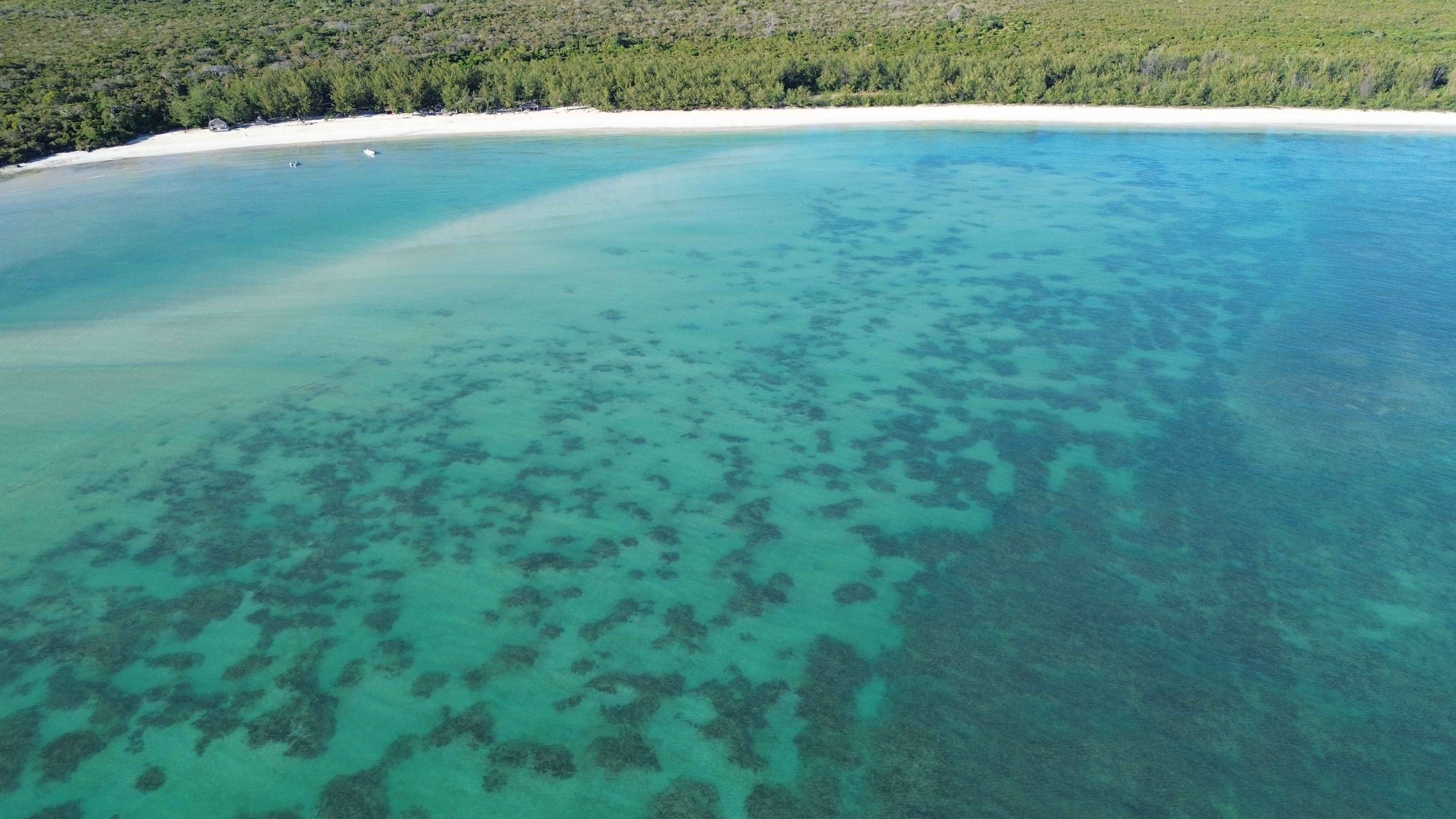
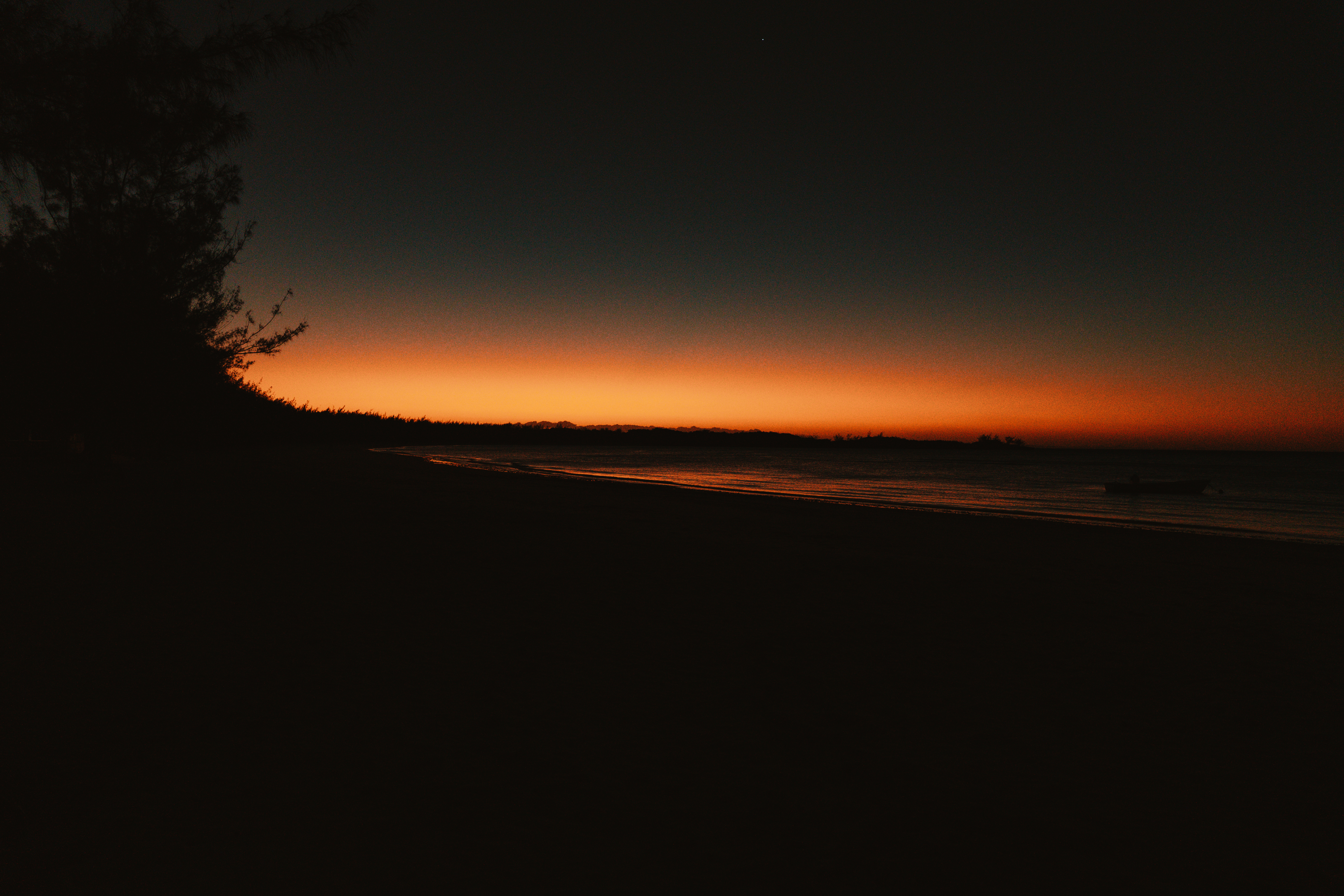
About 30 kilometres from Diego Suarez, Antalaha Bay is a perfect stop for discovering a quiet, wild corner of northern Madagascar. I got there by 4x4 and slept in a bungalow: the day was spent relaxing and swimming in a stunning sea, with turquoise water and nature all around.
That evening a fantastic fish dinner awaited us: one of those simple moments that remain among the best memories of the trip.
Day 4: Diego Suarez
Emerald Sea
To reach the Emerald Sea we boarded a lakana, a traditional Malagasy boat similar to a dugout canoe. The boat journey is already part of the experience: you move away from the coast and, little by little, the blue of the sea gives way to turquoise and green shades.
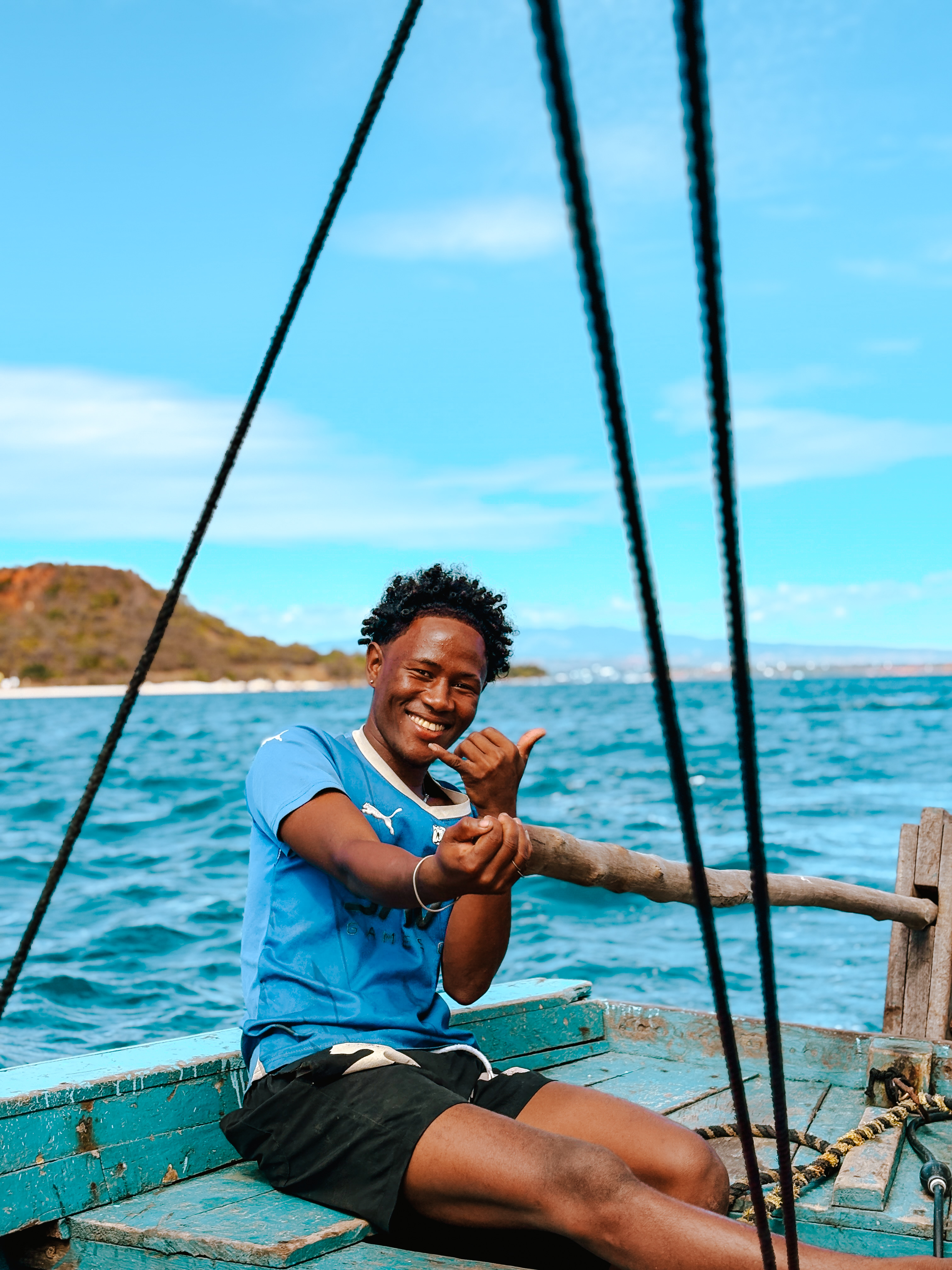
Many traditional pirogues are made from a single tree trunk: it is hollowed out and shaped by hand until the long, narrow hull is achieved. Depending on the type of boat, planks may be added to raise the sides, and a lateral outrigger, which helps maintain balance on the water, may be fitted. Some also have a mast and sail, while others are propelled by oars.
The lakana we used to reach the Emerald Sea is much more than a simple means of transport: it is the result of traditional craftsmanship passed down over time and, for many coastal communities, part of everyday life. Watch the interview with the captain here
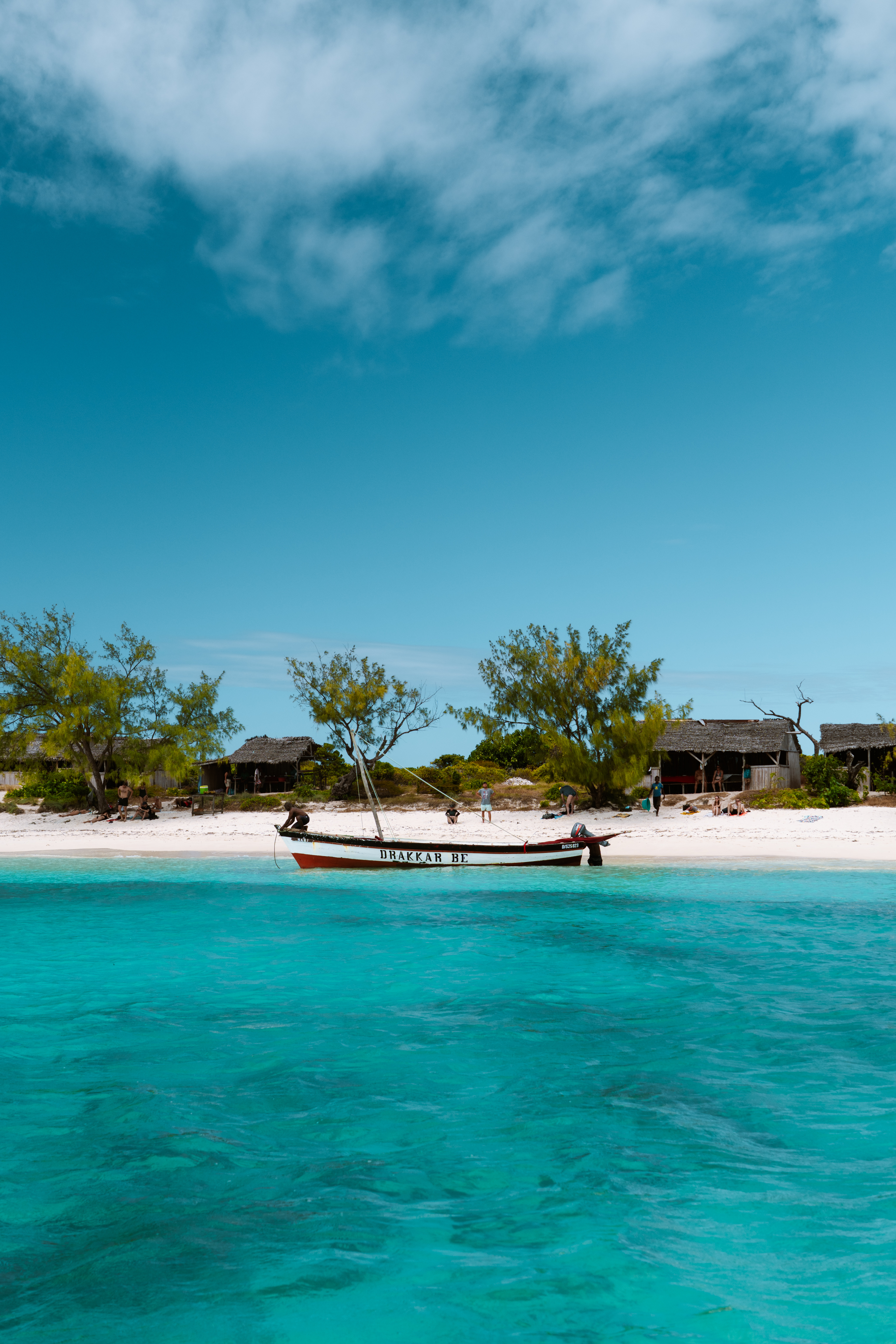
The striking colour of the Emerald Sea also depends on the shallow sandy seabed, which reflects the light, and on the coral reef that shelters these waters. Once you arrive, the landscape seems almost unreal: islets, pale sand and clear water. Here you can stop to swim, relax and enjoy the silence, with the sea all around you.
During the trip we discovered the Trotrobe, a traditional dance linked above all to Sakalava culture and the festivals of northern Madagascar. It is danced in a group, following the rhythm of songs and percussion: the dancers respond to the music with energetic steps and handclaps. It is a festive tradition, designed to involve everyone and create an atmosphere of togetherness.
Seeing it live is a special way to get close to the local culture: the music starts, the group comes alive, and it feels natural to let yourself be carried along by the rhythm.
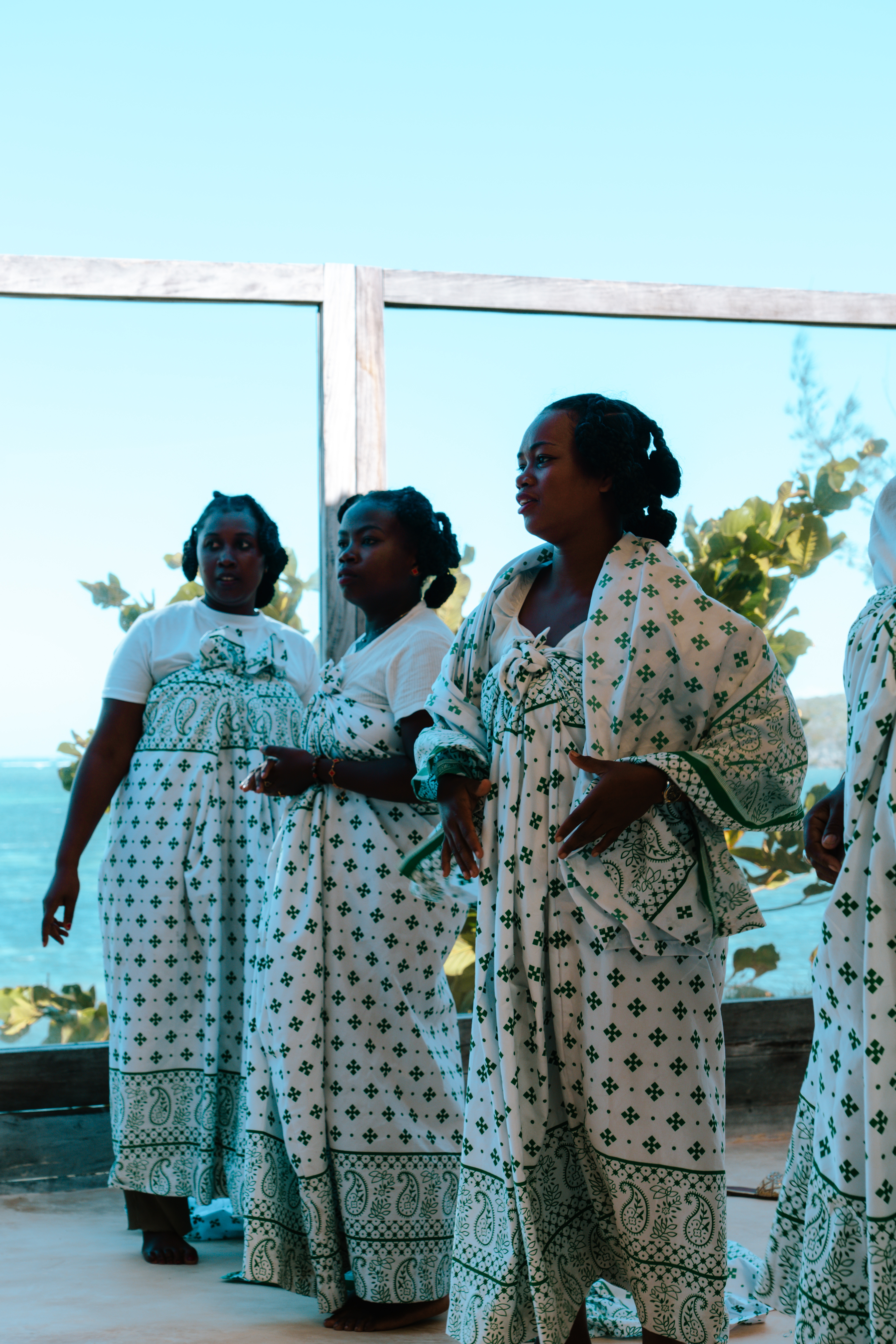
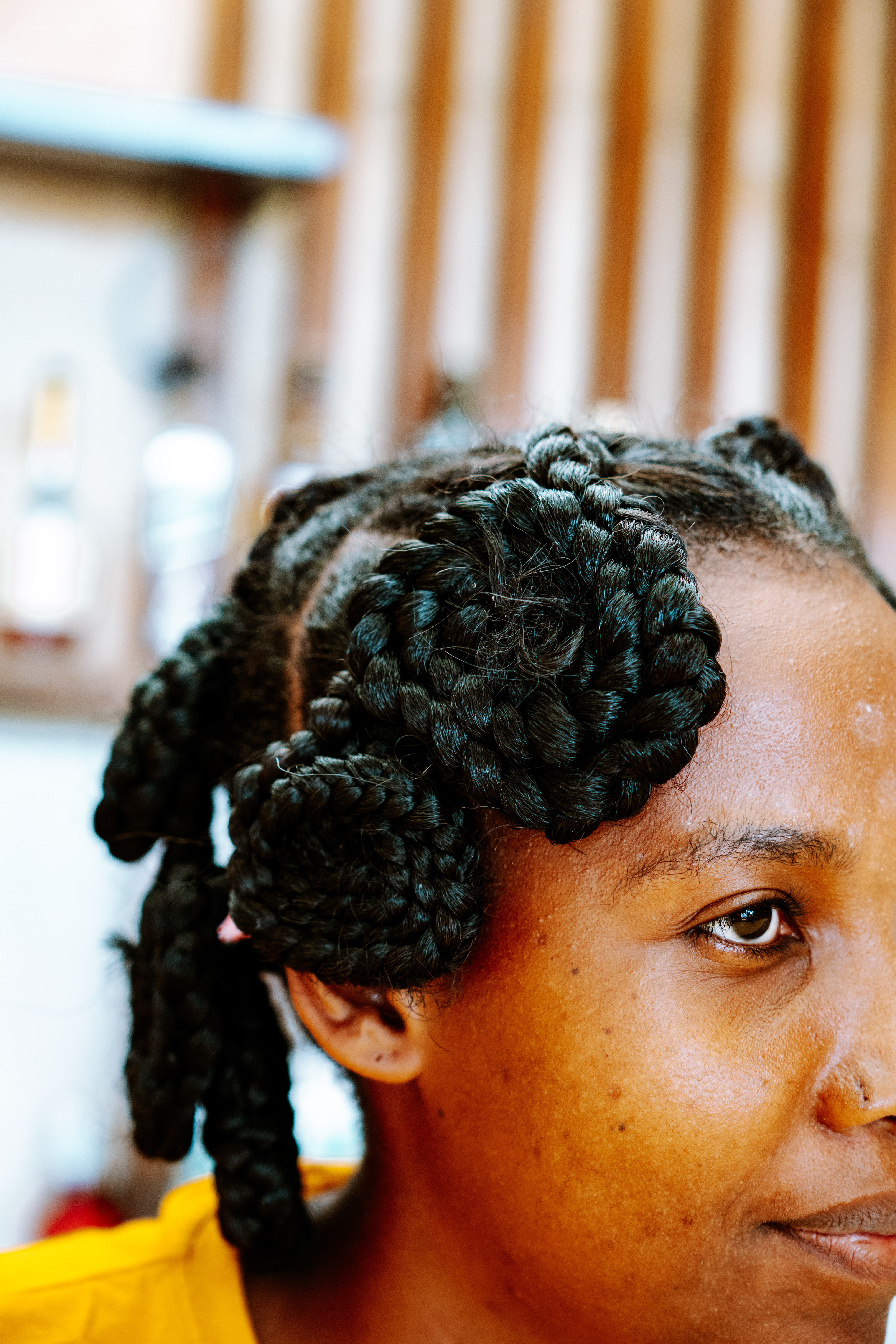
Randrana gasy is the Malagasy art of braiding hair. The braids can be fine and numerous or gathered into more elaborate designs: styles and names vary from one region to another and reflect the richness of the island's different cultures. They are not just a hairstyle: in some contexts they can tell of traditions and important moments in life.
Day 5: The three bays of Diego Suarez
Sakalava Bay
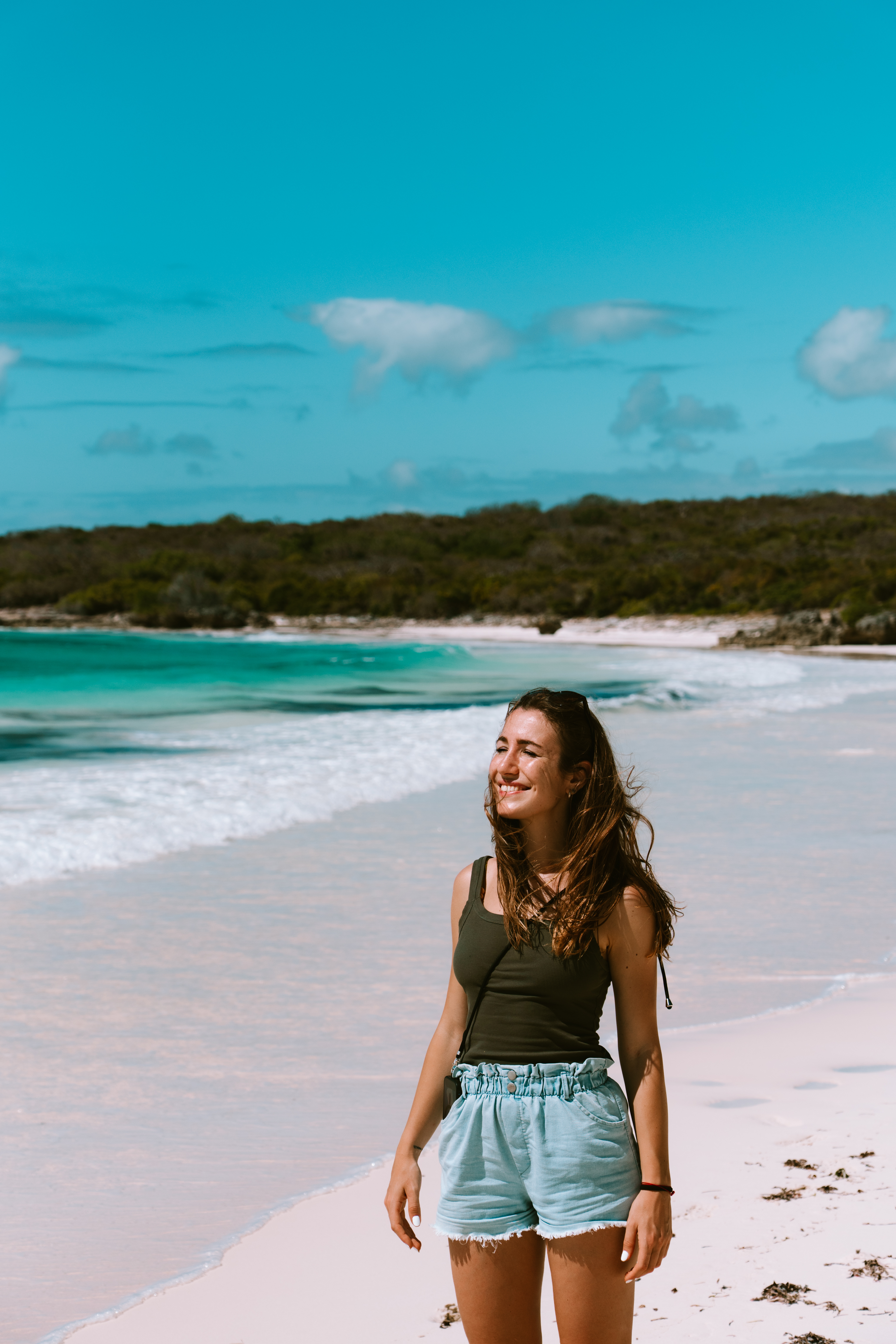
It is the best known among kitesurfing and windsurfing enthusiasts. Here blows the Varatraza, the trade wind, which fills the sails and brings the sea to life. Even if you don't practise any sport, stop to watch the colourful kites crossing the turquoise water: it is a spectacle.
Pigeon Bay
According to a local explanation, the bay took its name from the birds — pigeons, turtle doves and quails — that once inhabited the surrounding vegetation. Today the name has stuck, although the bay is best known for its peaceful atmosphere and still wild scenery. It is a perfect break to admire the contrast between the white sand and the clear sea, take a stroll or simply enjoy a moment of calm.
Dune Bay
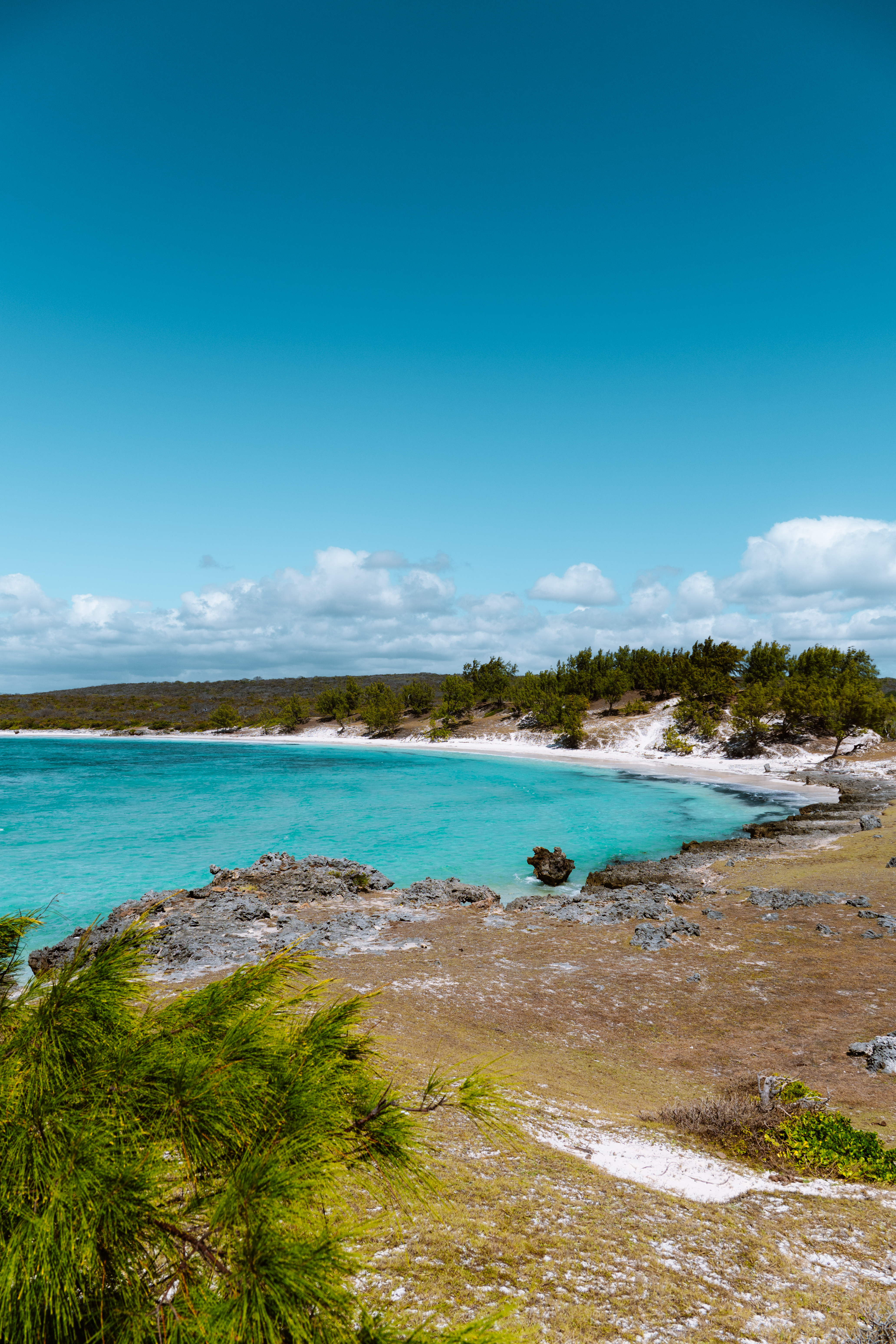
It is striking for its open spaces and the dunes that line the coast. Along the excursion you can also reach Cap Miné, where you come across the remains of fortifications and military installations: an unexpected detail on a day by the sea.
Cap Miné
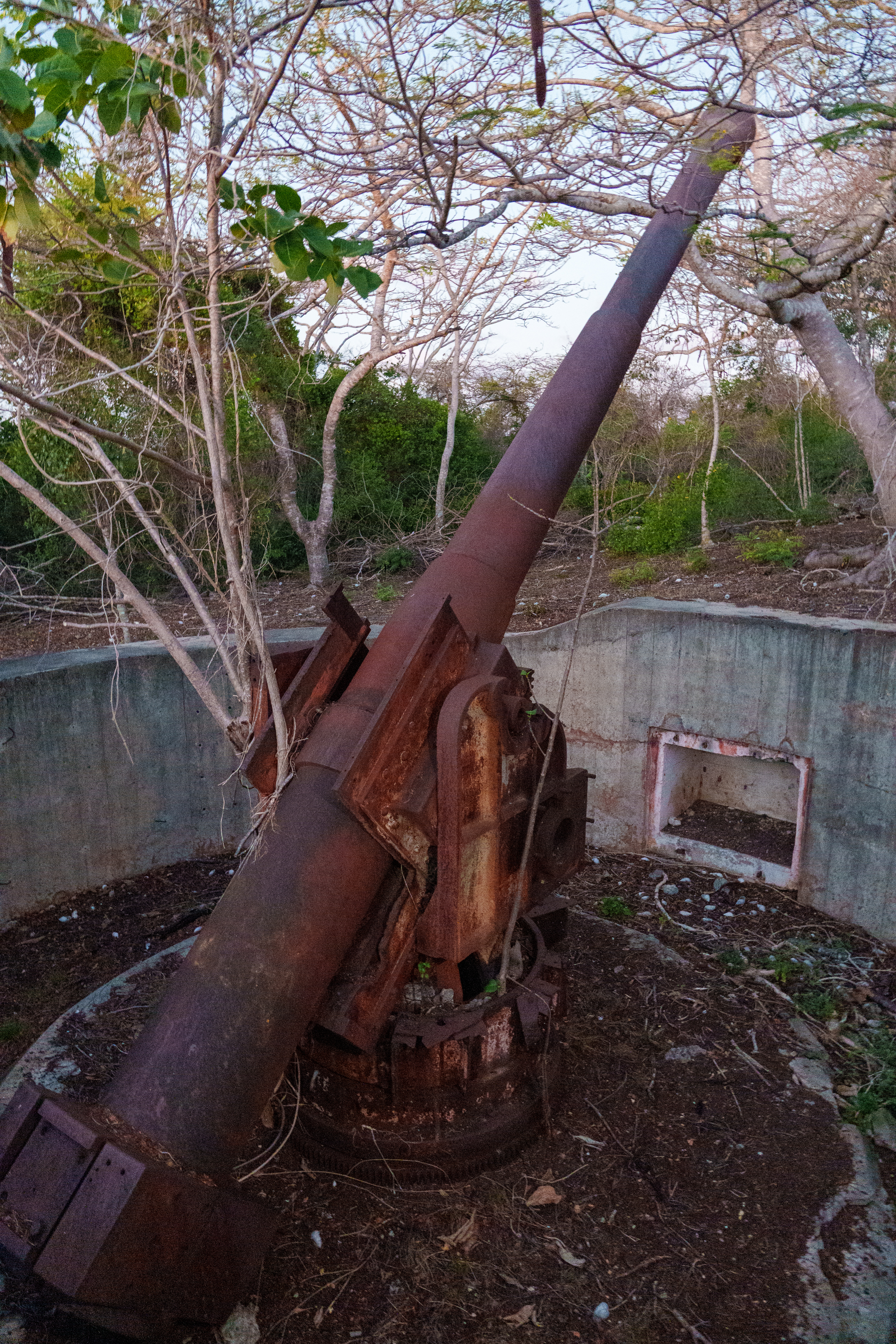
Cap Miné is not just a viewpoint: it overlooks the passage leading to Diego Suarez Bay, a natural anchorage important for ships. For this reason the area was fortified: on the cliffs and the plateau there are still batteries and artillery positions built to defend the entrance to the bay. Some of the cannons were British, others French, a testament to the region's long military history.
Here you will also find the Cap Miné lighthouse, whose station dates back to 1895. Its light helped ships find their way through the passage and reach the port. During the excursion, amid the blue of the ocean and the military remains, you can sense how strategic this stretch of coast once was.
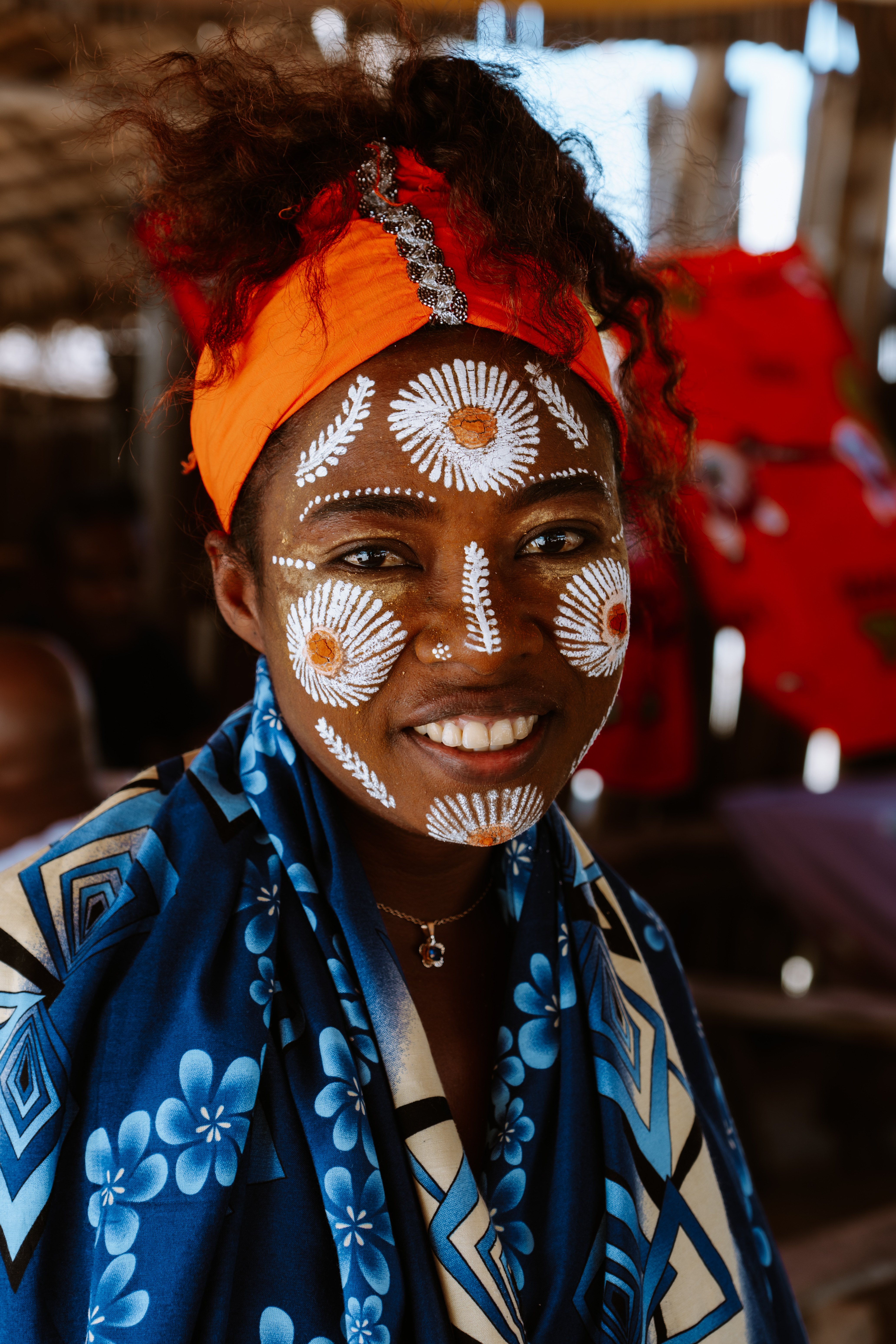
In Diego Suarez I discovered masonjoany, a natural paste that Malagasy women use as a traditional sun protection and as an ornament. It is prepared by rubbing a piece of wood on a wet stone: the powder that forms is mixed with water until it becomes a cream, then applied to the face.
It can be applied as an even mask or used to draw decorative patterns. The colour varies according to the wood: it can range from white to golden yellow. For me it was a special way of getting closer to a tradition that is still very much alive, combining personal care and cultural identity.
Day 6: Red Tsingy and the sacred lake of Antagnavo
Red Tsingy
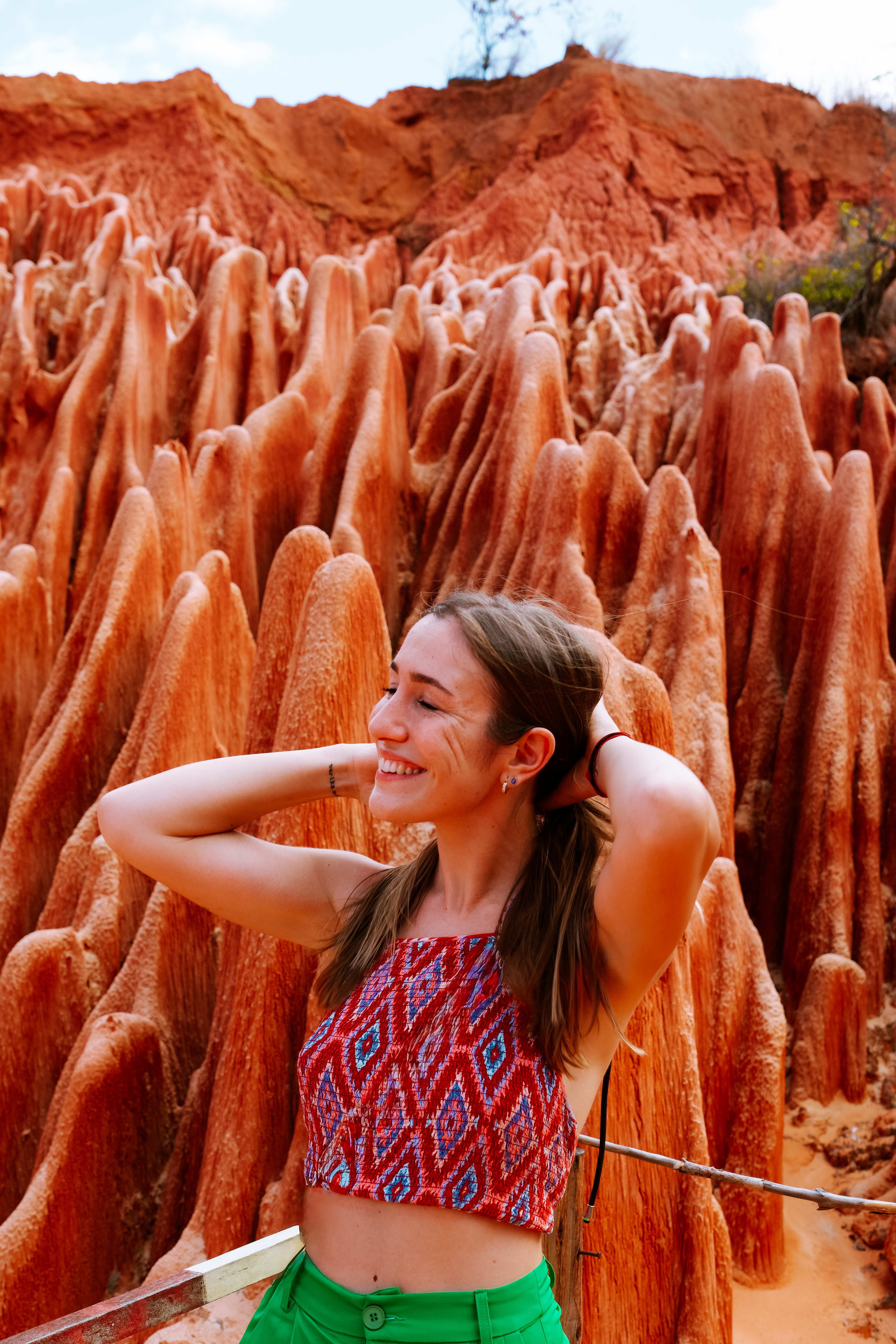
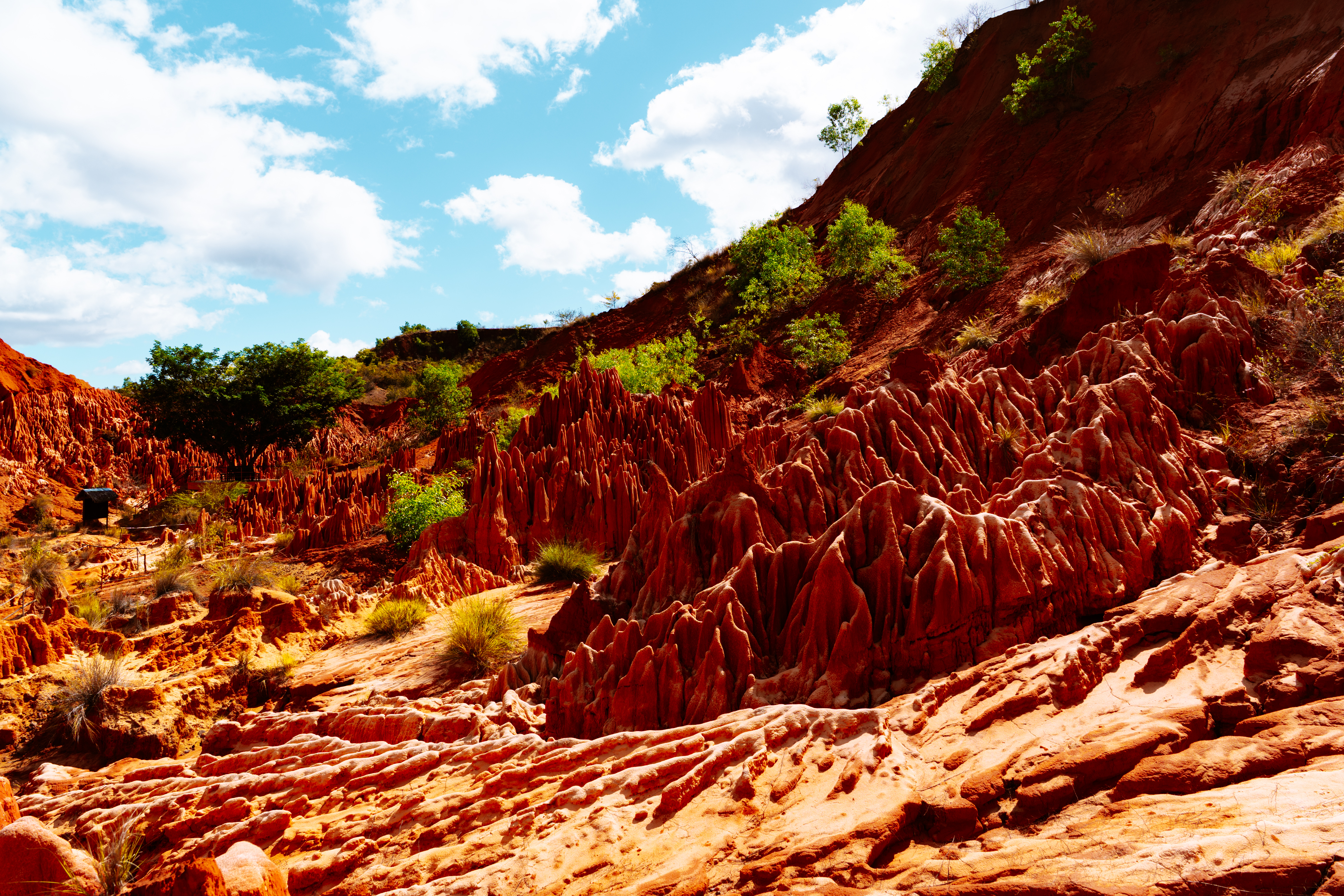
About 60 kilometres from Diego Suarez, Tsingy Rouge is one of the most striking landscapes in northern Madagascar. Here the red laterite, shaped over time by water erosion, forms pinnacles, spires and small gorges that look like sculptures. The colour changes with the light: in the hottest hours the orange and red tones stand out, while at sunset the landscape glows with even more intense shades.
The name tsingy is often translated as "walking on tiptoe" and refers to the sharp formations, difficult to cross.
Unlike the famous grey tsingy of Ankarana and Bemaraha, which are formed of limestone, the red ones are made of laterite and clay. They are also more fragile: rain and wind continue to reshape them.
Sacred Lake Antagnavo
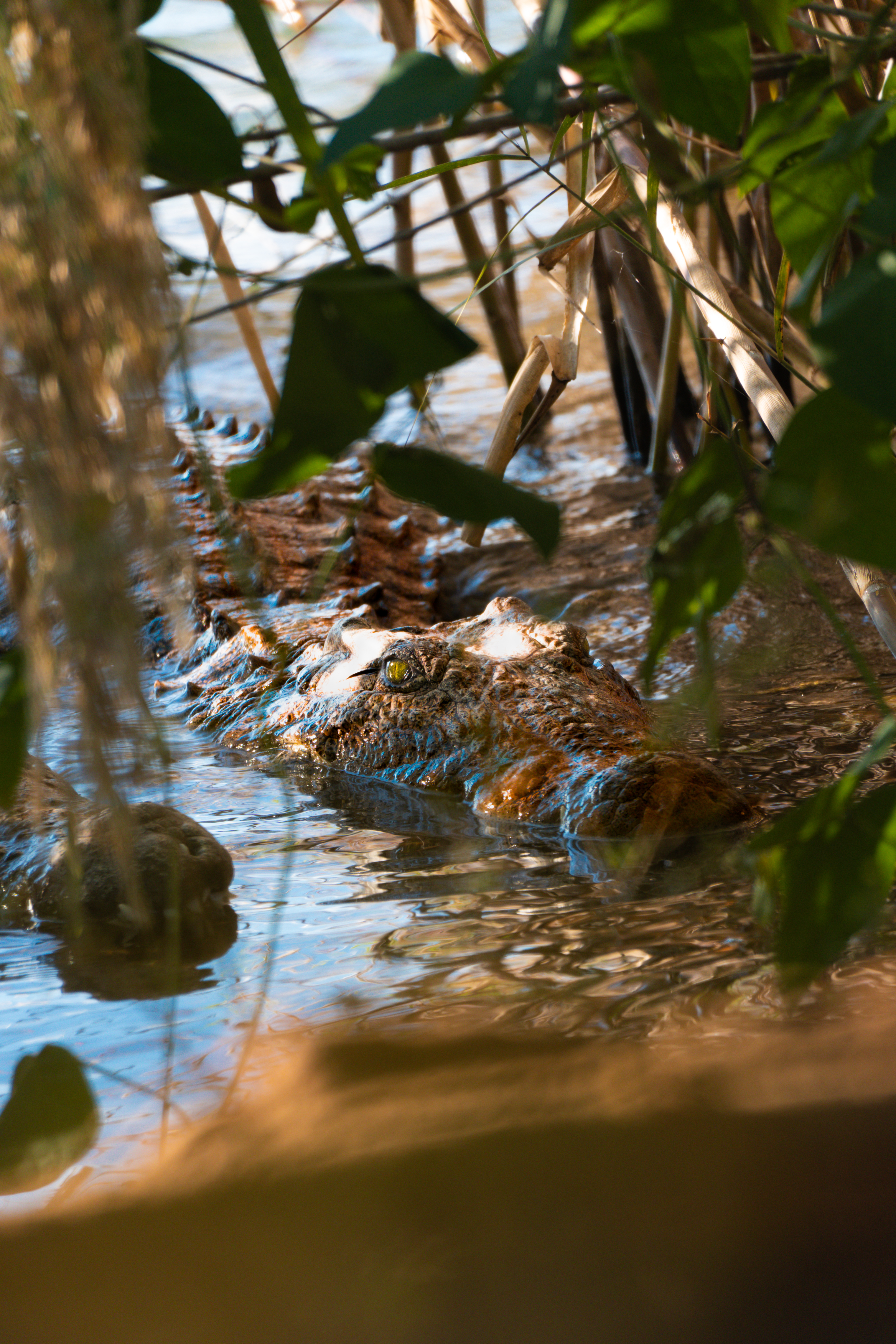
About 70 kilometres from Diego Suarez, near the village of Anivorano Nord, lies the sacred lake of Antagnavo, also known as the lake of Anivorano. Here the crocodiles are respected as ancestors, and traditional rules, the fady, are observed around the lake; these may concern behaviour, food or days considered sacred. If you visit, ask your guide which customs to respect: they can vary from one community to another.
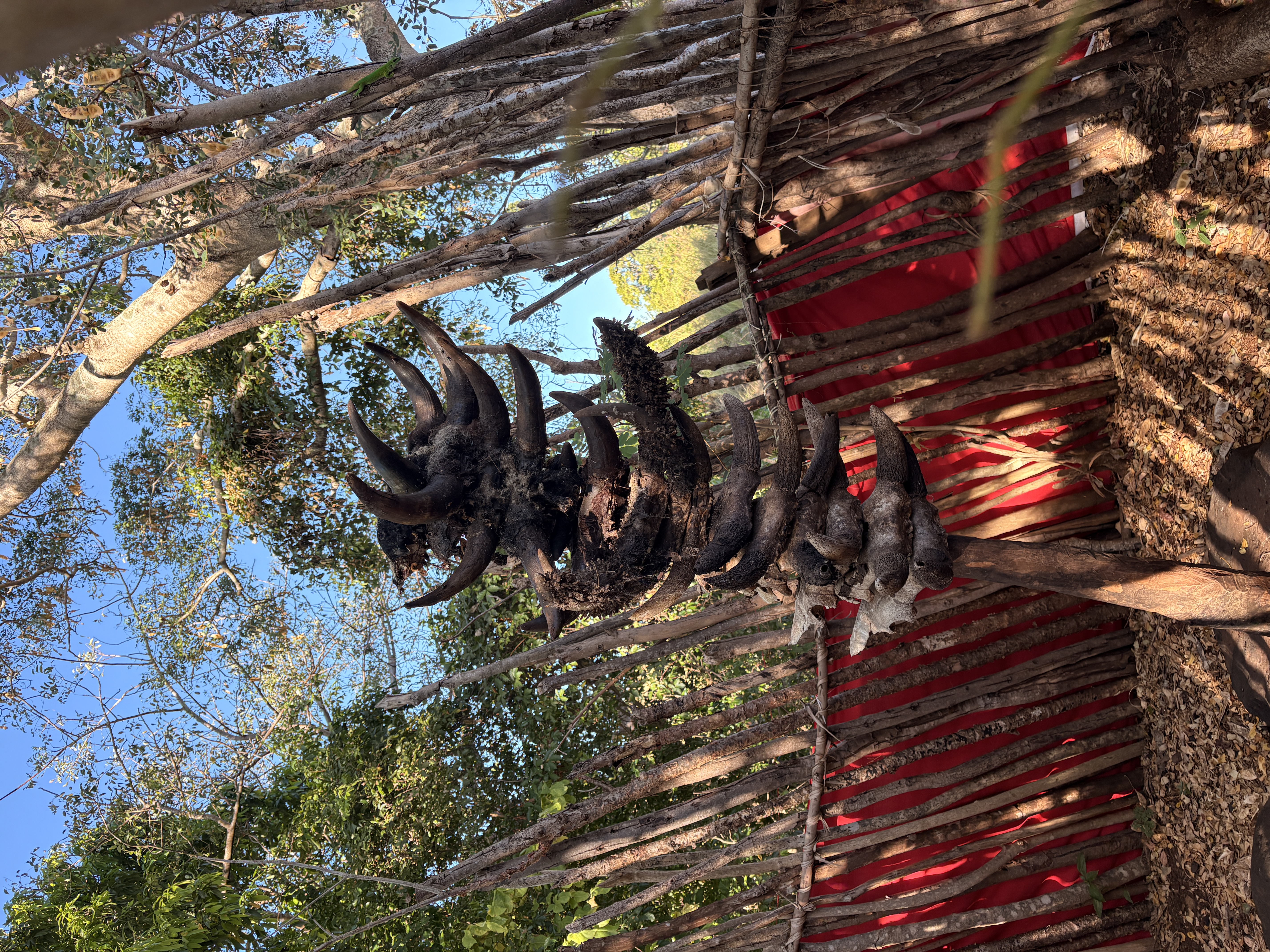
The legend tells of a thirsty traveller who asked the villagers for a drink. Only one woman helped him. The traveller told her to move away and then cursed the village: during the night it was submerged by the waters and its inhabitants were turned into lake crocodiles. The woman, who had shown kindness, was saved. Watch the Reel here to discover the whole legend
The tradition is still alive: during some ceremonies, offerings are made to the crocodiles, sometimes including zebu meat. It is an atmospheric place, but it should be visited with respect and accompanied by a local guide: here the legend is not just a story to listen to, but part of the community's bond with its ancestors and with the lake.
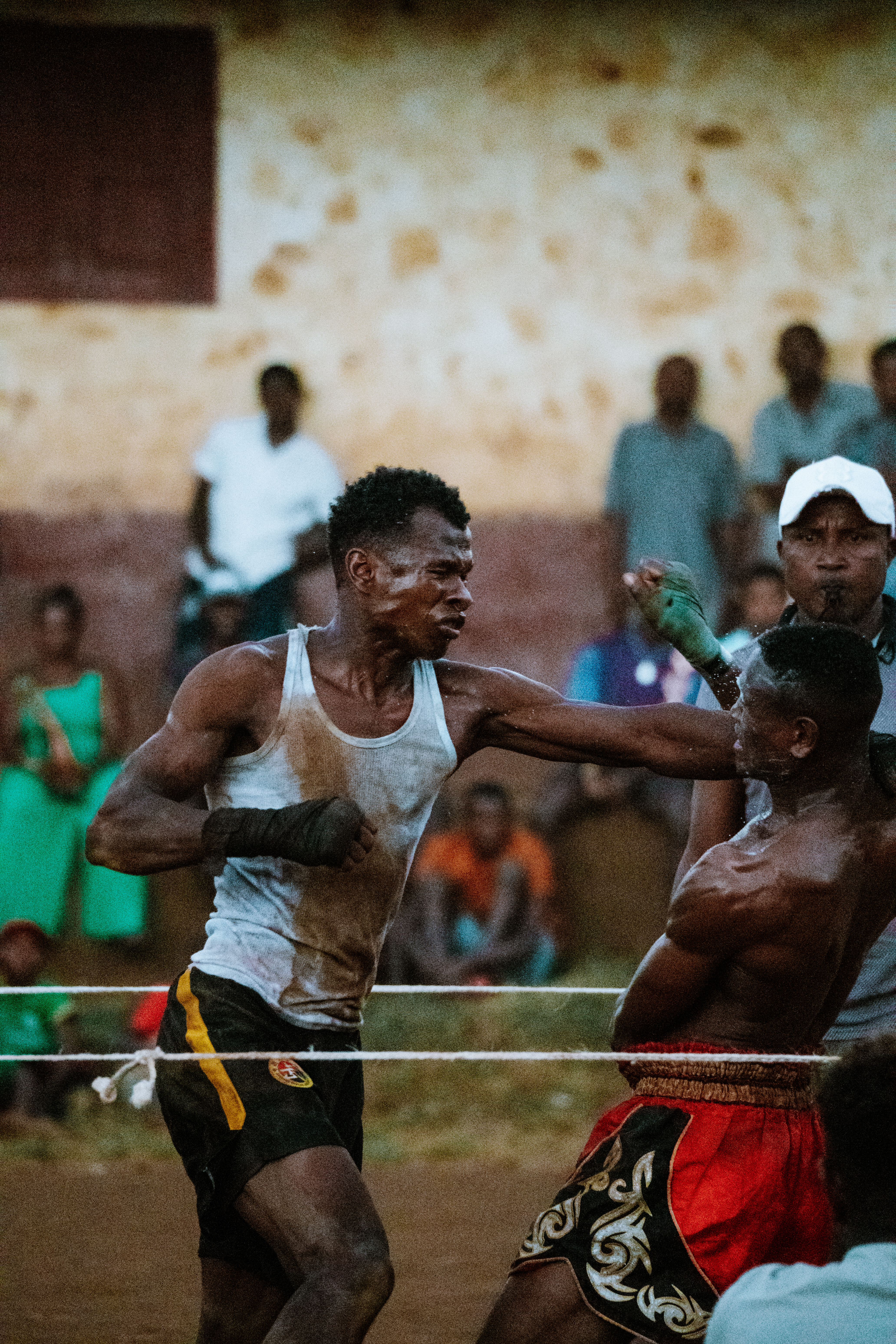
Malagasy boxing match
There is not much to say: this experience simply has to be lived!
I was lucky enough to watch a Malagasy boxing match, an opportunity I probably would not have had without the Diego Suarez Tourism Board. The whole village had gathered in a large arena, full of children. My boyfriend and I were the only foreigners and at first we felt many curious glances upon us.
Then the bout began and all attention turned to the ring. The atmosphere, the voices and the crowd's participation made that moment incredible. I admit that at first I felt a little uneasy, but then... watch the boxing match here!
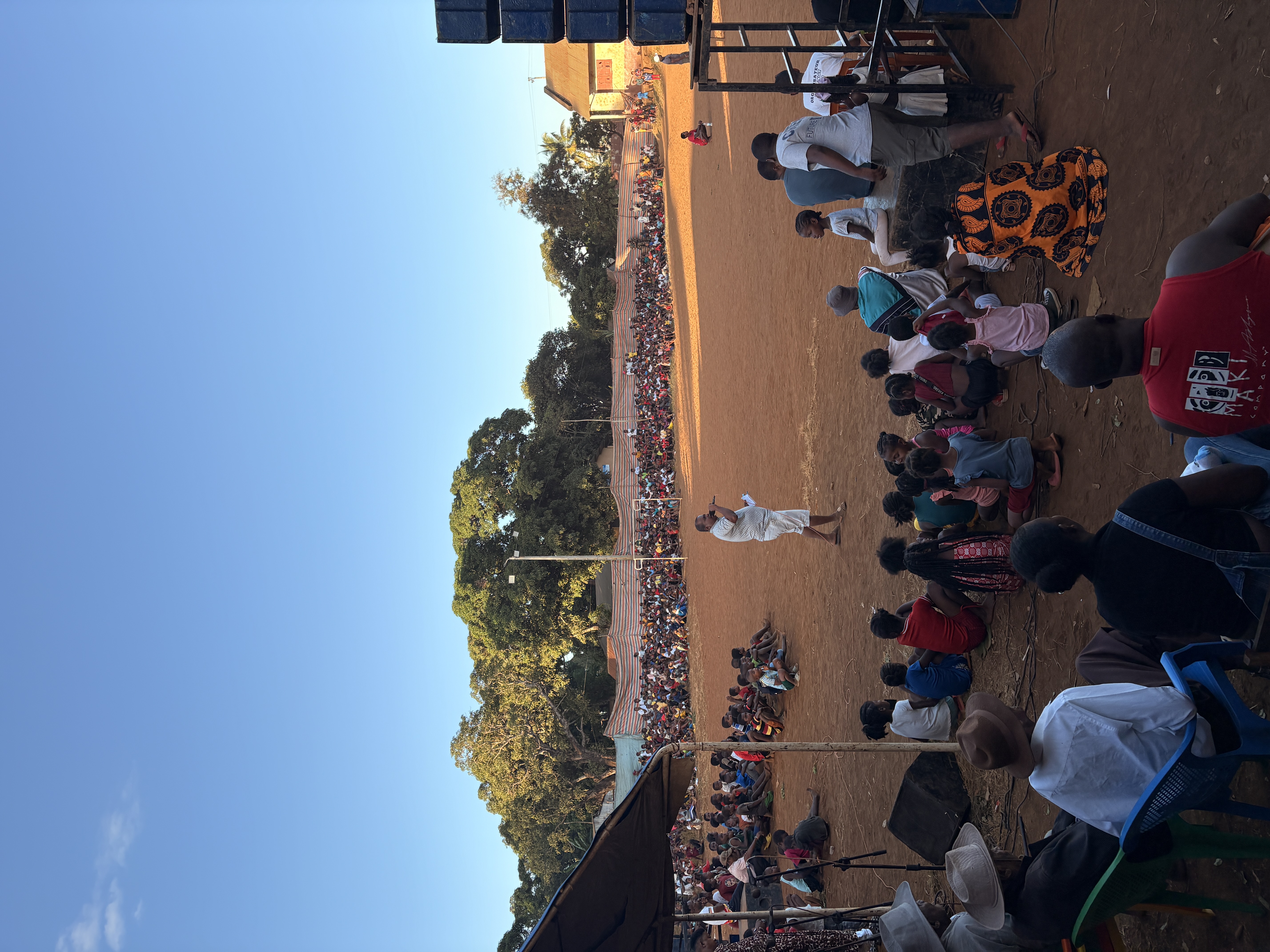
Stiriosity on a Malagasy village
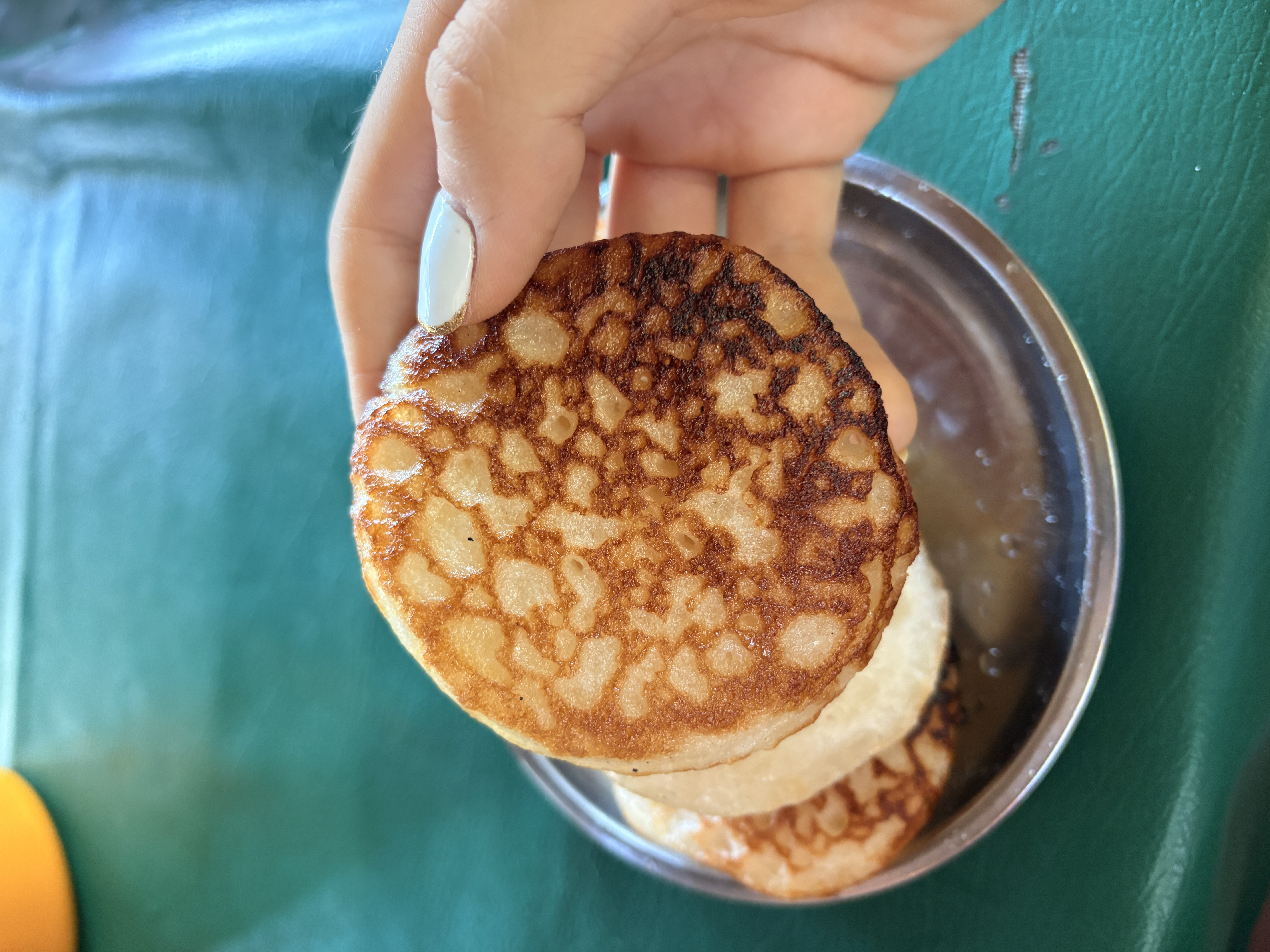
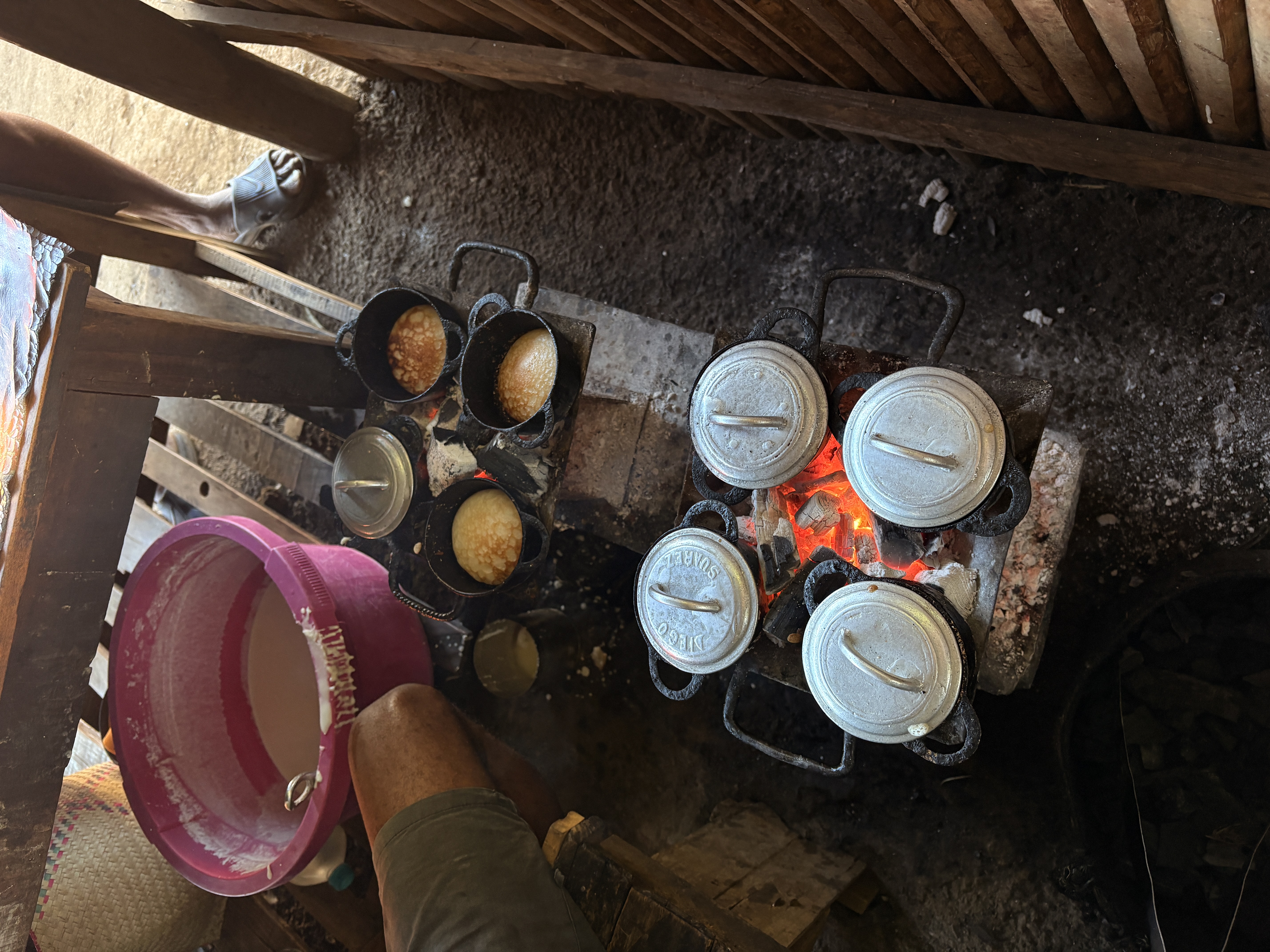
In Malagasy villages rice is also eaten at breakfast, often in the form of mokary vary, a kind of soft flatbread made from a rice batter; in the northern version, coconut milk is often added. To cook it, a special pan with small round hollows is used: the batter is poured into the cavities and cooked over the fire, often on charcoal or wood. The aroma that fills the air while it cooks is hard to forget.
Cooking also tells a great deal about everyday life: in many rural homes, food is still cooked over wood or charcoal, while water may come from a well or a shared collection point. Services and conditions vary considerably from one village to another: some homes have a simple latrine outside, while others have different facilities. There is no single model of a Malagasy village.
What strikes you is the close bond with the environment: the landscape is not just a backdrop, but part of everyday life, among gardens, animals, paths and local materials used to build the houses. These are simple details, but they help you understand how different the pace of life is far from the cities.
Day 7: Ankarana National Park
The Ankarana reserve
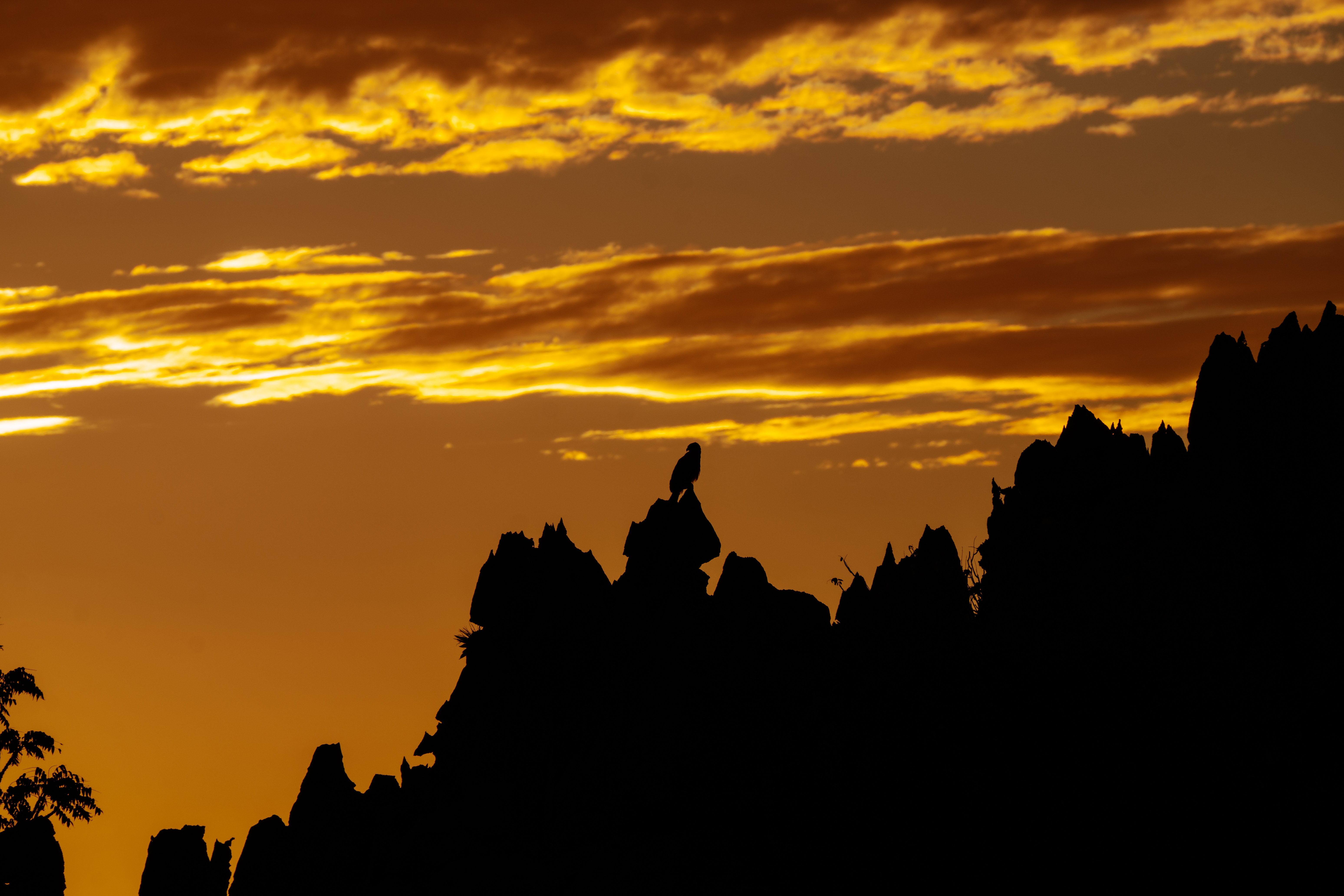
The Ankarana is one of the most striking stops in northern Madagascar: a landscape where limestone pinnacles, gorges, dry forest and caves alternate within just a few kilometres. The reserve was established in 1956 and protects an area of around 18,000 hectares. Here water has carved the rock over very long periods, creating the tsingy: sharp ridges and limestone spires that look like a forest of stone.
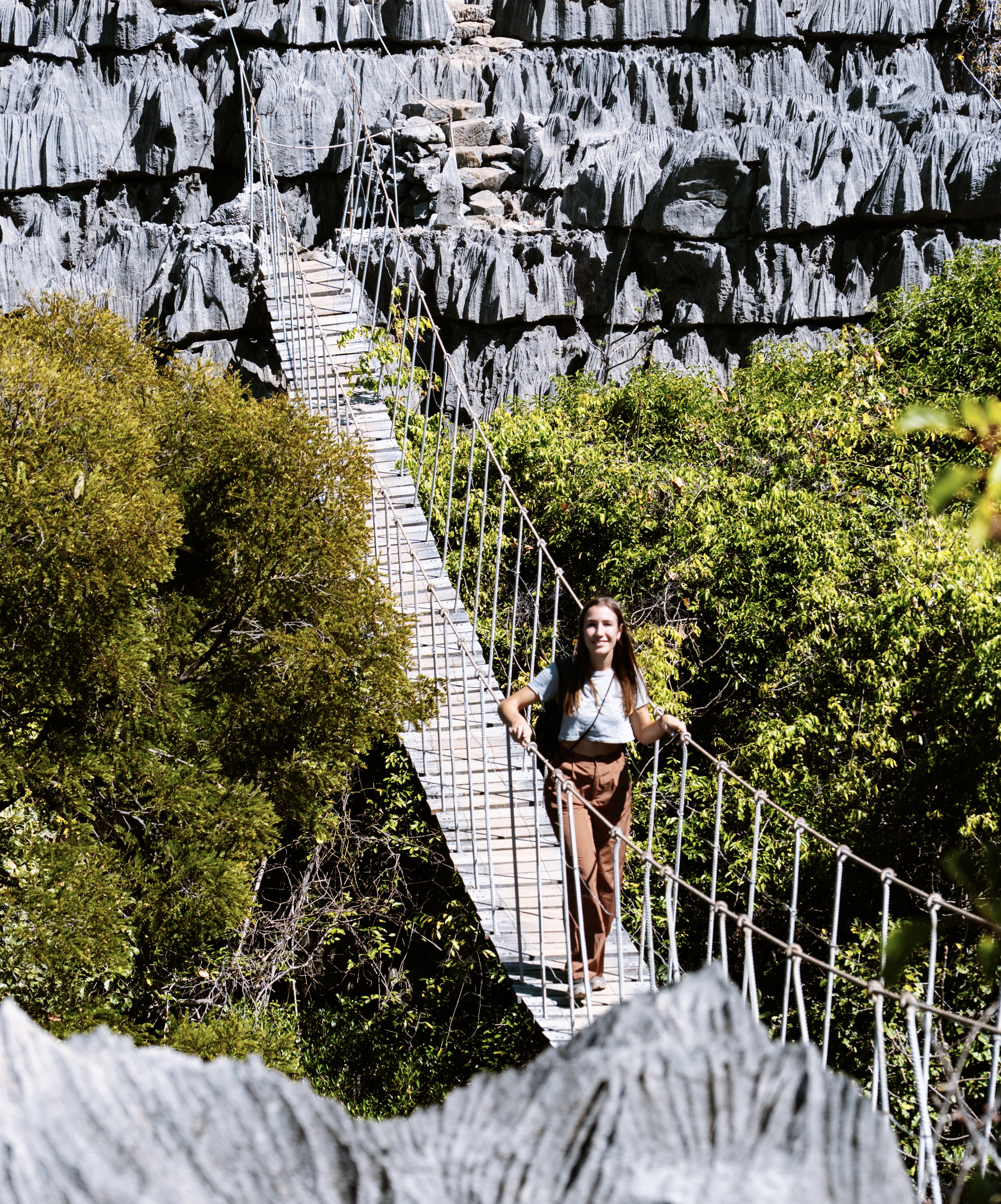
The peculiarity is that this apparently arid environment hides a network of caves and underground watercourses. Plants capable of surviving harsh conditions grow over the rocks; in the stretches of forest, you may meet lemurs, chameleons and birds. Among the reserve's emblematic animals are the crowned lemur and Sanford's brown lemur, but sightings depend on the route, the time of day and luck.
The bat cave
Among the possible excursions is the circuit combining the Tsingy Meva with the bat cave. Inside, the light gives way to shade and coolness: looking up, you may see bats hanging from the rock or hear their calls. Ankarana is an important habitat for these mammals: a factsheet from the Madagascar Protected Areas Foundation lists 17 species in the reserve. Bats play a valuable role in the ecosystem, for example by helping to control insects and, for some species, by dispersing seeds.
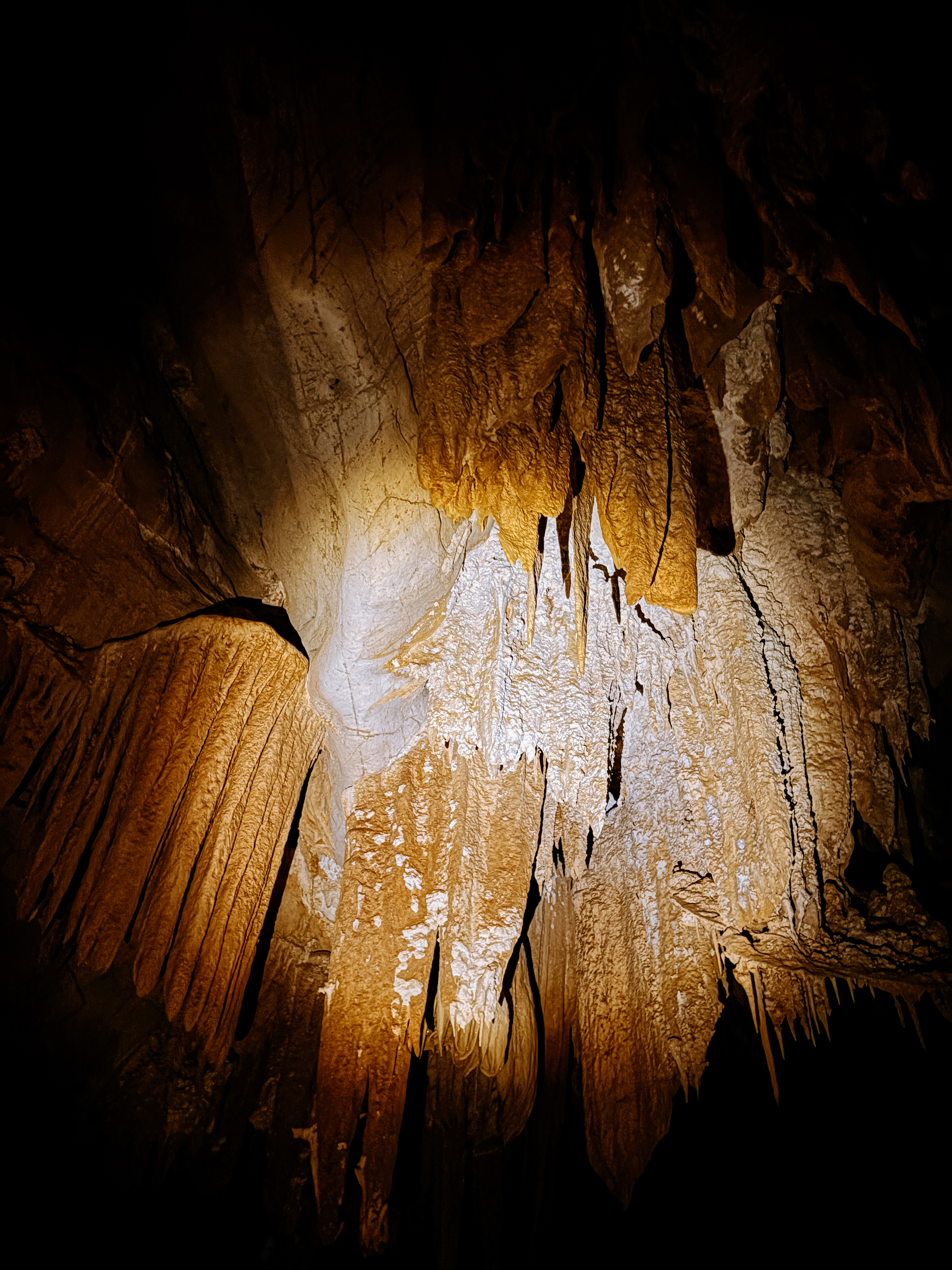
The cave is not merely a natural curiosity: it is a fragile environment, where noise and light can disturb the animals. It is best to follow the pace and instructions of the guide, avoid touching them and not use flash. The visit to the Tsingy Meva circuit and the cave is a moderately difficult excursion, lasting about 2–3 hours, which I recommend only for fit people; I would exclude children, since the cave is dark and full of bat droppings, and the risk of slipping is high. I say this from experience!
The Ankarana is explored with a local guide and by choosing the circuit best suited to the weather and your own abilities: some routes lead among the pinnacles and suspension bridges, others to caves, lakes or viewpoints. It is a place where it is worth taking your time to look around: even among the harshest rocks, a surprising variety of life is hidden.
Day 8: Tsingy Mahaloka and Ambilobe
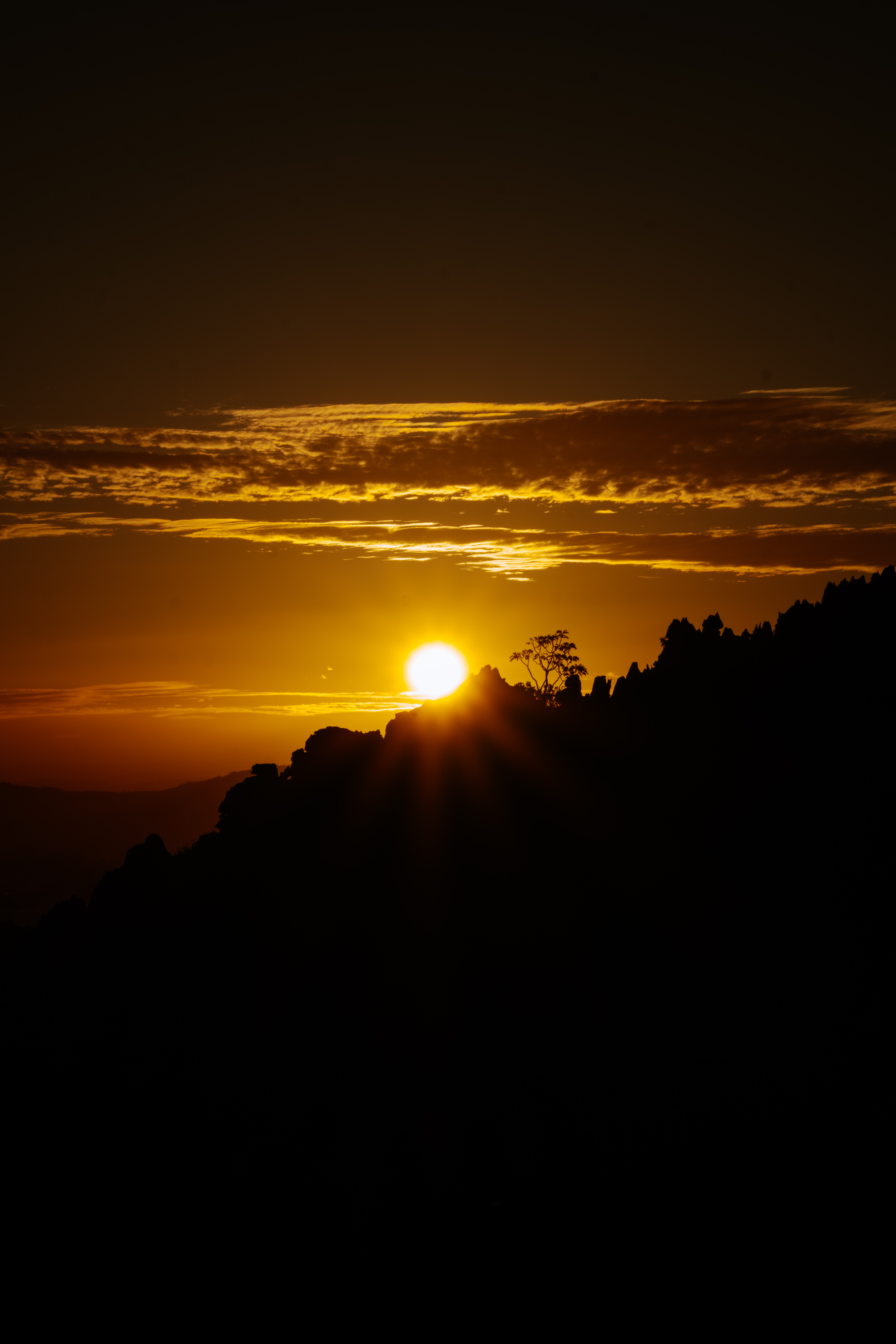
Tsingy Mahaloka
I spent the night in the park, sleeping in a tent: a wild experience, immersed in the sounds of nature, which I enjoyed enormously. In the morning the alarm went off at 4:00. Still sleepy but excited, I set off with the guide towards the Tsingy Mahaloka to watch the sunrise.
Climbing while the sky was still dark and watching the first light caress the landscape was amazing: an intense, silent moment that is hard to forget.
Ambilobe
Ambilobe is not linked only to sugar cane: its territory also holds a long mining history. In the surroundings, especially in the area of Betsiaka, gold has been sought for over a century. The first evidence of extraction dates back to the early years of the twentieth century, and the Andavakoera area was one of Madagascar's main gold-mining districts.
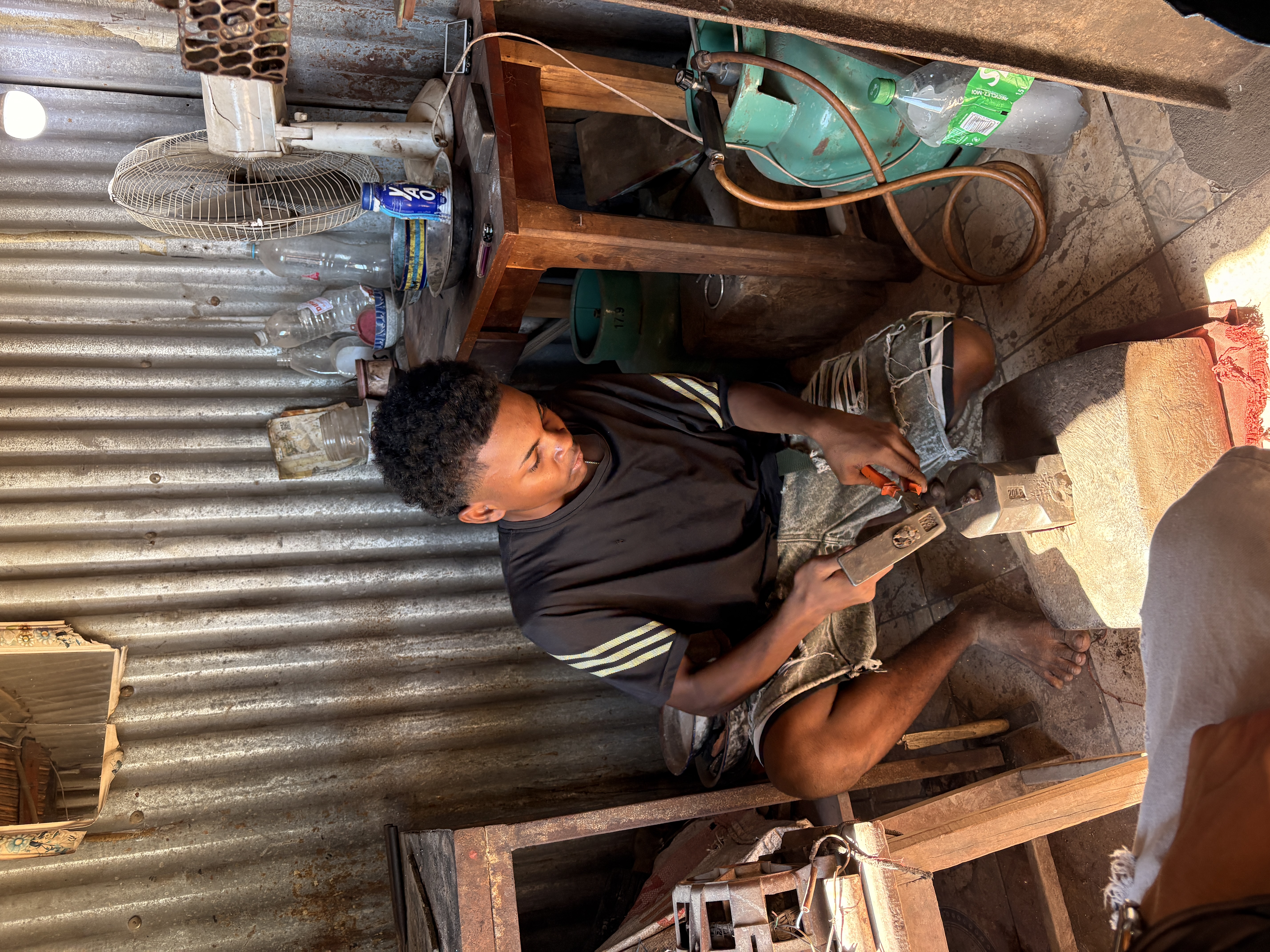
In this area gold can naturally be mixed with silver, forming an alloy called electrum. That is why the name Ambilobe is associated with both precious metals. Even today, the craft activity of the prospectors and the gold trade are part of the local economy: the metal is extracted mainly in nearby mining villages and then sold in Ambilobe.
It is a different face of northern Madagascar, shaped by land, work and the stories of the mines, alongside the landscapes of the Mahavavy valley and the plantations that surround the town.
Day 9: Ambobaka, among cocoa and vanilla plantations
Ambobaka
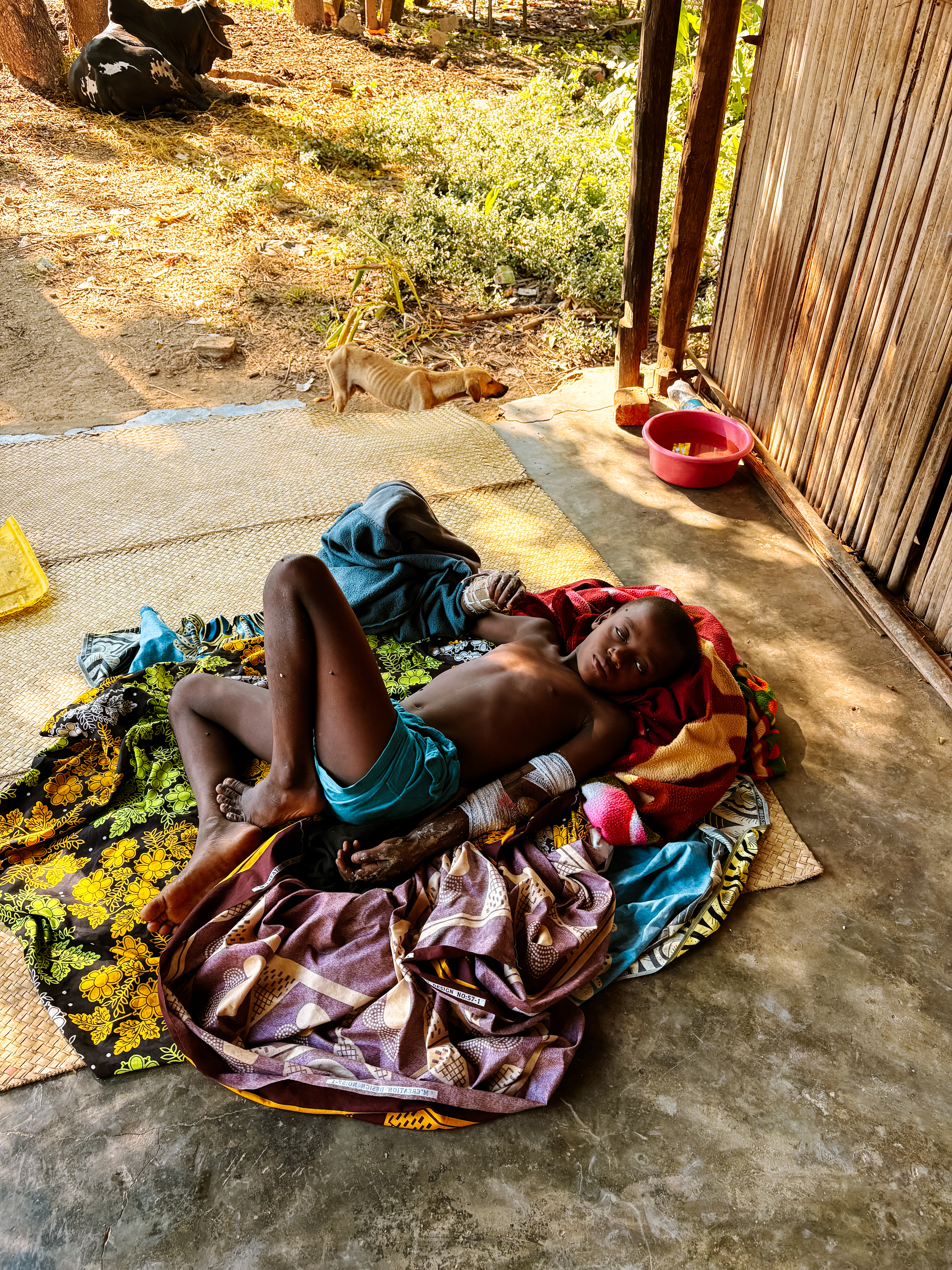
Ambobaka is a village surrounded by cocoa and vanilla plantations, rice paddies and small streams. Here the landscape is lush and life unfolds in close contact with nature.
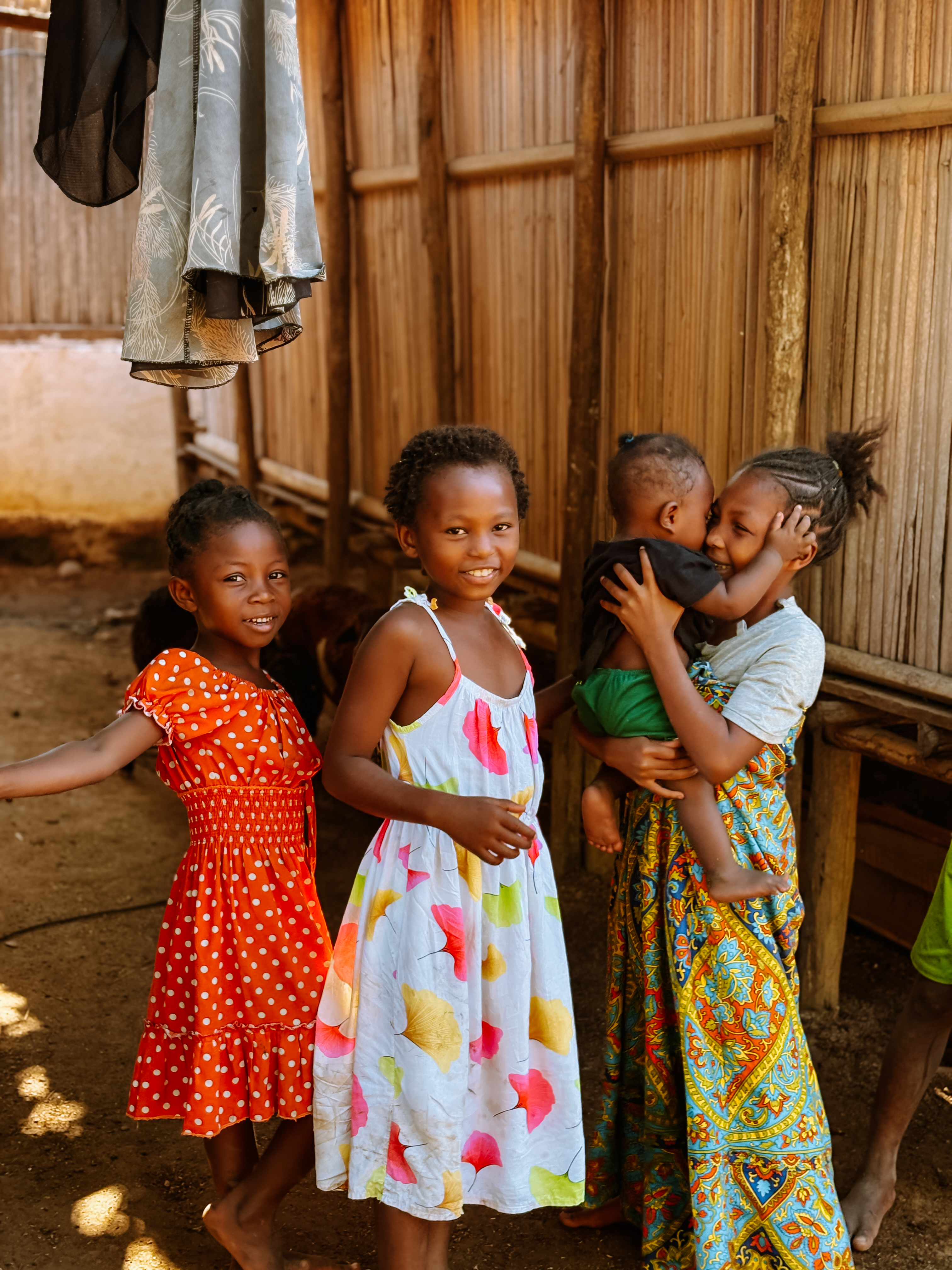
One of the things that struck me most was the visit to the facility that many call “traditional hospital”. It is not a hospital in the Western sense: it is a place for the sick, very different from what we have here. The practices used include medicinal plants and traditional massages; in the village you can also visit a garden with some of the plants used in Malagasy pharmacopoeia. It is an opportunity to listen to a tradition that is still alive and to learn about the bond between the community, the plants and the land.
The visit can be combined with a stroll through the plantations to discover how vanilla and cocoa are grown.
Vanilla and cocoa plantations
Walking among the plantations, you can discover that vanilla and cocoa require a great deal of care even after harvesting. Vanilla grows as a climbing vine, and its delicate flowers, open for only a few hours, are pollinated by hand. Only after this stage does the pod develop: once picked, it must be processed and dried so that it releases the fragrance we know.
How much do you think vanilla costs in Madagascar? I'll reveal it in this reel!
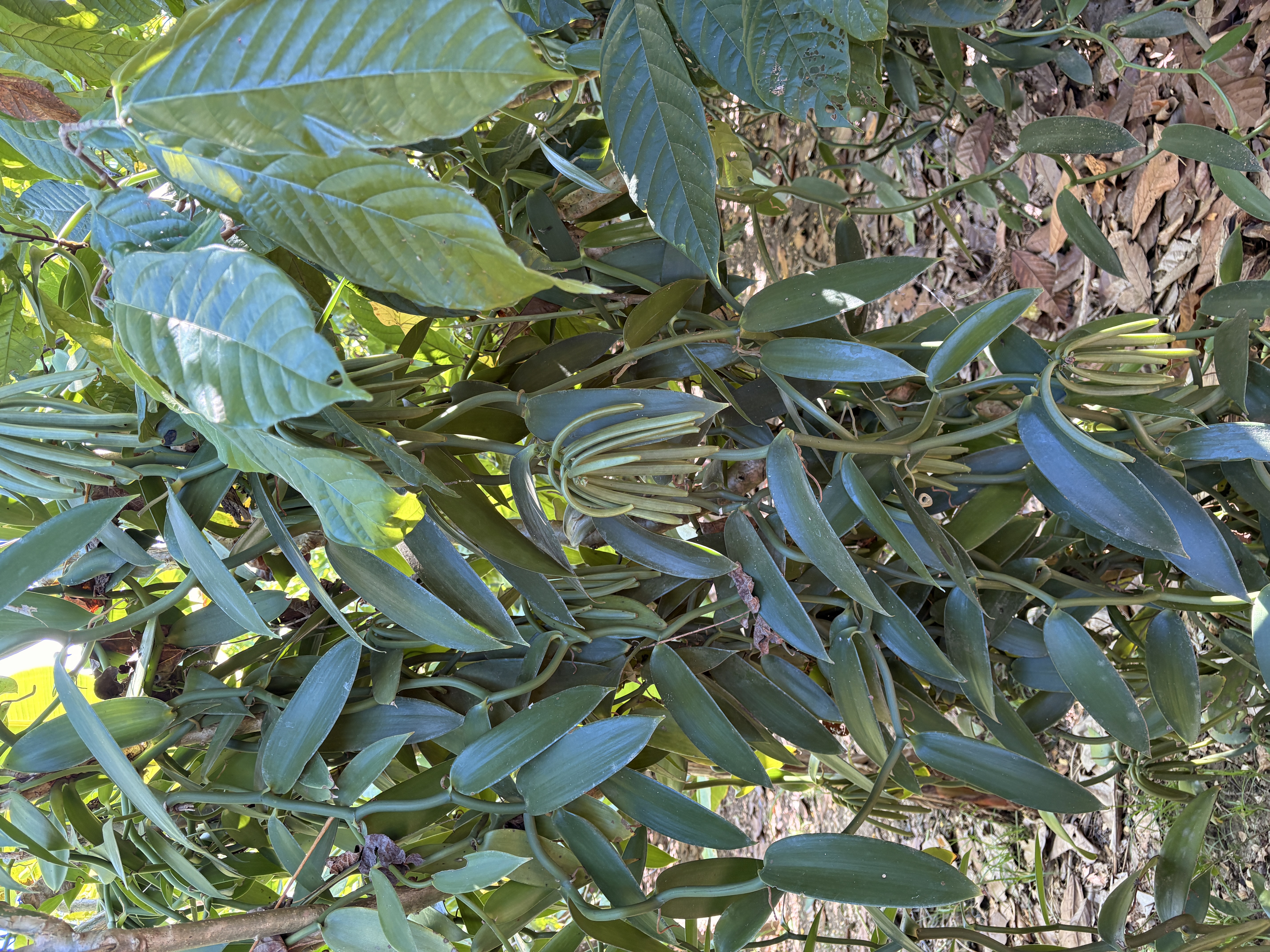
Cocoa also holds a small surprise: the fruits, called cabosse, grow directly on the trunk and branches. Inside are the seeds, wrapped in a pale, sweet pulp. After the fruit is opened, the seeds are fermented and then dried in the sun: it is during fermentation that the typical chocolate aromas begin to form.
Visiting these plantations in Ambobaka allows you to observe closely a patient work, made of manual gestures and knowledge handed down through generations. The vanilla and cocoa that end up in our desserts are born this way, amid the greenery of the Sambirano valley and the daily work of local communities.
Bons Pères Waterfall
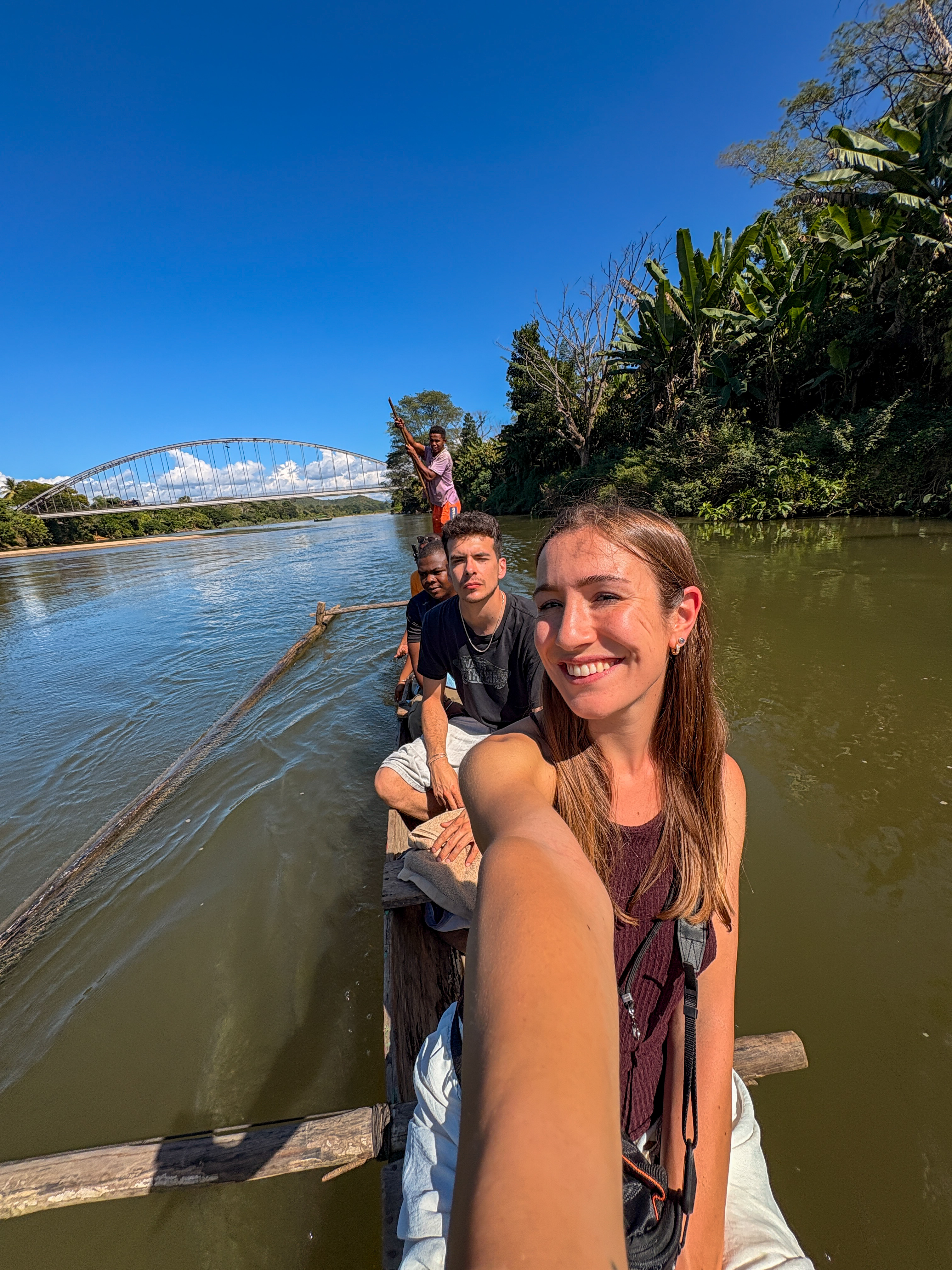
To reach the waterfall we boarded a pirogue, a long, narrow traditional canoe, and sailed along the river surrounded by greenery. The journey was part of the adventure: leaving the village behind, we approached the waterfall through a quiet and lush landscape.
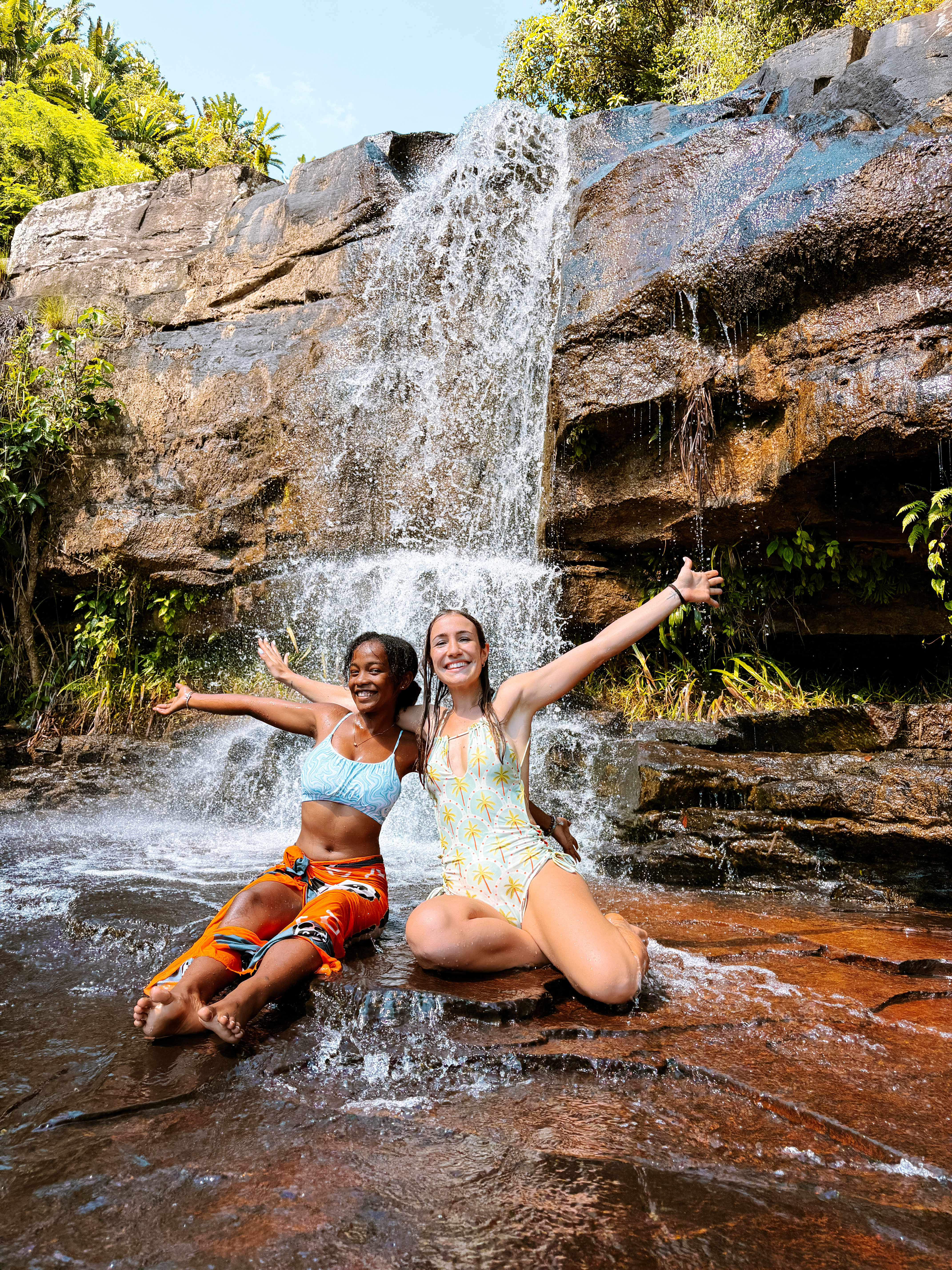
On arriving at the Bons Pères, the water cascades through the vegetation and forms small natural pools where you can stop to cool off. It is a simple and striking stop; you can even climb all the way to the top!
Foods and drinks to try in Madagascar
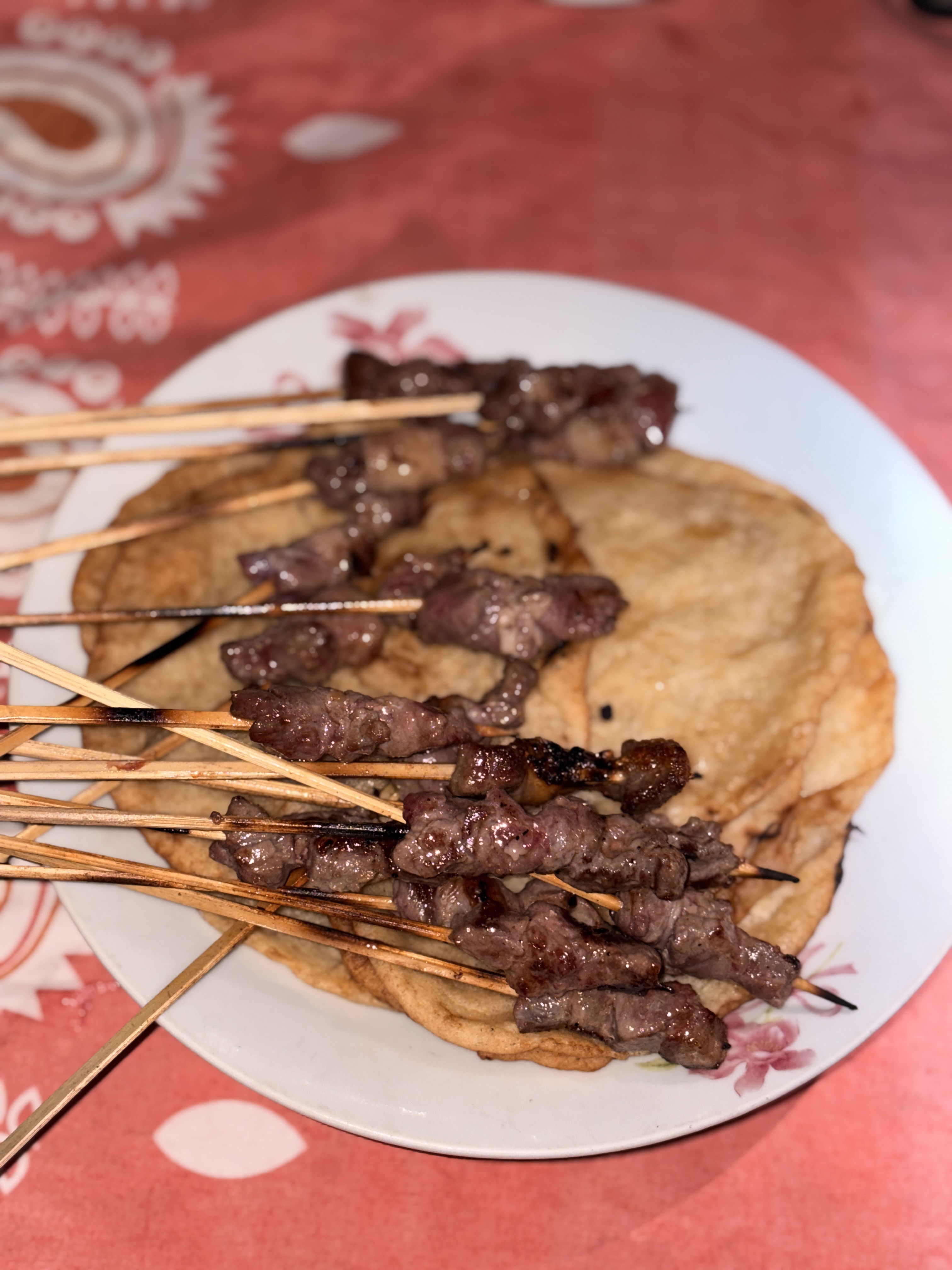
Zebu meat: In Madagascar the zebu is not just a source of meat: it is an animal
important in the life and traditions of many communities. In the kitchen you can find it grilled, on skewers or in romazava, a traditional broth with meat and leafy vegetables, served with rice. At the Ambanja market it is another opportunity to see how closely Malagasy cuisine is tied to local produce and habits.
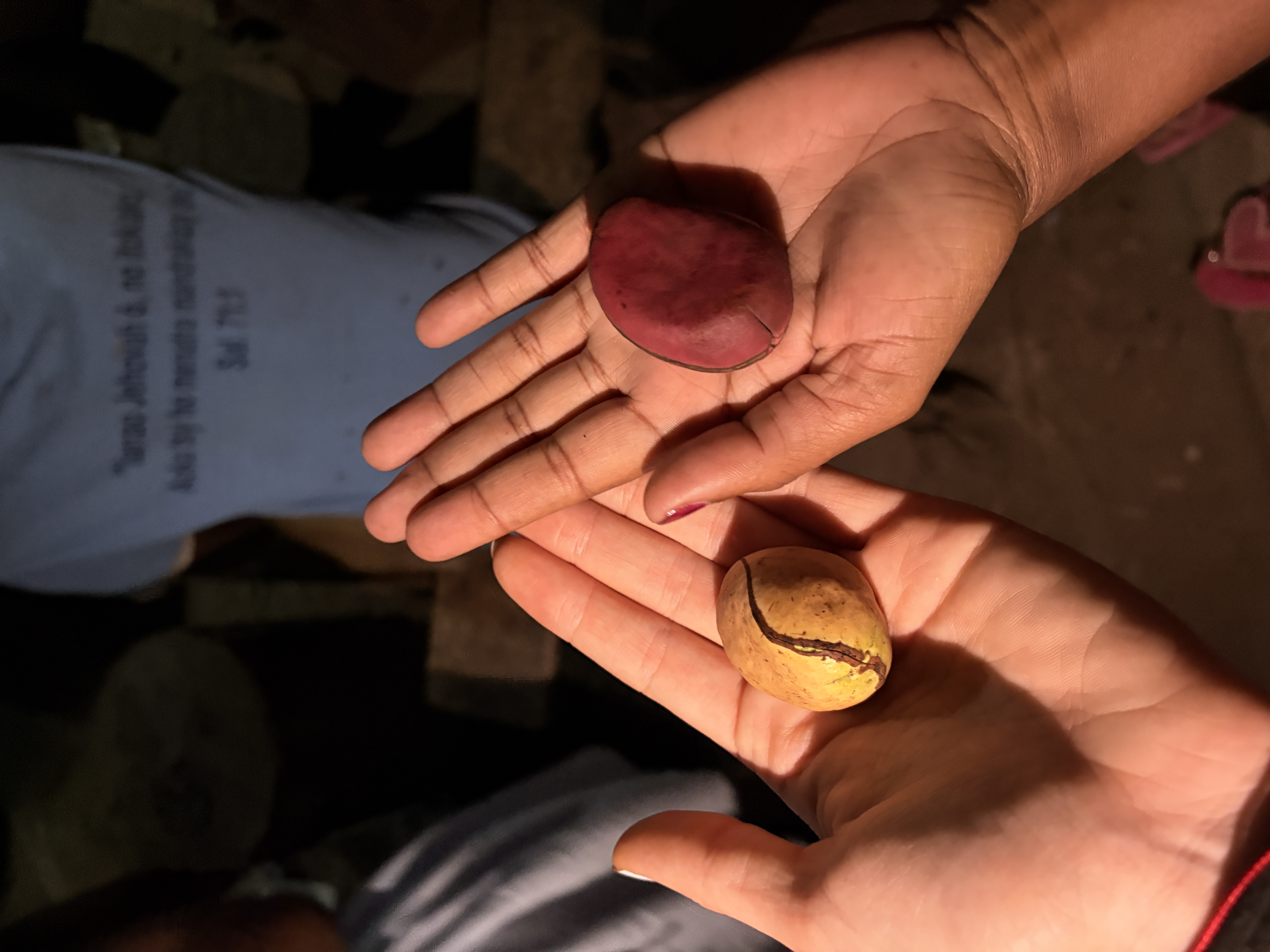
Kola: is a hot drink prepared with kola. The plant produces seeds known as kola nuts, which contain caffeine and are also used for their stimulating effect. So yes, it is rather like drinking something that helps you feel more awake: a traditional drink with a stimulating substance, just like coffee.
The name of the drink “cola” is also linked to these seeds, once used to flavour certain beverages. Tasting it at the market was a small surprise and a special way to discover a new flavour.
Fish and seafood: are fantastic! Along the coast they are a choice not to be missed; they are often grilled and served with rice.
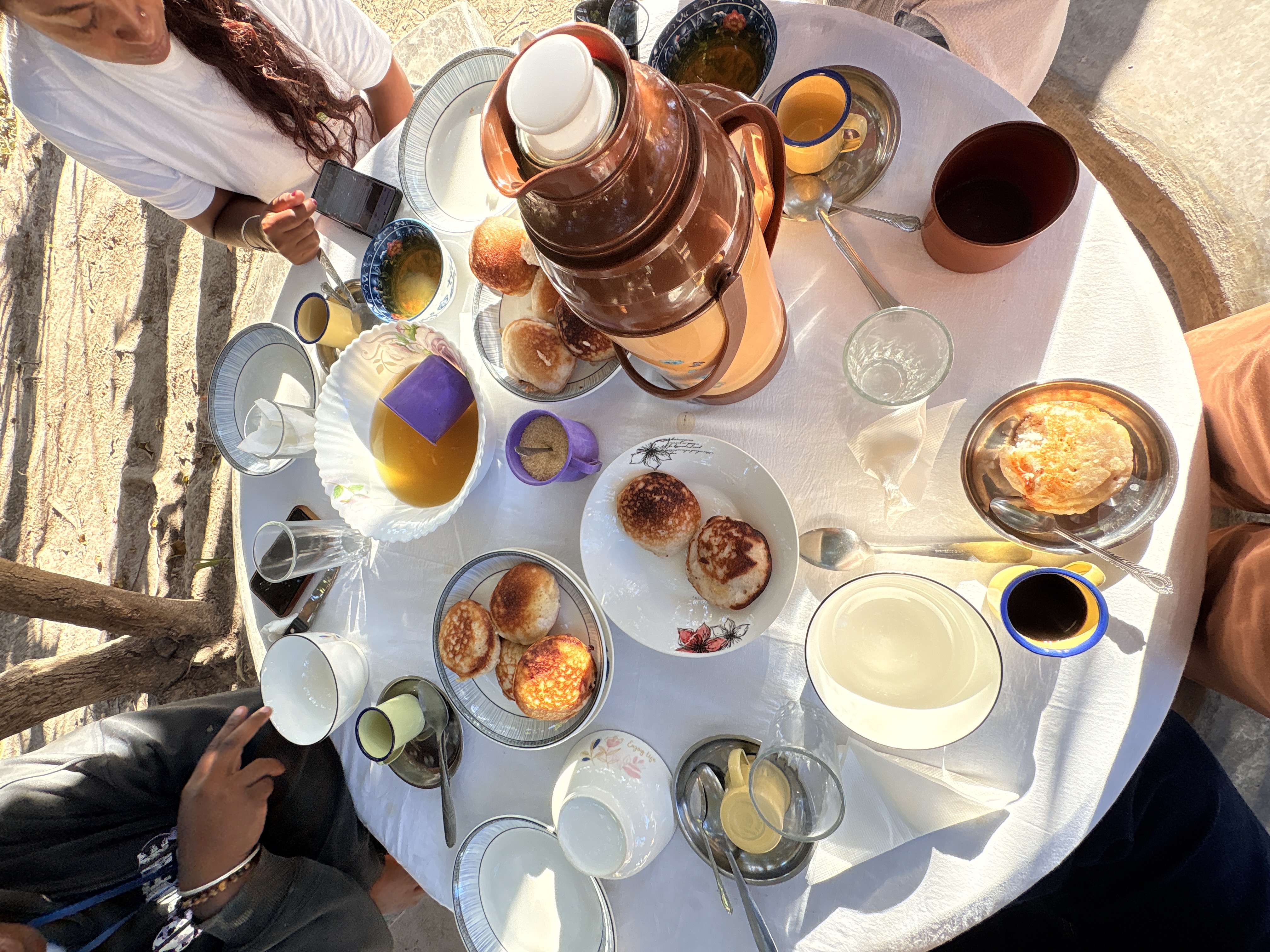
Mokary vary: is a small Malagasy rice fritter, often prepared with coconut milk. The batter is cooked in a special pan with many small round hollows, which give it the shape of golden bite-sized morsels: slightly crisp on the outside, soft on the inside. It is often eaten for breakfast or as a snack, accompanied by tea or coffee.
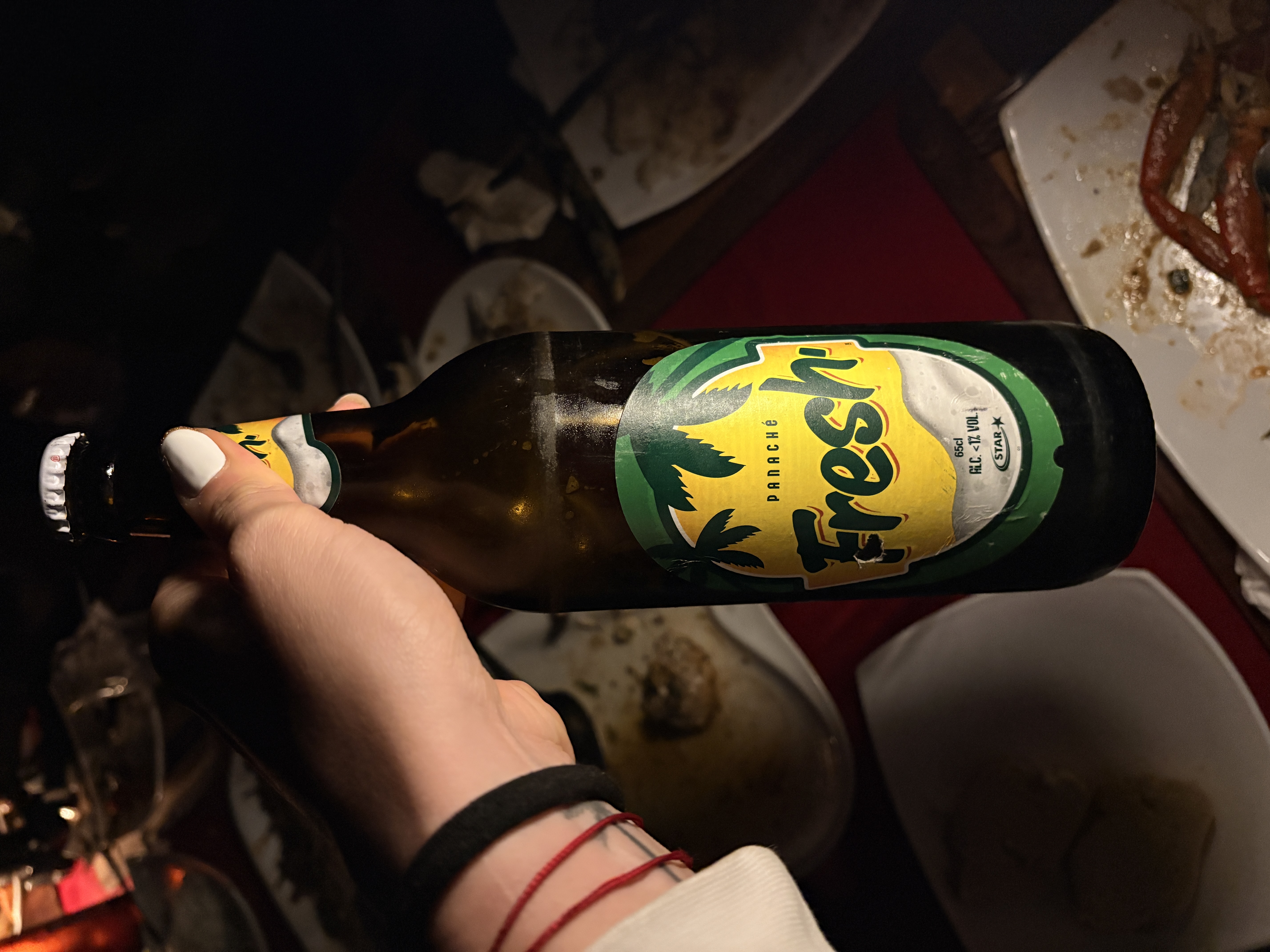
You absolutely must try the THB Fresh: it is a light and refreshing Malagasy beer. It has a fresh taste, with a citrusy note that is a bit reminiscent of lemonade. Here they call it the "women's beer" because it is very light. Even though I don't like beer, it blew me away (probably because it doesn't taste of beer!)
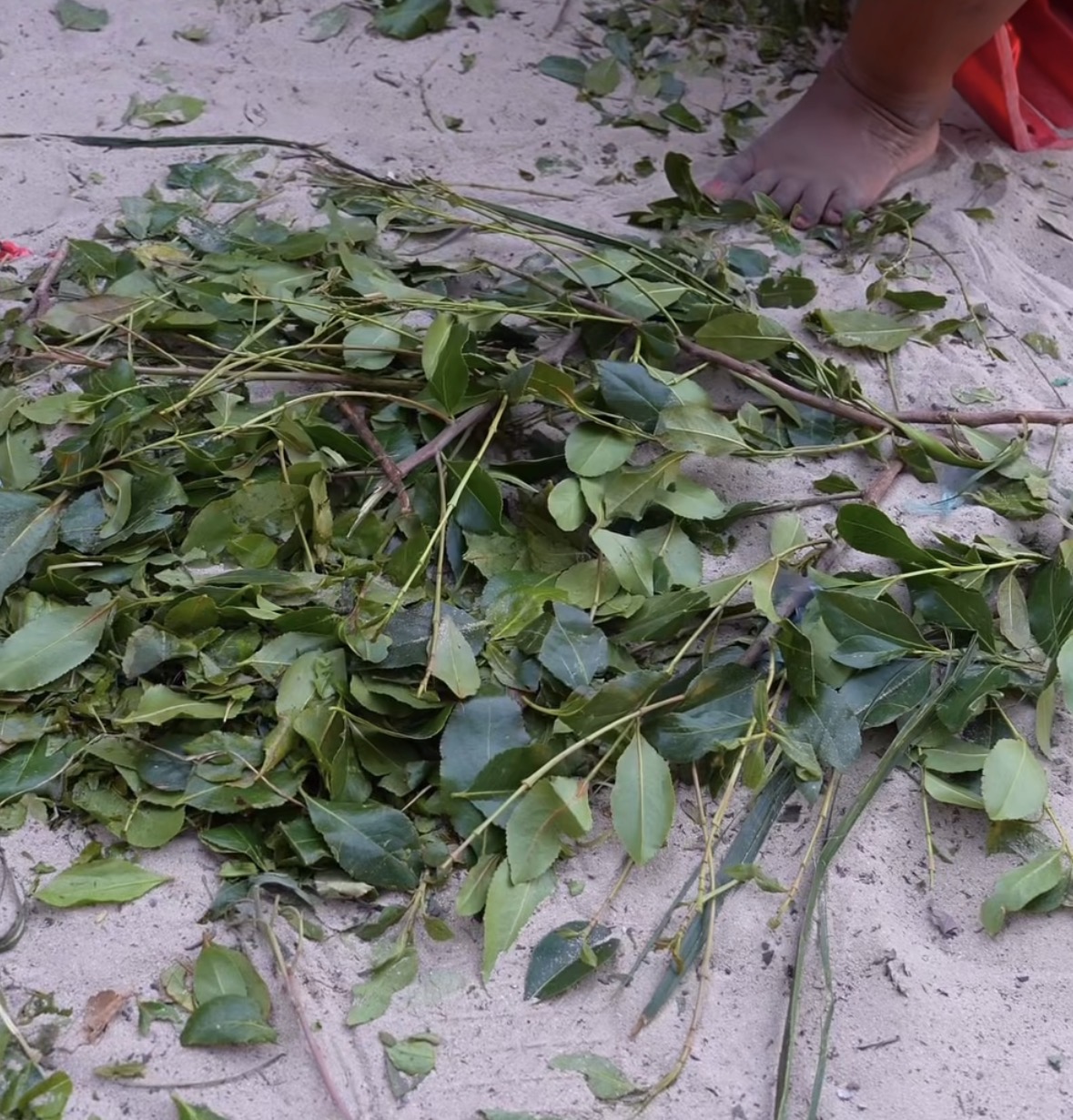
Kati: the drug of Madagascar
In northern Madagascar, especially in the Diana region and around Antsiranana, people chew katy, also called khat. It is made from the fresh leaves of the Catha edulis plant, a shrub native to East Africa and the Arabian Peninsula. Its spread to Madagascar dates back at least to the 19th century; today its cultivation and consumption are particularly common in the north of the island.
The leaves are chewed slowly. They contain cathinone and cathine, stimulant substances that can give a temporary sensation of energy, alertness and euphoria. For many people, use is also a social occasion and part of local customs. However, khat can cause insomnia, a faster heart rate and other unwanted effects; frequent use can also lead to dependence.
Its presence also reflects an economic aspect of life in northern Madagascar: growing khat can offer farmers quick earnings and harvests, but its expansion can compete with food crops. Learning about this practice helped me better understand a complex local reality, in which traditions, economic needs and health are intertwined.
But why do they use it to such an excessive extent? The answer in this interview
It was a truly special journey, which allowed me to discover many curiosities, learn about local traditions and experience a reality very different from our own. The conditions of poverty in which many people live made me reflect on how fortunate we are. At the same time, I almost "envied" their deep relationship with nature and their ability to live with the essentials. We, despite having so much, often struggle to be content and are always dissatisfied.
Don't miss the second part of our trip to Madagascar: find the itinerary for Nosy Be and surroundings here
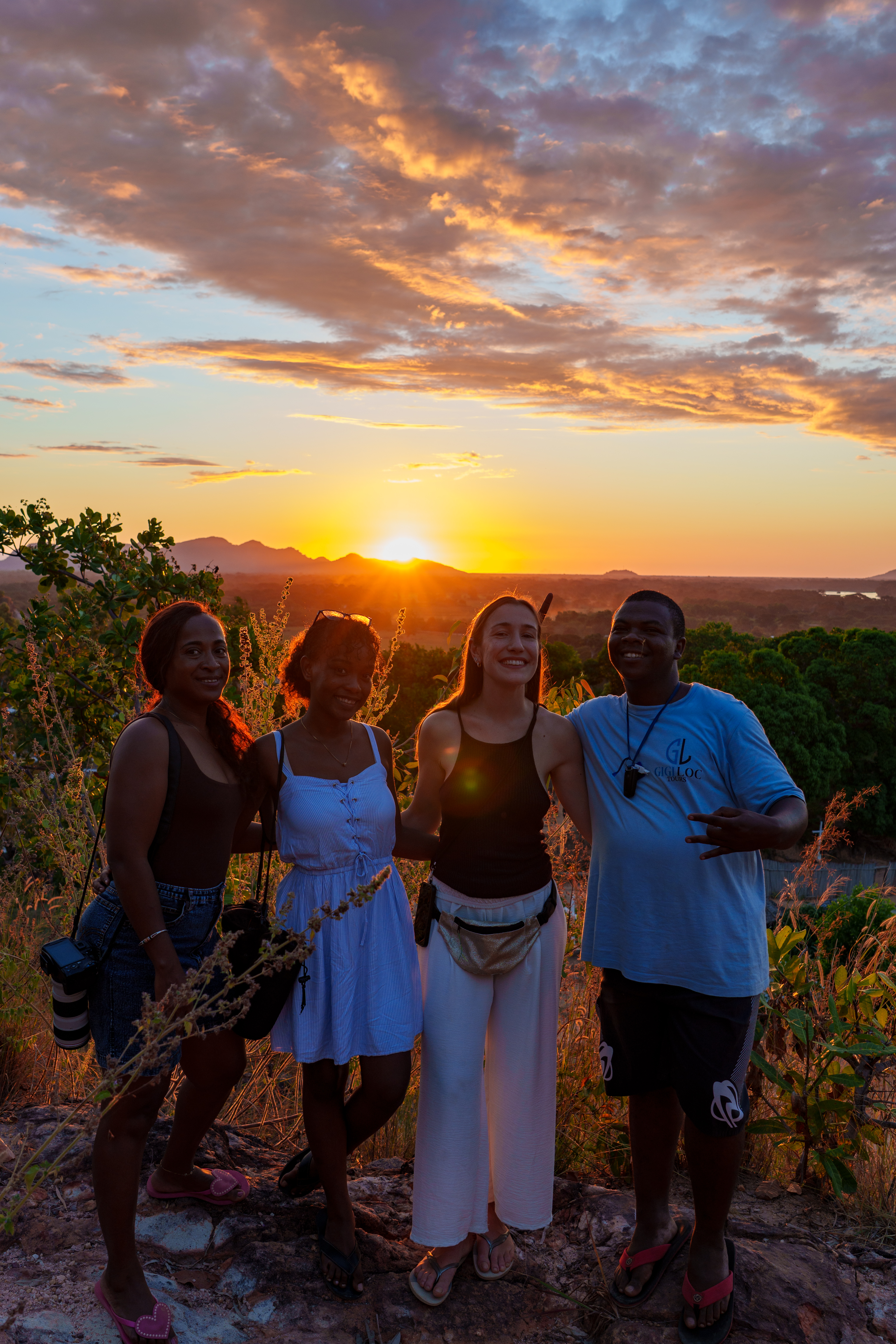
Travel creator from Bologna. I don't iron, but I am ironed: I tell stories of fantastic trips, write free itineraries and always look for the low-cost solution 💸
Keep travelling
One-week itinerary for Nosy Be and the islands of Madagascar
Morocco off the beaten track: Essaouira and Ifrane, between ocean and cedars
Bologna in 2 days: what to see, what to eat and where to stay
One-week itinerary for Nosy Be and the islands of Madagascar
Morocco off the beaten track: Essaouira and Ifrane, between ocean and cedars
Bologna in 2 days: what to see, what to eat and where to stay
Comments from the Stirati
No comments yet. Start the conversation.