One-week itinerary for Nosy Be and the islands of Madagascar
Start here
Hello Stirati! Today I'm telling you about my itinerary in Nosy Be and the nearby islands. It is one of the most touristy and accessible areas of Madagascar: beautiful, certainly, but remember that this country has much more to offer!
Itinerary in brief
Day 1: Nosy Tanikely and Nosy Komba, with snorkelling, beaches and a visit to the island of lemurs.
Day 2: Nosy Sakatia by dugout canoe, with a sunset aperitif.
Day 3: Nosy Antsoha, a half-day excursion of sea and relaxation.
Day 4: a tour of Nosy Be, taking in sacred sites, waterfalls and sunset from Mont Passot.
Day 5: relaxing at the Emeraude Lodge, where we stayed
Days 6 and 7: Nosy Iranja, with its sandbar, sea and postcard landscapes.
Have a look at the Reel of the itinerary in Nosy Be and surroundings
Before you leave
 Currency: Malagasy ariary (MGA)
 Documents and entry: for Madagascar you need a visa even for stays of less than 60 days. You can apply online, at least 7 days before departure, or on arrival. I paid 35 € for mine. Bring a passport valid for at least six months beyond your stay and check the current requirements before you travel. Watch this Reel on the things to know before coming to Madagascar.
 To fill in the visa online click here
 How to pay: bring cash to exchange into ariary and a physical card for emergencies, for example Revolut. If you exchange large-denomination euro notes, such as the 50 € ones, you may get a more favourable exchange rate: always ask for the rate applied before exchanging. Cards are accepted mainly in the large hotels and some restaurants; outside the main centres it is best to have enough cash. ATMs are found mainly in the bigger towns.
 Getting around: on Nosy Be and the nearby islands you travel mainly by boat: for excursions, rely on a guide or a local operator, who can arrange transfers and stops depending on the sea conditions. To explore Nosy Be itself, you can hire a car with a driver or arrange transport through your accommodation. We booked our excursions with Mada in Travel, who took care of boats, guides and transfers.
 Internet: in Madagascar I recommend buying a local SIM and choosing the operator Yas. During my trip I paid 25 € for 15 GB, valid for a month, and I found the best coverage among those available: it was the only SIM that worked for me. Bear in mind, though, that especially outside built-up areas you won't always have access to the internet. This time I don't recommend the eSIM I usually use: it didn't work for me in Madagascar.
For other trips I suggest Holafly: with the code STIRATIINTRIP you get 5% off, or you can buy your eSIM directly from this link with the discount already applied
 Travel insurance: before setting off, consider a policy that covers your travel needs. With Heymondo you can get 10% off through my link.
 Best time to visit: the driest period generally runs from April to October, while the rainy season is roughly from November to March. I was there between late May and early June and I had a wonderful time: the weather was pleasant and there were very few tourists.
 Vaccinations: Check the Farnesina website; basically, vaccinations against hepatitis A, hepatitis B and typhoid are required.
StiraTip — Food and water: some useful precautions
During the trip drink bottled water with a sealed cap and avoid ice or tap water. Choose food that is well cooked and served hot; for fruit and vegetables, prefer those you can peel or wash in safe water. Wash your hands often, especially before meals. Also avoid swallowing water while swimming and don't bathe in uncontrolled lakes or rivers. Be careful, or you'll end up like me, who was very unwell!
How to get to Nosy Be
From Italy you can reach Nosy Be with direct flights from Milan or with a connection. We, however, were already in Madagascar: we had spent ten days in the north, a wilder area which I absolutely recommend. From Diego Suarez we flew to Antananarivo and from there took a domestic flight to Nosy Be. Alternatively, you could consider a transfer by land and sea: Nosy Be and Diego Suarez are not that far apart, although the journey requires a bit of planning.
But enough talking: let's go!
Where to stay: Emeraude Lodge
 Area: Andilana, Nosy Be
Watch this Reel about the accommodation
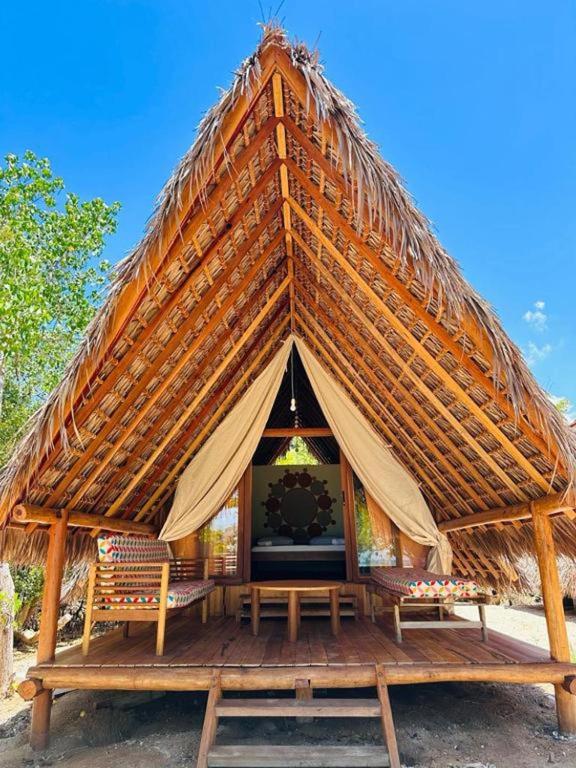
In Nosy Be we stayed at the Emeraude Lodge, on the beach at Ambarihonko, in the north-western part of the island. It is a quiet place, surrounded by green mangroves and overlooking the sea: ideal for relaxing between one excursion and the next. The property is family-run and offers an infinity pool with a view of the beach, a private beach, a poolside bar, a small gym and massages.
As for accommodation, there are several options to choose from, depending on your needs: bungalows, rooms and a separate villa. The lodge was built by its owner, Vincenzo, an Italian who moved to Madagascar. He is an extremely kind and helpful person and made us feel at home straight away.
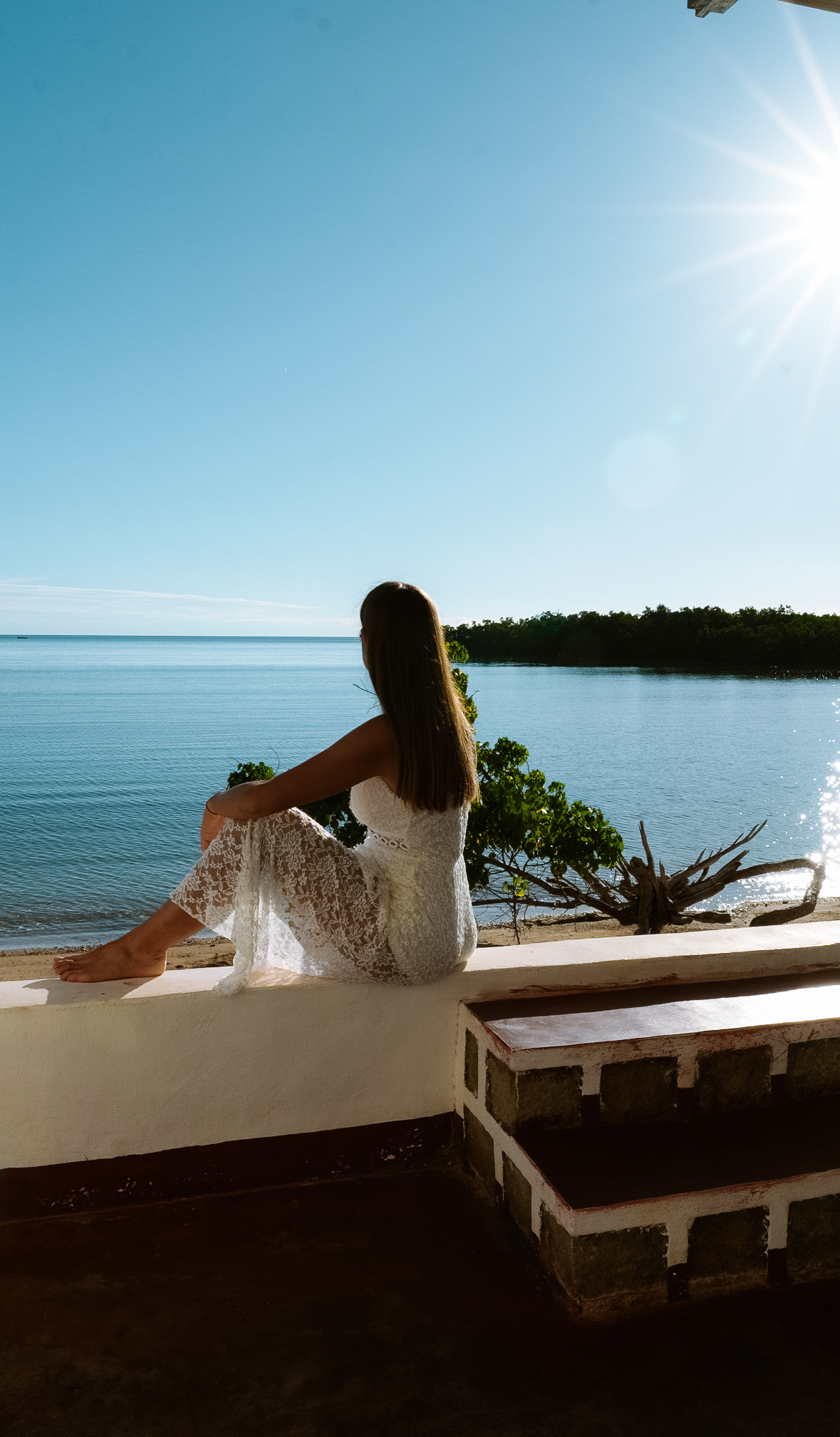
The restaurant, Il Tramonto, is also worth a visit: it sits right on the beach, in front of the pool, and serves Malagasy, Italian and French cuisine, with fish, seafood and fresh vegetables bought at the local market. We ate superbly!
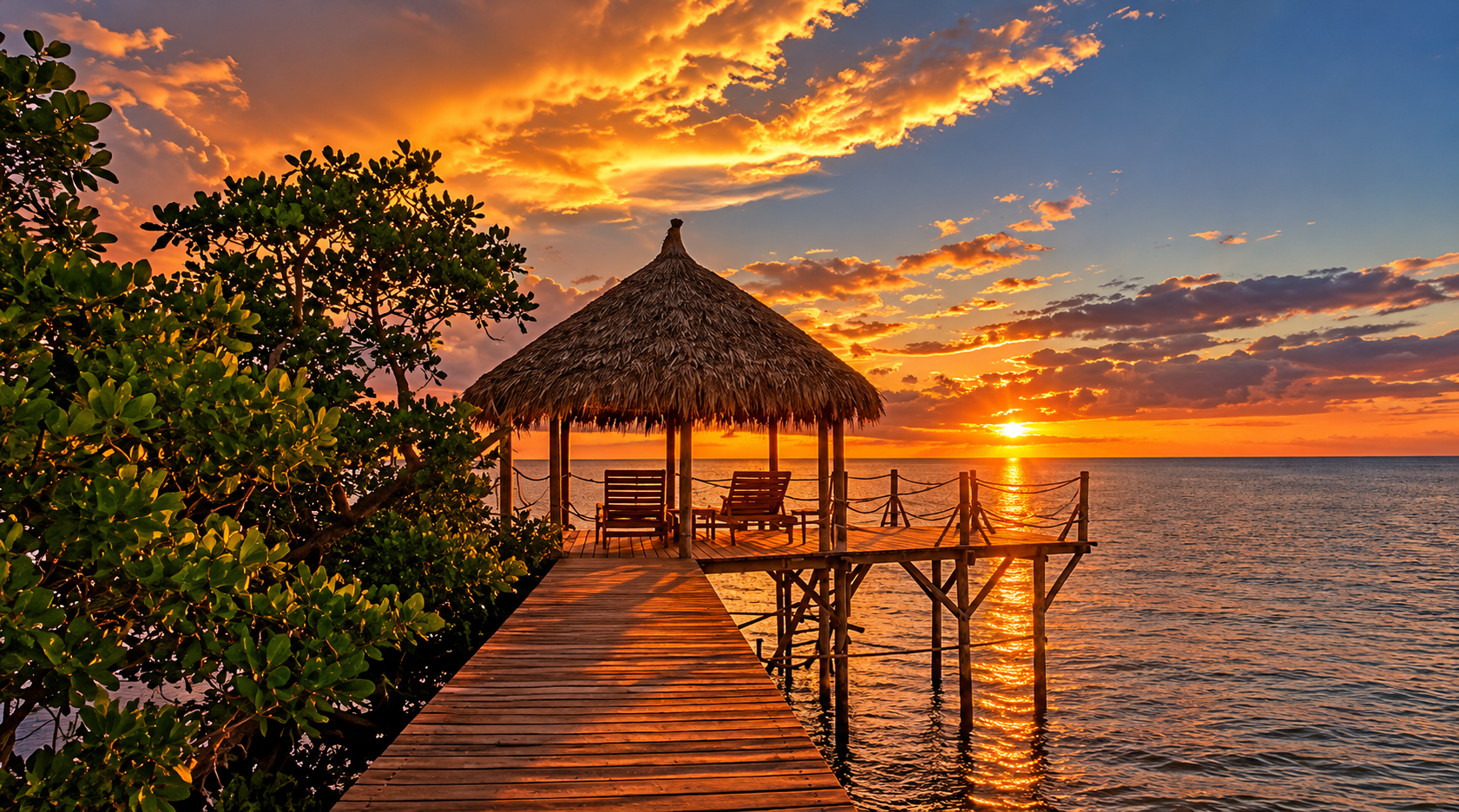
And then there's the treat: Vincenzo has built a jetty out over the sea that leads to a little gazebo. It is the perfect place to stop for a moment and admire the sunset: the sky turns colour over the water and the day closes with a truly special show.
Price: depends on the accommodation chosen
Booking: Booking.com or you can book directly with the owner and with the code STIRATI10 you get 10% off. I'll leave you his WhatsApp number +39 3275356599
How to organise the excursions
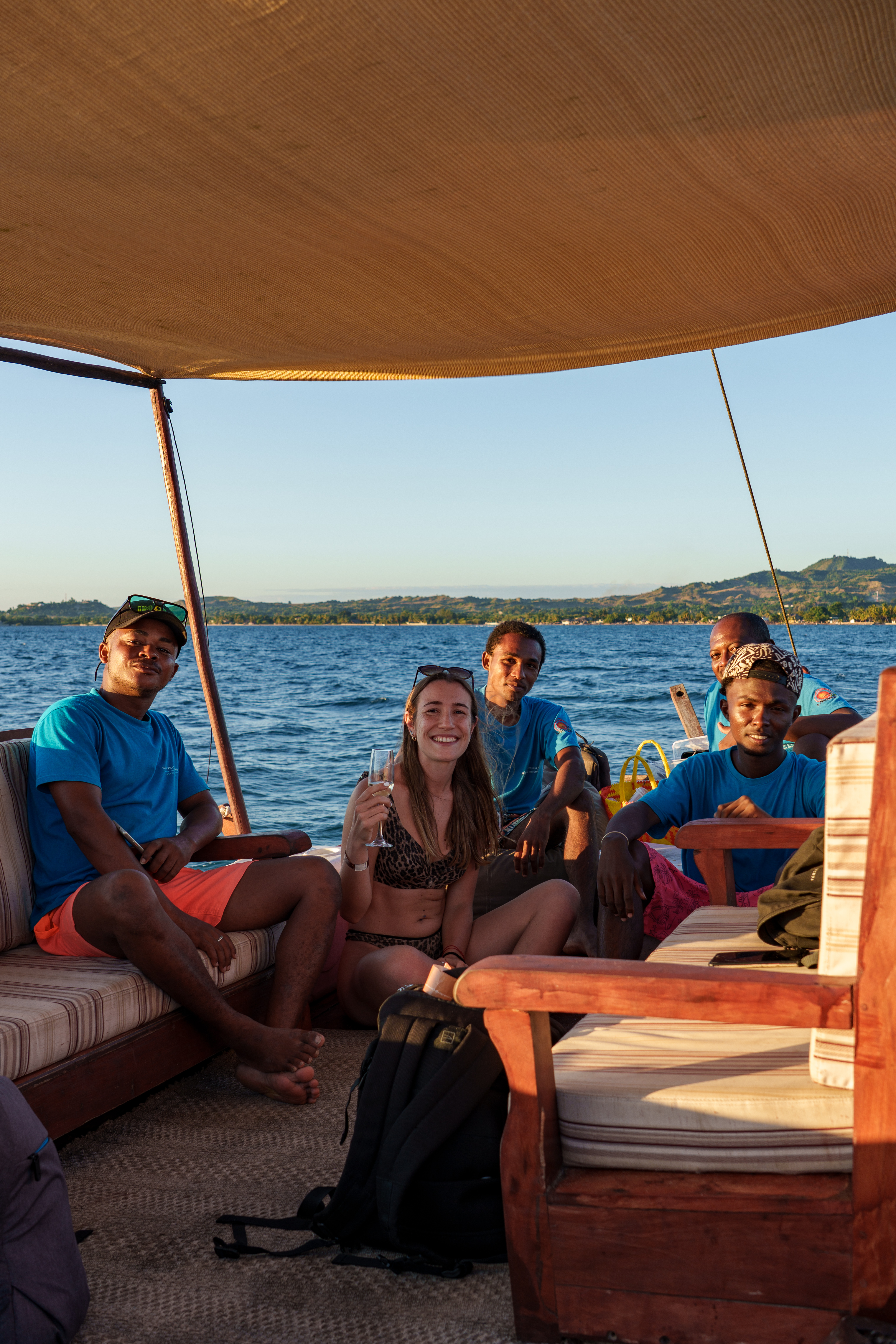
For the excursions we relied on Mada in Travel, an agency I highly recommend. We were really happy with them: they are professional and well organised, they offer lovely excursions and the prices seemed good compared with other offers. Transport and meals are included in the packages. The guides are lovely and very kind; some of them also speak Italian.
Day One: Nosy Tanikely and Nosy Komba
The day starts early, with the boat departure from the port of Hell-Ville. Depending on the sea conditions, the journey can be more or less bumpy: bring a light jacket or something to protect you from the spray. Lunch is included in the tour, as are fins and a snorkel for snorkelling.
Watch this Reel about this excursion!
Nosy Tanikely
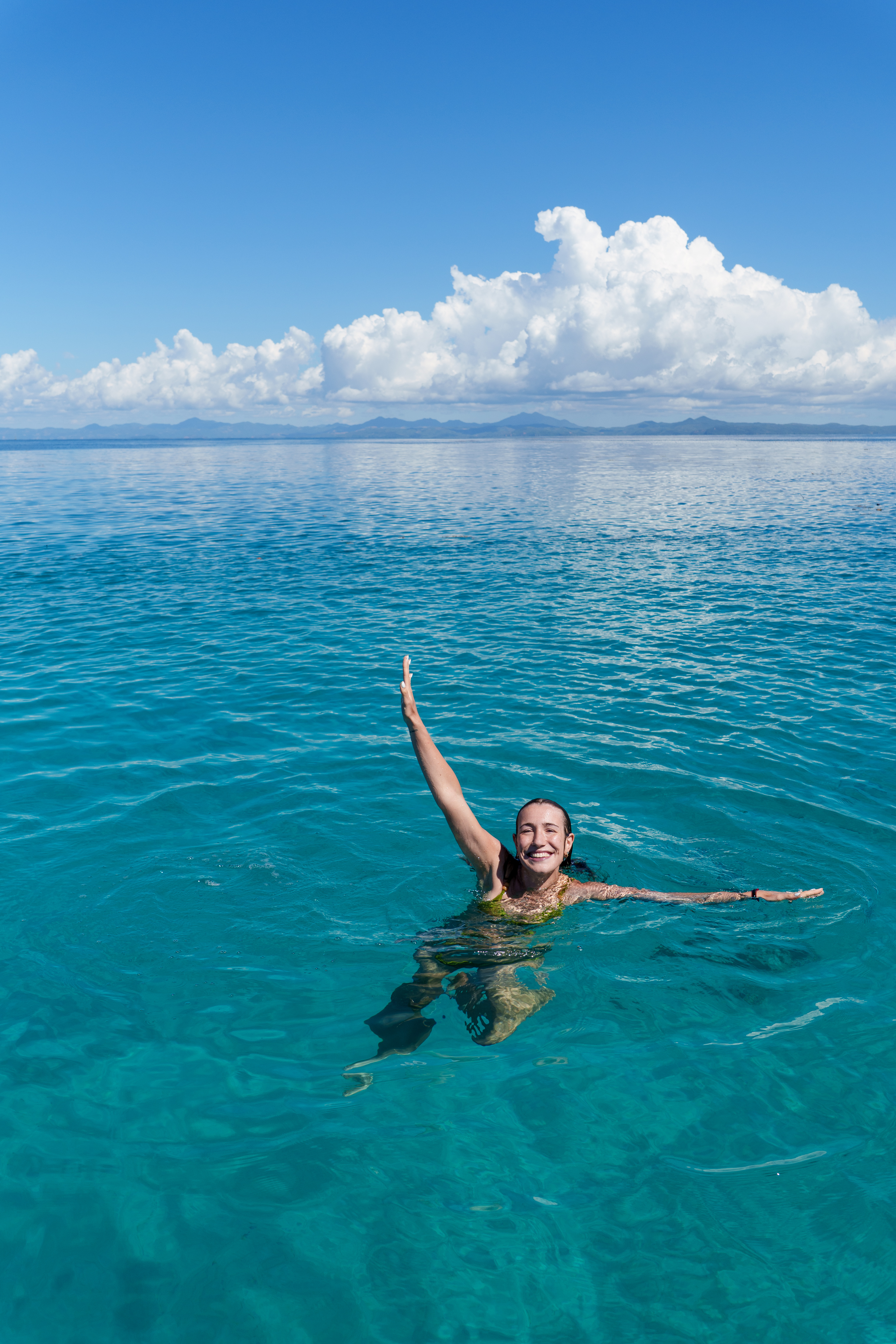
Nosy Tanikely is a small volcanic islet about 8.5 kilometres south of Nosy Be, in north-western Madagascar. Tanikely has a special place in the history of Malagasy conservation: in 1968 it was declared the first marine reserve in Madagascar. In 2008 it entered the national system of protected areas, with a defined marine zone around the island's lighthouse.
The coral reef is the island's main natural attraction. In just a few metres of water you can see tropical corals and fish, making snorkelling accessible even to those who don't dive.
The visit is not limited to the sea. The islet rises about 40 metres above sea level and is covered in tropical vegetation. A short path leads to the lighthouse, built in 1908, and to the interpretation centre; from the top there is a panoramic view over the reef and the neighbouring islands.
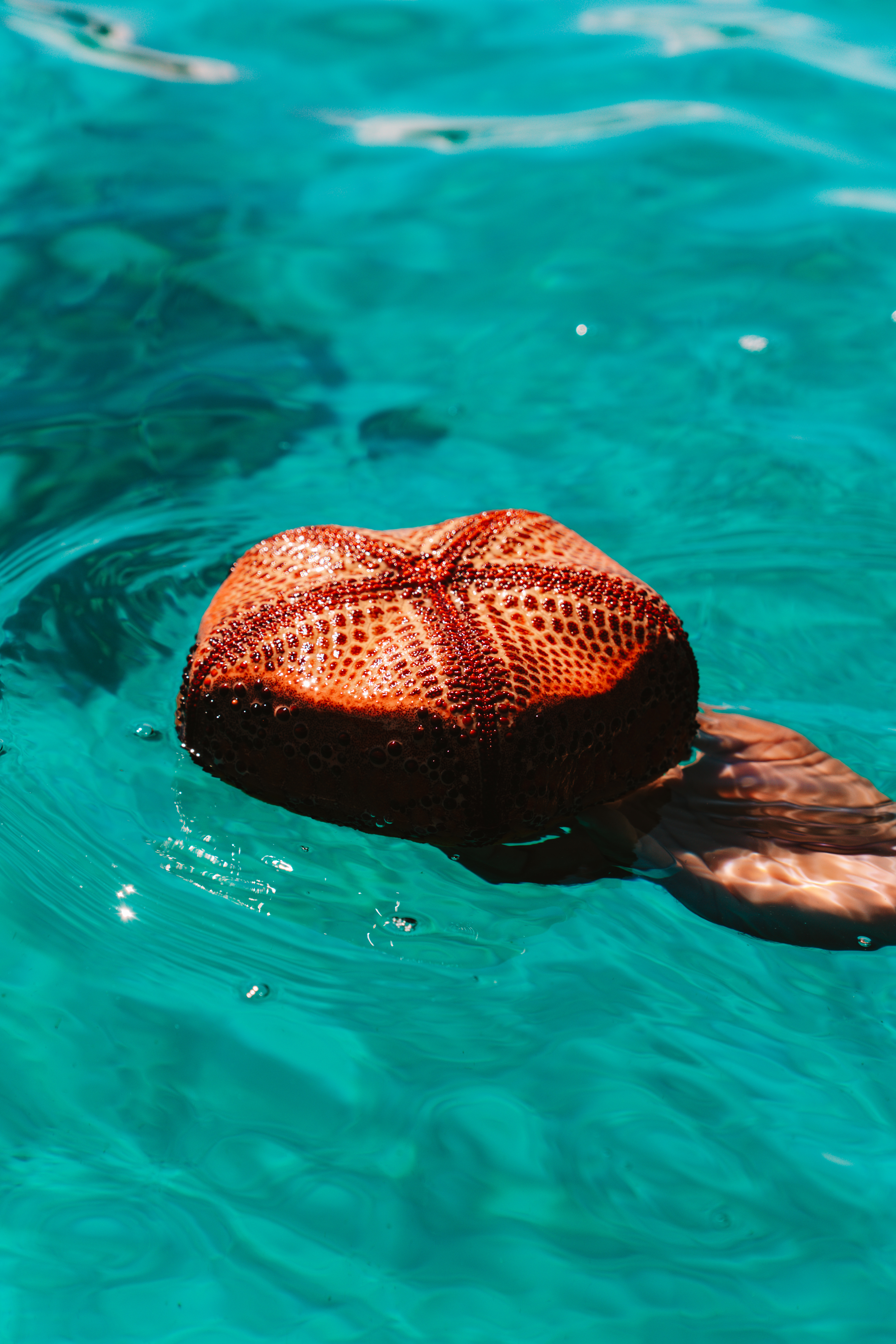
Nosy Komba
Nosy Komba lies between Nosy Be and the north-western coast of Madagascar. It is a mountainous volcanic island, also called Nosy Ambariovato, "island surrounded by rocks", and known as the "island of lemurs".
The most characteristic animal is the black lemur (Eulemur macaco), locally called maki. Its connection to the island is also cultural: according to the local tourist office, in some communities it is considered sacred and protected by fady, a traditional rule or prohibition that discourages hunting and disturbing animals. It is a significant example of how local beliefs and practices can contribute to coexistence with wildlife.
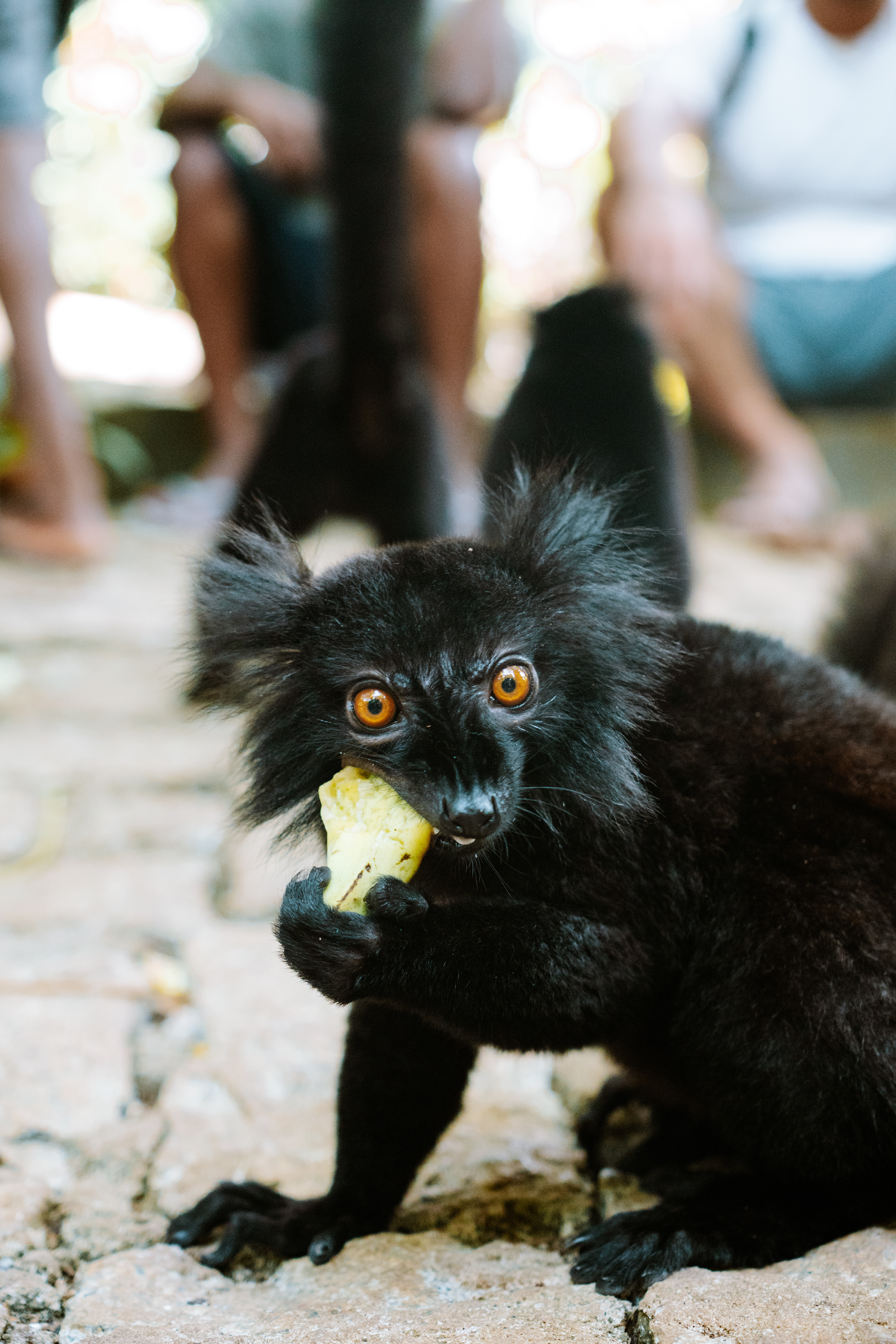
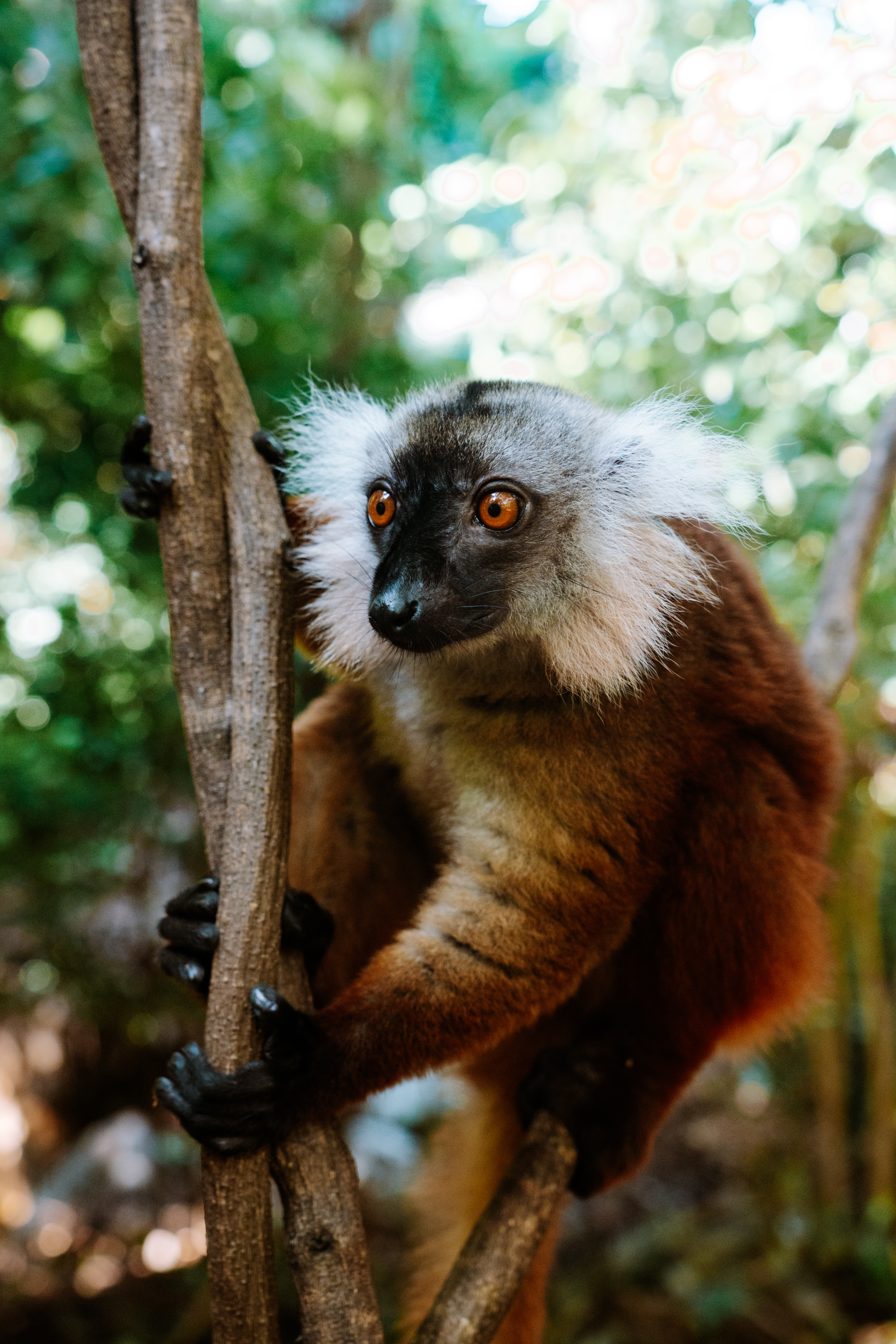
Stiriosity –– how to tell the sex of lemurs
In the black lemur, the males have black fur, while the females are brown-reddish. This difference in colour between the sexes is called sexual dichromatism.Nosy Komba is inhabited: villages such as Ampangorina and Anjiabe are an integral part of the island experience. Along the paths you pass cultivated landscapes, vanilla plantations and glimpses of forest; the visits may include encounters with residents and moments devoted to local crafts and cooking.
Nosy Komba is inhabited: villages such as Ampangorina and Anjiabe are an integral part of the island experience. Along the paths you meet cultivated landscapes, vanilla plantations and glimpses of forest; visits can include meetings with residents and time devoted to local crafts and cooking.
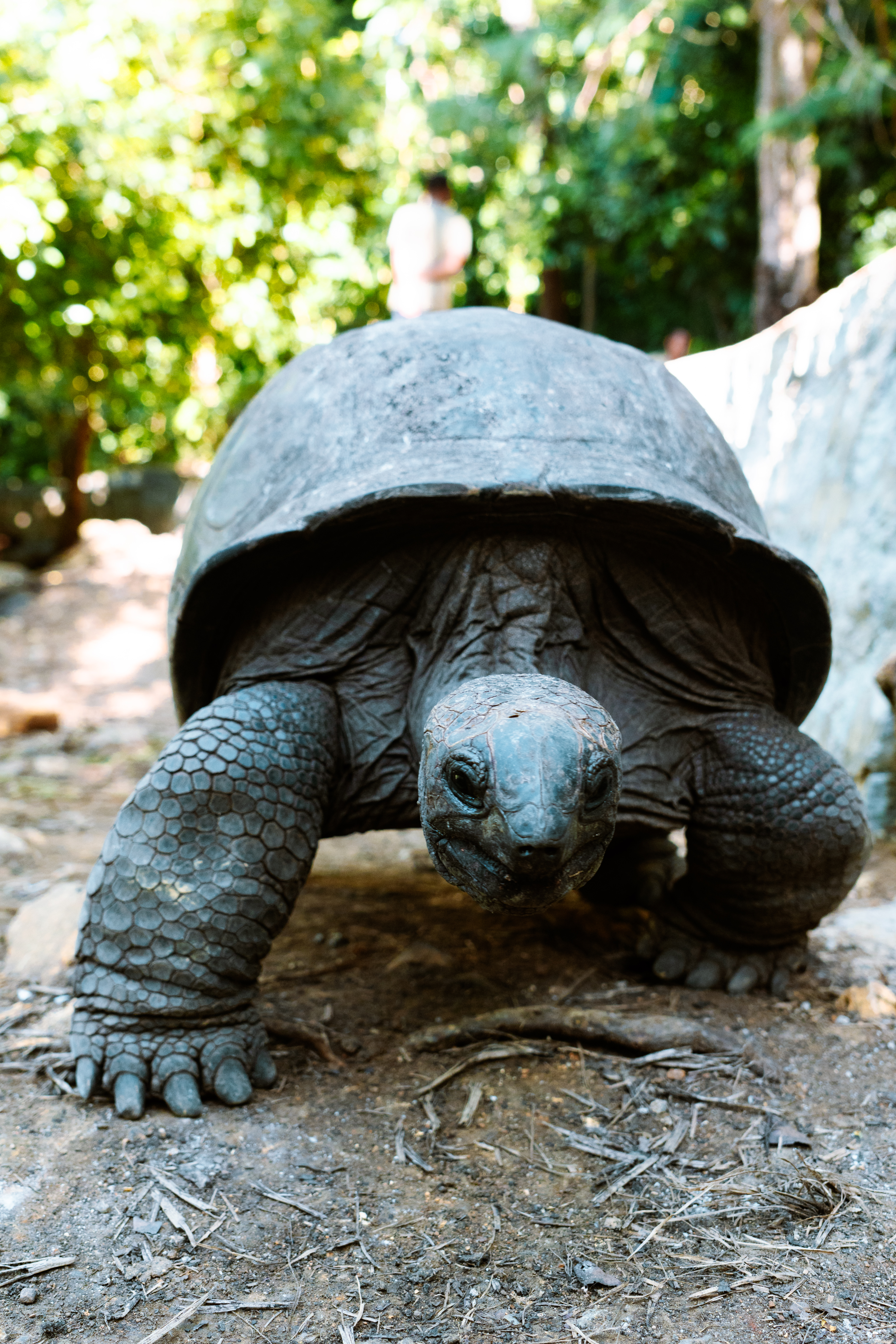
Besides lemurs, the park is home to chameleons, other reptiles and tortoises, some of them very large. On some guided visits you can see a Malagasy boa up close; whether you can hold it depends on the guide and the animal's condition.
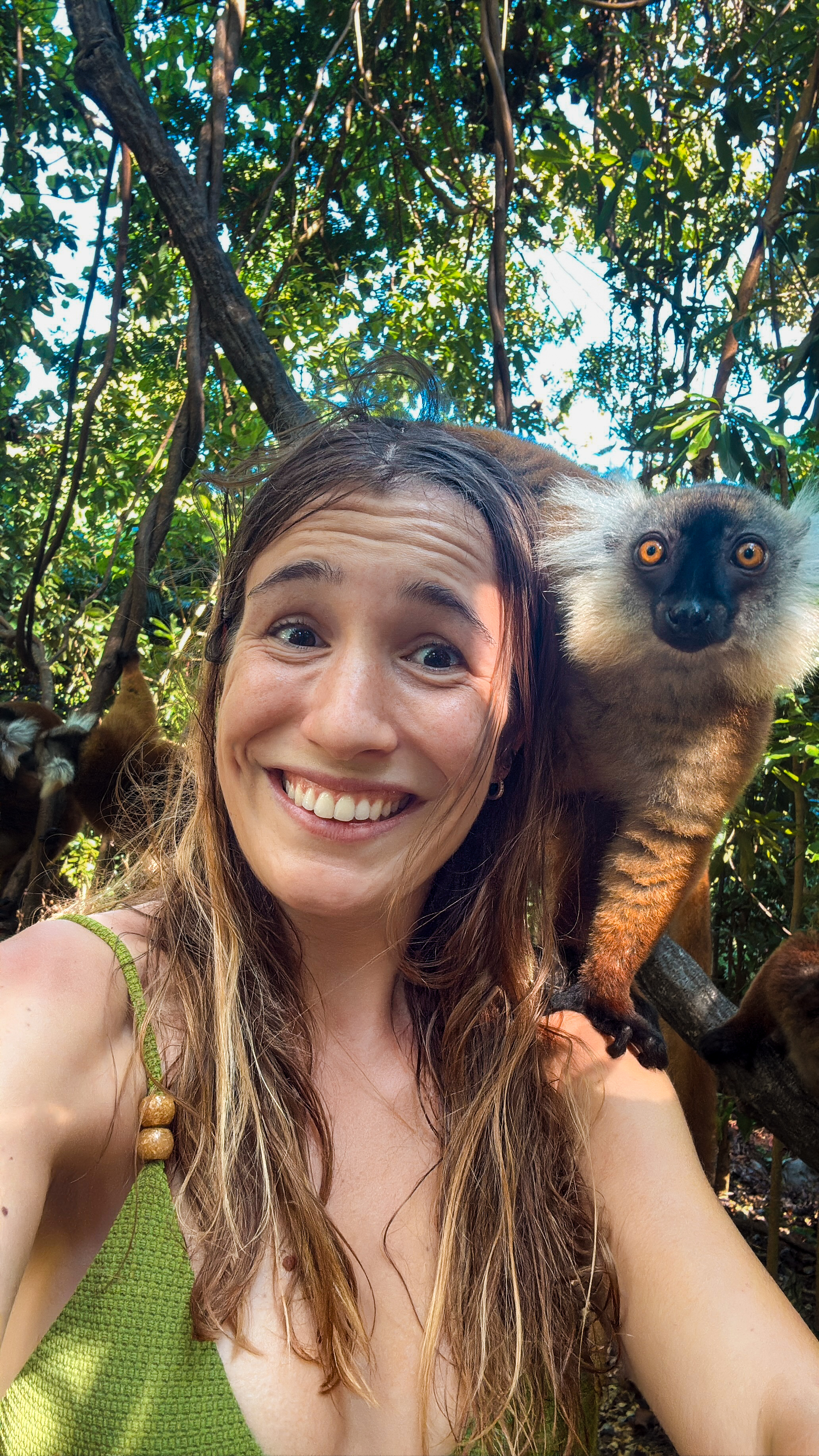
As you walk, remember to look up too: the lemurs leap between the branches above the paths, and you may get a surprise… even a wee on your head! It happened to me!!
Second day: Nosy Sakatia by dugout canoe and a sunset aperitif
Nosy Sakatia
Nosy Sakatia lies west of Nosy Be, from which it can be reached by boat in about ten minutes. It is an island of around 600 hectares with three villages: Ampasindava, Ampasimena and Antanabe. Its fame as the "island of orchids" comes from the paths through tropical vegetation, orchids and plantations of vanilla and coffee. We reached it by piroga, a typical Malagasy boat, and it was fantastic!
Watch this Reel about this excursion!
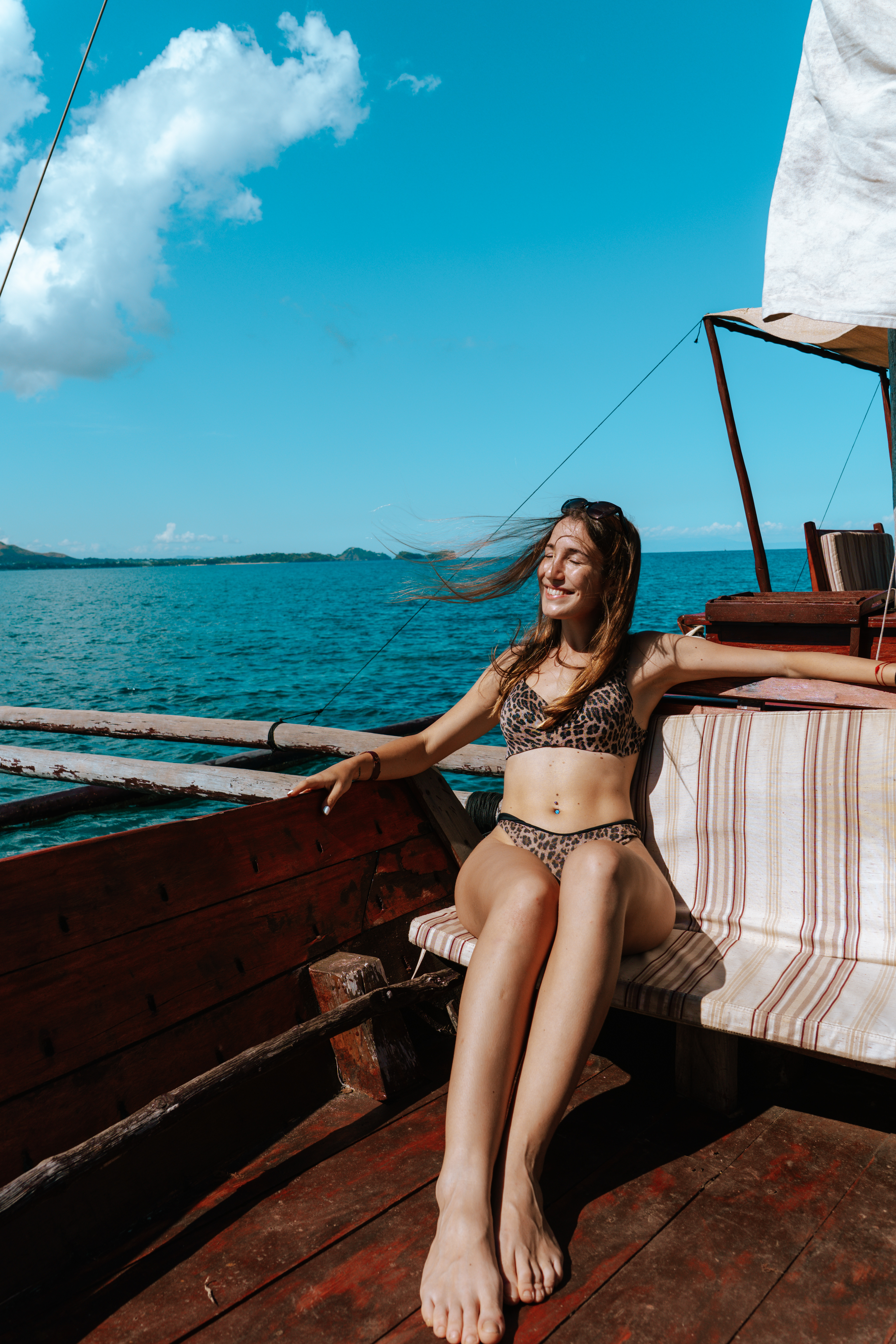
The shallow waters of Nosy Sakatia are frequented by green turtles, which feed in the seagrass meadows. With a mask and snorkel you can swim in the same area and watch them moving across the seabed: a special encounter, to be enjoyed while keeping your distance and without touching or chasing them.
The legend of Nosy Sakatia
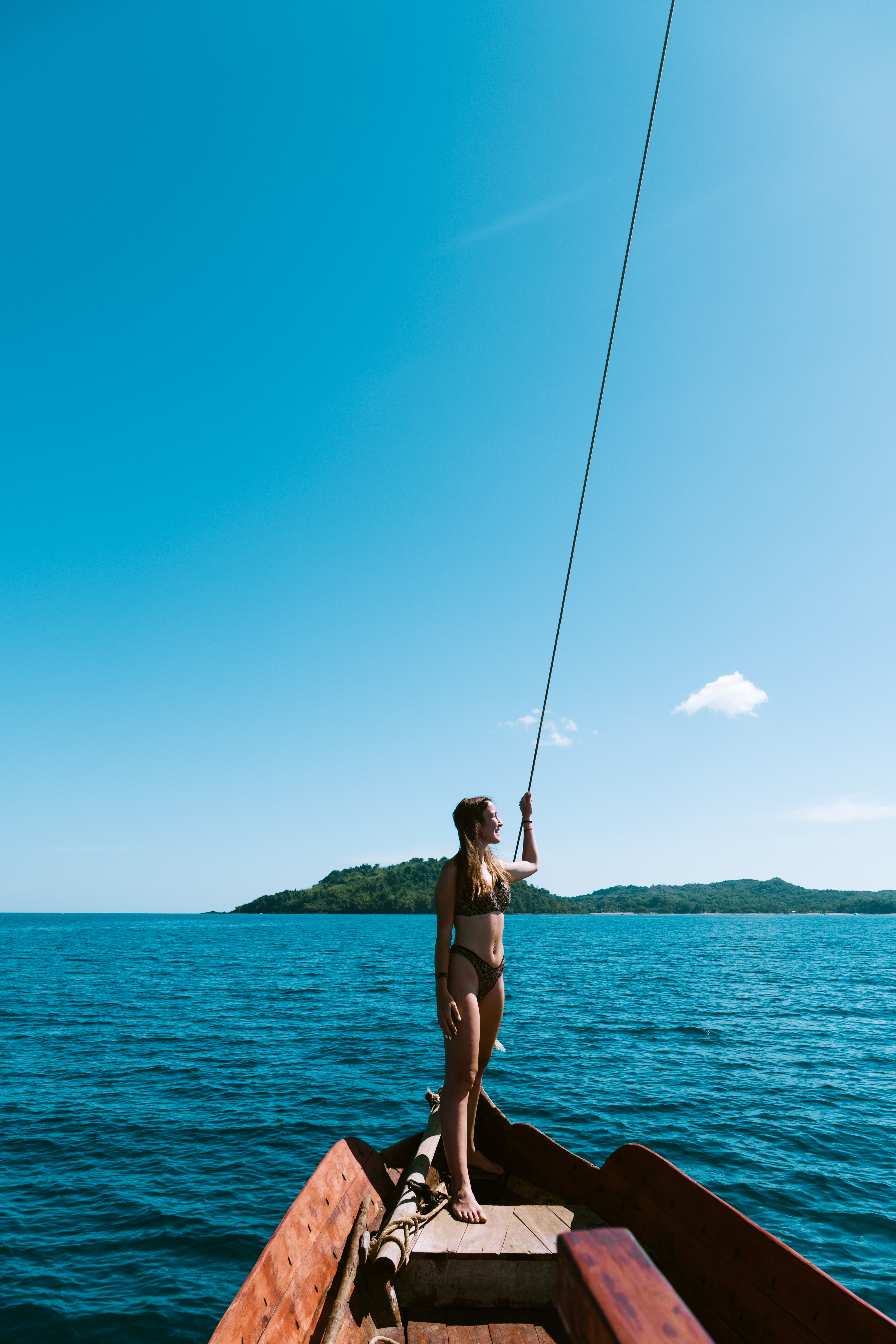
It is said that, a long time ago, a man lived and worked on Nosy Be, while the woman he had fallen in love with lived on the nearby island of Sakatia. Between them lay the sea: a short stretch of water, but enough to make it hard to meet whenever they wished.
One day the man looked across the channel, towards the island where his beloved lived, and thought of the distance that kept them apart. According to the legend, it was then that he spoke the name Sakatia. The story links it to the Malagasy words sakana, meaning “obstacle” or “impediment”, and tia, meaning “to love”: Nosy Sakatia would thus be “the island that stands in the way of love”.
The story doesn't say whether the two ever managed to meet, or how their love ended. It does, however, leave room to imagine them on the two shores: him in Nosy Be, gazing towards Sakatia; her, perhaps sitting on a hill on the island, looking at the sea and wondering when she would see him again.
There is also another story about the island: some hungry boatmen are said to have landed there and found enough food to survive. For this reason they would have called it Nosy Mamiloma, "the island that helps". The origin of the name Sakatia is uncertain: these are legends handed down locally, two different ways of telling the bond with this island.
Sunset aperitif
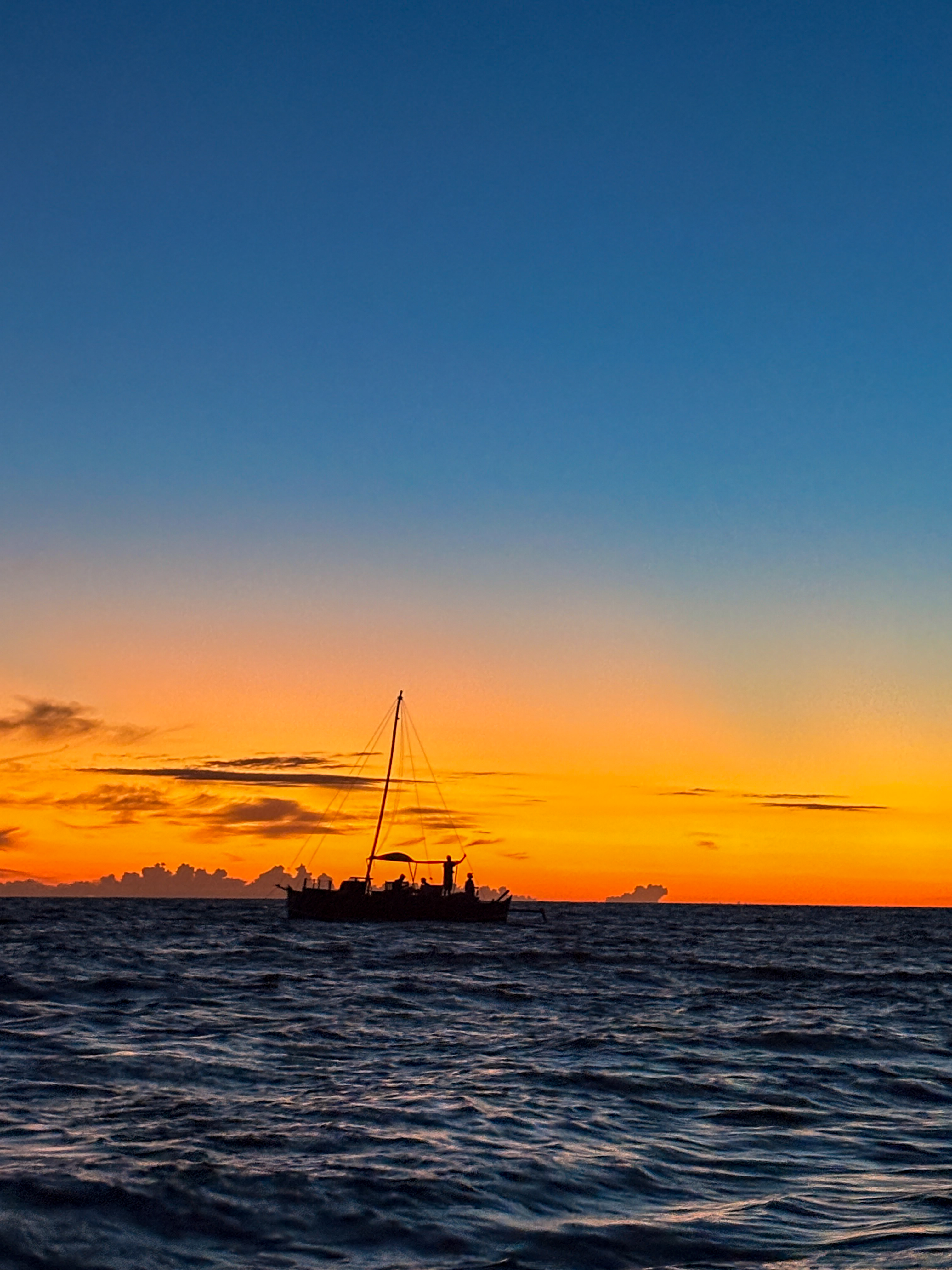
Before heading back, we enjoyed a sunset aperitif on board the piroga, eating and toasting with the crew. The lads are really fantastic, we got on brilliantly with them on every excursion!
Day three: Nosy Antsoha
Nosy Antsoha is a small islet south-west of Nosy Be, known above all for its lemurs. The classic excursion often pairs it with Nosy Iranja: you spend the day in the village, on the beach and at the famous sandbar, and in the afternoon you stop at Antsoha on the way back.
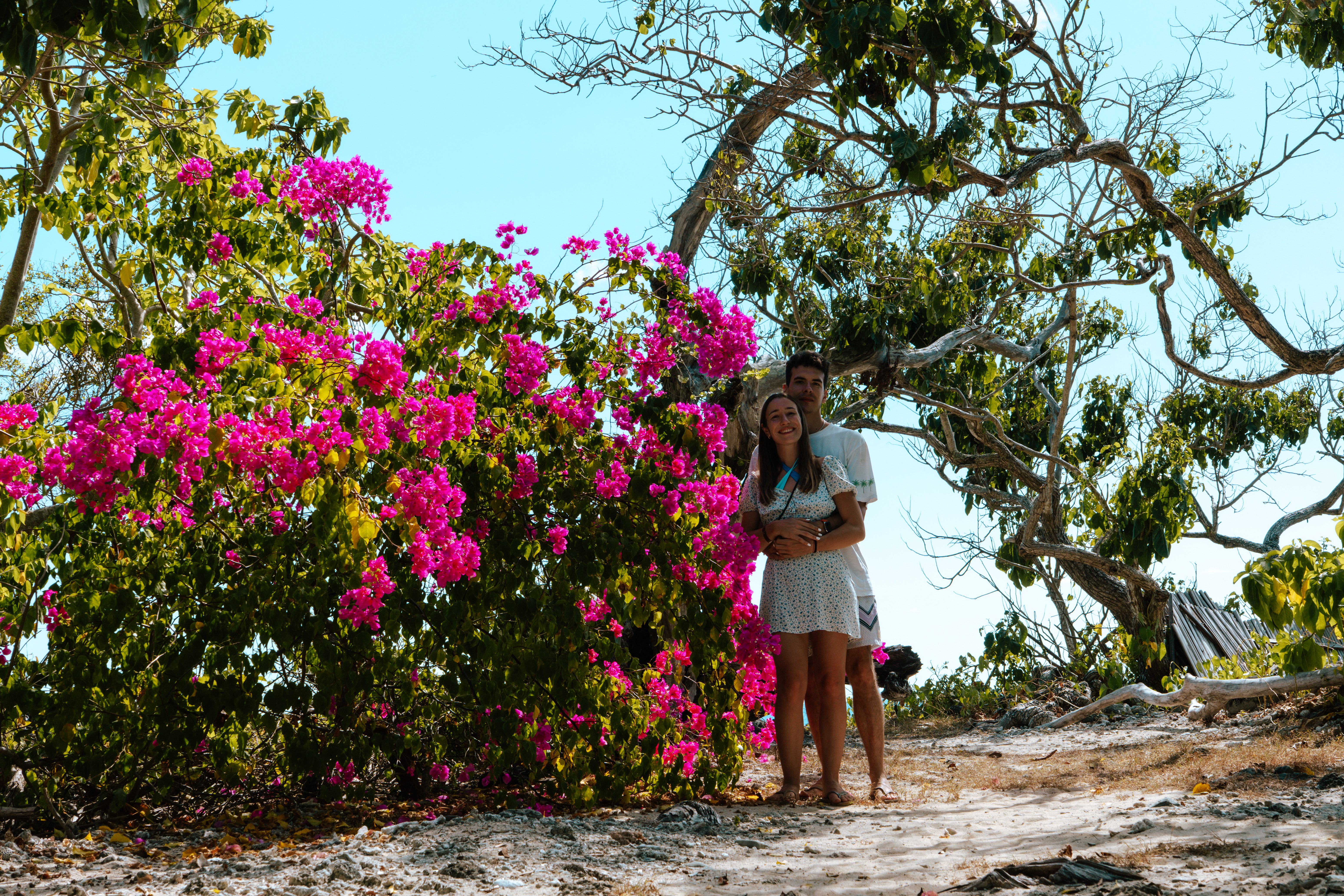
We already had a two-day excursion planned to Nosy Iranja, so at Nosy Antsoha we spent only half a day.
Here we saw several species of lemur; with respect you can get close and offer them food, but always listen to the guide's instructions.
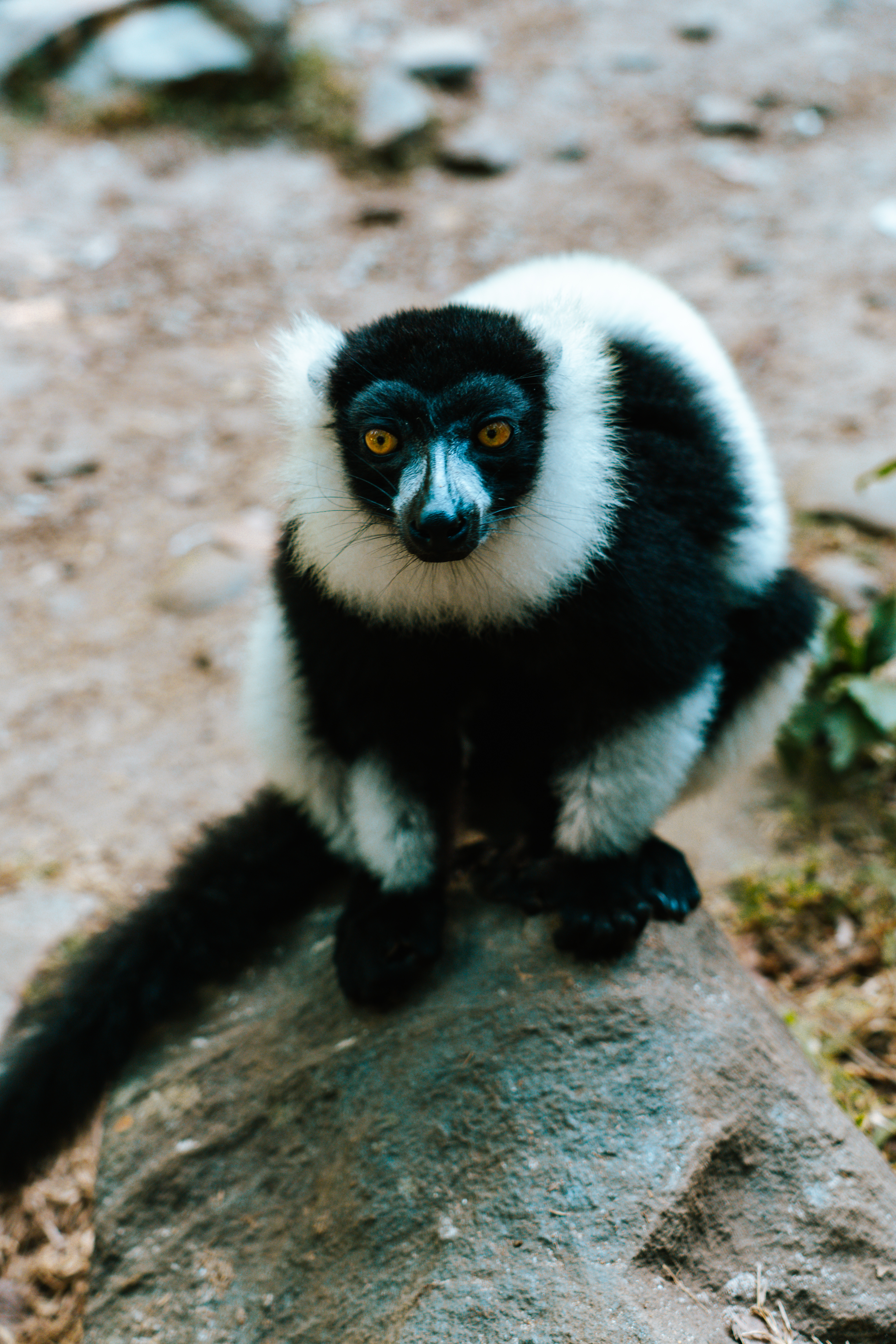
The indri (Indri indri)
The indri is the largest living lemur. Its black-and-white coat and tiny tail make it very recognisable; it moves through the trees with powerful leaps and makes itself heard with long, intense calls, which serve to communicate with other groups. It feeds mainly on leaves, but also eats flowers and fruit. The indri naturally lives in the humid forests of eastern Madagascar.
The sifaka
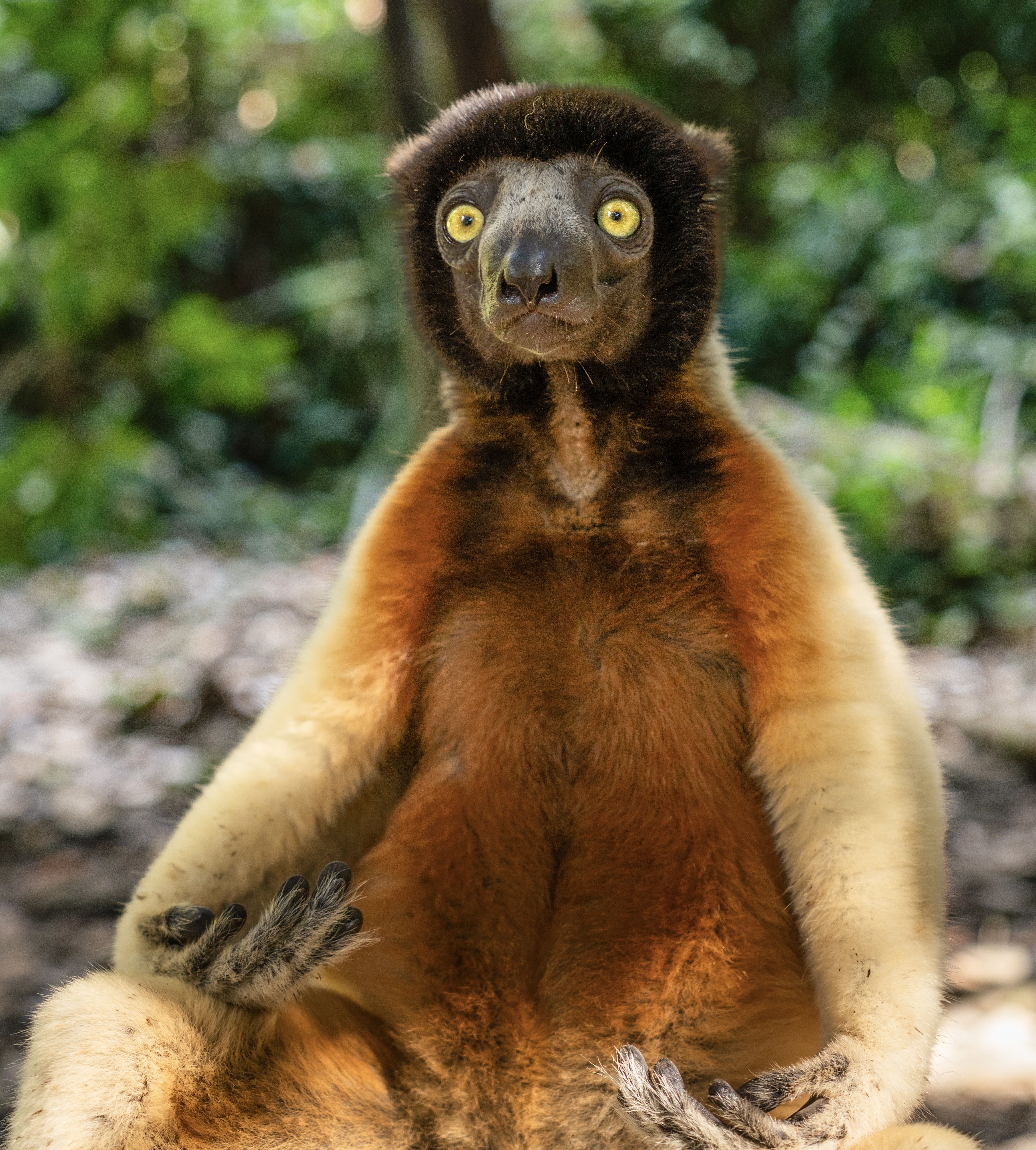
“Sifaka” is the common name of several lemur species, famous for the way they leap between trees: they keep their bodies upright and launch themselves with their long hind legs. On the ground they move with sideways hops on two legs, almost dancing. In the north-west of Madagascar lives, for example, Coquerel's sifaka (Propithecus coquereli), with a pale coat and reddish-brown patches on the limbs.
The brown lemur (Eulemur fulvus)
The correct name is Eulemur fulvus. It has a brown or greyish-brown coat, a dark muzzle and orange-reddish eyes; males and females have similar colouring. It lives in groups and eats mainly fruit, young leaves and flowers, adapting its diet to what the forest offers in different seasons.
Day 4: a tour of the island of Nosy Be
The fourth day is devoted to the island of Nosy Be and its traditions. It is a more varied day, with stops at places of cultural interest and viewpoints.
The sacred tree
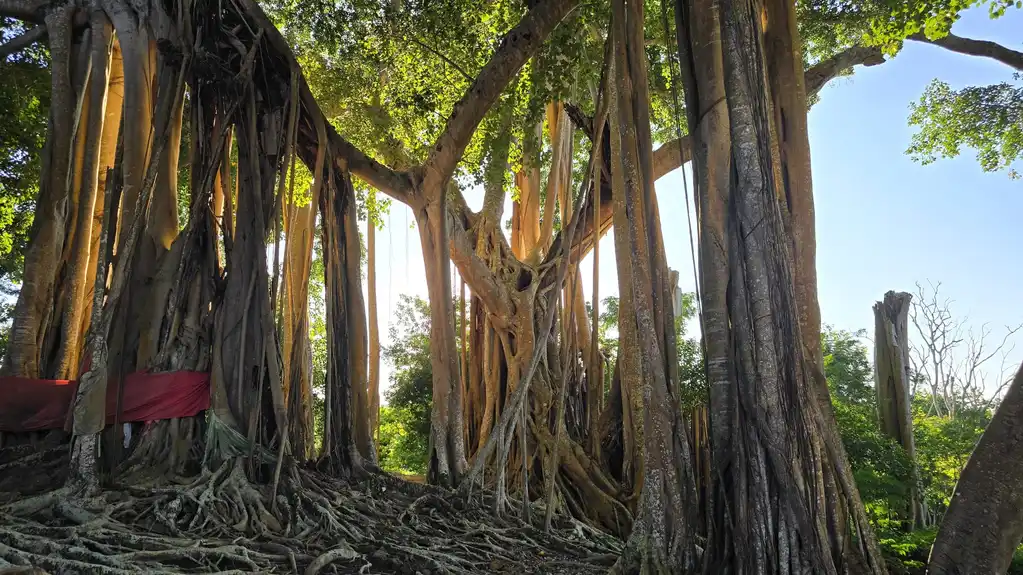
At Mahatsinjo, not far from Hell-Ville, grows an enormous fig tree with aerial roots that spread out to form a kind of small forest. For the Sakalava tradition it is a sacred space, linked to prayer and to remembering the ancestors, the Razana. On the branches and roots you can see red and white cloths, the colours of Sakalava royalty, and offerings such as honey, rum and coins, left to ask for a blessing or to give thanks for a wish granted.
According to a story passed down locally, the tree's history is linked to Queen Tsiomeko and the arrival of Indian merchants at Nosy Be. Before entering you must remove your shoes as a sign of respect.
The sacred waterfall
Hidden among the vegetation of Nosy Be is a small waterfall with a natural pool. It is a cool, quiet corner, but also a place of prayer for the Sakalava community, who gather here in remembrance of the ancestors. Nearby you can find offerings of flowers and fruit: details that show how much the waterfall is a living part of the island's traditions.
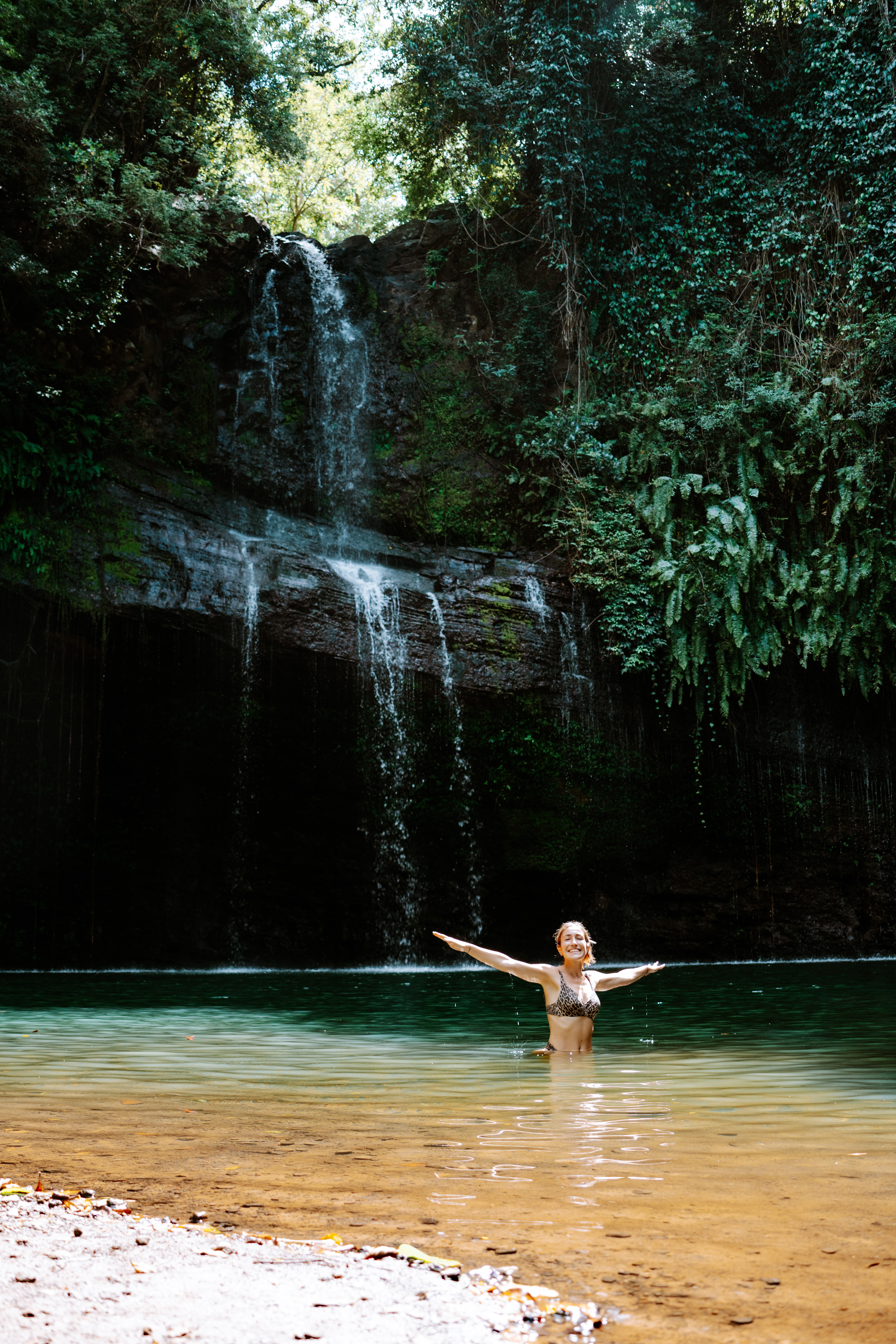
Many sacred places in Madagascar are linked to fady, that is traditional customs or prohibitions that can vary from one community to another. In this case, according to some local customs, women who are menstruating are forbidden to enter the water or access the sacred area, because the cycle is associated with ritual impurity.
Mont Passot at sunset
Mont Passot is one of the best-known viewpoints in Nosy Be. The drive up makes the stop accessible, but to enjoy the sunset it's best to arrive early: you can take in the landscape in the late-afternoon light and choose a spot from which to watch the sun go down.
Bring a light jacket or something to cover up, because it gets a bit chilly once the sun goes down
Day 5: relaxing at the Emeraude Lodge
After days of boats and transfers, a break at the Emeraude Lodge gives you space to rest. If you want to add another activity, just arrange it with Mada in Travel; they organise a huge number of them! We preferred to take a free day to rest and for any unexpected events.

Day 6: Nosy Iranja
Nosy Iranja is famous for being one of the most beautiful islands in Madagascar. It consists of two islets, Iranja Be and Iranja Kely, joined at low tide by a long tongue of white sand. As the water rises, the passage is submerged and the two strips of land separate again: it is this changing landscape, surrounded by turquoise sea, that makes it so special. Its beaches are also visited by sea turtles, which nest here.
Discover the secret of Nosy Iranja!
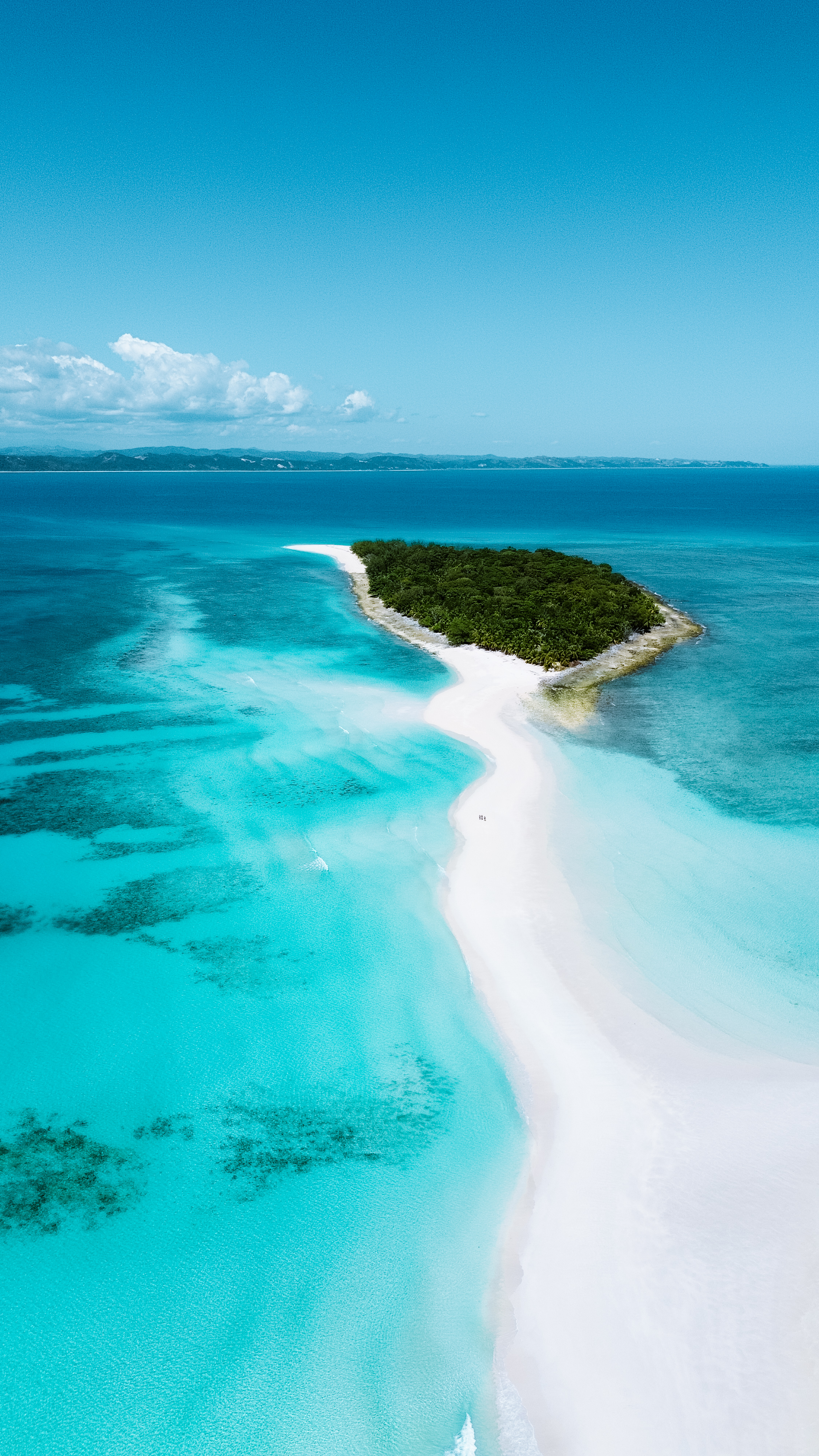
We set off in the morning for a two-day excursion booked with GetYourGuide; it is an all-inclusive tour that also covers meals and overnight stays. We slept in a very nice bungalow on the beach and the meals were very good too.
Watch this Reel about this excursion!
Book the excursion here! A reminder that with my code STIRATIINTRIP5 you get 5% off GetYourGuide excursions
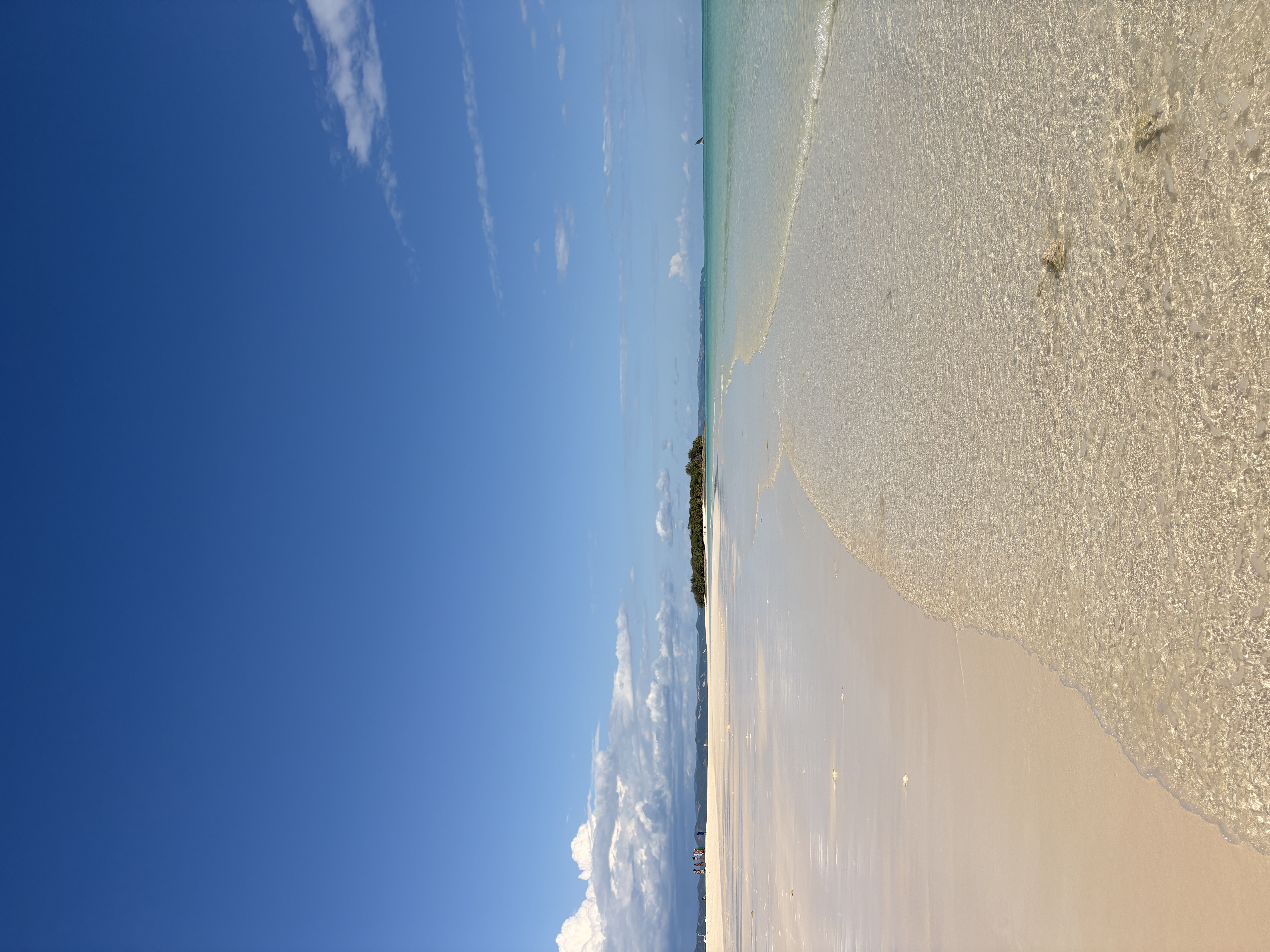
Once we arrived on the island, we went straight into the sea to snorkel with the turtles. After our swim we enjoyed some relaxation on the beach, then lunch and a few more hours without hurry, lulled by the beauty of the place.
The day ended with a sunset aperitif: the sky was turning colours as the sun sank into the sea, one of those moments you wish you could hold on to a little longer. After dinner we went to bed, ready to wake early the next morning.
A Little Reflection: why don't we get bored any more?
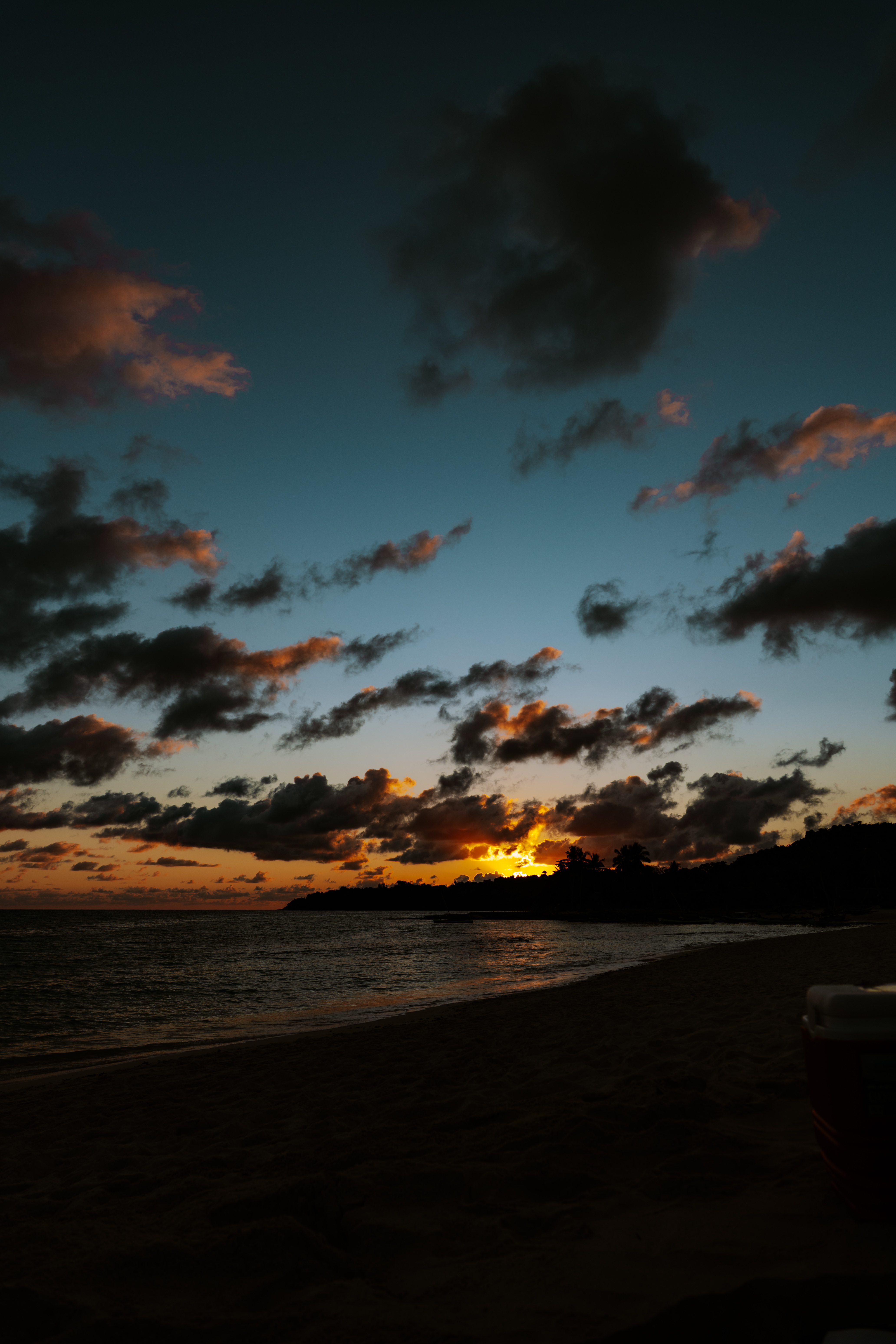
It's been so long since it happened, but over these two days at Nosy Iranja I almost got bored. At first I felt uneasy: we're so used to filling every moment, looking for something to do or checking our phones, that finding ourselves without plans feels almost strange. And there the internet barely worked. All that was left was to enjoy what was around us, or do nothing.
Then I realised that perhaps this was exactly the beauty of it. When you stop constantly looking for something to distract you, boredom makes room for thoughts, curiosity and the urge to come up with something. It teaches you to observe more closely and to appreciate what you have, even when it seems nothing is happening.
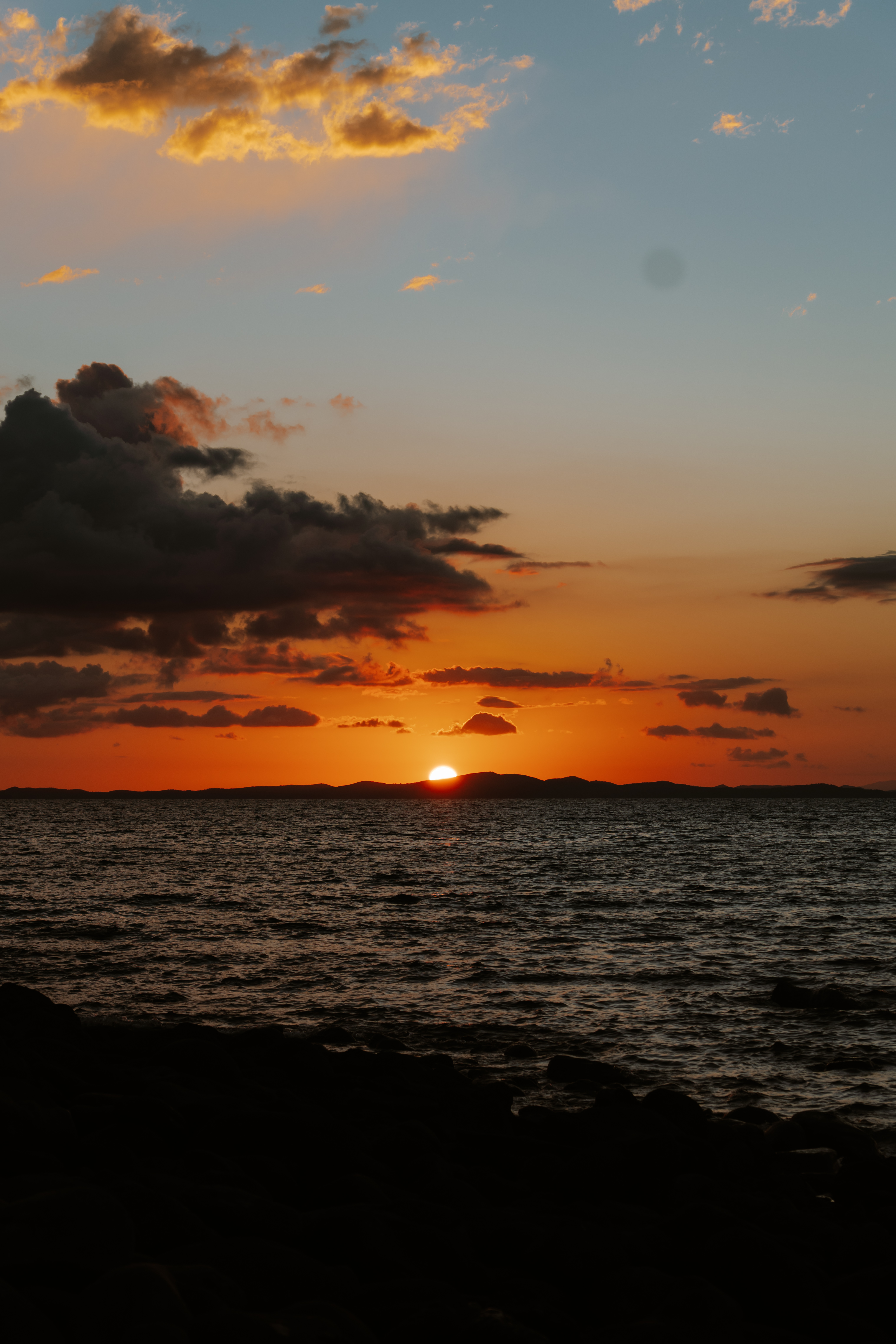
I was thinking about this while watching the sunset too. For me the most beautiful moment is not when the sun disappears below the horizon, but the fifteen or twenty minutes that follow, when the sky slowly fills with its colours. But you have to wait. Sometimes beauty arrives just when you have the patience to stay a little longer.
Day 7: Nosy Iranja
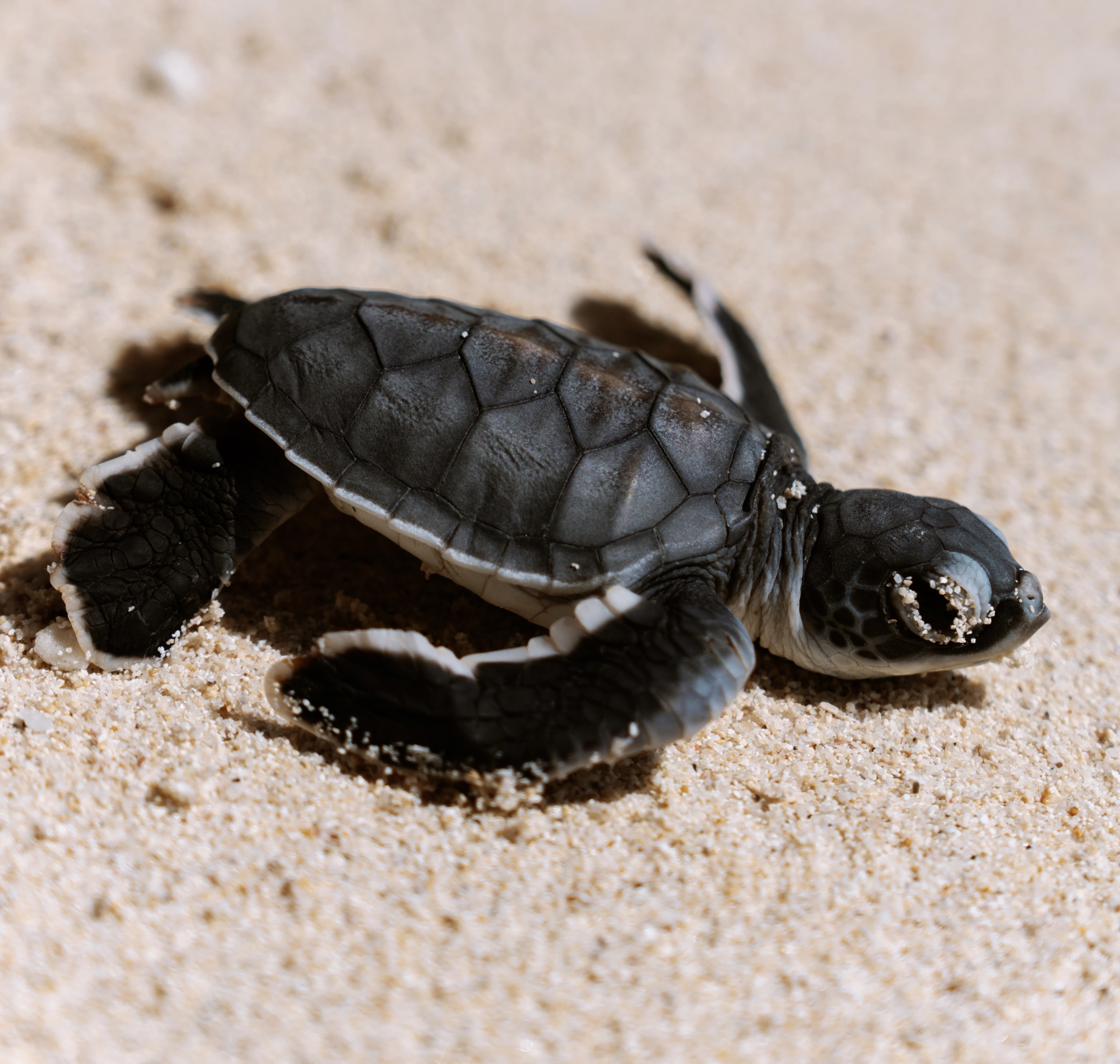
The next day we admired the sunrise and then watched the baby turtles hatch. It was moving to see the little ones heading for the sea, but the experience also left me with a question: how far is it right to turn such a delicate moment into a tourist attraction?
When is it truly respectful to watch the hatching?
Sea turtles lay their eggs in nests on the beach; the hatching does not happen on a single occasion each year, but depends on the nests and environmental conditions. Seeing the hatchlings can be compatible with their protection if the activity is run by experienced people, with clear rules and without handling or disturbing them. The risk is that a show arranged for visitors encourages harmful practices, for example moving the nests or keeping the hatchlings in containers to display them to the public. Tourism can support conservation, but only when it puts the animals first and follows the guidance of those who care for them locally.
Nosy Be and its islands gave us days full of sea, nature and encounters, but also slow moments to savour without hurry. Among curious lemurs, turtles, pale beaches and sunsets that seemed never to end, we discovered that sometimes it is enough to stop and look around to feel far away from everything.
We set off with our skin still salty and plenty of memories to take with us. And with the wish, one day, to return and lose ourselves among these islands.
Don't miss the first part of our journey through Madagascar, where you'll discover plenty of stiriosity about the most authentic places and their traditions: find the Northern Madagascar itinerary here
Travel creator from Bologna. I don't iron, but I am ironed: I tell stories of fantastic trips, write free itineraries and always look for the low-cost solution 💸
Keep travelling
10-day North Madagascar itinerary
Morocco off the beaten track: Essaouira and Ifrane, between ocean and cedars
Bologna in 2 days: what to see, what to eat and where to stay
10-day North Madagascar itinerary
Morocco off the beaten track: Essaouira and Ifrane, between ocean and cedars
Bologna in 2 days: what to see, what to eat and where to stay
Comments from the Stirati
No comments yet. Start the conversation.