
Two-week Japan itinerary
Start here
Hello Stirati! Japan is a journey of contrasts: temples immersed in silence, neighbourhoods that light up with neon, very fast trains and small venues where you can stop to try something new. In this guide I take you along an itinerary of around 18 days, allowing for 3 days dedicated to travel and one day in Hakone which, looking back, I would have cut. You will find the stops day by day, practical advice and ideas for organising your journeys without overfilling your days.
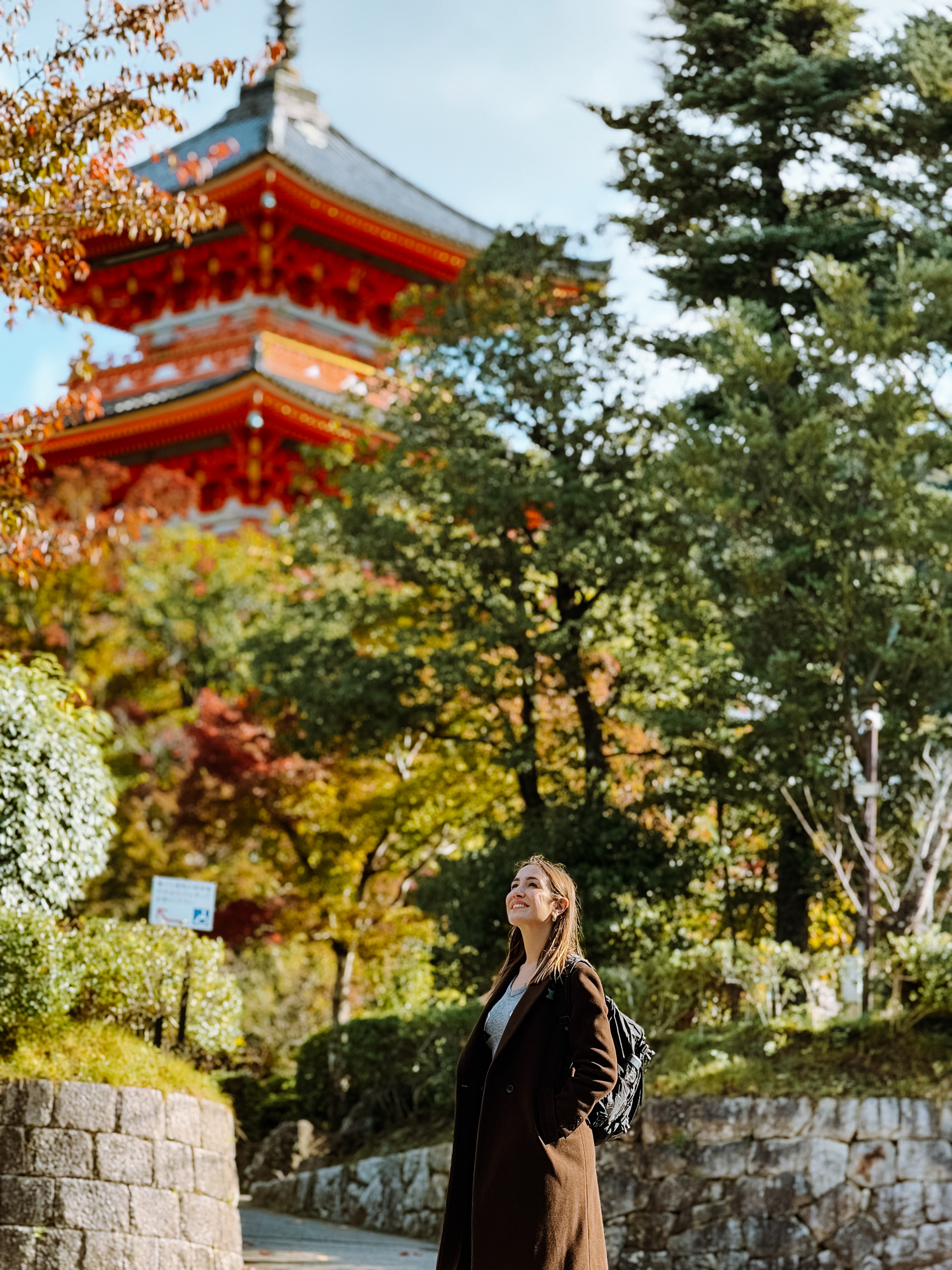
Itinerary in brief
3 full days in Kyoto, among markets, shrines, historic neighbourhoods and Arashiyama.
1 full day in Hiroshima, with Peace Park and the Peace Memorial Museum.
5 full days in Osaka, with one day in Nara and one at Universal Studios Japan.
1 day in Hakone, with hot springs, Lake Ashi and views of Mount Fuji.
7 full days in Tokyo, covering Shinjuku, Harajuku, Shibuya, Akihabara, Nikko, Asakusa and Odaiba.
Before you leave
 Currency: Japanese yen (JPY)
 Documents and entry: if you are travelling on an Italian passport for tourism, you can stay in Japan for up to 90 days without a visa. Your passport must be valid for the entire length of your stay. Before you leave, check for any updates to the entry requirements on the website of the Embassy of Japan in Italy. Watch the Reel on the things to know before coming to Japan.
 You must complete the Visit Japan Web online as well before arriving
 How to pay: physical card (I always use Revolut) and cash (it is useful to have both)
 How to get around: the metro and urban trains are the most practical way to explore the city. In this Reel I explain how to use them and organise your journeys.
 Suica and PASMO: these are rechargeable cards that let you pay easily for metro, trains and compatible buses, simply by touching them to the reader at the ticket gates. You can also use them for small purchases in participating shops. Digital versions are also available for use directly with your smartphone. Find out more here
 Internet: to stay connected during your trip, you can use an eSIM. I recommend Holafly: with the code STIRATIINTRIP you get 5% off, or you can buy your eSIM directly from this link with the discount already applied
 Travel insurance: before setting off, consider a policy that covers your travel needs. With Heymondo you can get 10% off through my link.
 Best time: spring and autumn are two highly valued seasons for visiting Tokyo. I was there in November, during the autumn foliage, when the autumnal colours make the city especially atmospheric.
StiraTip — Not sure where to leave your luggage?
Japanese railway stations often have automatic lockers where you can leave your luggage for a few hours or the whole day. You pay with coins or an IC card such as Suica or Pasmo. They are inexpensive and very convenient for avoiding dragging your bags around all day.
Watch the Reel on how to
 Getting to central Tokyo from the airport:
From Narita (NRT):
Narita Express (N’EX): the JR express train connects the airport to major stations such as Tokyo, Shibuya and Shinjuku. The journey takes about an hour to Tokyo Station and about an hour and a half to Shinjuku.
Keisei Skyliner: a fast option for reaching Ueno in about 45 minutes, passing through Nippori, where you can change trains to continue to other parts of the city.
Airport buses: connect Narita to various stations, hotels and tourist areas. They can be handy if you are travelling with large luggage, but journey times also depend on traffic.
From Haneda (HND):
Keikyu Line: connects the airport to Shinagawa Station, from where you can continue to various areas of Tokyo.
Tokyo Monorail: reaches Hamamatsucho Station, where you can change and take the JR Yamanote Line to other parts of the city.
Airport buses: connect Haneda to various stations and hotel areas.
This is a rail pass designed for foreign tourists, allowing travel on numerous JR Group lines throughout Japan. It is available for 7, 14 or 21 consecutive days. Be aware, though: it isn't always worth it! Before buying it, compare the cost of the pass with that of single tickets based on your itinerary. Find out more here
Day 1: transfer from Tokyo airport to Kyoto
From the airport follow the signs (they are also written in English, but Google Maps is very accurate) to reach Kyoto. From Tokyo or Shinagawa take the Shinkansen to Kyoto. The journey takes about 2 hours 15 minutes, depending on the train chosen. If you have a large suitcase, check the rules on oversize luggage and book the appropriate seat when required. I invite you to watch this Reel – if you haven't already – where I explain exactly how the metro and trains work. A one-way ticket costs approximately ¥13,320 without a reserved seat or around ¥14,000–¥14,500 with a reserved seat, depending on the train and fare.
Where to stay: Miro Kyoto Nijo Hotel
 Area: Nakagyō-ku district, in the Nijō area
You have the station nearby and can easily reach the main attractions by public transport.
Price: around €85.50 per night
Booking: Booking.com
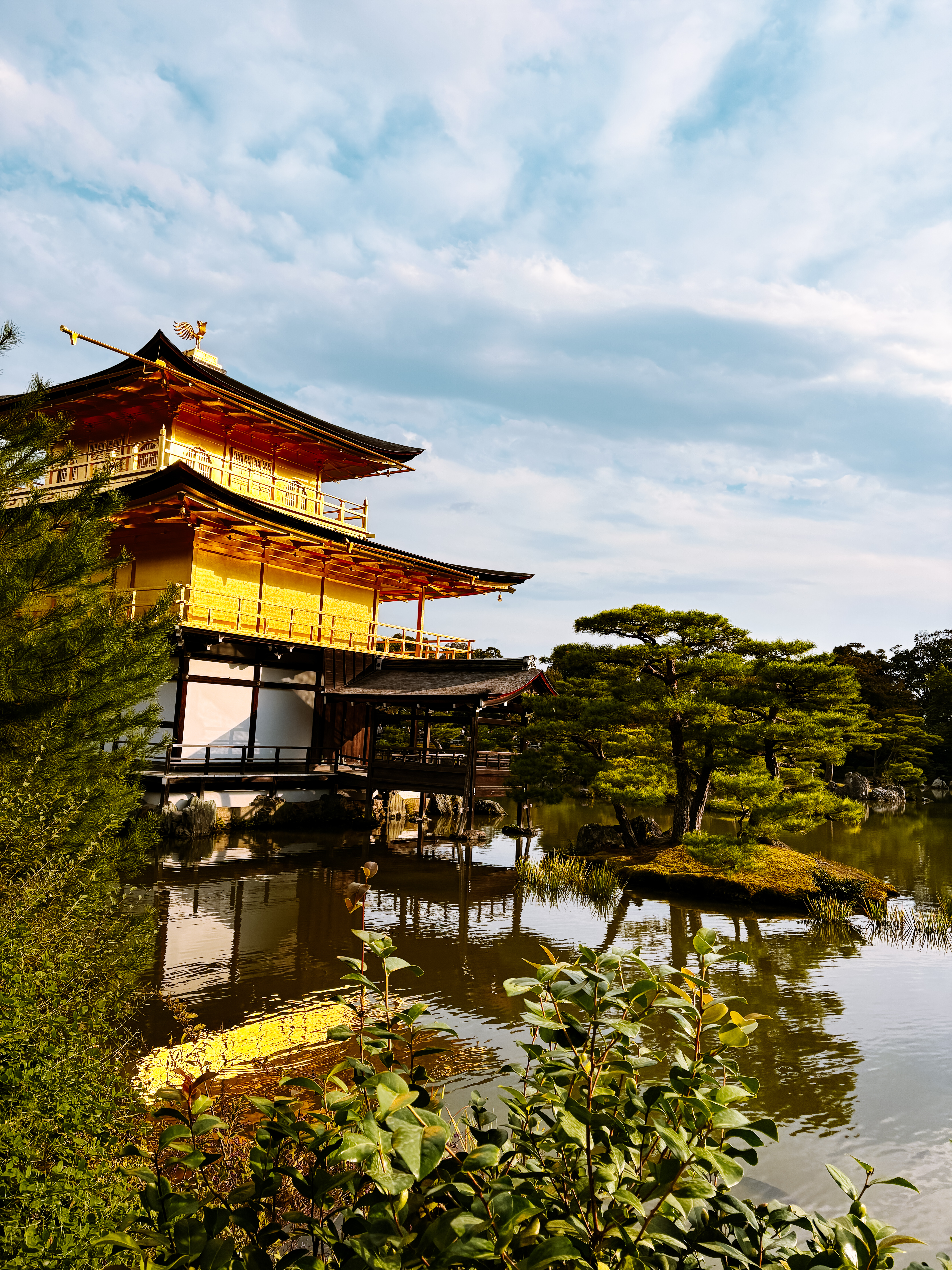
Day 2: Kyoto

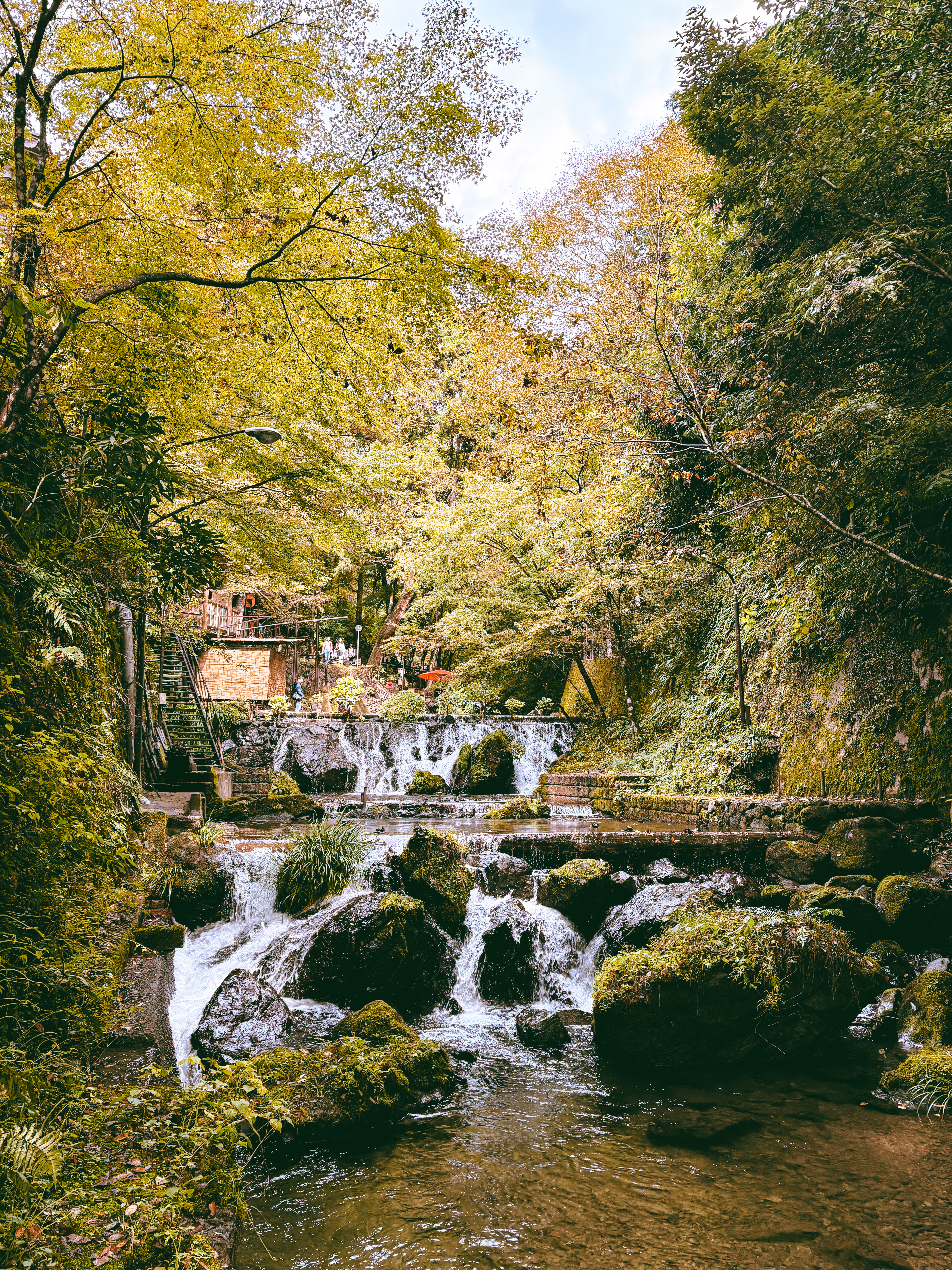
Day trip to Kibune
North of Kyoto, amid mountains and woodland, Kibune is a perfect destination if you want to step away from the city's rhythm for a few hours. Here you can stroll up to Kifune Shrine, recognisable by its staircase framed with red lanterns, and enjoy a landscape that changes with the seasons. In summer, some traditional restaurants set up platforms above the river: a special chance to have lunch immersed in nature.
How to get there: reach the station most convenient for you and take the Keihan line to the terminus at Demachiyanagi. There, change to the Eizan Railway and get off at Kibuneguchi. From the station take the local bus to Kifune or continue on foot, about 30 minutes uphill.
Allow roughly an hour and a half or more, depending on the connections and your starting point from the hotel. Check the bus timetable before you set off: services can be limited and vary according to the season.
Where to eat: Kifune Nakayoshi, a traditional restaurant that is really good. Watch the Reel!
Kinkaku-ji: the famous Golden Pavilion
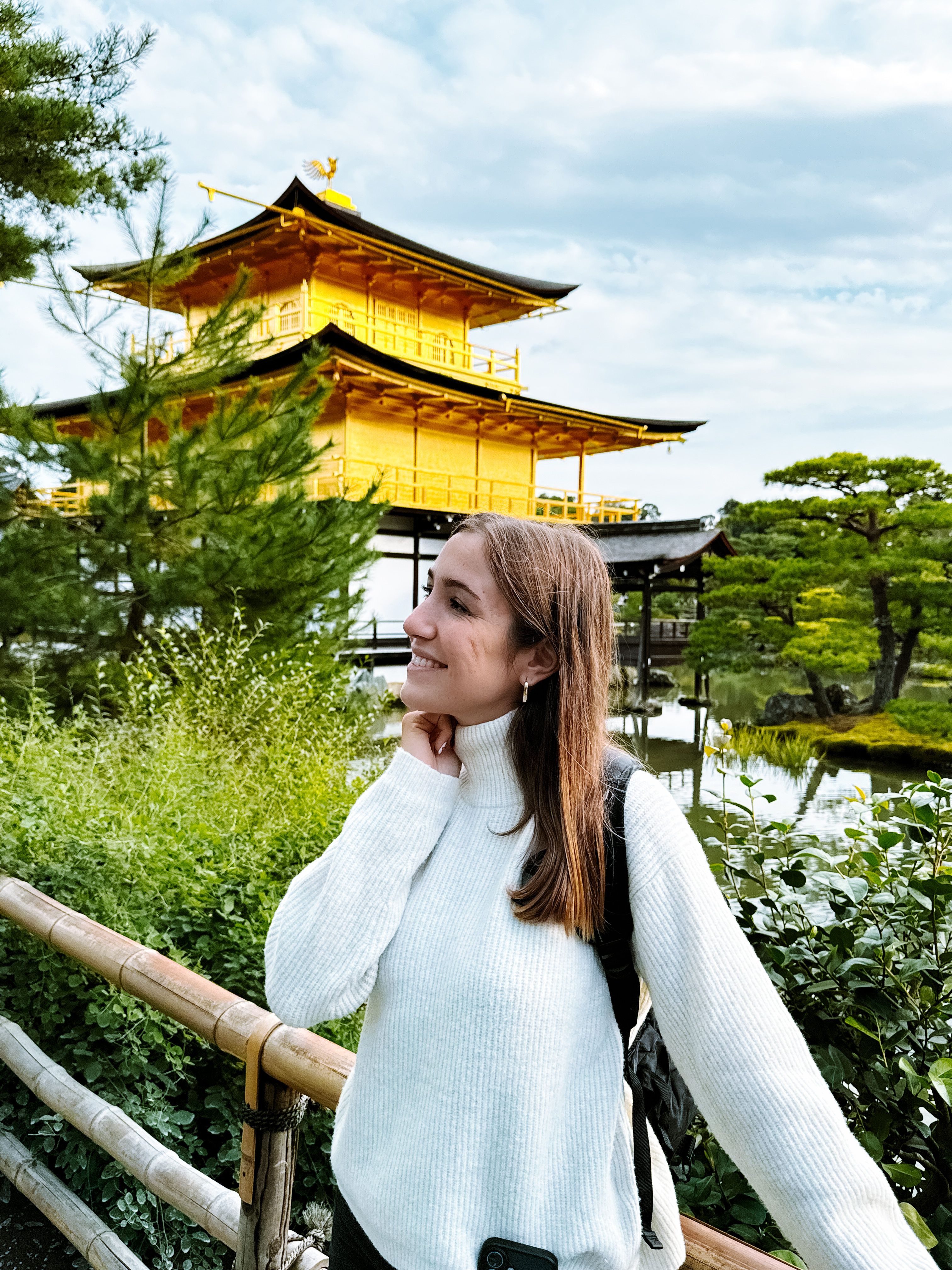
Kinkaku-ji is one of the most photographed temples in Kyoto. Its name means 'Golden Pavilion' and derives from the gold leaf that covers the outer surfaces of the upper floors of the main building.
Opening hours: generally 9:00–17:00.
Price: approximately 500 yen for adults.
Recommended time: 30–60 minutes.
Although sunset can create very beautiful light, Kinkaku-ji generally closes at 17:00. So plan your visit around the closing time, rather than expecting to arrive at sunset.
Day 3: Kyoto
Fushimi Inari
Fushimi Inari Taisha is one of the most iconic sites in the city and an unmissable stop for anyone visiting Japan. Watch the Reel here!
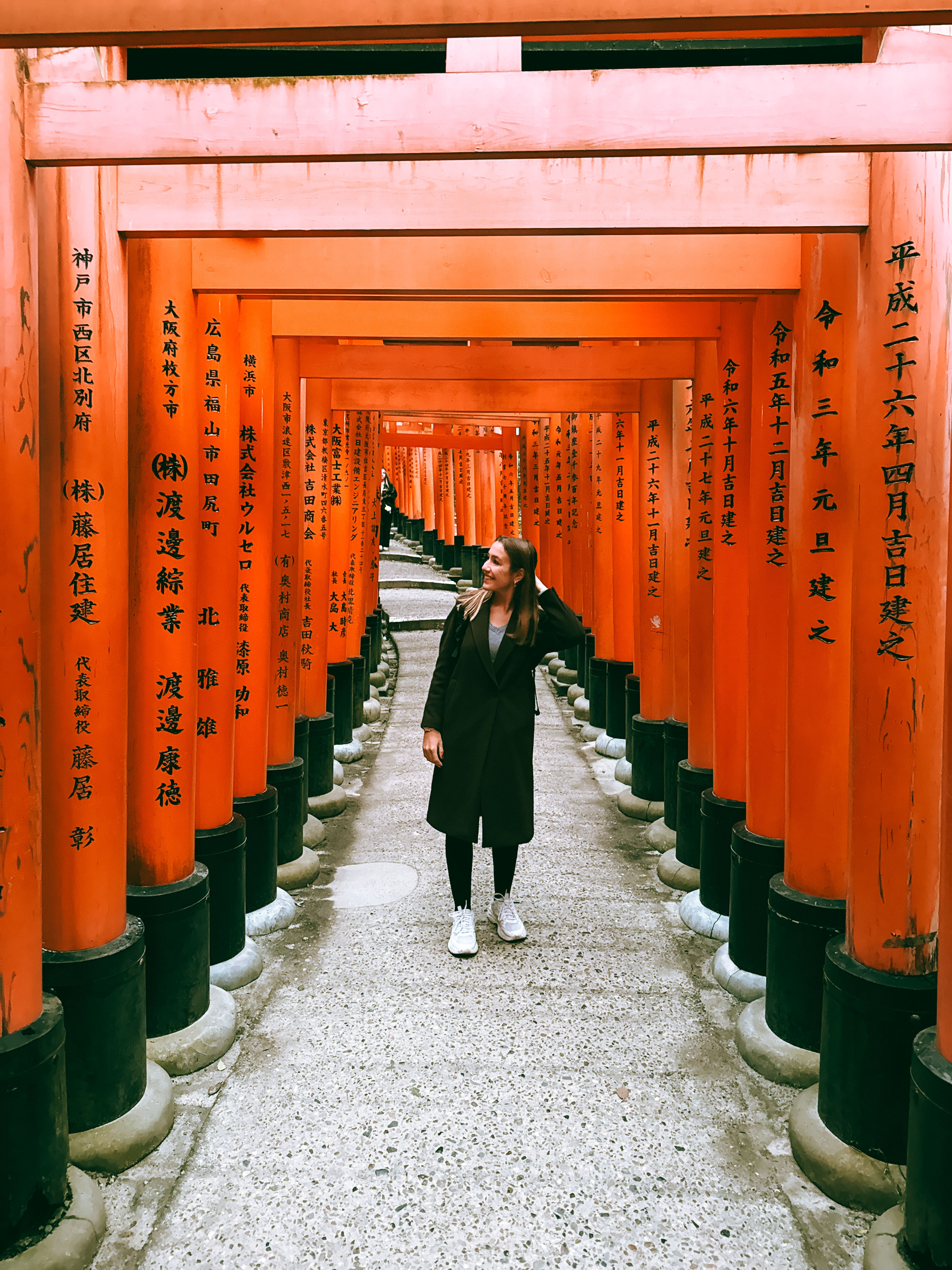
The complex is dedicated to Inari, the Shinto deity associated with rice, agriculture and prosperity. Its symbol is the fox, regarded as the deity's messenger: during your visit you will notice numerous fox statues scattered throughout the shrine grounds.
Opening hours: the shrine area is accessible 24 hours a day.
Price: free entry.
Recommended time: around 1–3 hours, depending on the route chosen.
StiraTip — Go at dawn!Fushimi Inari is one of Kyoto’s most visited attractions. Arriving around 6:00 in the morning generally means finding fewer people than at the central hours and enjoying the path in greater peace.
Remember, though, that the light changes quickly: if you want to take photographs, also allow time to reach the viewpoints.
Kiyomizu-dera: the temple with the great wooden terrace
Perched on the eastern hills of Kyoto, Kiyomizu-dera is one of the city's most famous Buddhist temples and offers a splendid view of the surroundings. The temple's name can be translated as 'temple of pure water' and derives from the Otowa waterfall, located within the complex. Water is traditionally associated with various blessings, including health, success and longevity.
Opening hours: generally 6:00–18:00, with possible seasonal variations.
Price: approximately 500 yen for adults; check the current rate.
Recommended time: 1–2 hours.
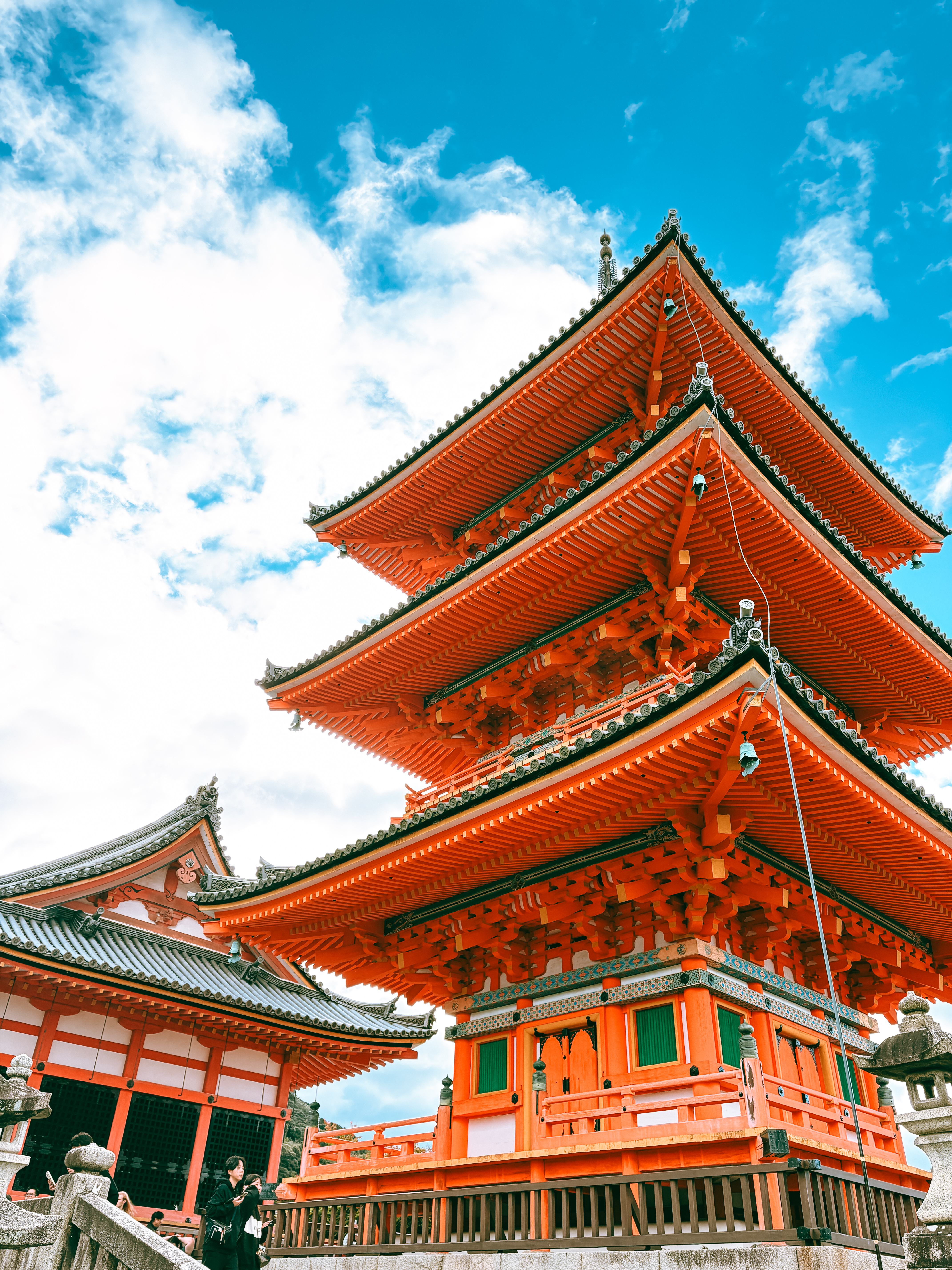
Sannenzaka and Ninenzaka: the narrow lanes of traditional Kyoto
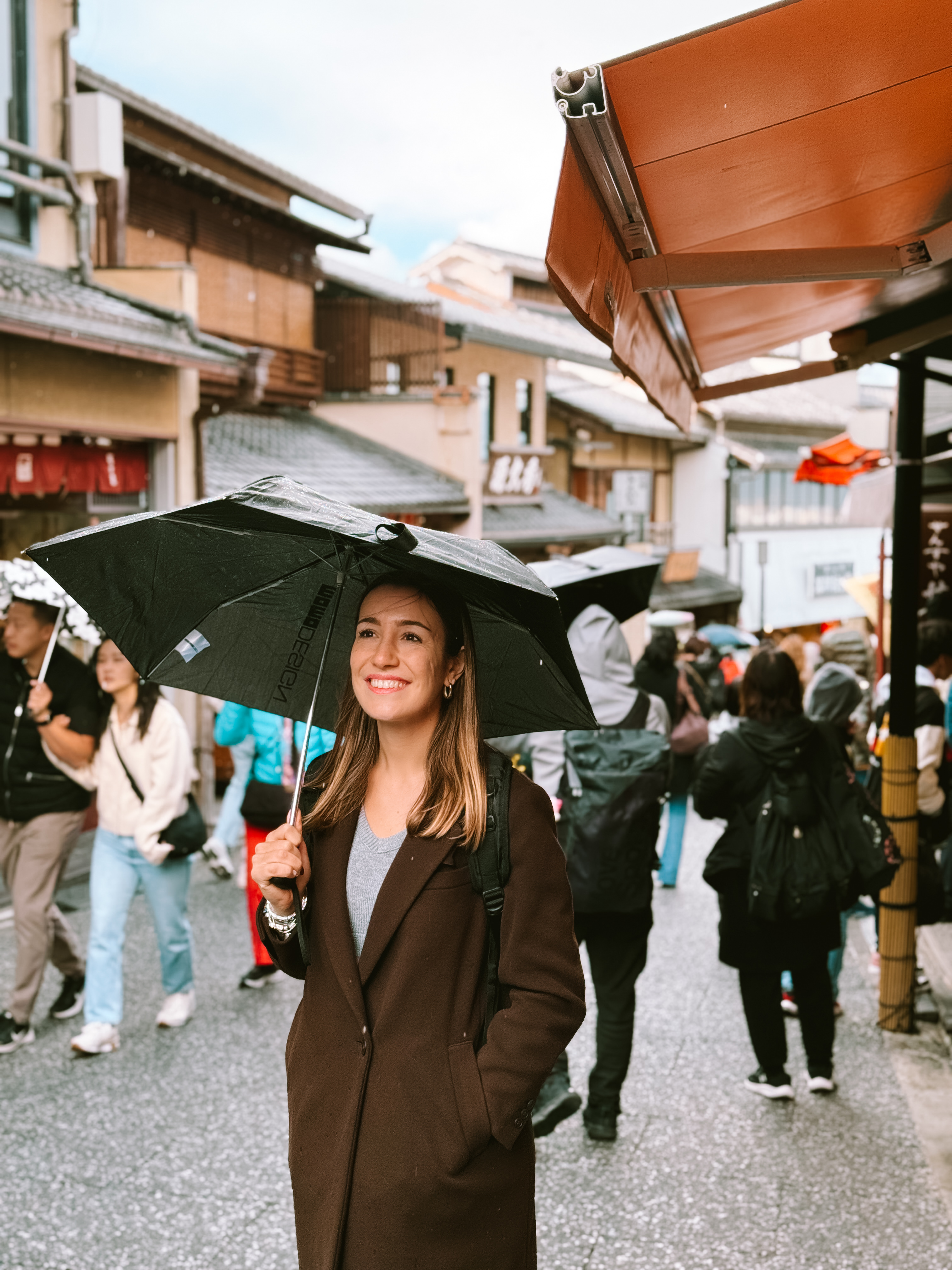
After visiting Kiyomizu-dera, take some time to stroll through Sannenzaka and Ninenzaka, two of Kyoto's most characteristic historic streets.
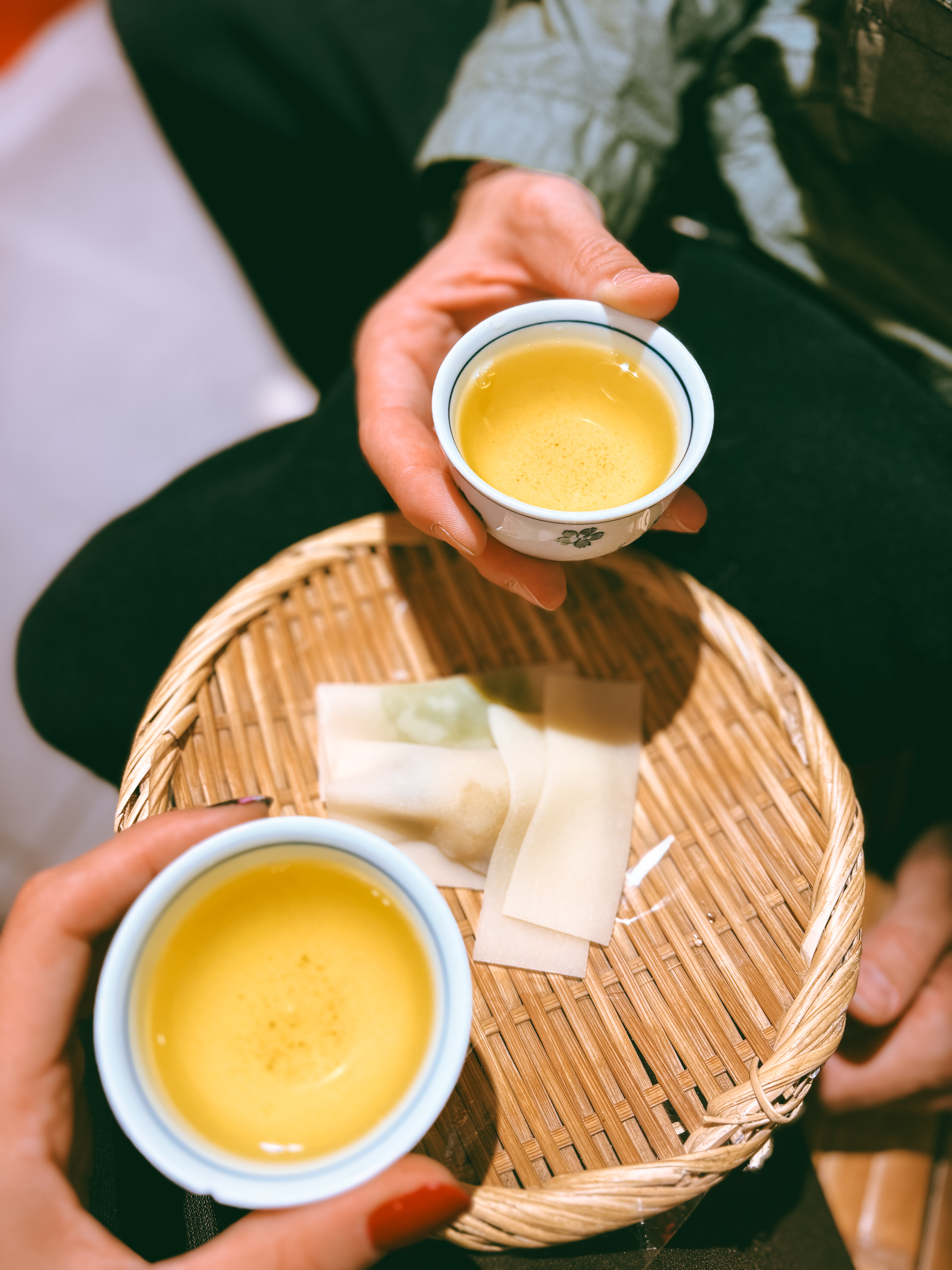
Here you will find traditional wooden buildings, craft workshops, souvenir shops, tea houses and places where you can sample Japanese sweets.
Where to eat: for this day I recommend lunch at Kyoto Engine Ramen
Free walking tour of Kyoto city
Discover Kyoto on a free tour, strolling through its historic streets, temples and most characteristic corners. Accompanied by a guide who will introduce you to the city's history, traditions and curiosities, you'll see Gion, the geisha district, and learn about their story, as well as the Yasaka Shrine. It's a perfect way to begin exploring Japan's ancient capital and find your way around its many wonders.
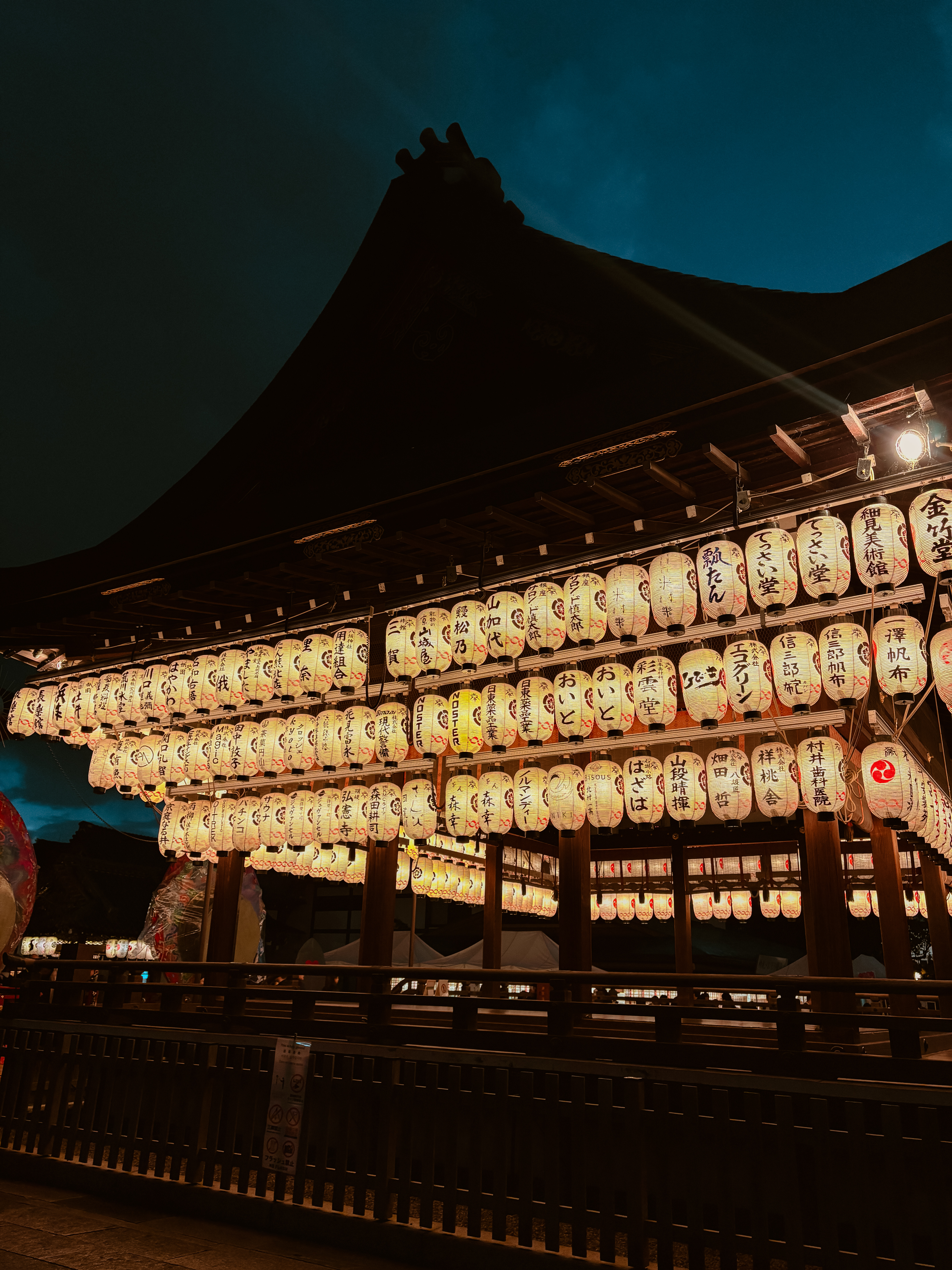
Day 3: Kyoto
Tea ceremony and kimono: an experience of Japanese tradition
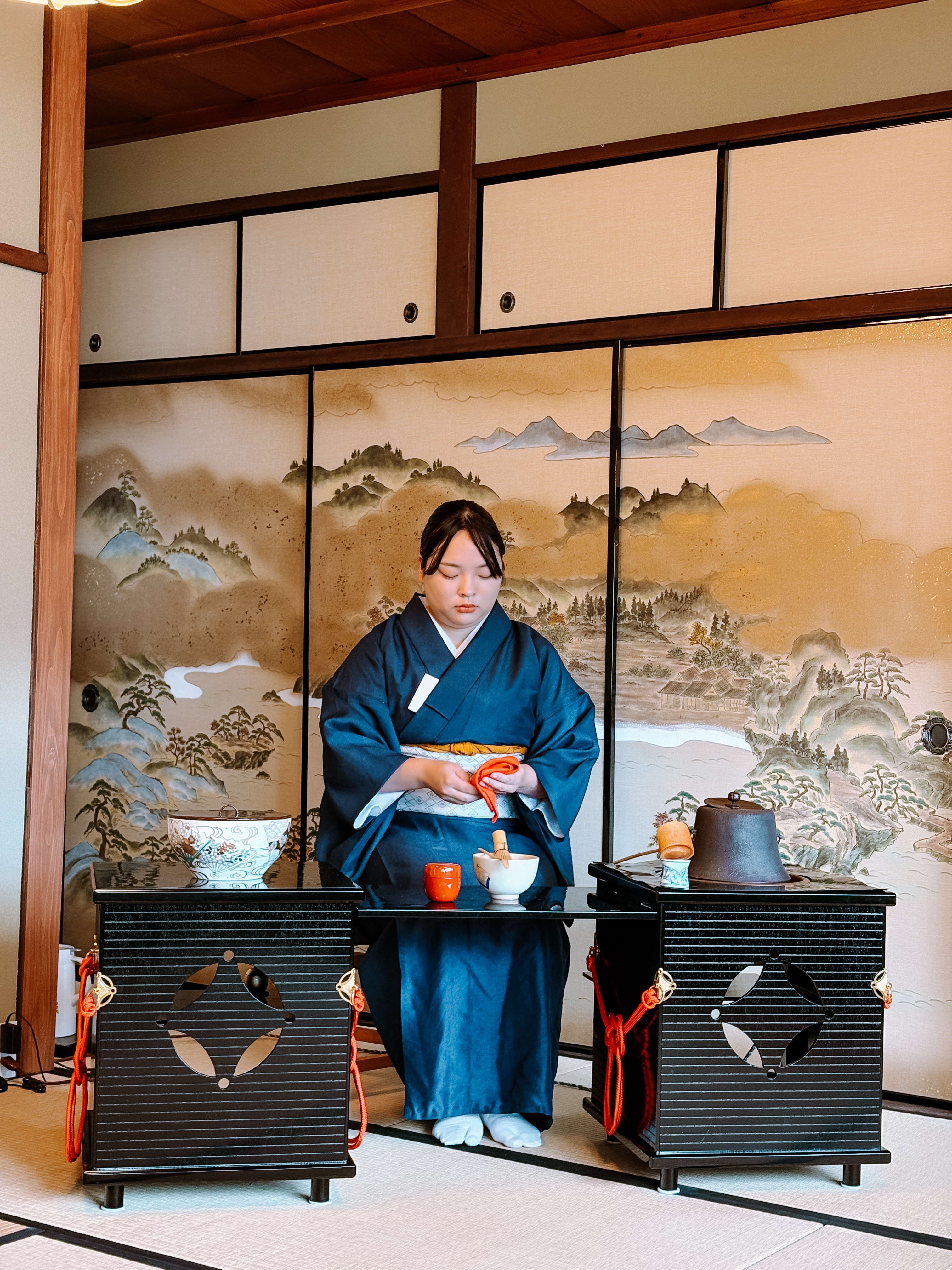
One of the most interesting experiences to have in Kyoto is taking part in a tea ceremony.
This traditional practice is not simply about drinking a cup of tea: it is a ritual in which gestures, preparation, hospitality and attention to detail take on a particular meaning.
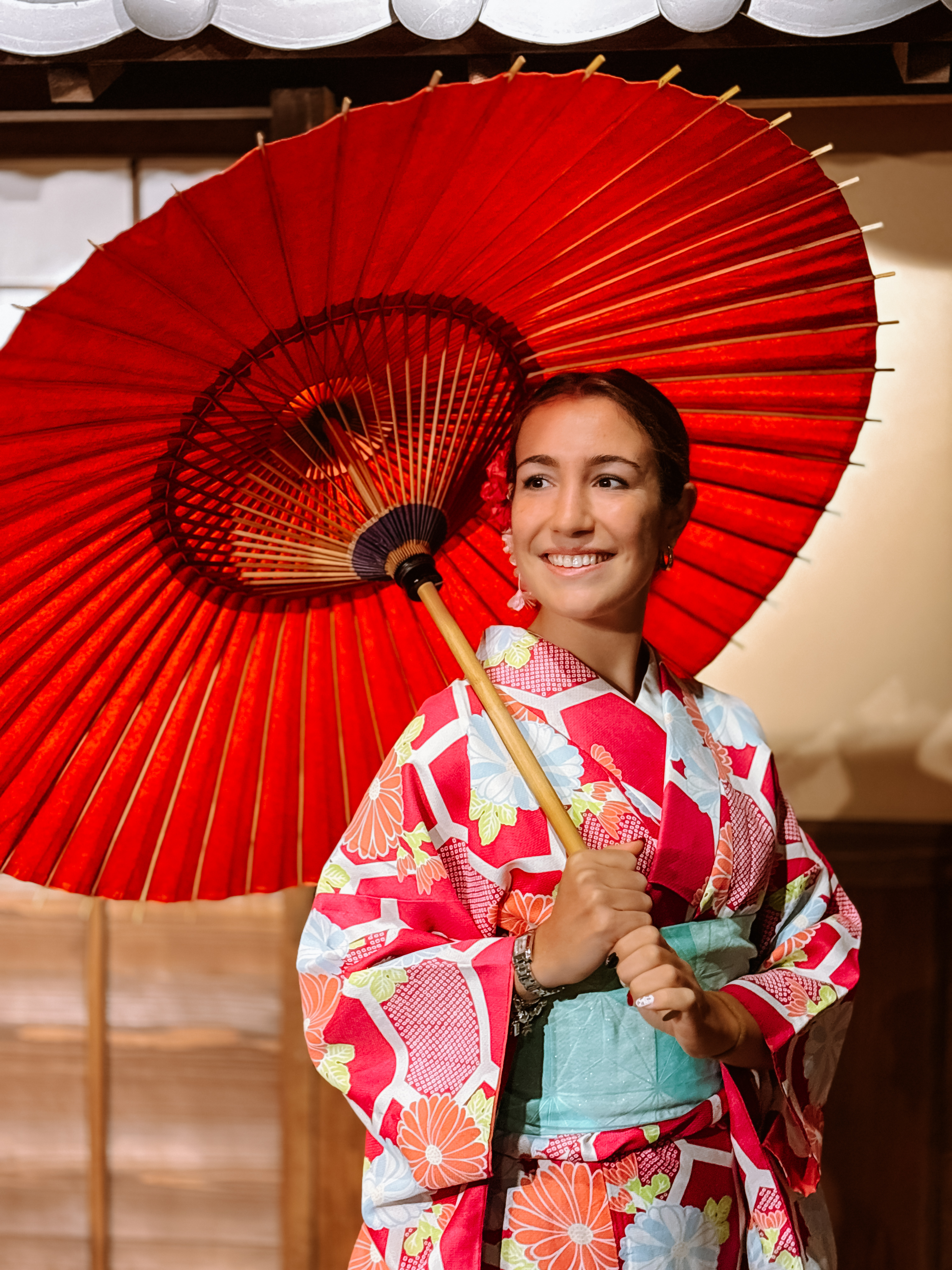
In Kyoto you can find several activities that let you get closer to this tradition, some of which also include the chance to wear a kimono.
It is an opportunity to get to know an aspect of Japanese culture more closely and to experience something different from the classic tourist visit.
Samurai and ninja: discovering traditional arts
If you want to alternate temples and shrines with something more interactive, you might consider a visit to a museum dedicated to samurai and ninja.
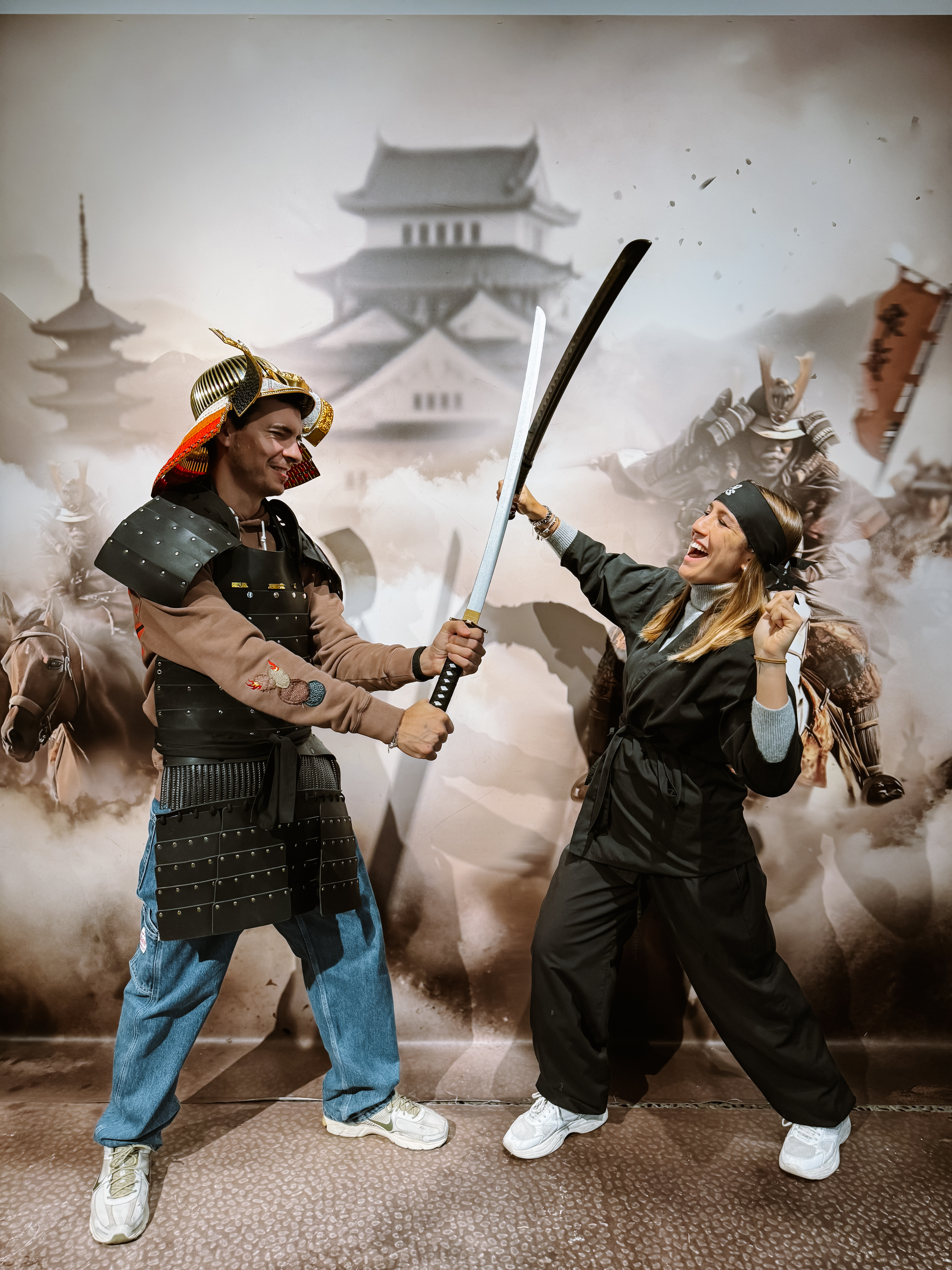
Some experiences offer explanations of the history of the Japanese warriors, demonstrations and hands-on activities that help you learn more about these figures who have become famous around the world.
This is an interesting option even if you are travelling as a couple and want to include an activity in your itinerary that is different from traditional cultural visits.
Before booking, check which activities are included in the ticket and whether interactive sessions are scheduled.
Nishiki Market: the food market of Kyoto
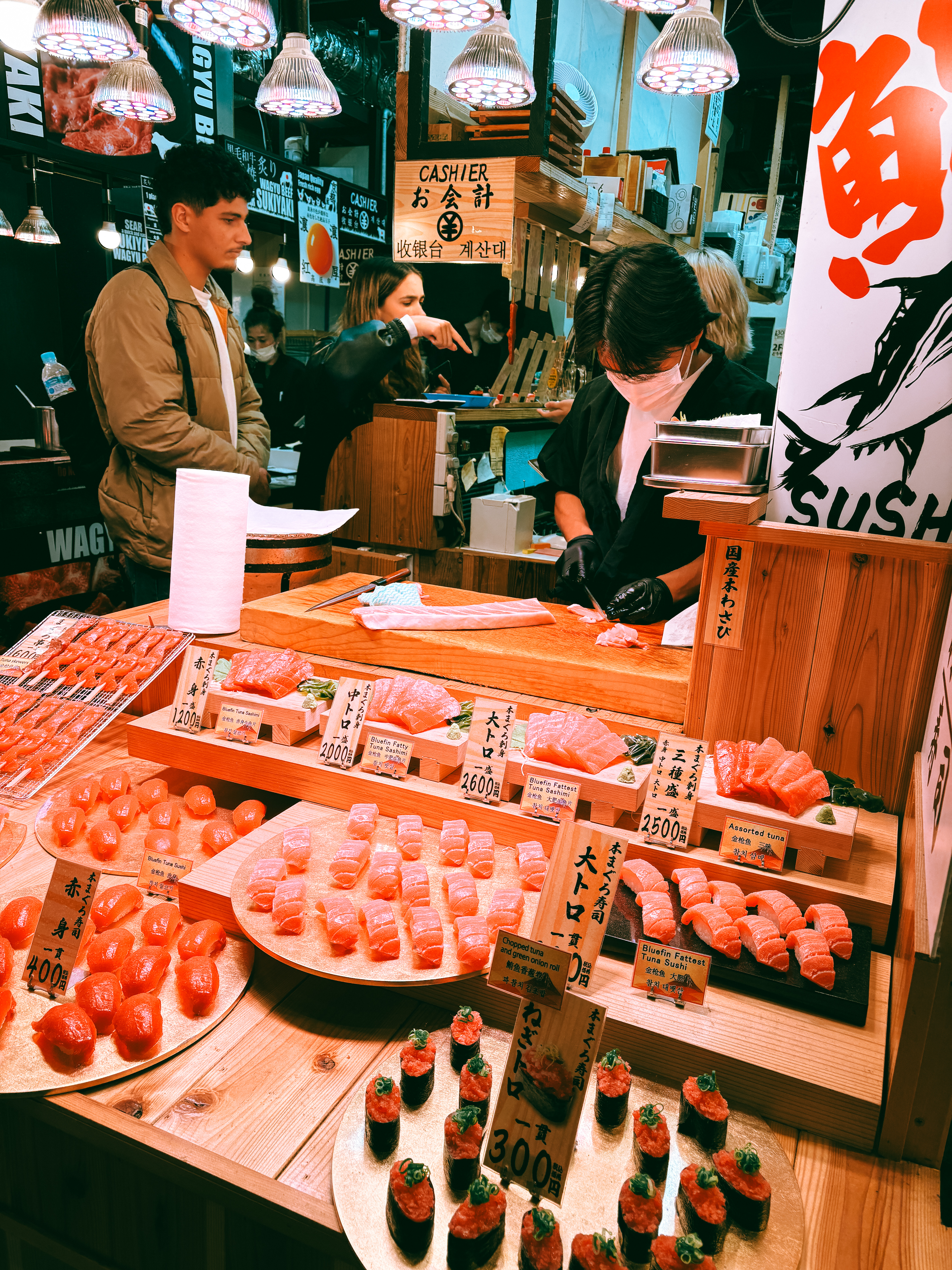
Nishiki Market is one of the best stops for discovering the city's gastronomic side.
This is a long shopping arcade known for its food stalls, local products, Japanese pickles, fish, sweets and specialities to sample while strolling. Watch the Reel here!
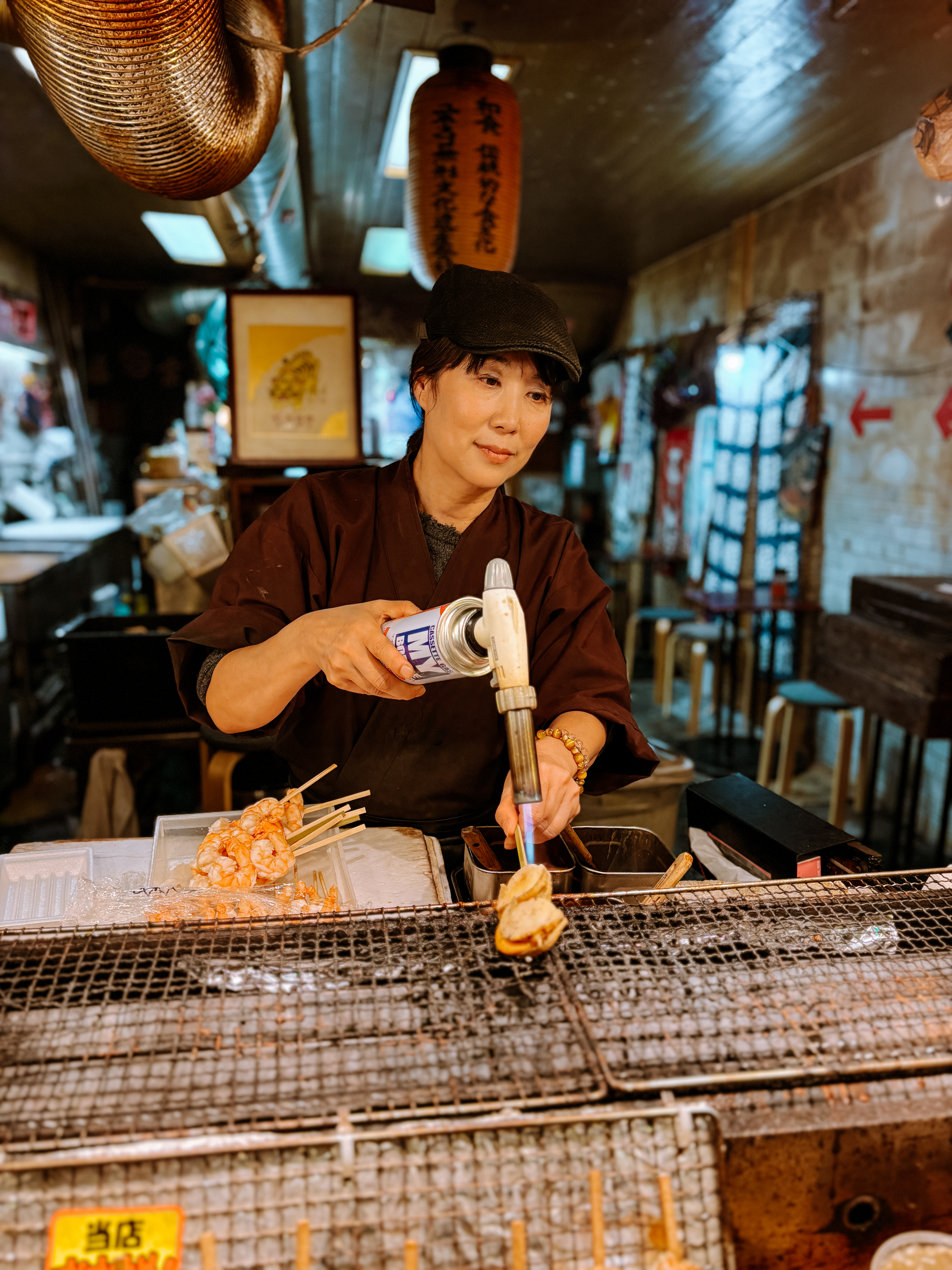
Opening hours: many businesses open roughly between 9:00 and 10:00 and close in the late afternoon; hours vary from shop to shop.
Price: free entry; you pay for what you buy.
Recommended time: 1–2 hours.
Before buying, take a walk around the market and compare the offers. Some products are mainly meant to be eaten on the spot, while others can be bought as food souvenirs.
Remember to follow the vendors' instructions on eating their food and not to eat while walking where you are asked to stop in designated areas.
Daigo-ji: a temple complex to discover
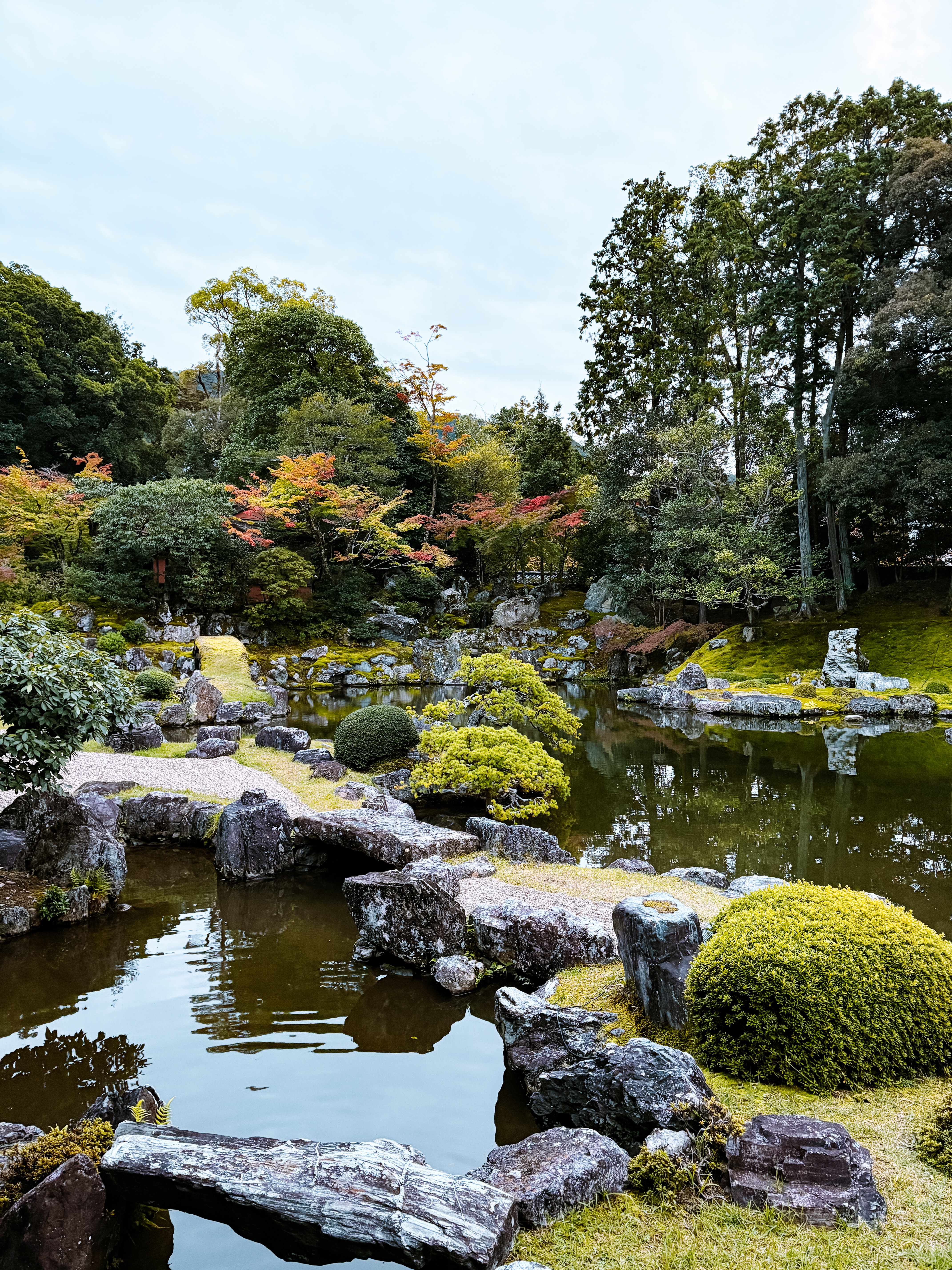
Daigo-ji is an important Buddhist complex located in the south-eastern part of Kyoto, known for its history, its religious buildings and its gardens.
The complex is particularly interesting during autumn foliage, when the trees take on shades of red and gold.
Approximate opening hours: generally 9:00–17:00, with possible seasonal variations.
Price: varies depending on the areas visited; check the current rates.
Recommended time: 1–2 hours, or longer if you want to explore the complex at your leisure.
Pontocho: the perfect alley for the evening
Pontocho is a narrow traditional street running alongside the Kamo River, in central Kyoto.
It is known for its restaurants, small venues and the atmosphere that builds in the evening, when the signs and lights illuminate the traditional buildings.
Stiriosity
Konbini, such as 7-Eleven, Lawson and FamilyMart, are a constant presence in everyday Japanese life. As well as snacks and drinks, you can find ready meals, sweets, everyday products and various services. They are also a valuable resource for those travelling on a limited budget who want something quick to eat without going to a restaurant.
What to eat and where in Kyoto

Kyoto's cuisine is closely linked to the city's history, Buddhist tradition and tea culture.
Alongside dishes known across Japan, you will find local specialities worth discovering, from tofu-based preparations to traditional sweets.
See the full article here for all my tips
Day 4: Hiroshima
From Kyoto to Hiroshima you can take the direct Shinkansen from Kyoto Station. The journey takes about 1 hour 35 minutes / 2 hours, depending on the train. The ticket costs approximately ¥10,770 without a reserved seat or ¥11,100–¥11,740 with a reserved seat. Fares and timetables may vary, so please check before setting off. I have always travelled without reserved seats and have never had any problems.
Where to stay: J-Hoppers Hiroshima Guesthouse Hotel
Area: It is located near Peace Park and can be reached on foot in a few minutes.
This is a hostel with private rooms (if requested) and shared bathrooms.
Price: from 2,500 to 3,900 yen per night
Booking: Booking.com
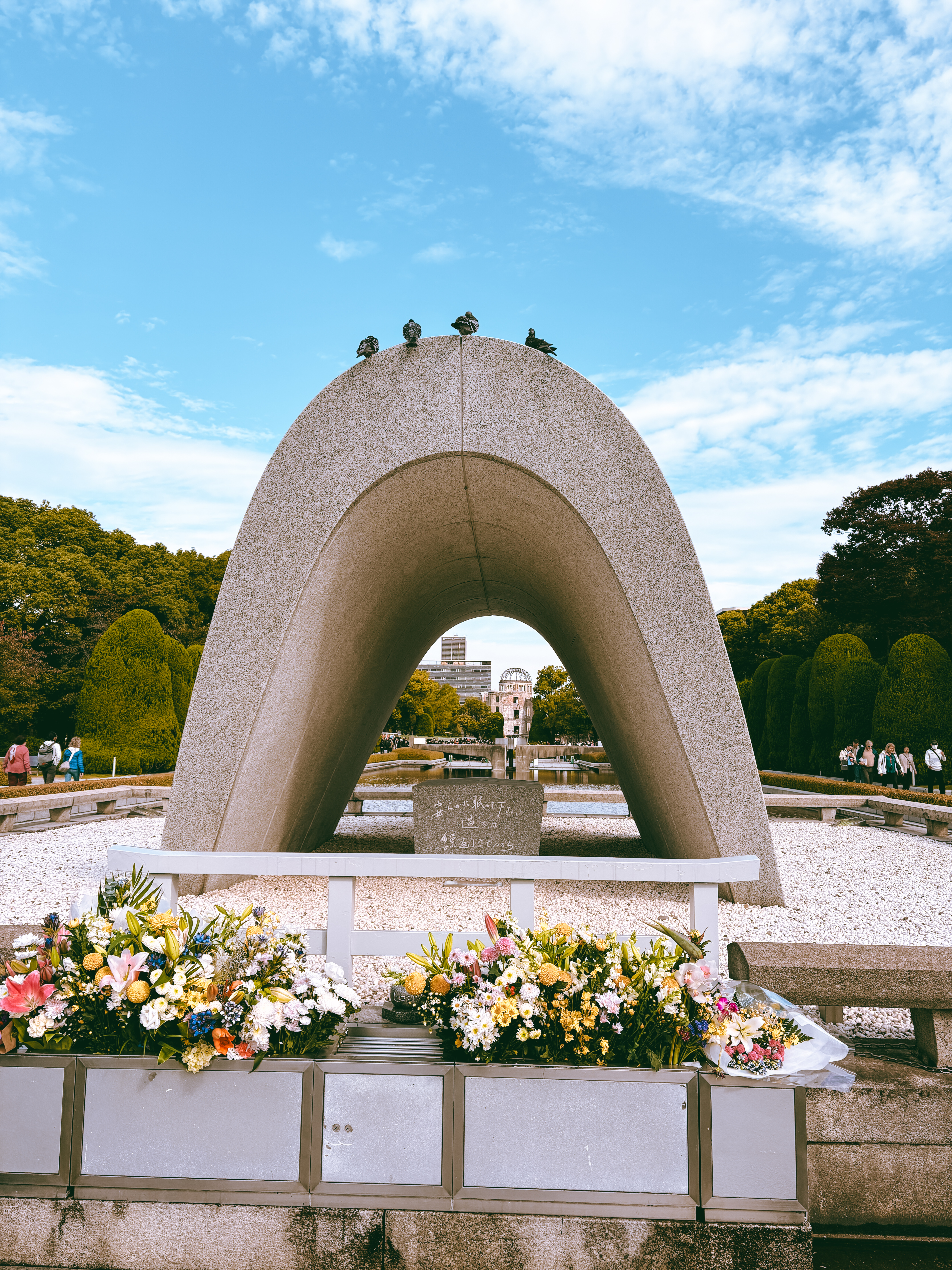
Peace Park
Peace Memorial Park is one of Hiroshima's most significant places. It is open all day, every day, and admission is free. Inside you will find monuments and memorials dedicated to the victims of the atomic bomb and to peace.
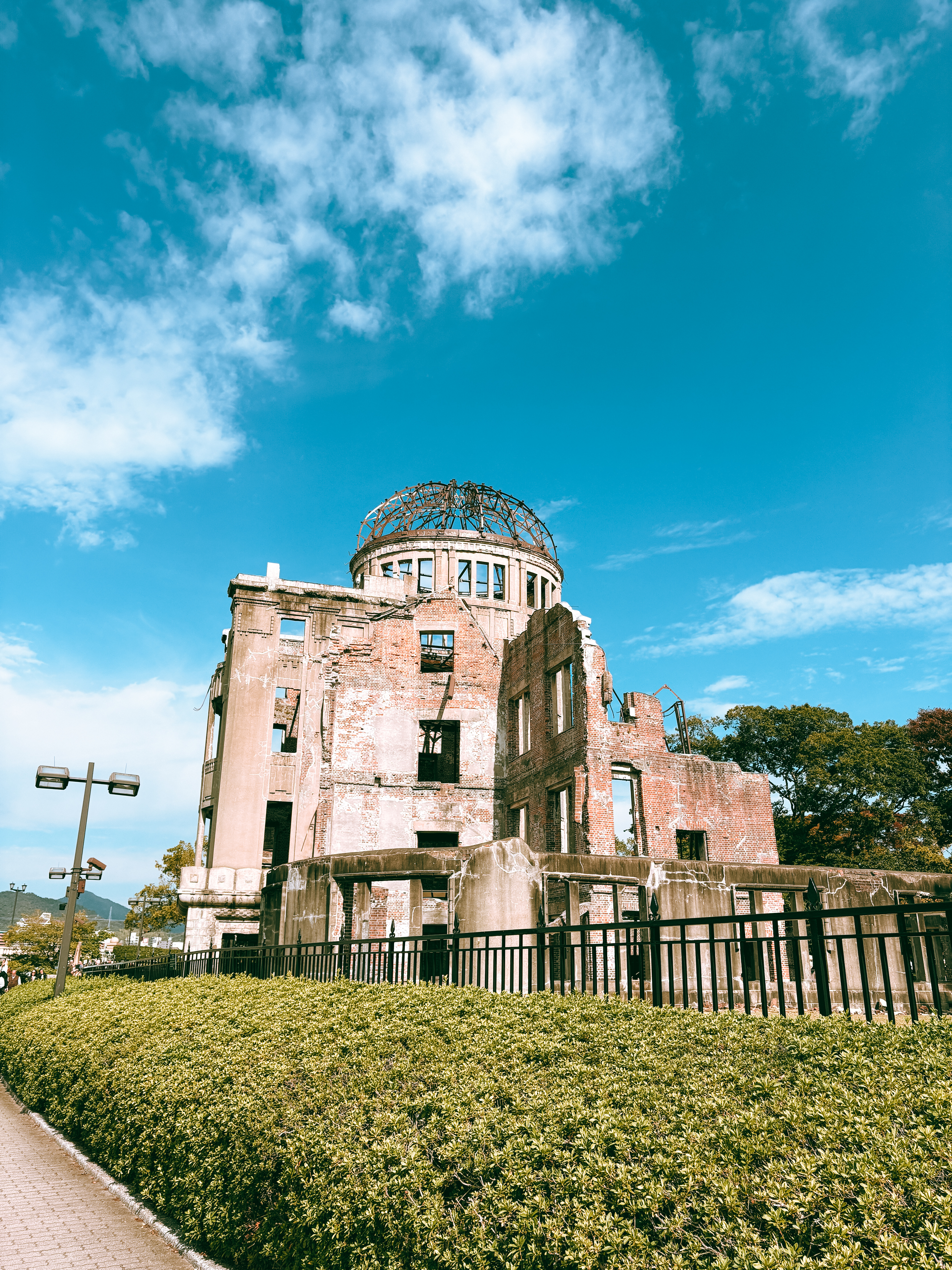
Atomic Bomb Dome
The Atomic Bomb Dome, or Genbaku Dome, is the most recognisable symbol of the park. The building remained standing, although badly damaged, after the explosion of 6 August 1945. Today it is a UNESCO World Heritage Site.
Peace Memorial Museum
The Peace Museum recounts the effects of the atomic bomb through testimonies, photographs and objects belonging to the people affected. It is a moving visit, best approached with the time and attention it deserves.
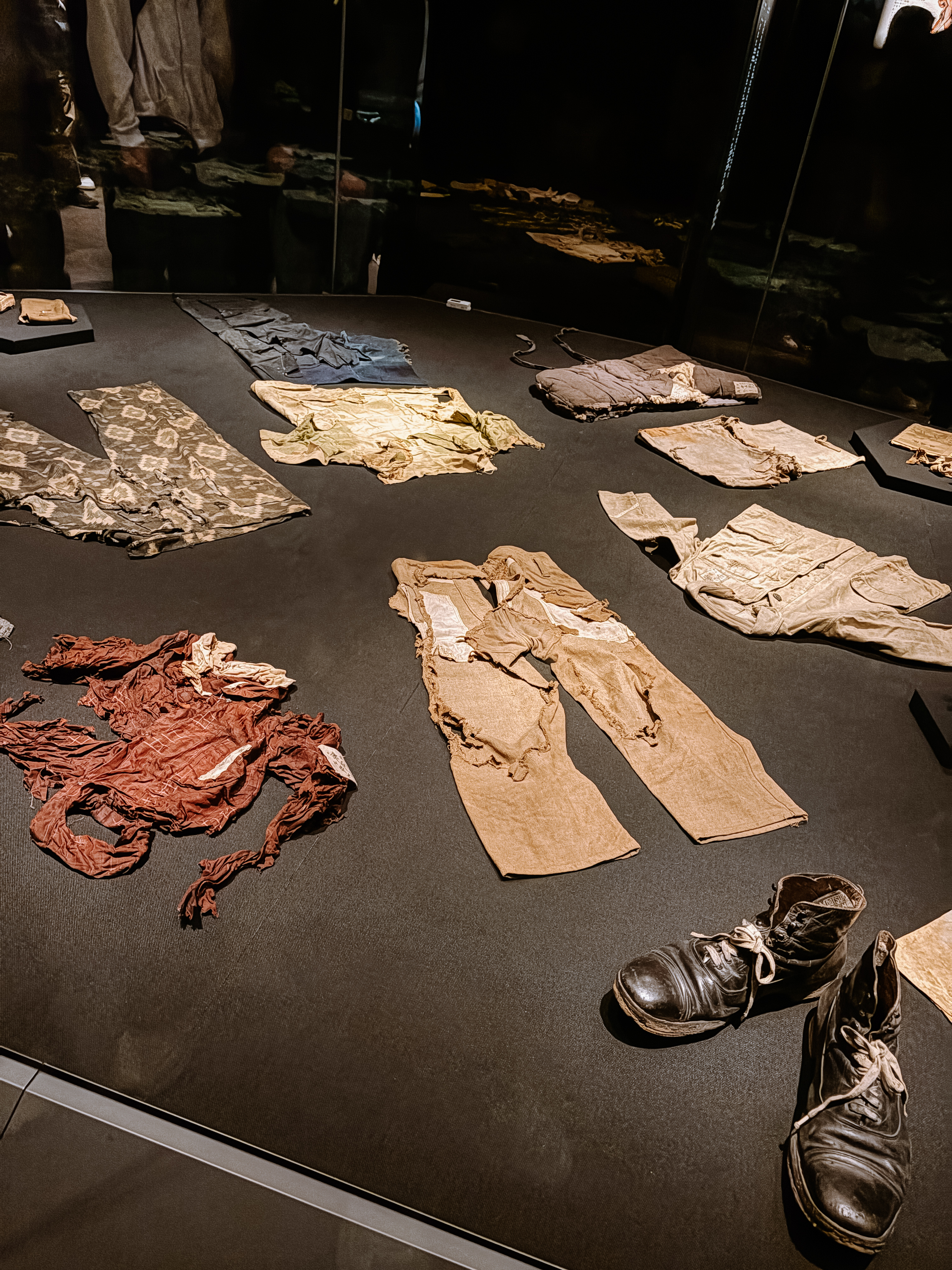
Adult price: 200 yen.
Opening hours: generally 7:30–19:00 from March to July and from September to November; in August it closes at 20:00 and from December to February at 18:00.
Booking: some time slots require online booking.
Check for updates before your visit.
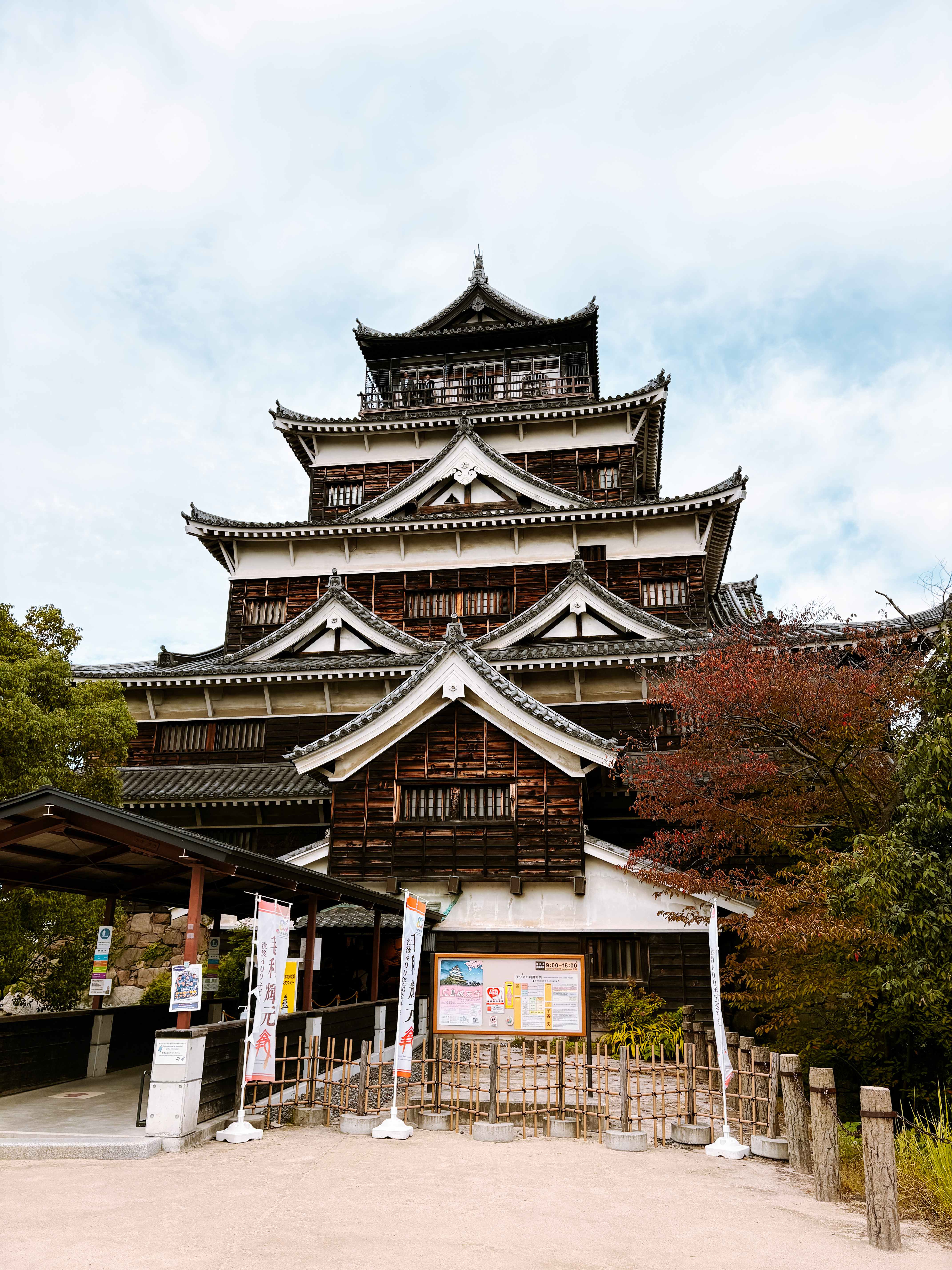
Hiroshima Castle
Hiroshima Castle, surrounded by a moat and a park, is an interesting stop for learning about the city's history and taking a stroll in a green area. The main keep has been closed since 22 March 2026; you can still admire it from the outside. The reconstructed buildings of the Ninomaru are open to visitors, with free entry. The castle was built at the end of the 16th century and was destroyed by the atomic bomb; the current tower is a reconstruction from 1958.
Shukkei-en Garden
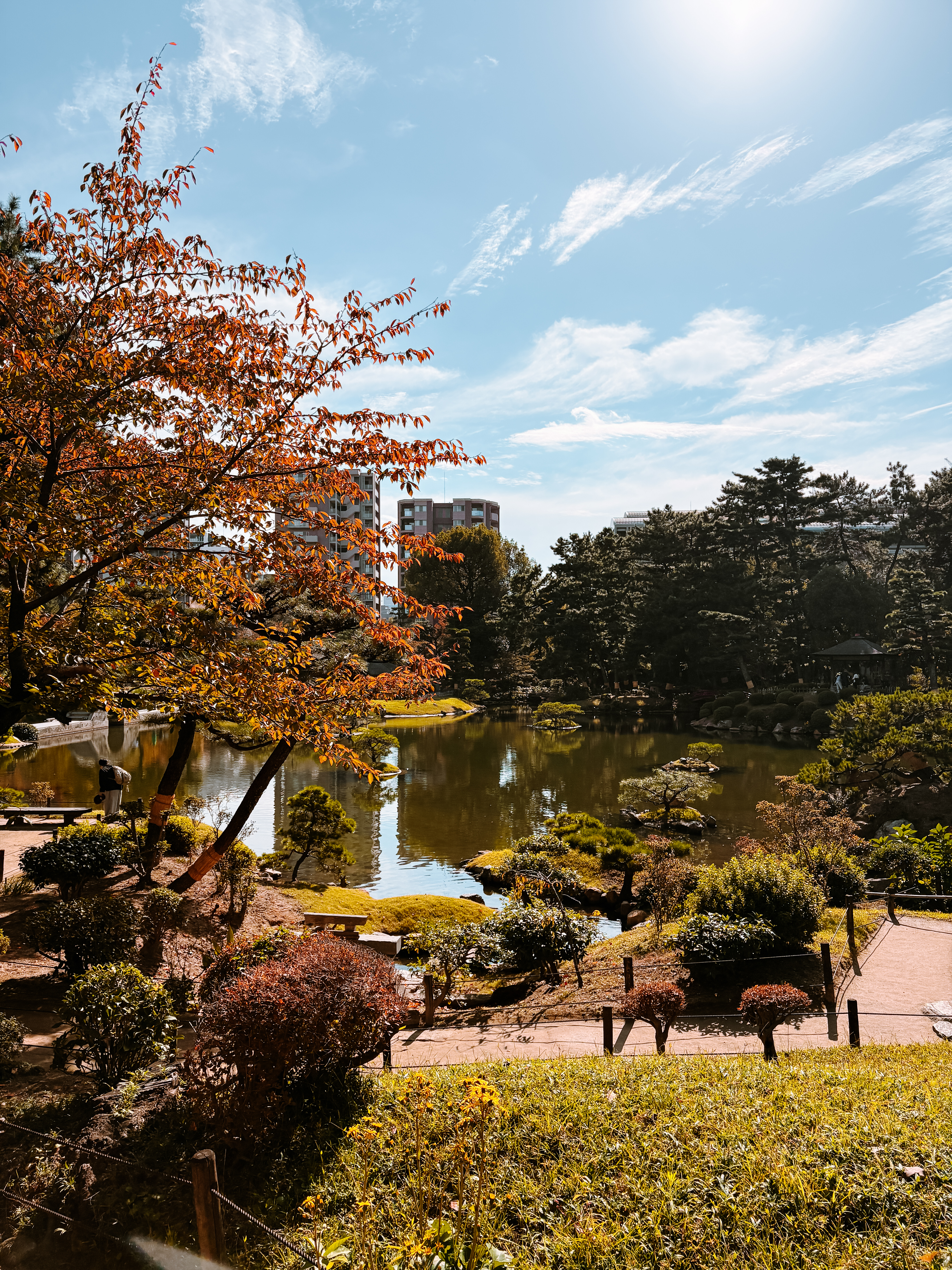
If you're looking for a quiet spot, visit Shukkei-en, a landscape garden created in 1620. The path winds past ponds, small bridges and glimpses of greenery that change with the seasons.
Adult price: 350 yen.
Opening hours from 16 March to 15 September: 9:00–18:00.
Opening hours from 16 September to 15 March: closing at 17:00.
Last entry: half an hour before closing.
Closed: from 29 to 31 December.
Hondori
Hondori is a pedestrian street full of shops, restaurants and shopping centres. It is pleasant to explore after visiting Peace Park and a good area to stop for dinner or do some shopping.
Anaya retrogame
Anaya Retrogame is a little gem for lovers of vintage video games: it mainly sells retro games imported from North America and Europe, but you'll also find Japanese titles in the shop. Anaya's official website
Opening hours: open from 13:00 to 20:00 and closed on Mondays and Tuesdays.
Area: About a 5-minute walk from the Chuden-mae tram stop.
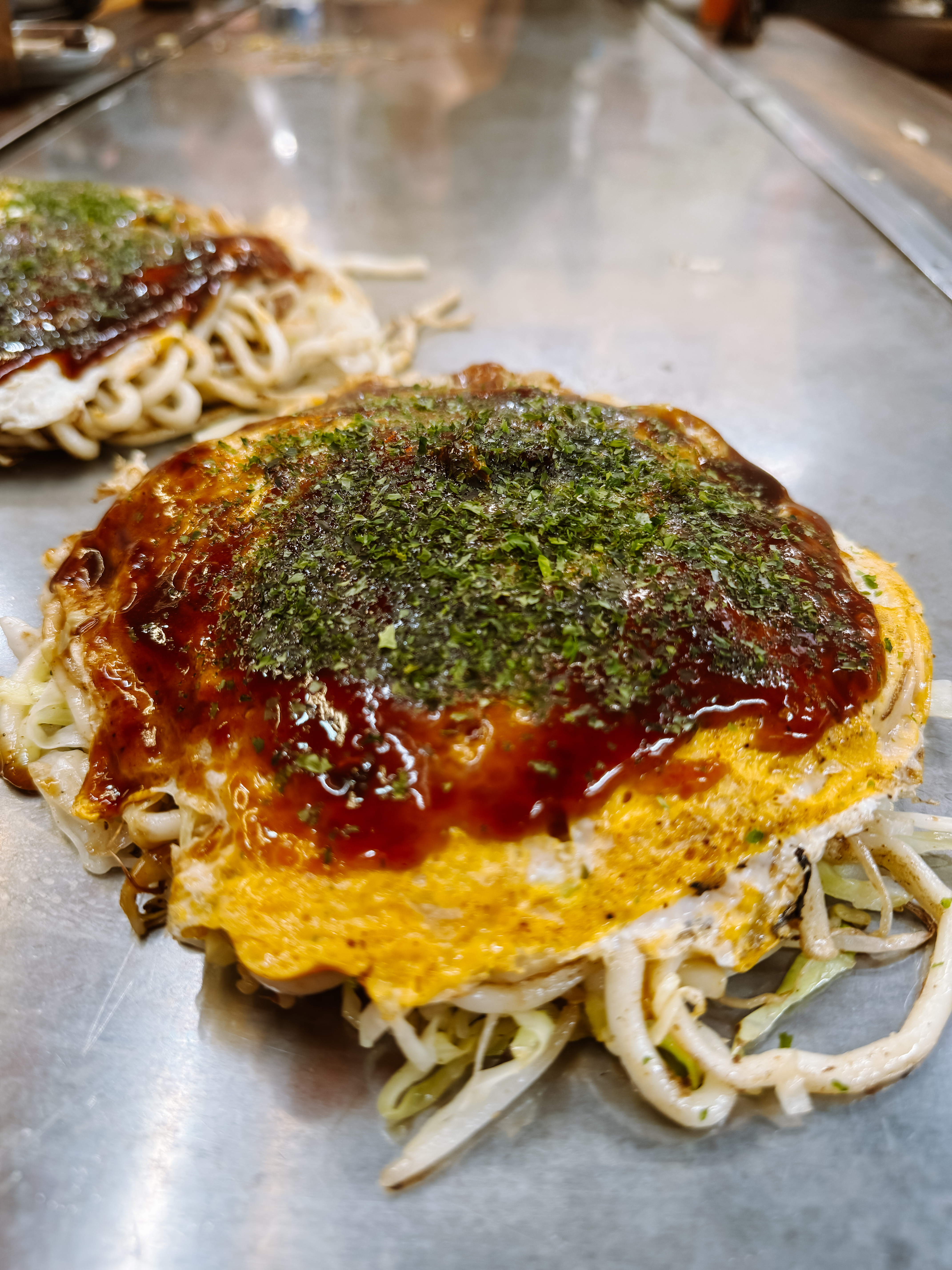
What and where to eat in Hiroshima
Hiroshima's cuisine is famous above all for okonomiyaki, prepared in layers with cabbage, batter, noodles and other ingredients. Among the local specialities you can also try oysters and fish-based dishes, often served in restaurants near the port and the city centre.
See the full article here for all my tips
Day 5: Osaka
From Hiroshima to Osaka, take the Shinkansen from Hiroshima Station to Shin-Osaka. The direct journey takes about 1 hour and 20–30 minutes. A one-way ticket costs roughly ¥9,890 without a reserved seat or ¥10,500–¥10,950 with a reserved seat, depending on the train.
Where to stay: Toyoko Inn Osaka Umeda Nakatsu No.1
During your stay you had identified the Toyoko Inn Osaka Umeda Nakatsu No.1, a place to consider if you are looking for a practical base for visiting the city.
Area: Nakatsu, near Umeda.
Price: €54 per night
Booking: Booking.com
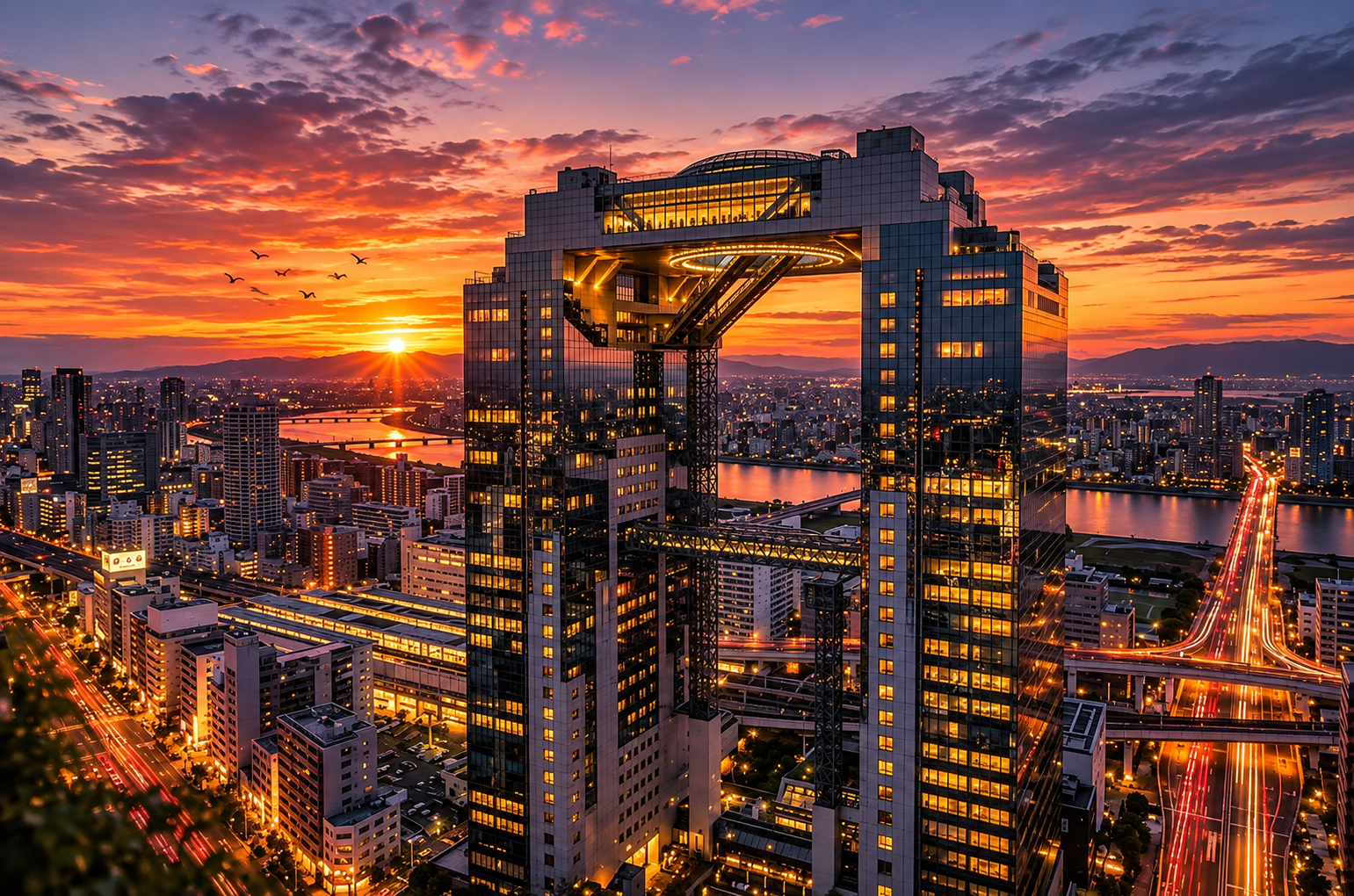
Umeda: skyscrapers, shopping and city views
Umeda is one of Osaka's main shopping and railway hubs. Here you will find large department stores, shopping centres, shops of every kind and some of the most interesting views of the city.
Umeda Sky Building
Pokémon Center Osaka
Osaka Castle Park: the castle to admire from the outside
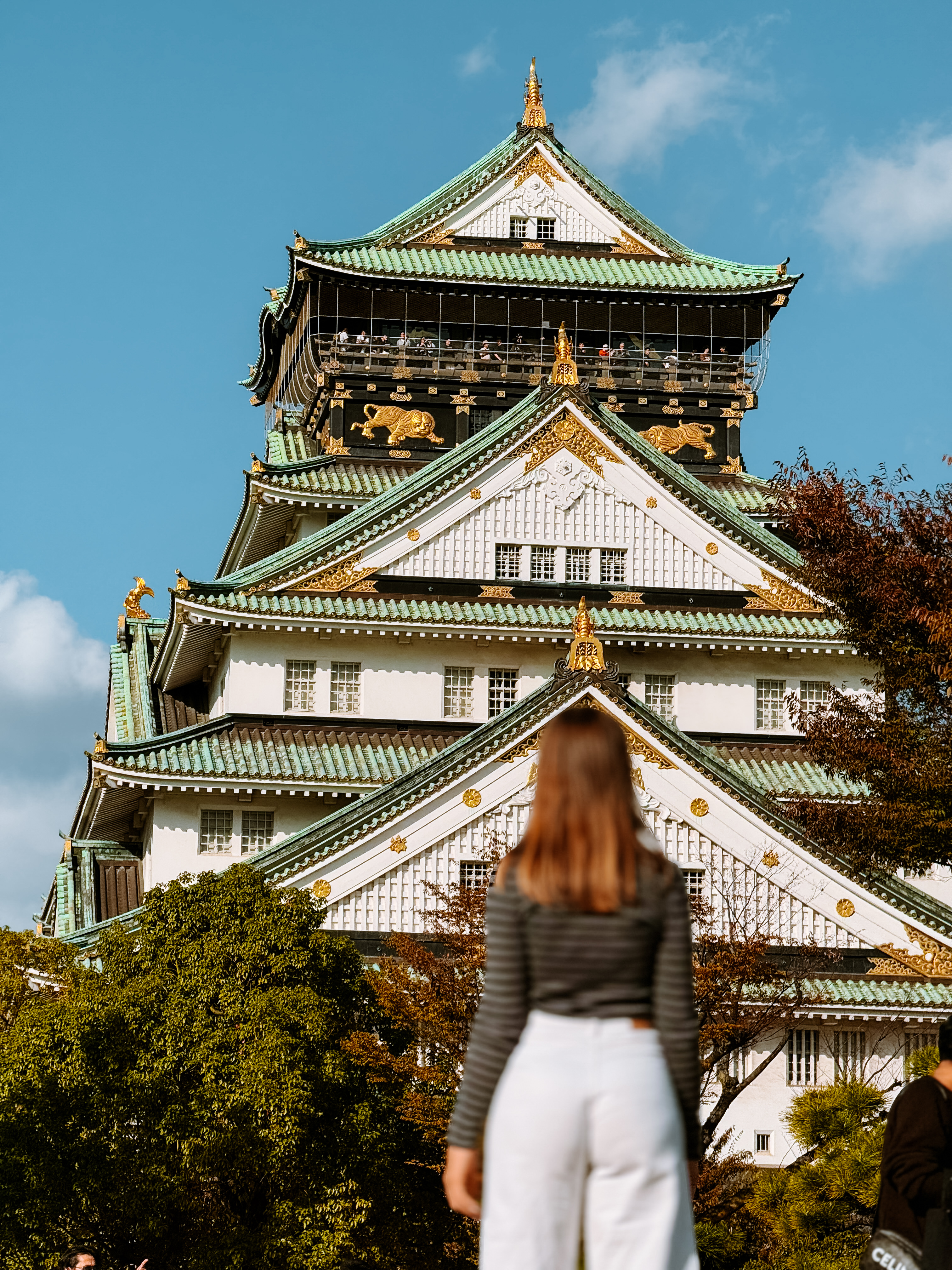
Osaka Castle is one of the city's symbols and an interesting stop for anyone wanting to learn about Japanese history.
The structure is surrounded by moats, stone walls and a large urban park, which is also very popular with the people of Osaka.
Even without going into the museum interior, you can reach the castle, admire it from the outside and stroll through the park.
Museum interior opening hours: generally 9:00–18:00, last entry at 17:30.
Museum price: 1,200 yen for adults.
Park price: free access to the public areas; some specific areas, such as the Nishinomaru Garden, may require a ticket.
Recommended time: 45–90 minutes if you only want to visit the park and see the castle from the outside.
Day 6: Osaka
Shitennō-ji: one of Japan’s oldest temples
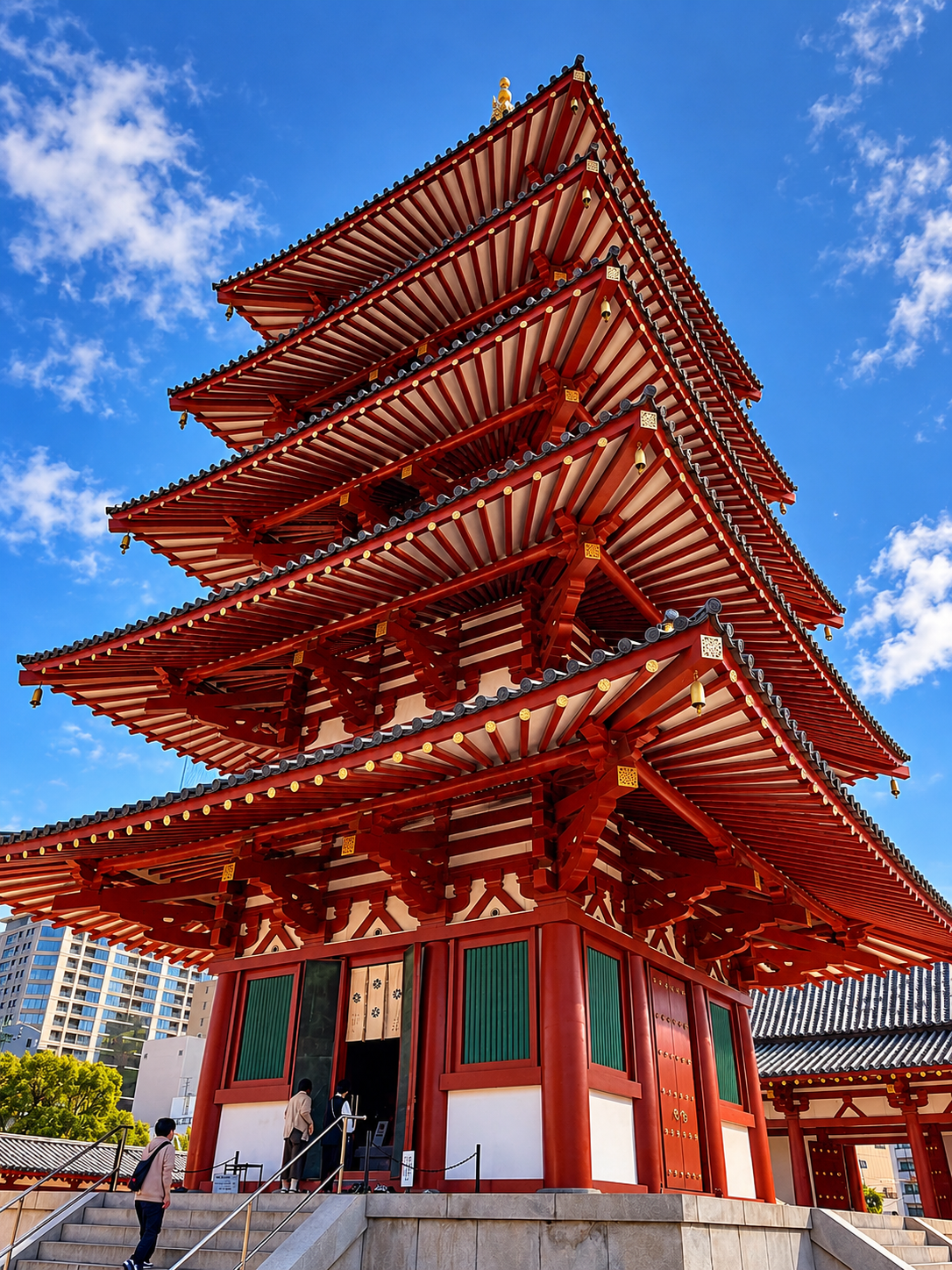
Shitennō-ji is one of the oldest Buddhist temples in the country. It was founded in the 6th century and is linked to Prince Shōtoku, an important figure in the spread of Buddhism in Japan.
Opening hours from October to March: generally 8:30–16:00 for the main paid areas. The outdoor areas may have different access arrangements.
Approximate prices for adults:
Central area: 500 yen.
Garden: 300 yen.
Treasure Hall: 500 yen.
Fares may vary depending on the areas open and the exhibitions on show.
Recommended time: about an hour.
Nippombashi Den Den Town: Osaka’s nerd district
If you love anime, manga, video games and electronics, Den Den Town is a stop worth considering.
The Nipponbashi area is home to numerous shops dedicated to Japanese pop culture, including model kits, playing cards, collectables and video games.
It is a good alternative to Akihabara for those who want to keep exploring the nerd world outside Tokyo.
Price: free.
Recommended time: 1–2 hours.
Action figures at Stirati's prices!
After searching through a great many shops, I found Volks Osaka, a shop in the Den Den Town district, where you can find plenty of action figures in excellent condition for €10!
Namba and Dotonbori: the liveliest side of Osaka
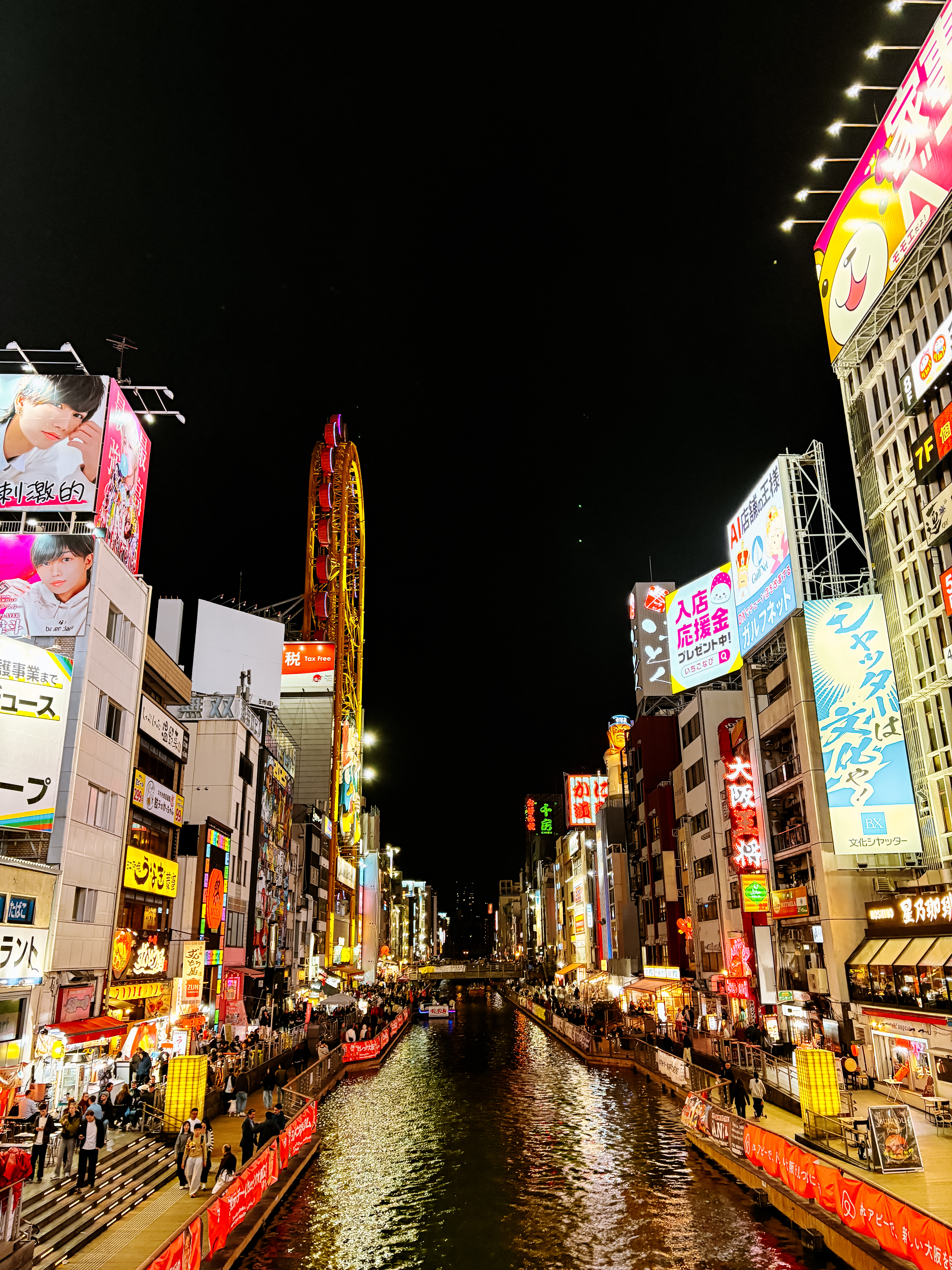
Namba is one of the city's main shopping and entertainment hubs. Here you will find shops, restaurants, bars and rail links that make it easy to reach other areas.
From Namba you can reach Dotonbori, probably the most famous district in Osaka.
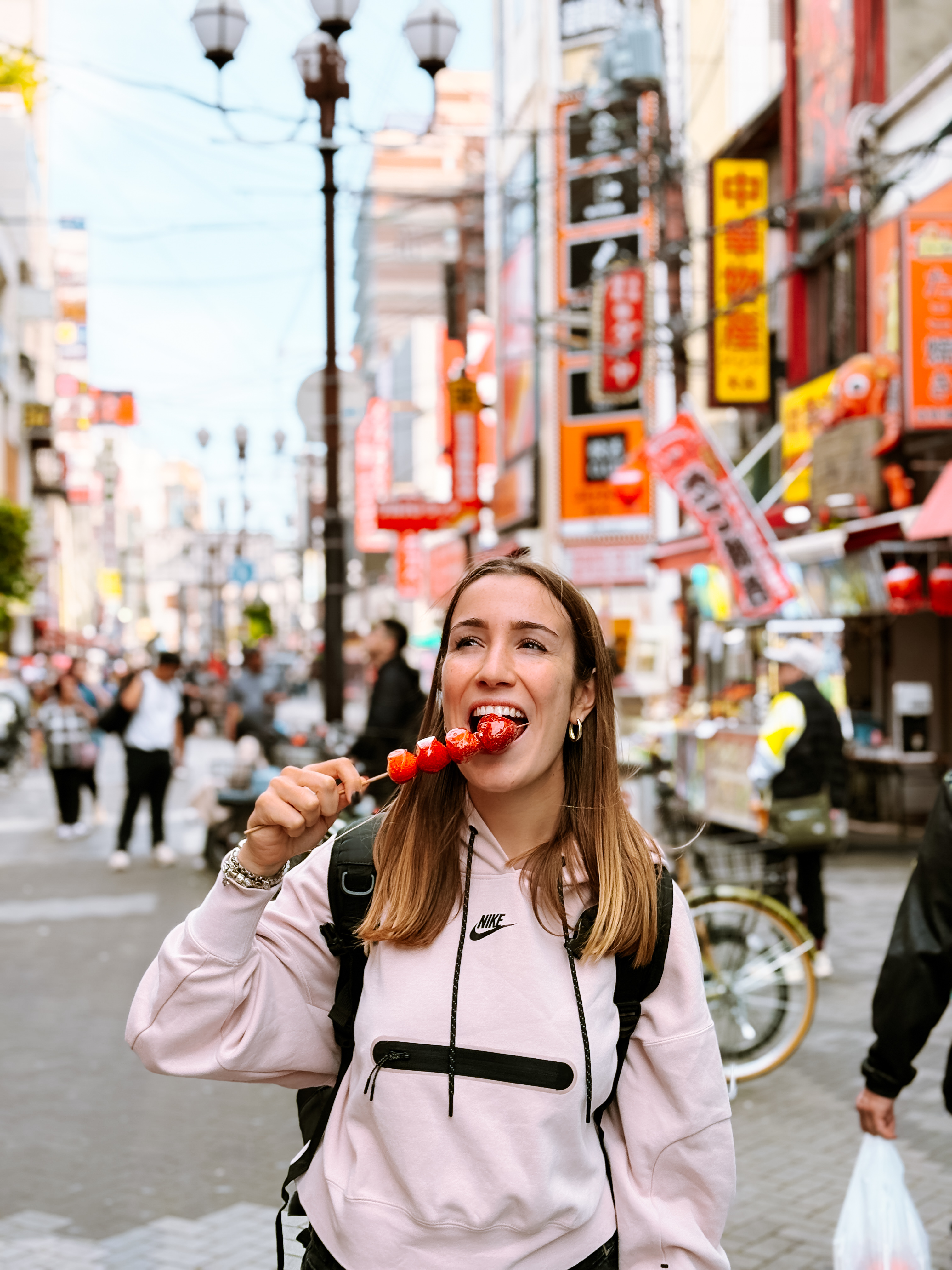
Dotonbori is a concentration of illuminated signs, restaurants, shops and street food.
The famous Glico sign is one of the city's most photographed landmarks and attracts visitors at all hours. By day the neighbourhood is lively, but it is after sunset in particular that the lights create a special atmosphere.
It is the ideal place to try takoyaki, browse the local venues and observe everyday life in Osaka.
Price: free.
Recommended time: at least 1–2 hours, though you can easily spend a whole evening there.
America Mura: young fashion and urban culture
America Mura, often shortened to Amemura, is a neighbourhood known for youth fashion, independent shops, vintage clothing and urban culture.
Here you can find second-hand clothing, streetwear, small shops and businesses that reflect a creative side of Osaka.
It is an interesting stop if you want to alternate cultural visits with a few hours of shopping.
Price: free.
Recommended time: 1–2 hours.
Day 7: Osaka
Katsuo-ji: the temple of the daruma
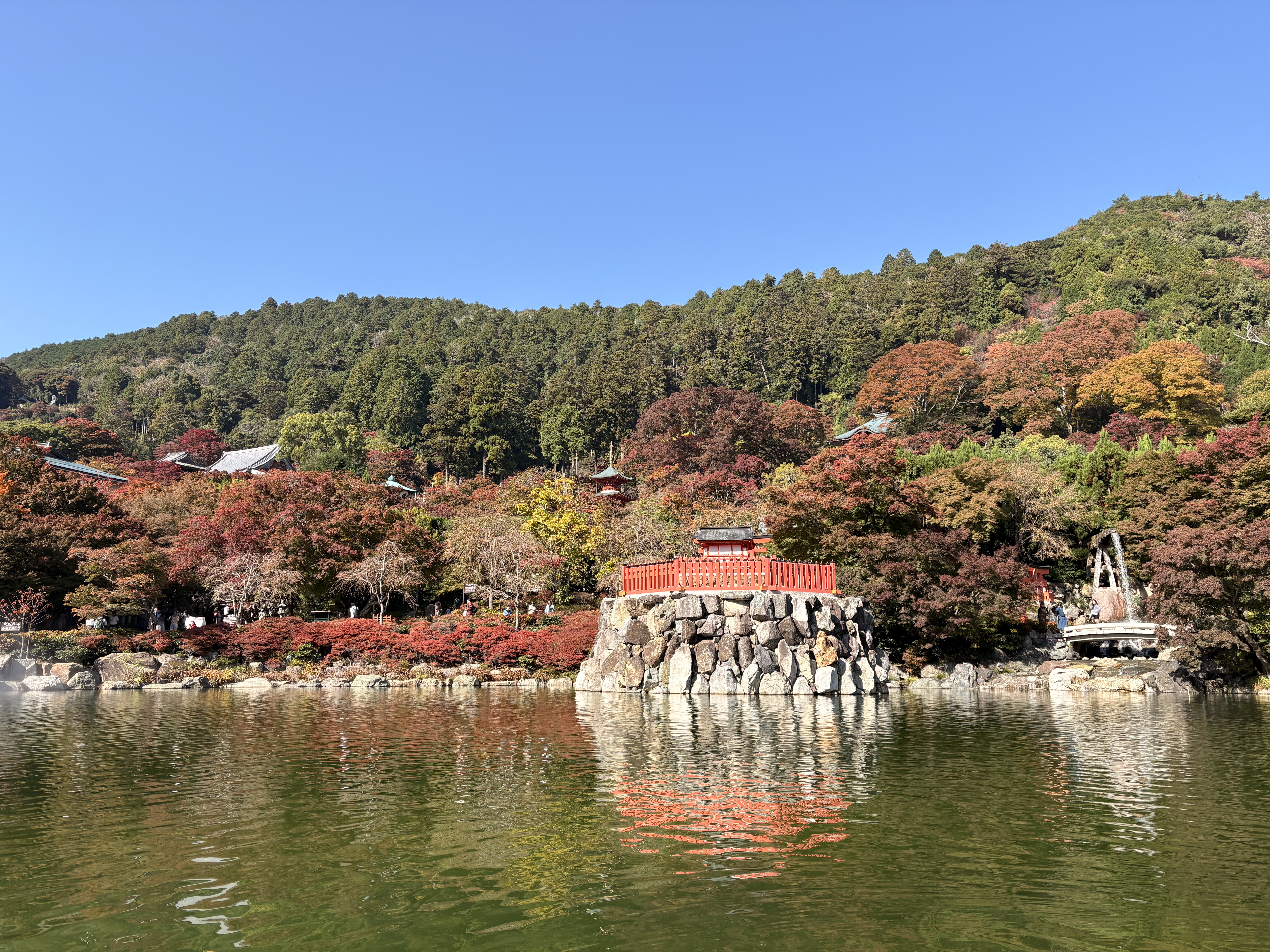
Katsuo-ji is a Buddhist temple located north of Osaka, famous for its daruma, the traditional Japanese figures associated with perseverance and achieving goals.
Approximate opening hours:
Weekdays and Sundays: 8:00–17:00.
Saturday: 8:00–18:00.
The last entry is normally 30 minutes before closing.
Approximate price: 500 yen for adults.
Recommended time: 1–2 hours.
How to get there: From Umeda, take the metro to Minoh-Kayano. Take the Midosuji line northbound to the terminus at Minoh-Kayano. Some trains continue directly onto the Kita-Osaka Kyuko line, so you normally won't need to change.
Approximate travel time: 25–30 minutes from the Umeda/Nakatsu area.
Exit Minoh-Kayano Station, go to platform 8 and take the Hankyu bus bound for Katsuo-ji, listed as route 30.
Duration: around 20–25 minutes.
Approximate cost: 800 yen per journey.
Stop: Katsuo-ji, near the temple entrance.
Buses run less often than the metro: at weekends they generally pass every 20 minutes, while on weekdays they may come every 30 minutes. Always check the up-to-date timetable before you set off.
Daruma and the wishes to be fulfilled
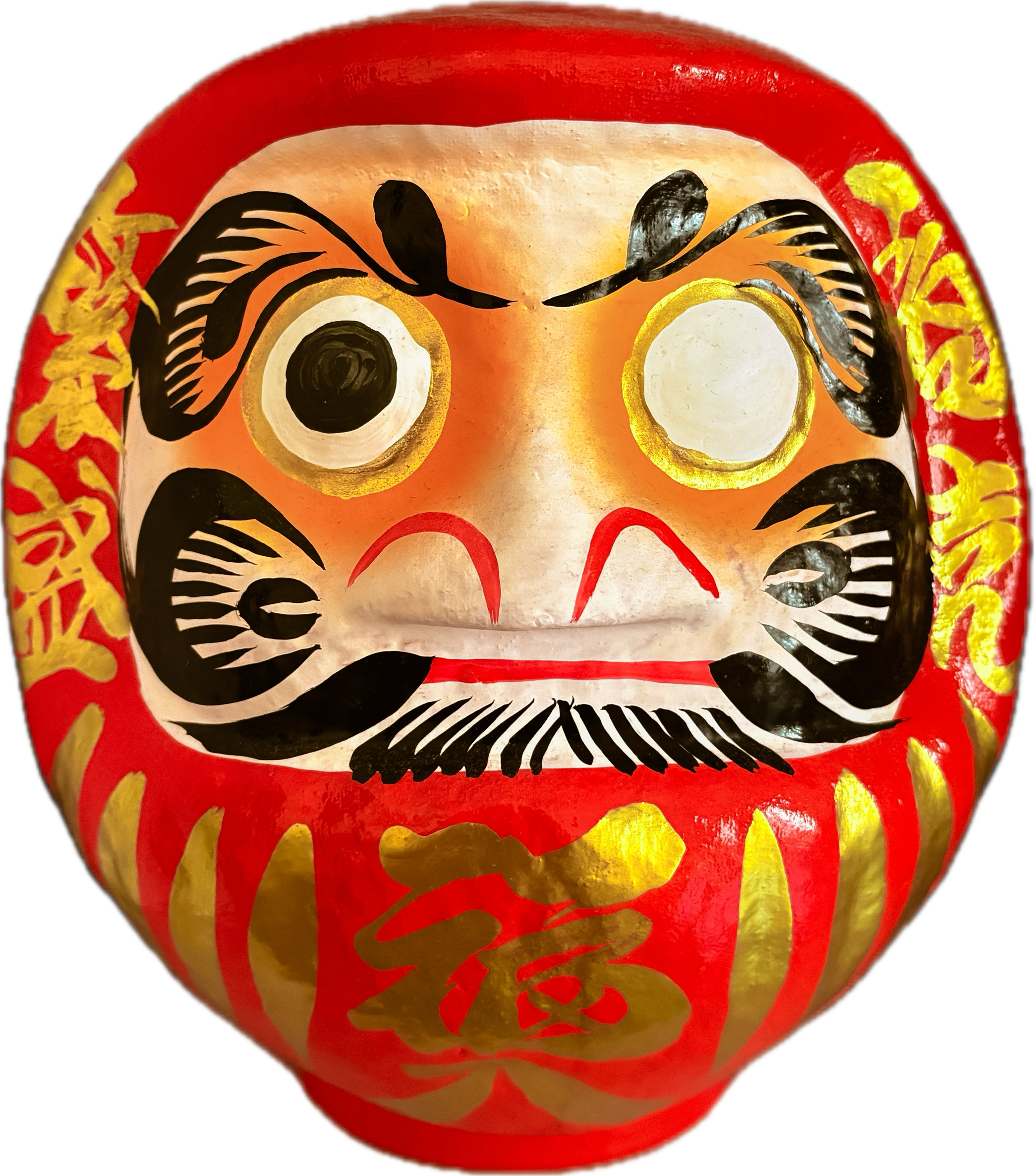
Have you ever seen those round, red dolls without pupils? They are called daruma and are Japanese charms associated with perseverance and achieving one's goals. Watch the Reel!
Tradition has it that you paint in one eye when making a wish or setting a goal, and the second when it has been achieved. Their rounded body symbolises the ability to get back up after a fall: a nod to the Japanese proverb 'Fall seven times, stand up eight'.
These are not mere decorations: they are a little reminder not to give up in the face of difficulties!
Red is the most traditional colour, but daruma come in various colours, each associated with different meanings and wishes.
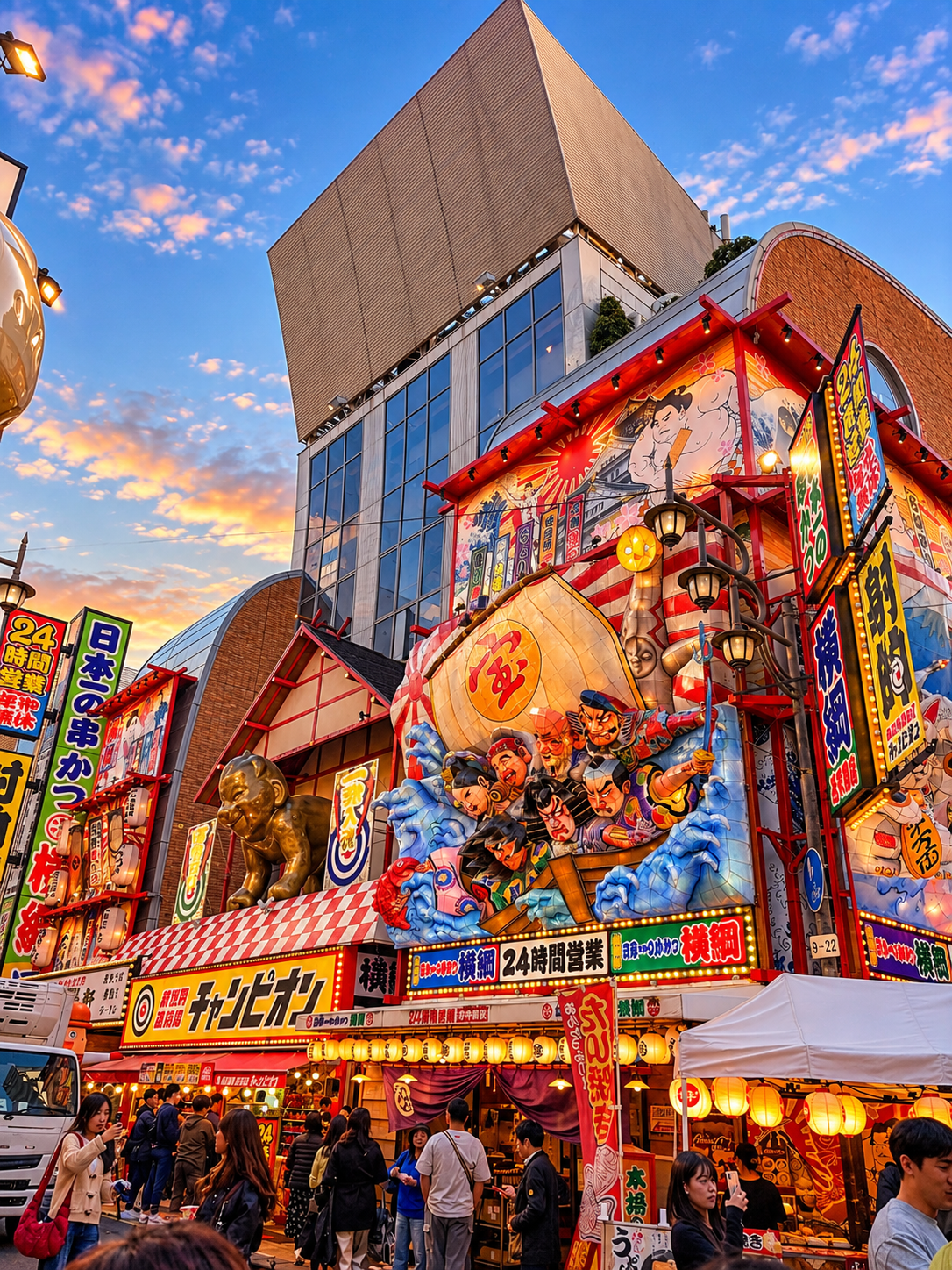
Shinsekai: the district of old Japan
Shinsekai literally means “New World”, but the district has an atmosphere that recalls Osaka of another era.
The streets are full of colourful signs, traditional restaurants and venues specialising in popular dishes. It is one of the most interesting areas for seeing a more informal side of the city and stopping for something to eat.
Tsutenkaku Tower
Tsutenkaku Tower is the symbol of Shinsekai and dominates the district with its unmistakable structure.
Shinsekai Toei
If you love cinema, you can look for the Shinsekai Toei cinema, a venue linked to a more traditional way of experiencing film.
Shinsekai is a perfect area to try kushikatsu, the breaded and deep-fried skewers that are one of the local specialities.
Tennoji and Abeno Harukas 300
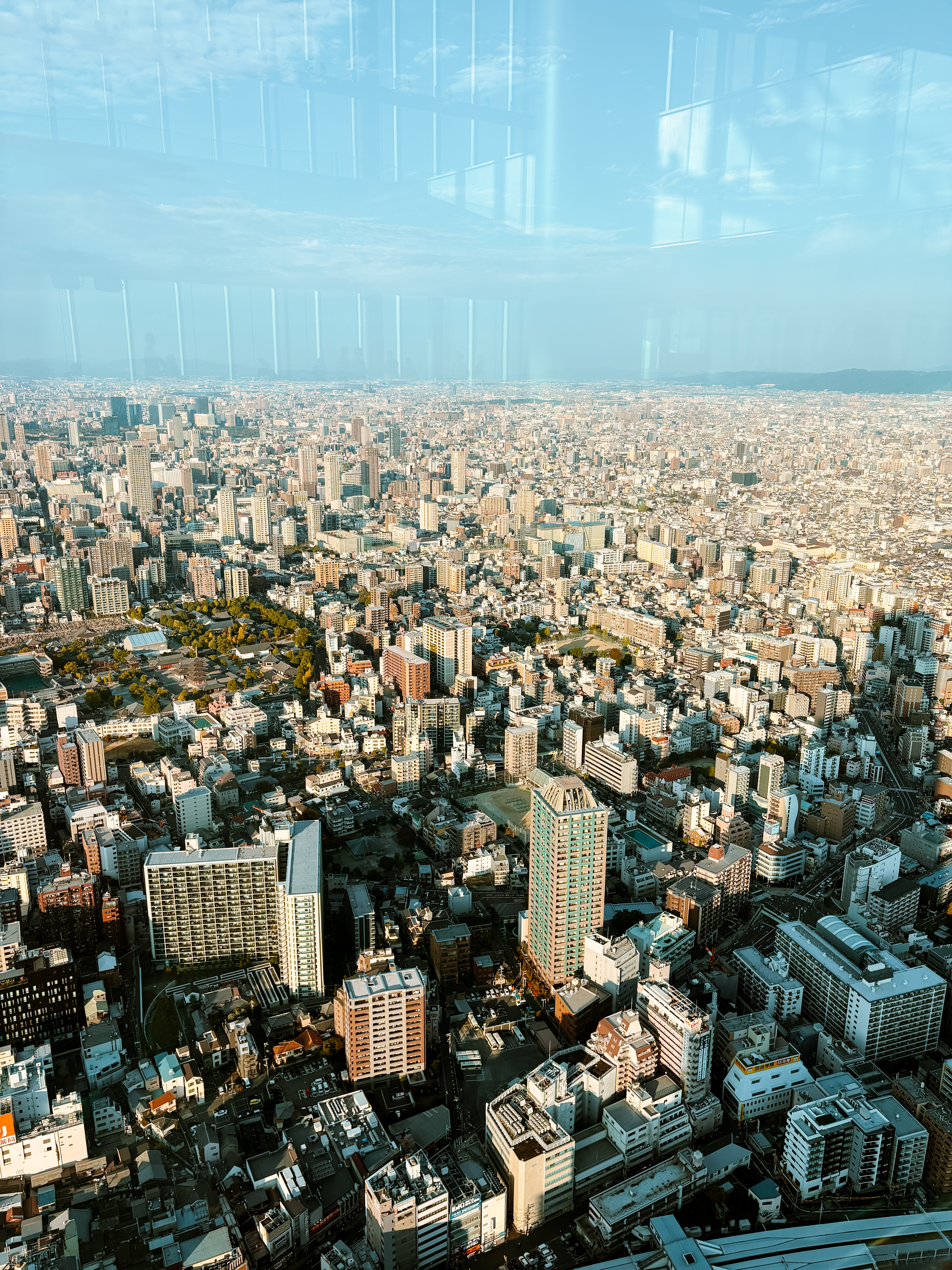
The Tennoji area offers an interesting contrast between temples, parks and contemporary architecture.
Here stands Abeno Harukas, a skyscraper about 300 metres tall that houses an observation deck.
Approximate observatory opening hours: 9:00–22:00.
Approximate price: 2,000 yen for adults for the standard ticket.
Recommended time: about an hour.
Day 8: Nara Park
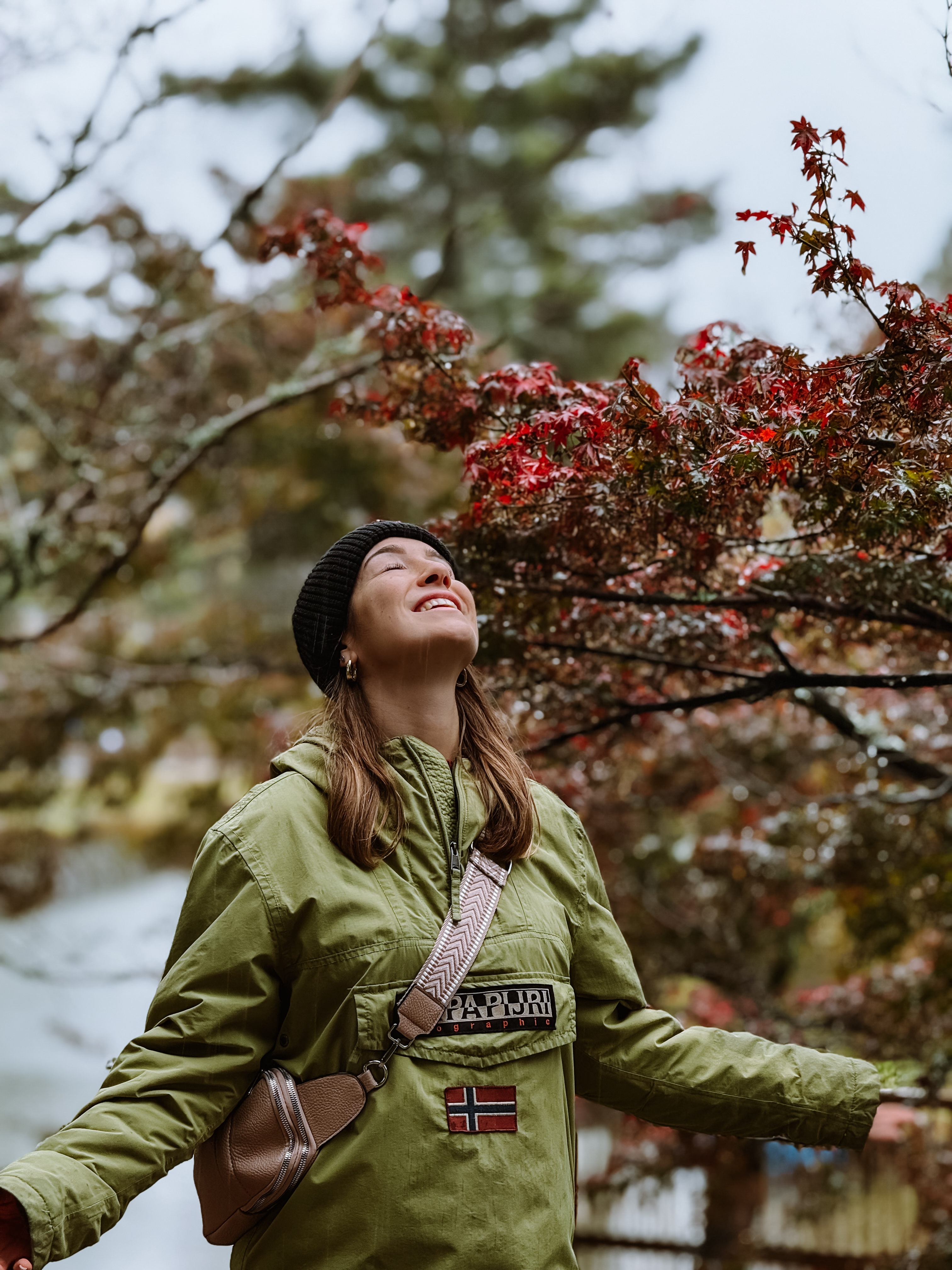
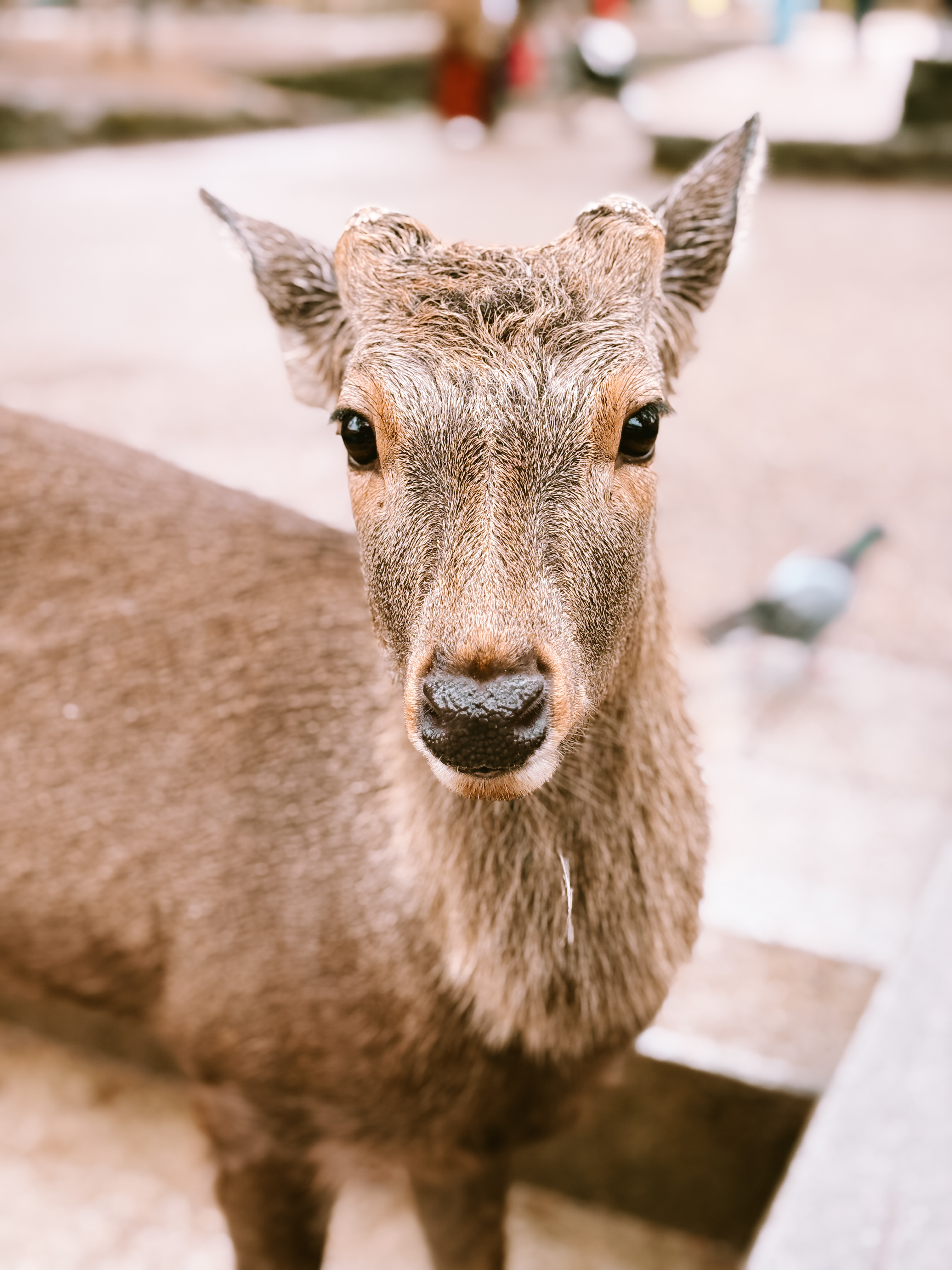
If you have a day to spare, you can organise an excursion to Nara, a historic city famous for its temples, the deer that live in the park and its cultural heritage.
Nara Park is one of the best-known spots, but you can also visit temples and other historic sites.
How to get there: from Osaka you can reach Nara by train using several lines, including JR and Kintetsu. The journey time varies depending on the departure station and type of train.
Recommended time: at least half a day
Day 9: Universal Studios Osaka
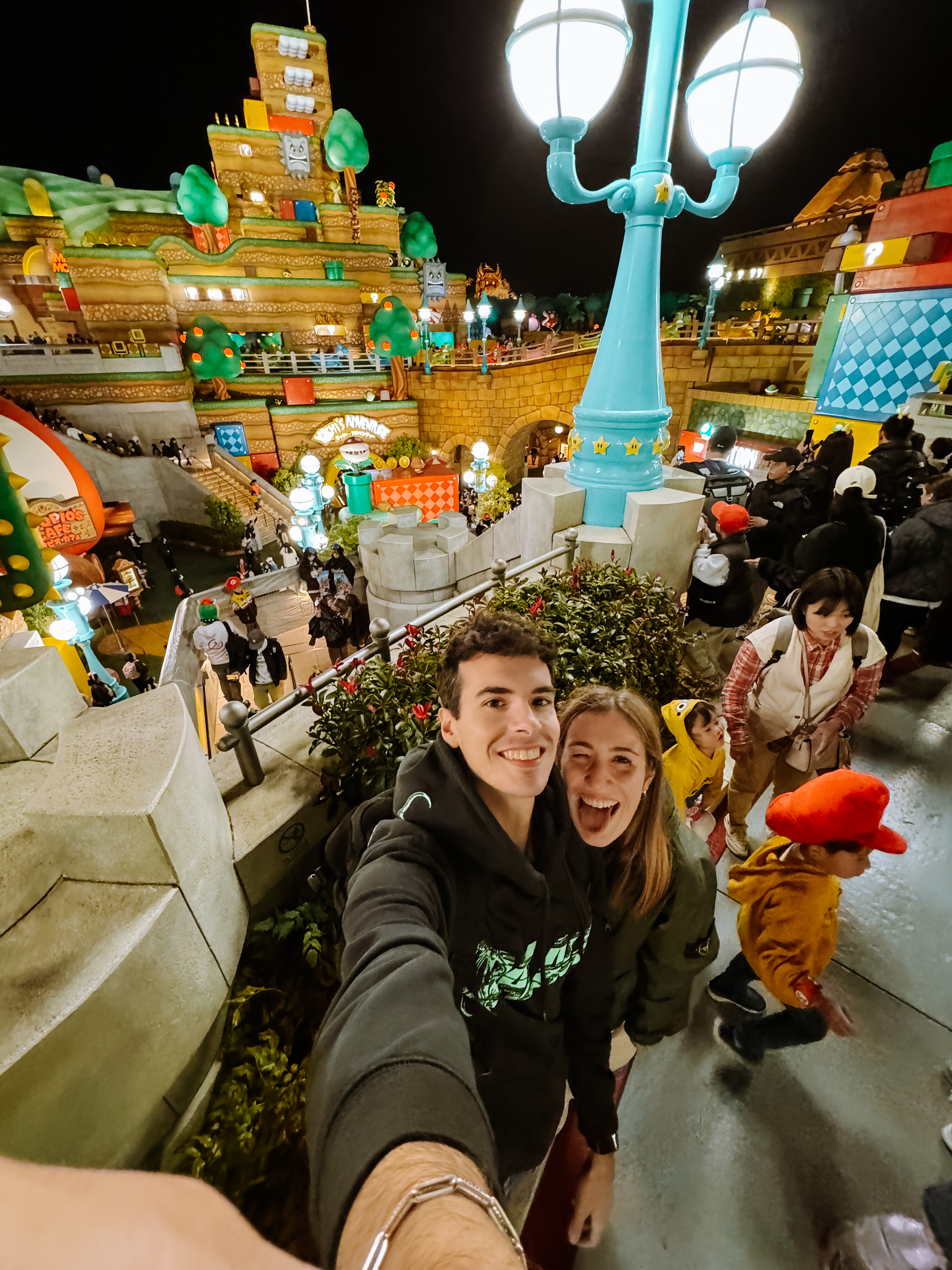
If you love theme parks, Universal Studios Japan is one of the city's best-known experiences.
The park includes attractions inspired by films, series and video games, as well as themed areas such as Super Nintendo World.
This is an experience to which it is worth devoting a whole day, especially if you want to visit several attractions.
How to get there: the park can be reached by train. From Osaka Station the journey generally takes about 20–30 minutes, depending on the connection.
Price: varies according to the date. The standard day ticket can start from around 8,200 yen, but the actual cost should be checked on the official calendar.
Opening hours: vary depending on the date.
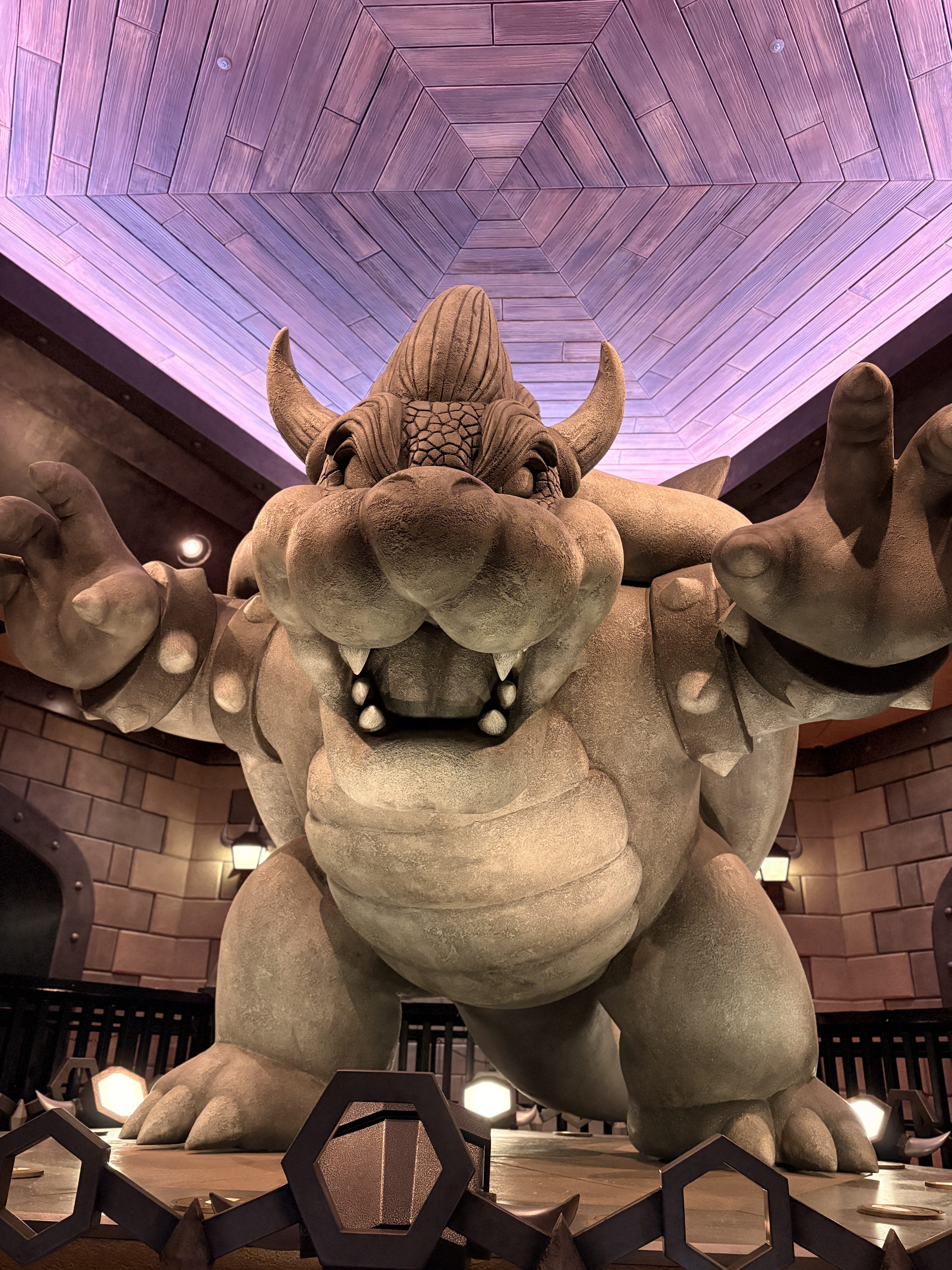
Book in advance and check the access conditions for the most popular areas, such as Nintendo, which require separate bookings.
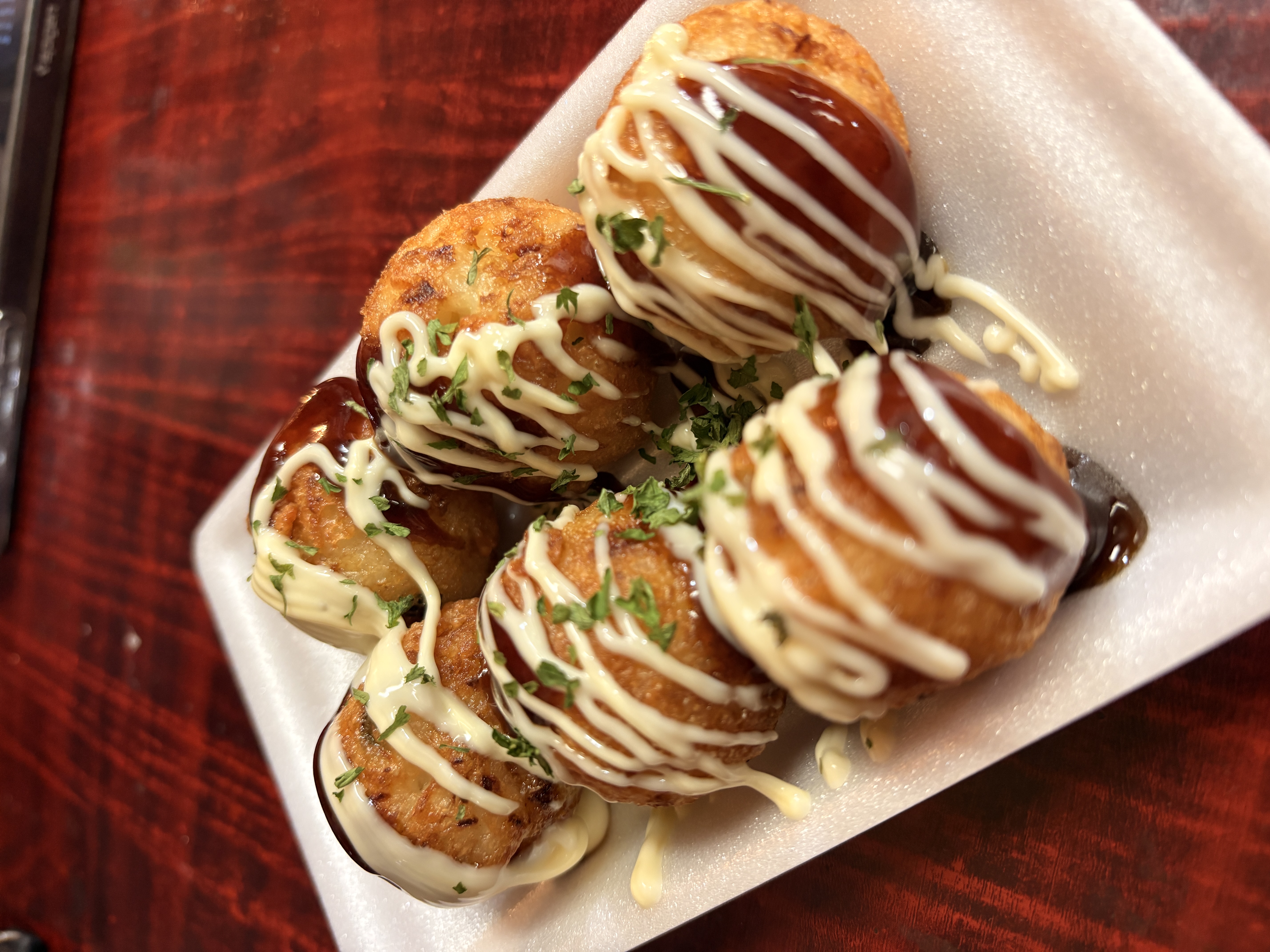
What and where to eat in Osaka
Osaka is famous throughout Japan for its food culture. It is no coincidence that it is often associated with the expression kuidaore, which evokes the idea of spending money on food to the point of excess.
Here food is an integral part of everyday life: you will find it in small eateries, markets, street food counters and the illuminated streets of Dotonbori.
See the full article here for all my tips
Day 10: Hakone, a stop I might have skipped
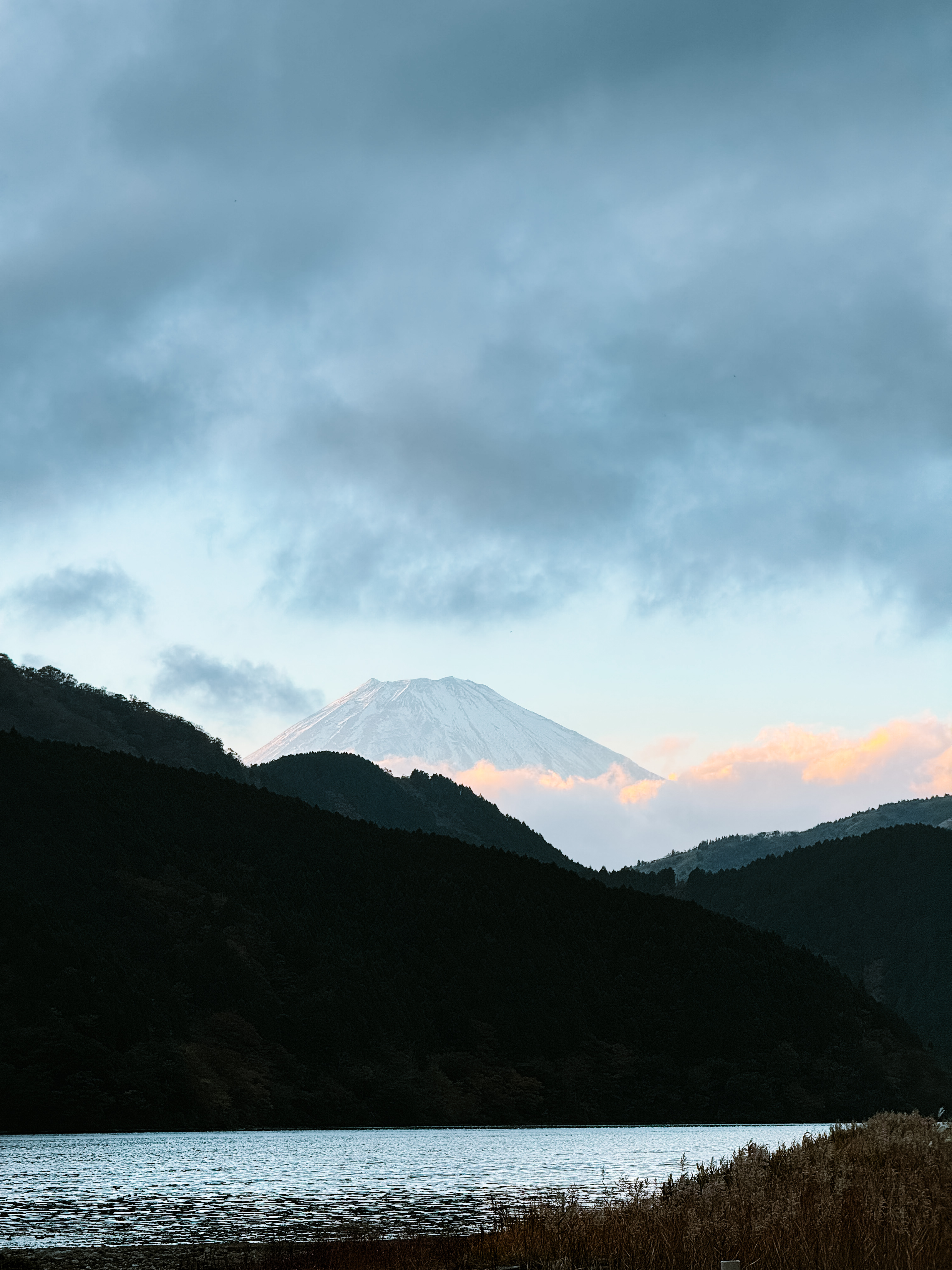
From Shin-Osaka, take the Shinkansen to Odawara: the journey takes about 2:00 / 2:30 hours, depending on the train and connections. A single ticket costs approximately ¥12,320 without a reserved seat or ¥12,850 with a reserved seat. You can choose between Hikari and Kodama; check timetables and the exact price for the day of travel.
From Odawara to Lake Ashi, take the Hakone Tozan bus, Line T (Togendai Line), towards Togendai. It departs from stop 4 at the east exit of Odawara Station and passes through Hakone-Yumoto; the journey to Togendai takes about 50 minutes (we actually took 3 hours, which is why I originally wrote that I would skip this stop, dedicating this day to something else). The fare is roughly ¥900–¥1,500, or you can use the Hakone Freepass if you have bought it (I didn't get it).
Lake Ashi
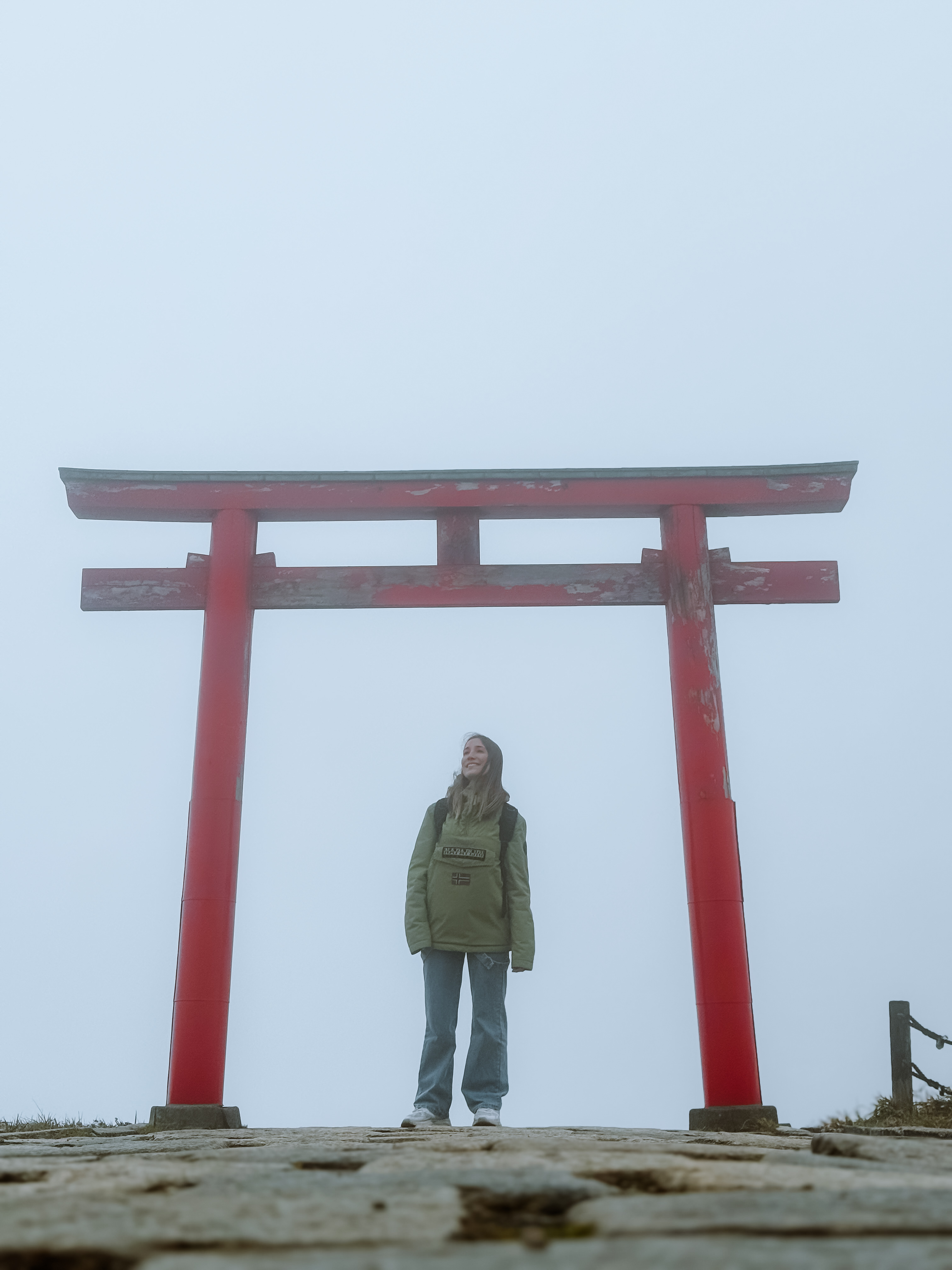
From Togendai you can take the sightseeing boat across the lake and disembark at Hakone-machi or Moto-Hakone; allow about 25–40 minutes for the crossing, and check the last useful departure for returning to Odawara.
Cable car
Please note, the Komagatake Ropeway does not depart from Togendai: the station is at Hakone-en. The Hakone Ropeway departs from Togendai instead, linking the lake to Owakudani. If you want to include Komagatake, consider Hakone-en as a separate stop and check the transport you will need.
Yunessun Spa Resort
From Lake Ashi to Yunessun, take the Hakone Tozan bus, route T, from Togendai towards Odawara/Hakone-Yumoto and get off at the Kowakien or Yunessun-mae stop. Allow around 30–40 minutes; from the Yunessun stop it is just a few steps away. If you are instead in Moto-Hakone, take route H towards Hakone-Yumoto/Odawara and get off at Kowakien. Check the timetables for the day, as services may vary.
A thermal bath area with pools and tubs, entered in swimwear, divided between men and women.
Opening hours: 10:00–18:00 on weekdays and 9:00–19:00 at weekends and on public holidays.
Price: ¥2,500–¥3,000 per adult.
Where to stay: Ryokan Plum
Area: Odawara
Price: approximately €107 per night
Booking: Booking.com
Where to eat: Niboshist (ramen)
Day 11: Tokyo
From Odawara to Tokyo you can take the Shinkansen Hikari or Kodama: the journey to Tokyo Station takes about 30–45 minutes. A one-way ticket costs approximately ¥3,280 without a reserved seat or ¥3,810 with a reserved seat.
Where to stay: Hotel Sunshine City Prince
Area: Ikebukuro, in the Sunshine City complex.
Price: around €38 per night
Booking: Booking.com
Liberty Shinjuku House
Area: Kawadachō district, in the administrative quarter of Shinjuku
Price: around €58 per night
Booking: Booking.com
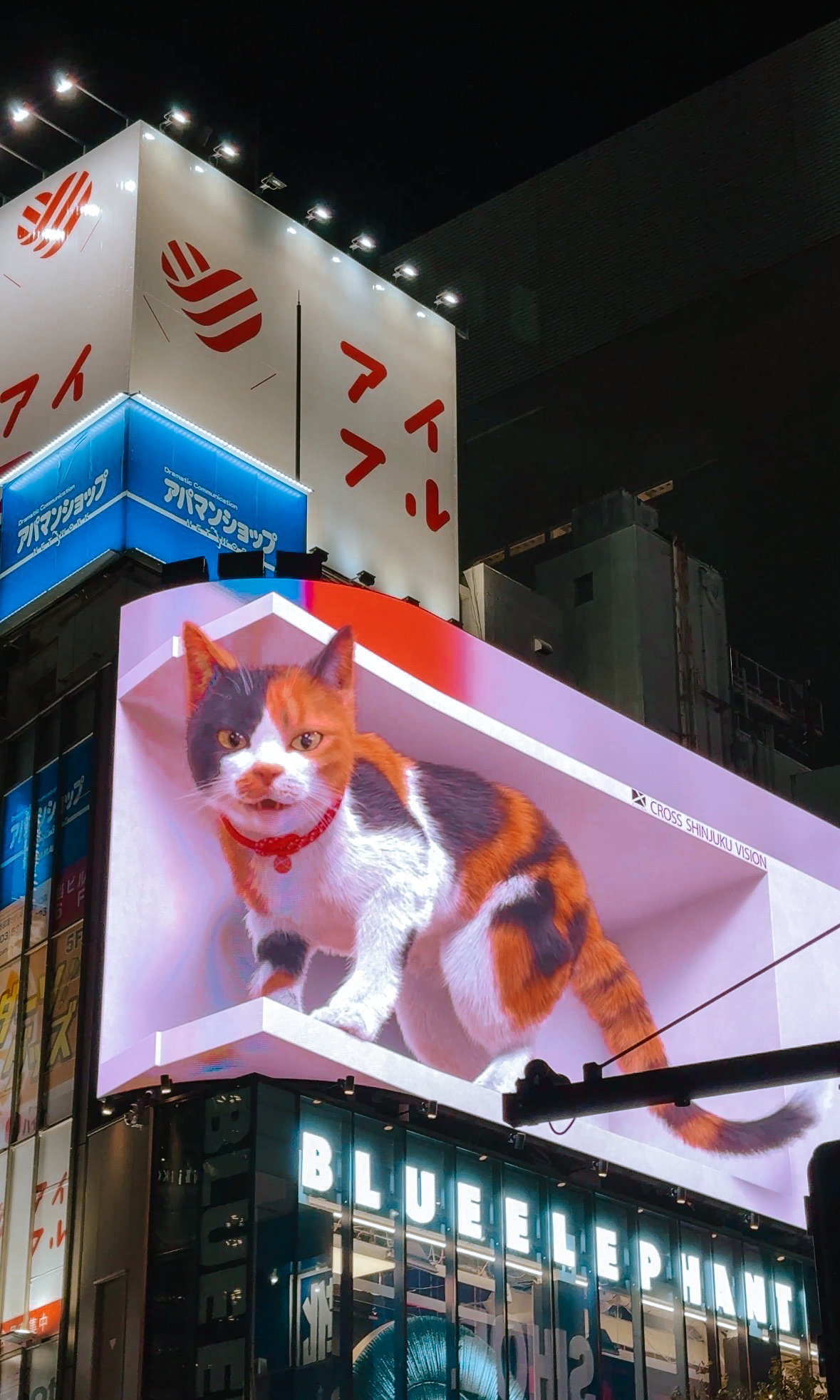
Shinjuku: skyscrapers, neon signs and quirky bars
Shinjuku is one of Tokyo’s liveliest districts, famous for its skyscrapers, alleys full of small restaurants and streets lit by neon signs. It is an interesting area both during the day and after sunset.
Tokyo Metropolitan Government Building
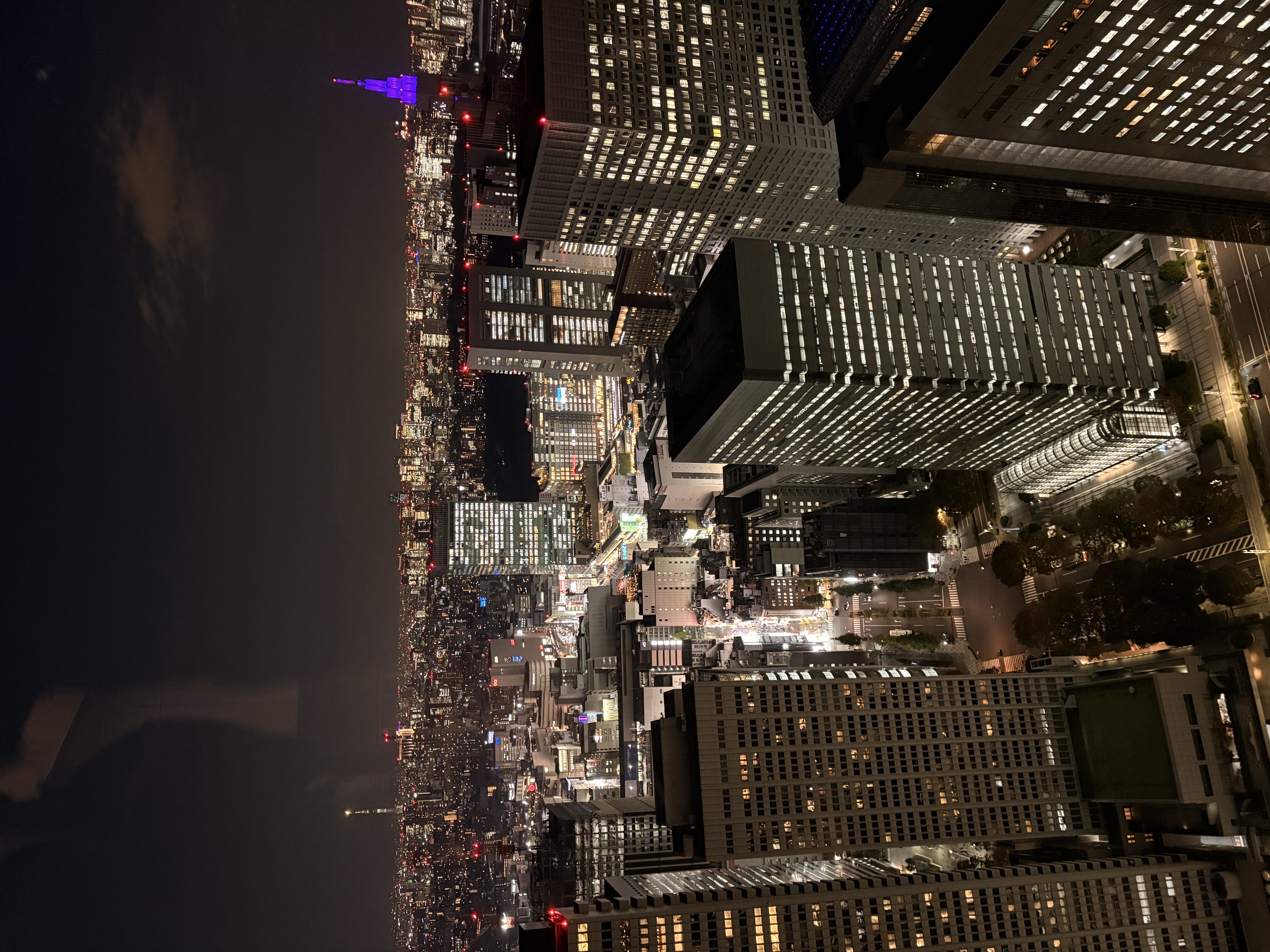
One of the best free viewpoints in the city. The building houses two observation decks about 202 metres up, from which you can admire Tokyo and, on clear days, even Mount Fuji.
Opening hours: generally 9:30–22:00.
Last entry: 21:30.
Price: free.
Closing times: these vary depending on the observatory. The north and south towers have different closing days.
Recommended time: 30–60 minutes.
Omoide Yokocho
A cluster of characteristic alleys near Shinjuku Station, with small venues specialising mainly in yakitori and casual Japanese cuisine.
Opening hours: these vary from venue to venue; many open in the afternoon and stay open until late evening.
Price: free.
Cost of the visit: depends on what you consume.
Recommended time: 30–60 minutes.
Kabukicho
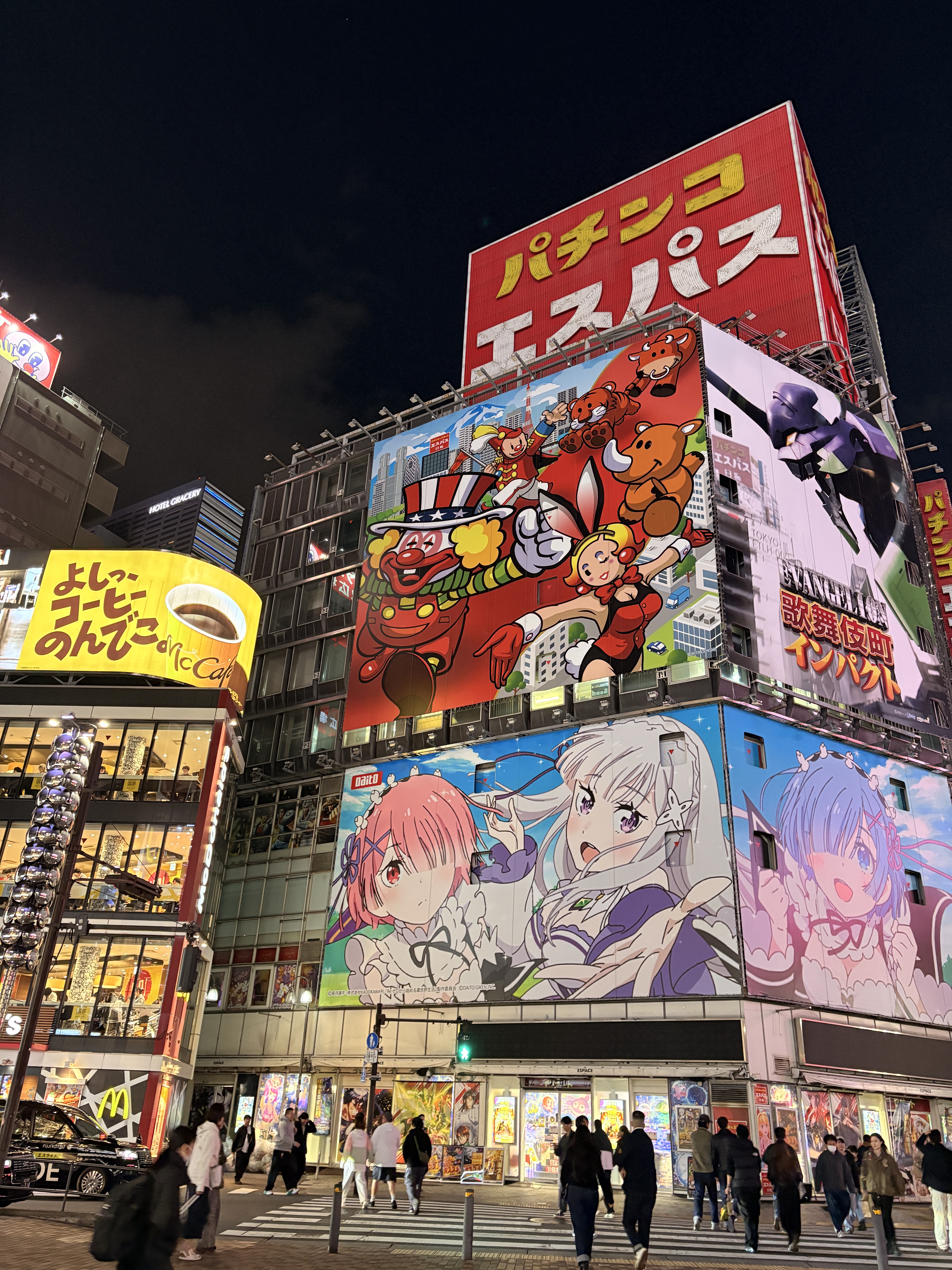
This is one of the best-known districts for Tokyo's nightlife, characterised by illuminated signs, amusement arcades, restaurants and entertainment venues.
Opening hours: the district is accessible at any time; the businesses have their own hours.
Price: free.
Recommended time: 30–60 minutes.
Golden Gai
An area made up of narrow alleys with numerous small bars, many of which have very few seats.
Opening hours: generally from late afternoon into the night, varying from venue to venue.
Price: no ticket needed to stroll around the area.
Additional costs: some venues apply a cover charge or a table charge.
Recommended time: 30–60 minutes.
Shinjuku Gyoen National Garden
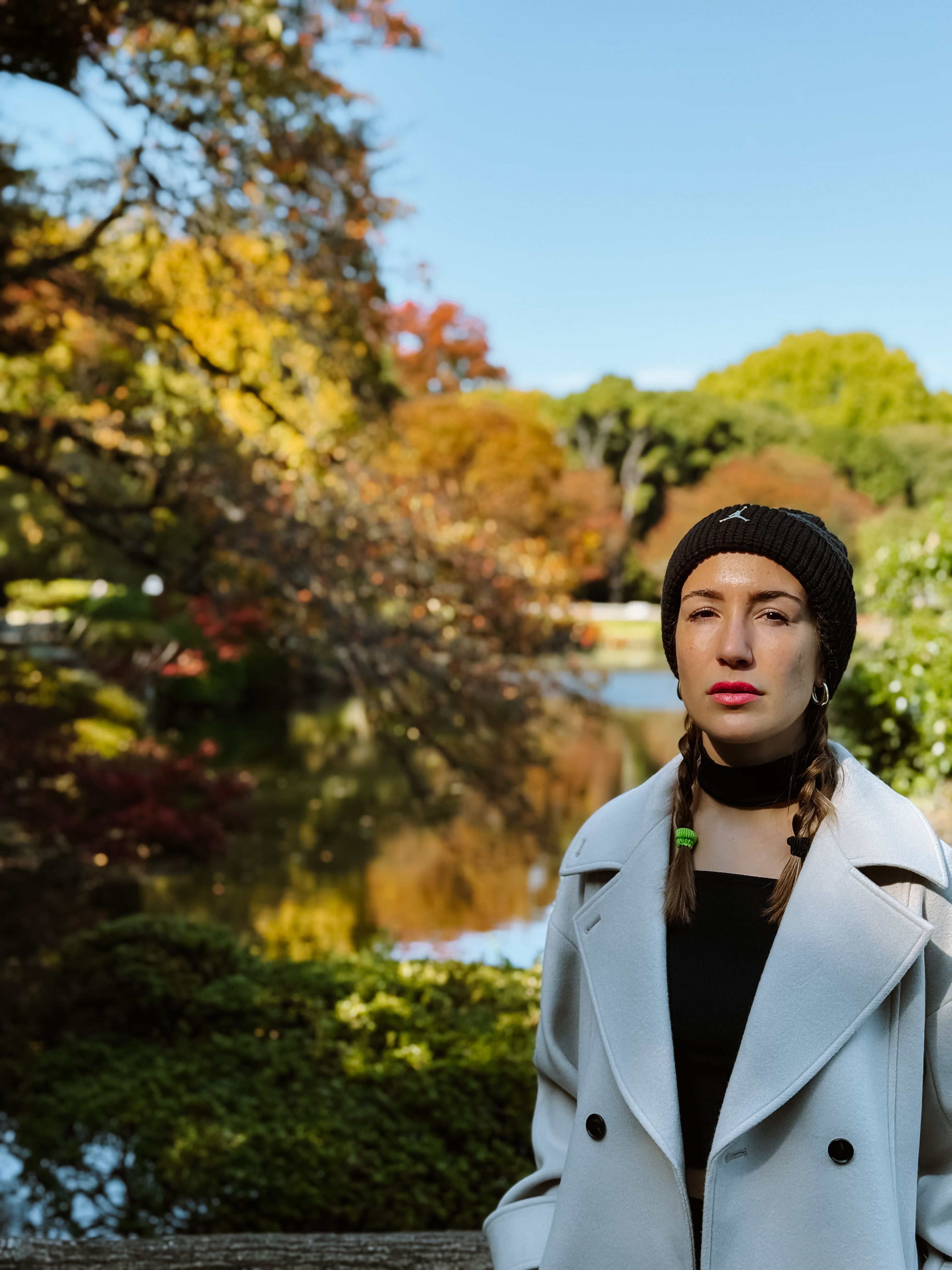
A large garden that combines Japanese, French and English landscape styles. It's a lovely alternative to the city's frenetic pace, especially in autumn.
Opening hours from November to early March: 9:00–16:00.
Gate closing times: 16:30.
Adult price: 500 yen.
Weekly closure: normally on Mondays, except for special opening periods and exceptions.
Recommended time: 1–2 hours.
Day 12: Tokyo
Harajuku and Shibuya
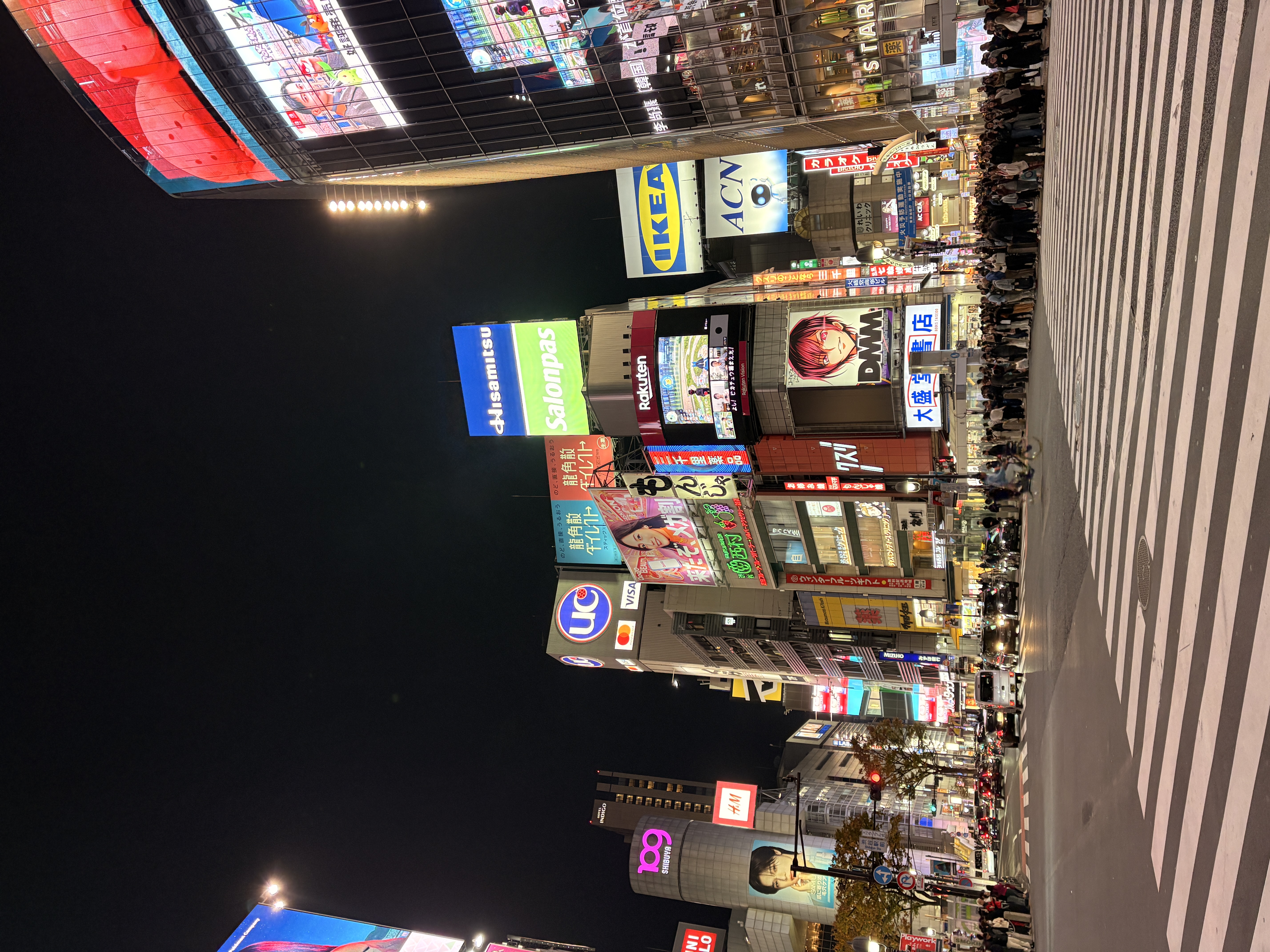
Harajuku and Shibuya lend themselves to being visited on the same day. They are two neighbouring areas with very different atmospheres: the first is famous for youth fashion and quirky shops, the second for its skyscrapers, giant screens and the city's most famous pedestrian crossing.
Meiji Jingu
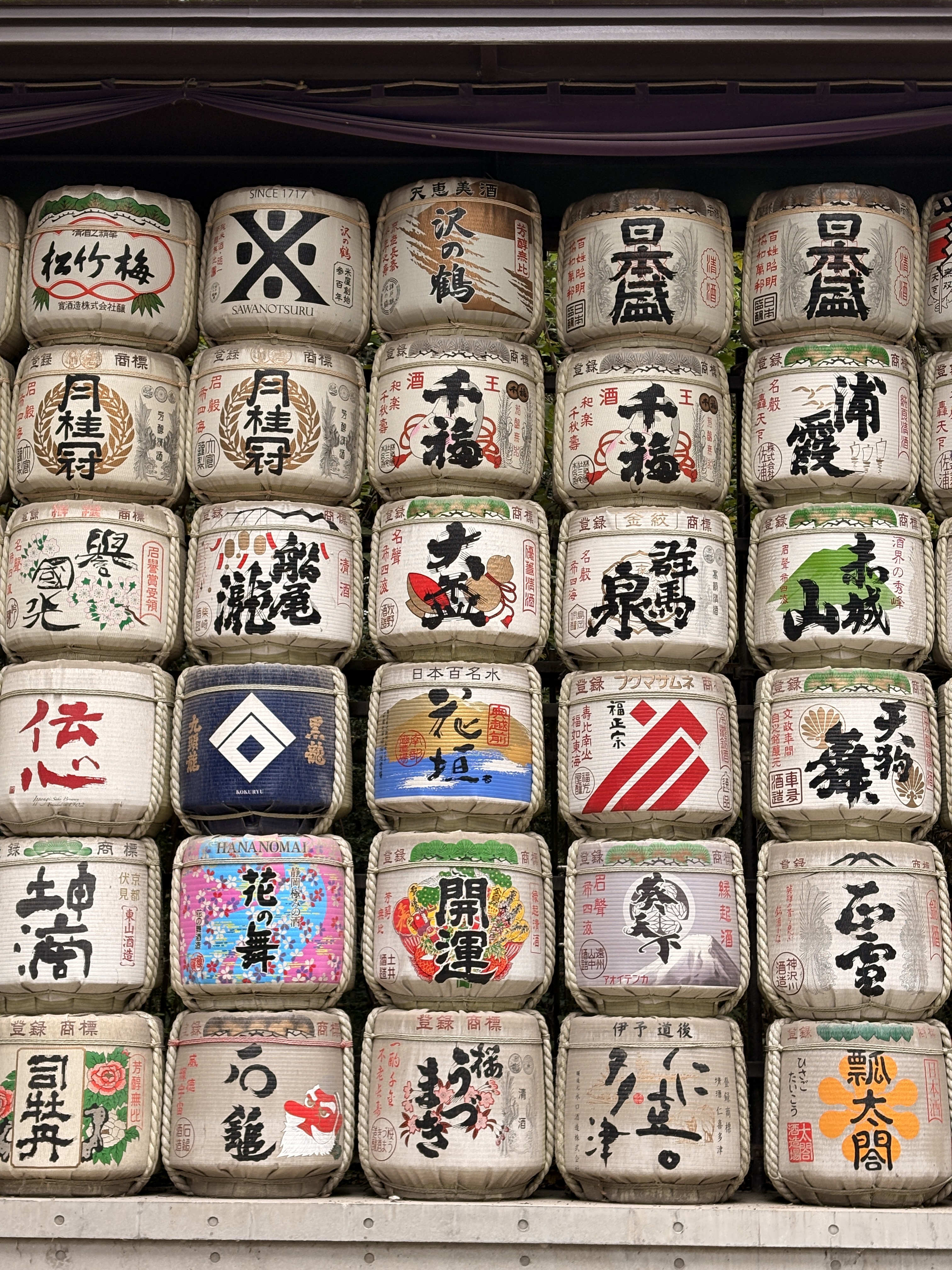
One of Tokyo's most important Shinto shrines, set within a large wooded area.
Opening hours in November: 6:10–16:10.
Price: free for the main shrine.
Recommended time: 45–90 minutes.
Takeshita Street, Harajuku
A famous shopping street known for youth fashion shops, accessories, sweets and colourful specialities.
Hours: generally from 10:00–11:00 until 19:00–20:00, with variations between shops.
Price: free.
Recommended time: 30–60 minutes.
There is no single official opening time for the whole street. It is a shopping area, so individual businesses may have different hours.
Shibuya Scramble Crossing
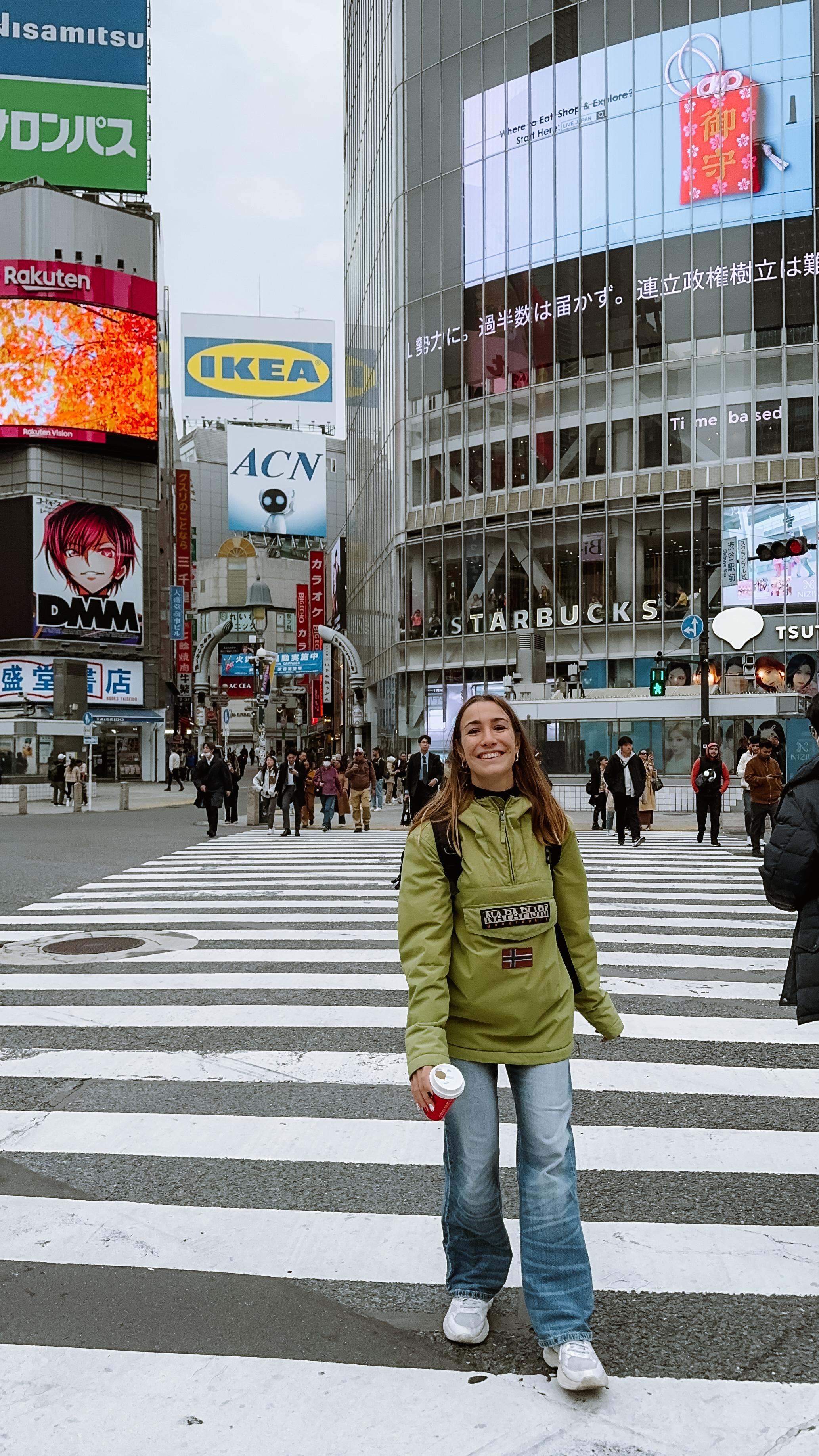
The famous pedestrian crossing in front of Shibuya station.
Opening times: freely accessible, subject to any local restrictions.
Price: free.
Recommended time: 15–30 minutes.
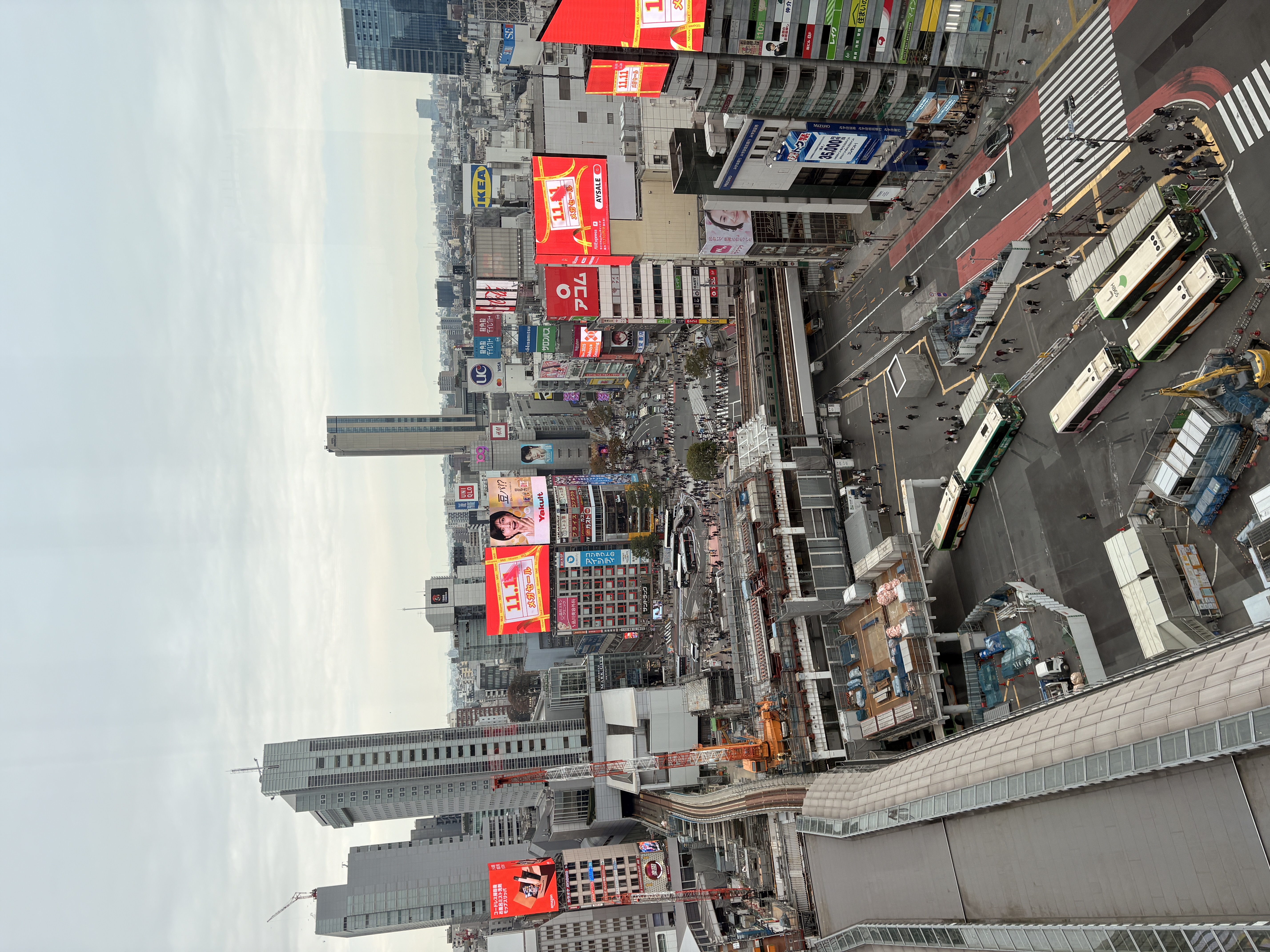
You can cross it on foot or admire it from above from one of the viewpoints in the area.
Would you like to admire the Tokyo crossing from above without buying a ticket? Let me share a spot I discovered during my trip: Shibuya Hikarie. It's an alternative worth keeping in mind if you're looking for a different viewpoint from the classic paid observatories. I went up to the eleventh floor and saw the crossing from there!
Hachiko
The statue of the dog Hachiko, near Shibuya Station.
Opening times: freely accessible.
Price: free.
Recommended time: 5–15 minutes.
This is a quick stop, which you can easily combine with the Shibuya crossing.
Shibuya PARCO: Pokémon Center and Nintendo Store
The shopping centre is home to shops dedicated to Japanese pop culture.
Approximate shop opening hours: 10:00–21:00.
Price: free.
Note: shops may operate controlled entry systems during busy periods.
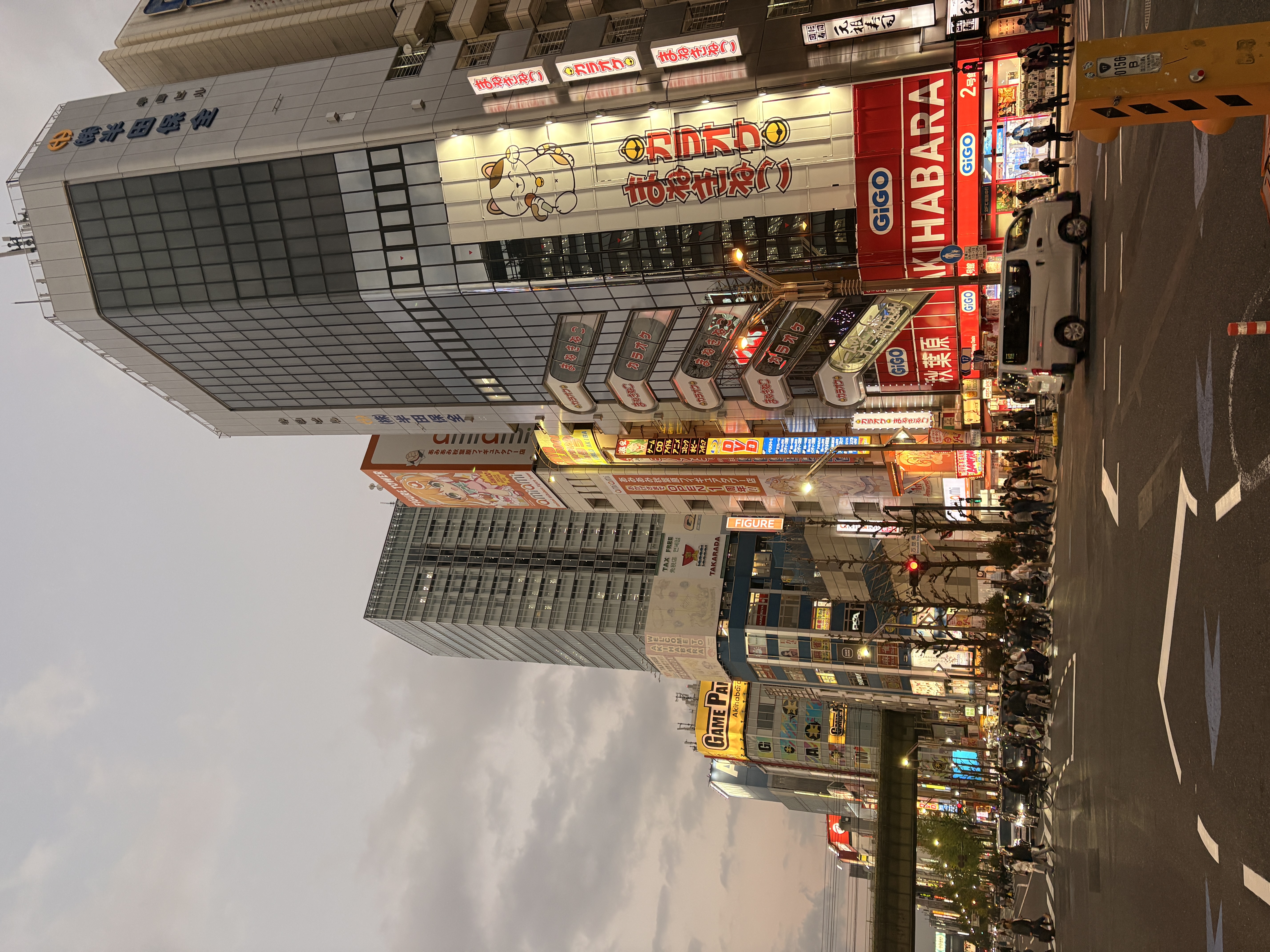
Akihabara
Akihabara is the district not to miss if you love video games, manga, anime, electronics and collecting.
1. Super Potato Akihabara
A paradise for retro video game enthusiasts! Here you'll find vintage consoles and video games, games for old Nintendo and Sega consoles, gadgets and Japanese sweets. On the fifth floor there is also a nostalgic arcade.
Hours: daily, 11:00–20:00.
Entry: free; products and games are paid for.
2. Radio Kaikan
One of Akihabara's landmark buildings, with several floors devoted to collectable figures, anime, manga, models, trading cards and items for enthusiasts. Also perfect for those who simply want to browse the shops.
Opening hours: generally 10:00–20:00, but these may vary from shop to shop.
3. Mandarake Complex
A large shop specialising in collectables, manga, anime, action figures, vintage toys and merchandise. It is an interesting stop especially if you are looking for unusual items or hard-to-find editions.
Opening hours: every day, 12:00–20:00.
4. BEEP Akihabara
A shop specialising in retro video games, old computers, vintage hardware and items for technology and gaming enthusiasts. Less general and more interesting for those who love hunting down particular pieces.
Opening hours: Monday, Tuesday, Thursday and Friday 12:00–20:00; Saturday, Sunday and public holidays 11:00–20:00. Closed on Wednesdays.
5. Surugaya Akihabara
A Japanese chain selling new and used products, including video games, consoles, merchandise and collectibles. It's worth a visit if you want to compare prices and look for a bargain.
6. BOOKOFF Akihabara Station Store
A second-hand shop where you can find books, manga, video games and other pre-owned products. A good stop for those who love hunting for bargains without necessarily spending large sums.
7. Retro Game Camp Akihabara
A shop dedicated to retro video games, with titles and accessories for various consoles. Interesting for anyone looking for vintage games and wanting to browse older generations of consoles.
Ueno
Ueno Park
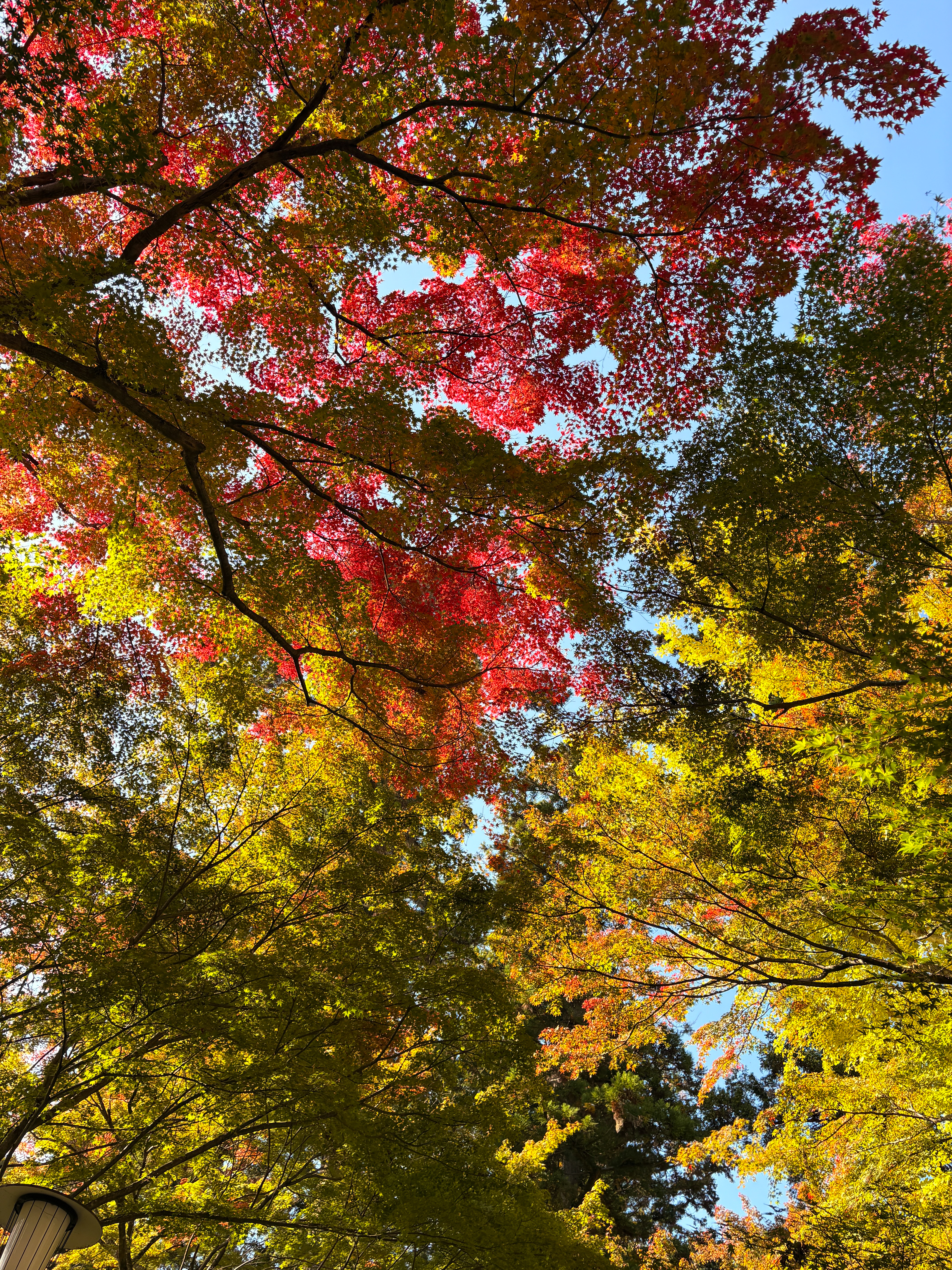
A large public park, known for its museums, its zoo and the cherry blossoms in spring.
Park opening hours: 5:00–23:00.
Price: free.
Recommended time: 1–2 hours, longer if you visit a museum.
Would you like to watch a real sumo training session live? You can do it for free here! Unfortunately I was not able to experience this myself, because the wrestlers were busy with competitions on those days, but if you get the chance, I recommend trying it!
Before going, check on the official website whether the training sessions are open to visitors, as they are not available every day.
Day 13: Tokyo
Asakusa
Asakusa is one of the most interesting areas for discovering traditional Tokyo, with temples, shopping streets and sweet shops.
Senso-ji
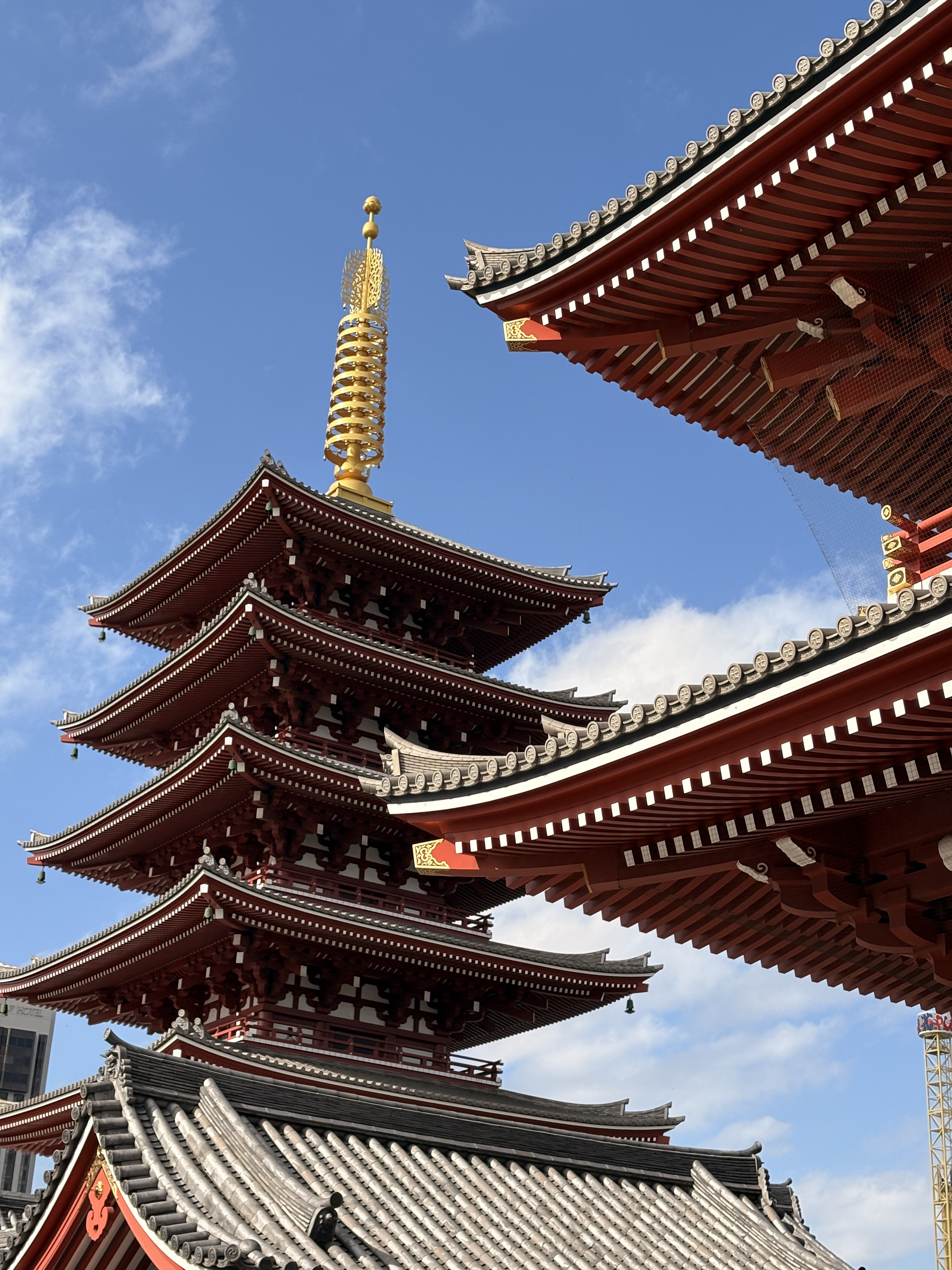
One of the most famous Buddhist temples in the city.
Complex opening hours: accessible during the day; the main buildings have their own opening hours.
Price: free.
Recommended time: 45–90 minutes.
Visiting the complex early in the morning can be a good choice to avoid part of the crowd. It is important to distinguish access to the outer area from the opening hours of the main hall.
Hanging on the back of the door are two enormous traditional straw sandals, called waraji. They are not a random decoration: they represent the large footwear of the temple guardians and symbolise their strength, so much so that they are associated with protection against evil spirits.
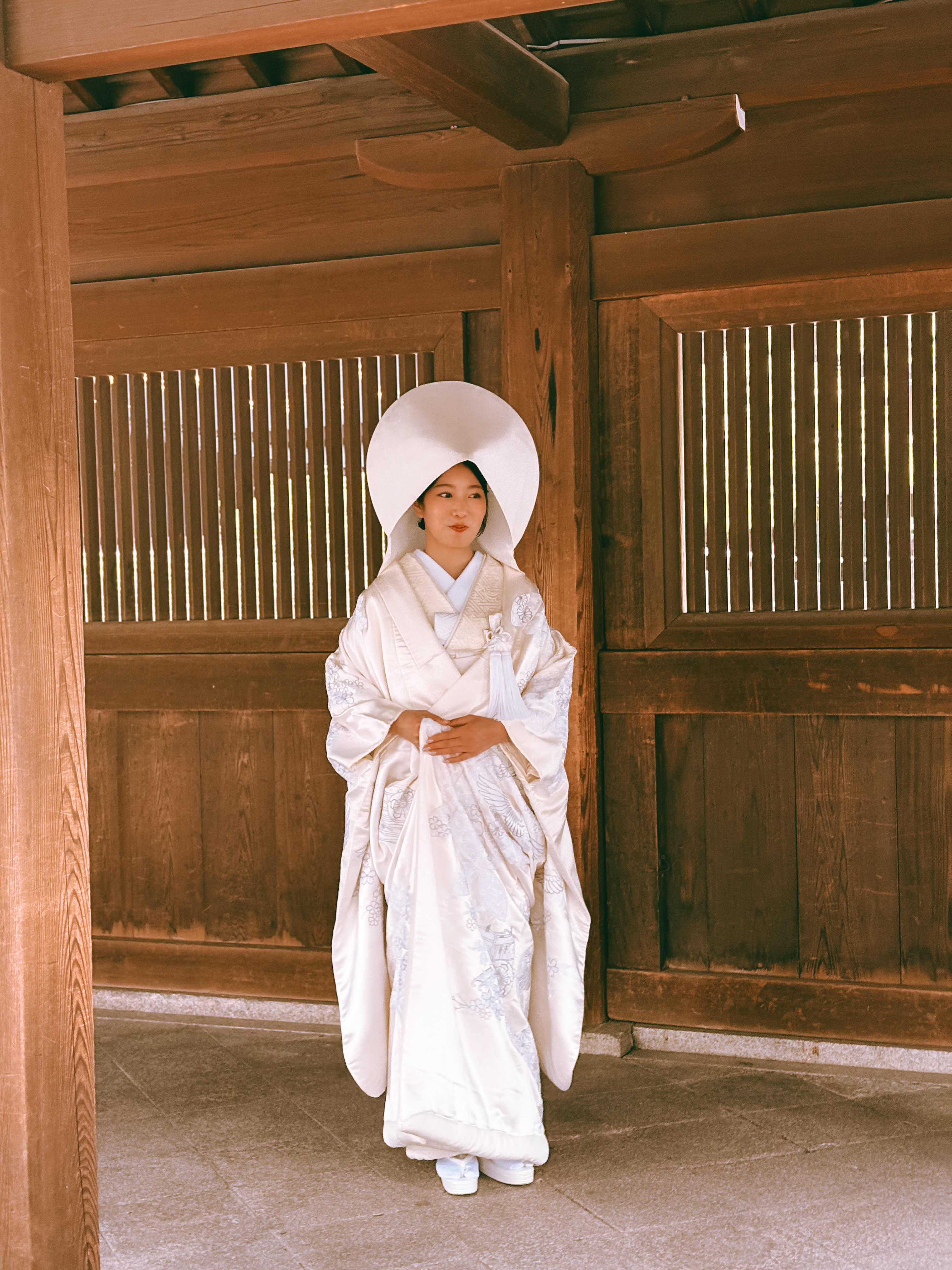
Kaminarimon
The monumental gate that leads to the Senso-ji area and the Nakamise shopping street.
Opening times: freely accessible.
Price: free.
Recommended time: 10–15 minutes.
It is a stop you can combine with the temple and the surrounding streets.
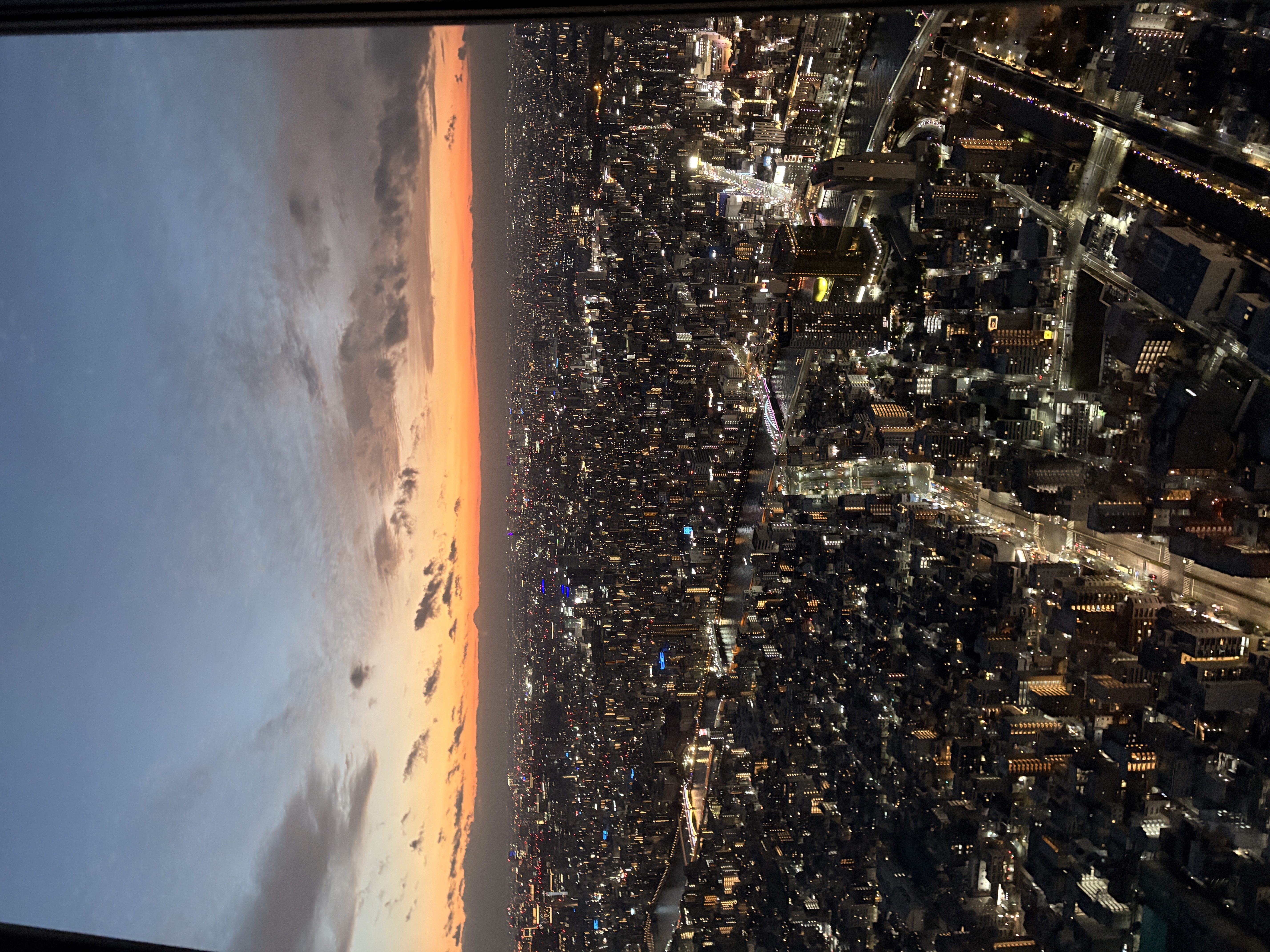
Tokyo Skytree
Tokyo Skytree is an observation tower offering a spectacular view of the city.
Approximate opening hours: 10:00–22:00 on weekdays; 9:00–22:00 at weekends and on public holidays.
Last entry: generally one hour before closing.
Price: varies depending on the ticket and date.
Booking: recommended.
Day 14: Tokyo
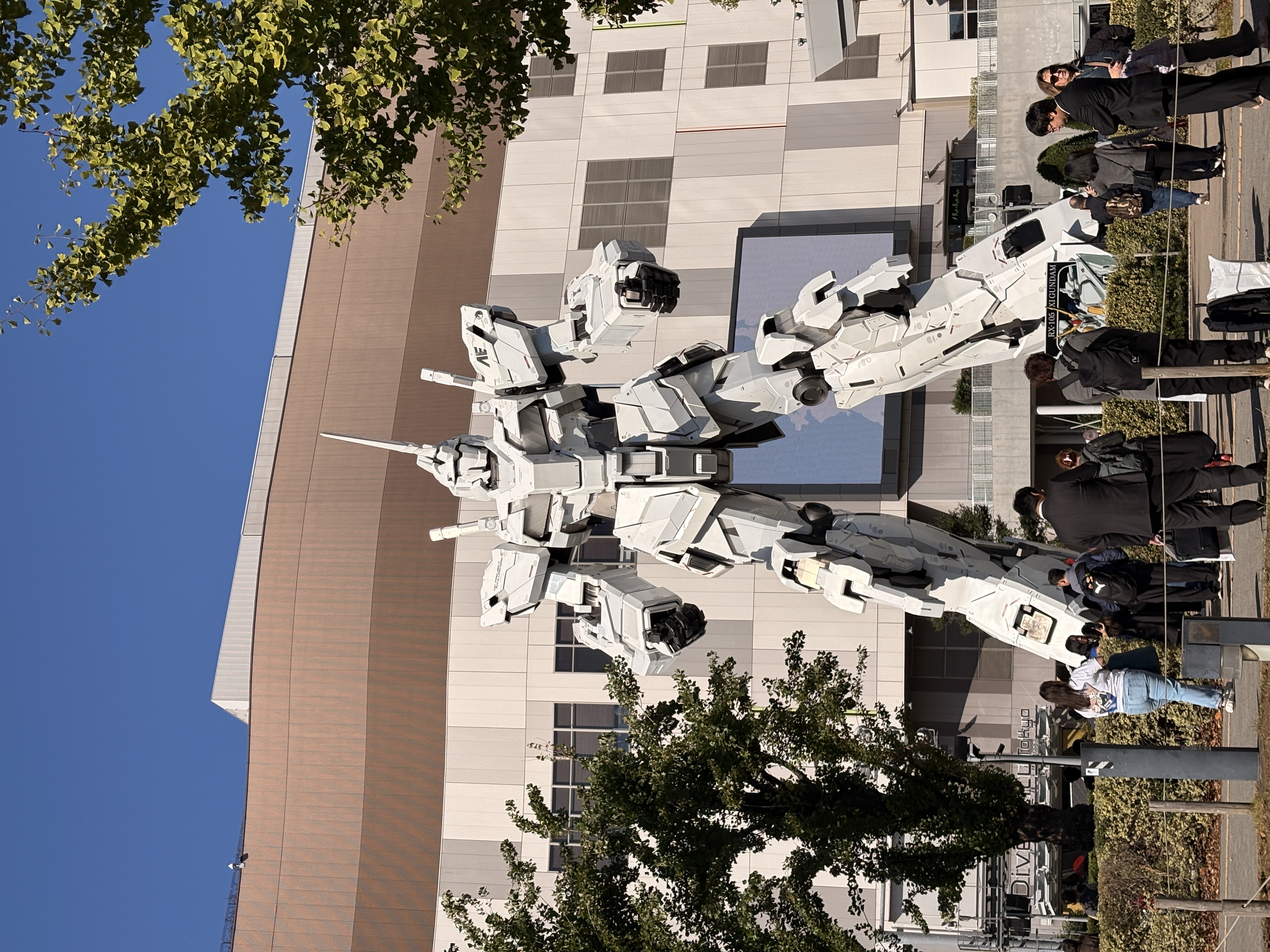
Odaiba
Odaiba is an area along Tokyo's waterfront with technological attractions, shopping centres and views over the bay.
Rainbow Bridge
The bridge can also be crossed on foot via the Rainbow Promenade.
Opening hours from November to March: generally 10:00–18:00.
Price: free.
Last entry: generally 30 minutes before closing.
Closures: there may be scheduled closures and restrictions due to bad weather.
Statue of Liberty in Odaiba
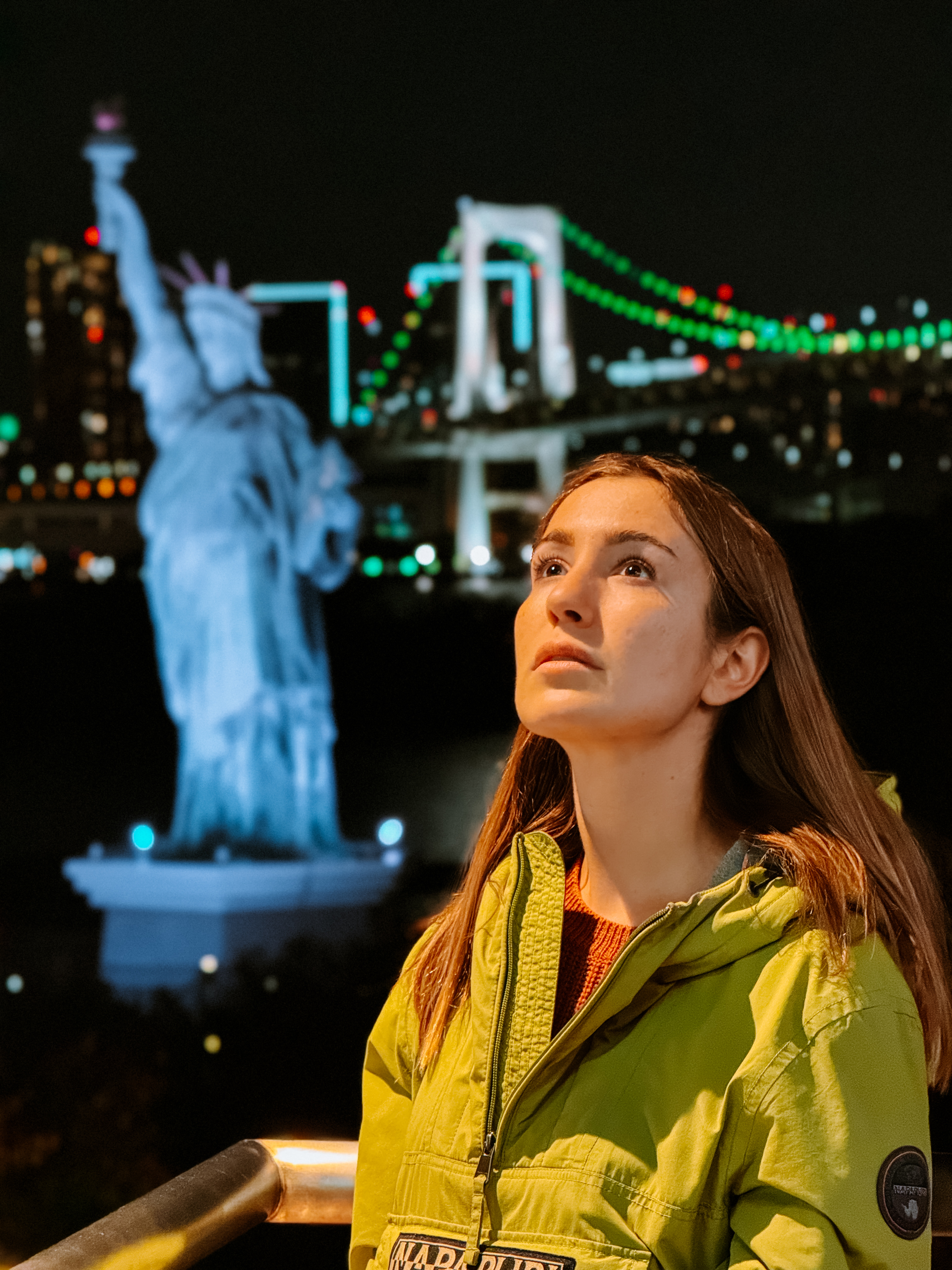
A replica of the Statue of Liberty, located near the waterfront.
Opening hours: the outdoor area is freely accessible.
Price: free.
Recommended time: 10–20 minutes.
Doraemon Future Department Store
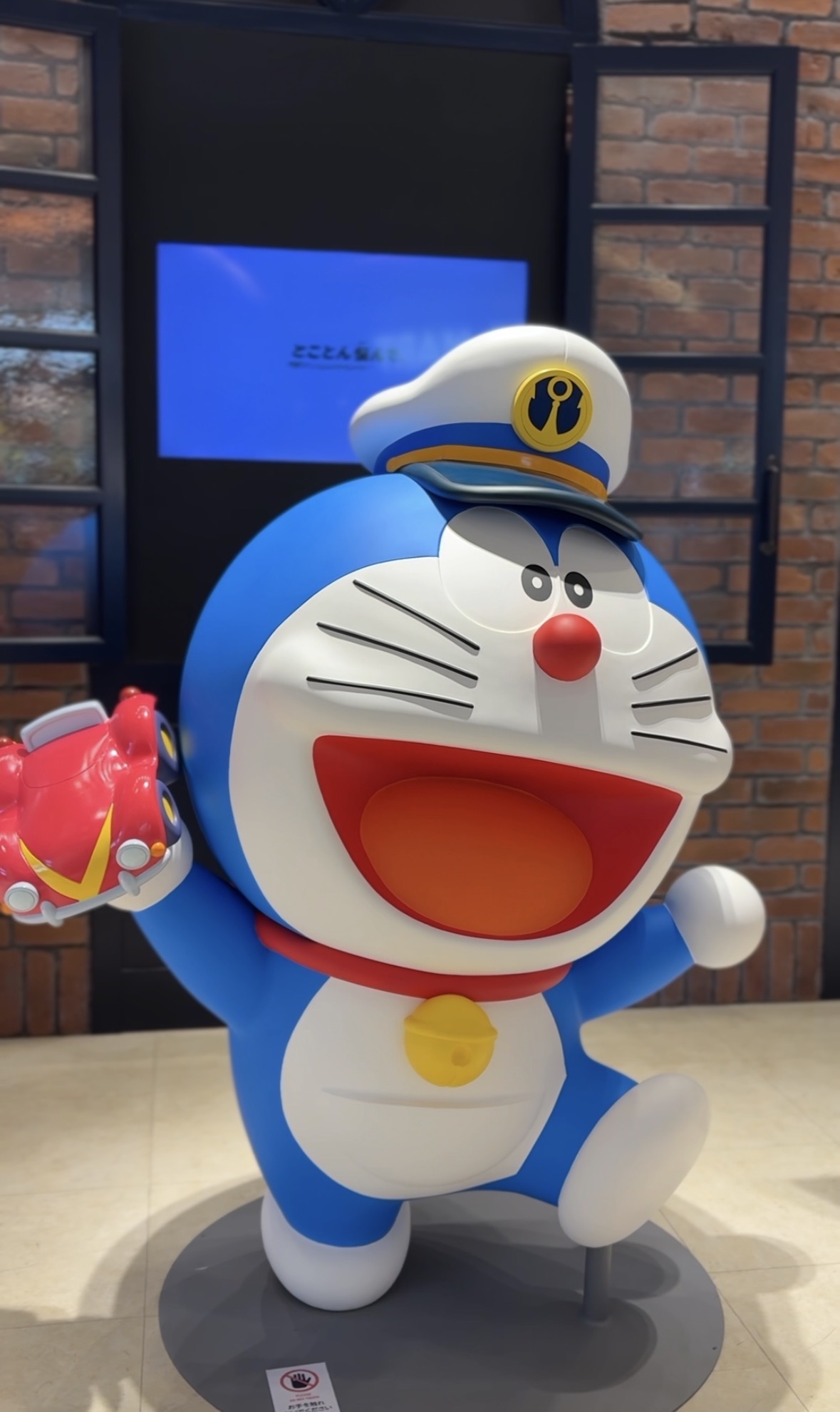
A shop dedicated to Doraemon.
Opening hours noted: 11:00–20:00.
Price: free.
Note: opening hours and availability should be checked before your visit.
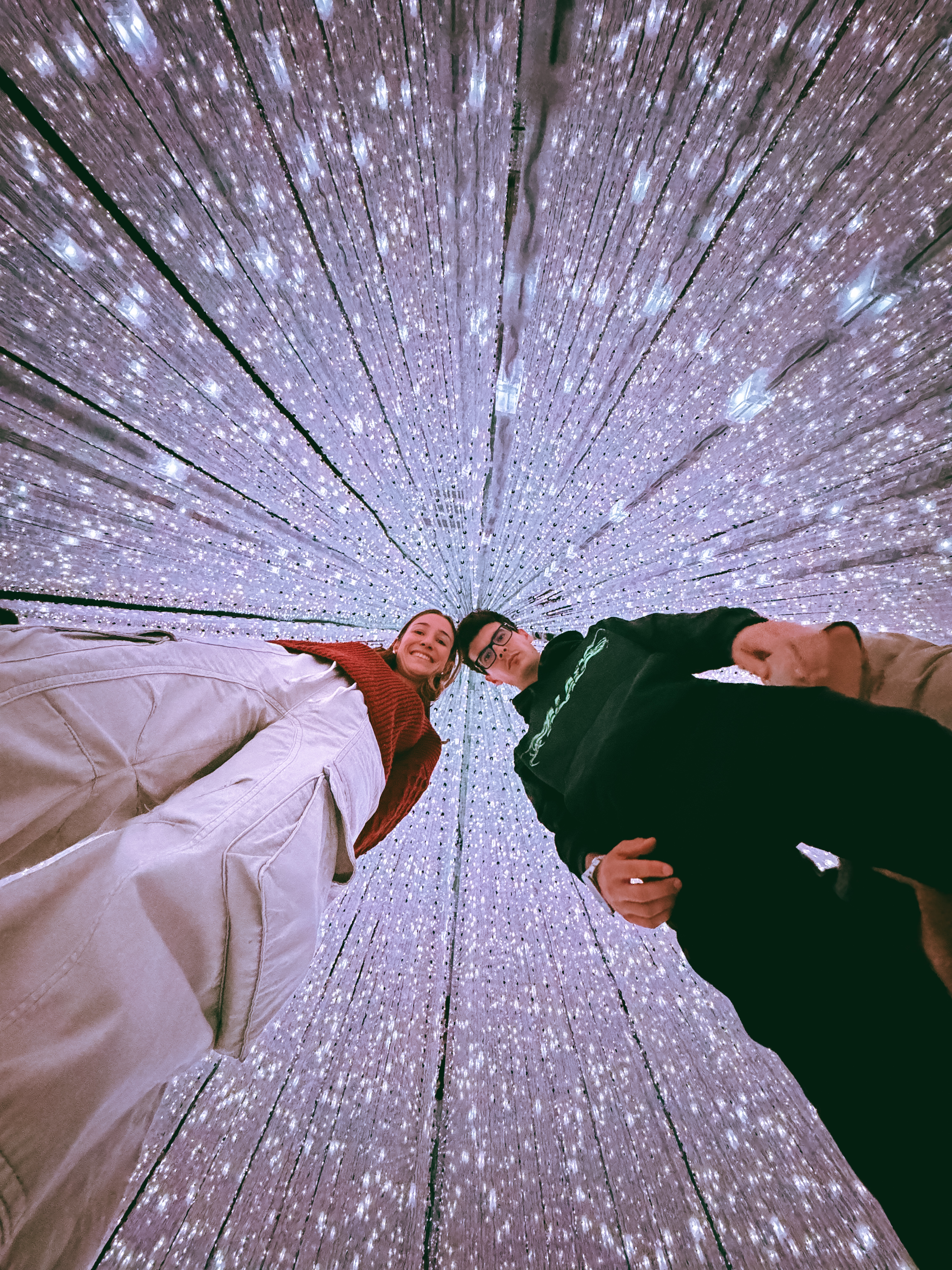
TeamLab Borderless
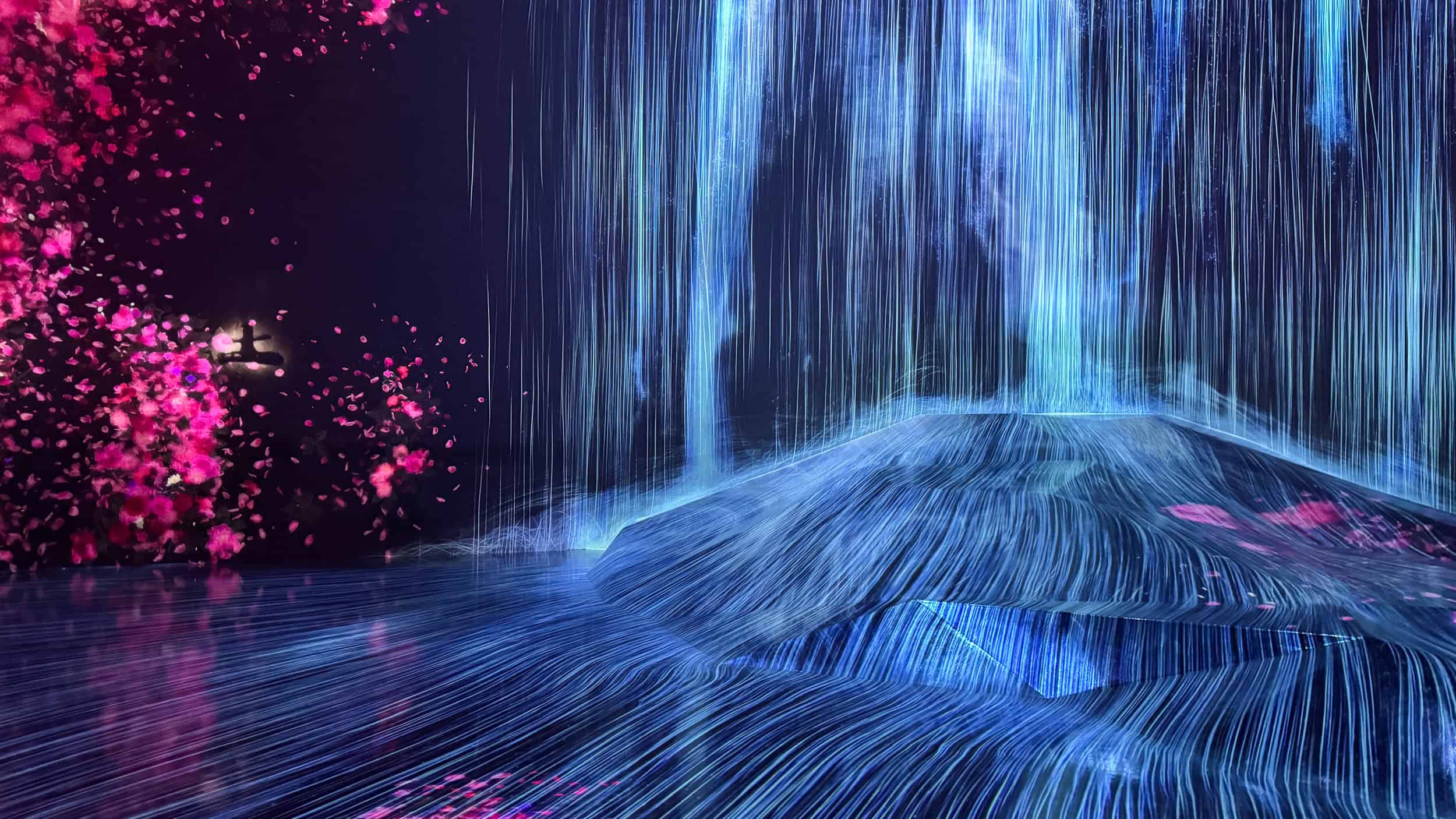
A museum of immersive digital art where lights, projections and interactive installations continuously transform, creating spaces to explore. It is not simply an exhibition to look at: you can lose yourself among the works and discover how they change from one room to the next!
Where: Azabudai Hills, Garden Plaza B, level B1, Tokyo.
Opening hours: these vary by day. Last entry is generally one hour before closing. Please check the current opening times before your visit.
Price: adult tickets start from around 3,600 yen, but the cost varies according to the date and the level of visitor numbers. I recommend booking online in advance, choosing the day and time you prefer, as tickets can sell out. Once inside, take your time to explore the venue without rushing!
Day 15: Tokyo and returning home
This day is free: you can devote it to the sights you weren't able to visit, or simply let yourself be carried along by the atmosphere of the city.
If you're not sure what to do, here are some ideas:
Tokyo City Flea Market: hunting for bargains!
If you love second-hand markets, prepare to get lost among hundreds of stalls! The Tokyo City Flea Market takes place in the Oi Racecourse area and is one of the largest flea markets in Tokyo.
Here you can find pretty much everything: clothing, bags, accessories, toys, homeware, vintage items and small second-hand treasures. It is the ideal place to browse the most unusual objects, hunt for a bargain and discover a side of the city different from the classic shopping districts.
Go in the morning for more choice, bring a little cash and take your time browsing the stalls. You never know what treasure you might unearth!
What and where to eat in Tokyo
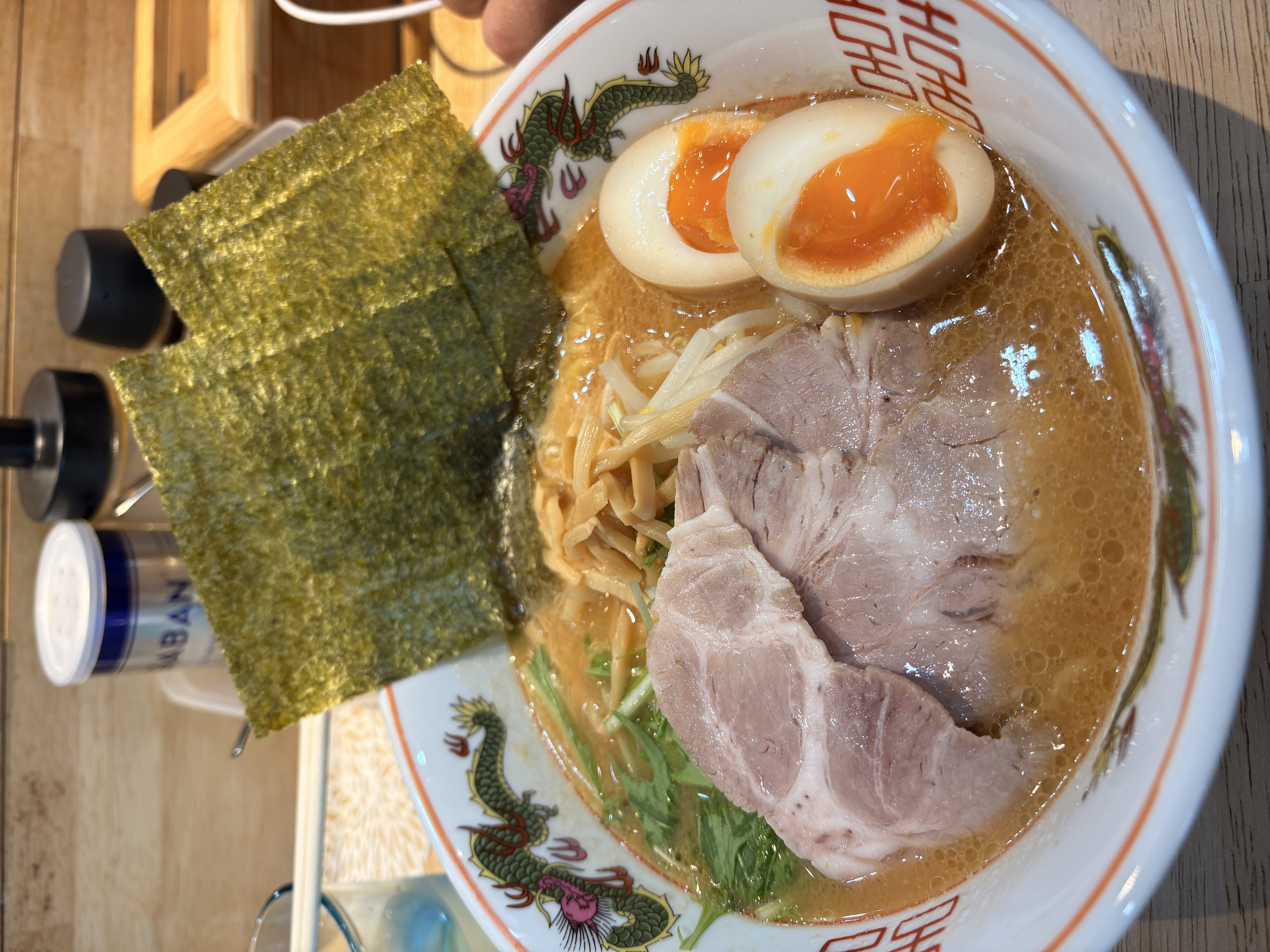
In Tokyo you can sample specialities from all over Japan, as well as dishes rooted in local tradition. Try Edomae sushi, which originated in ancient Edo, a bowl of ramen or a portion of soba; if you want something different, look for monjayaki, typical of the Tsukishima district. From neighbourhood eateries to the most refined restaurants, the city offers options for every taste and budget.
See the full article here for all my tips
Experiences to try
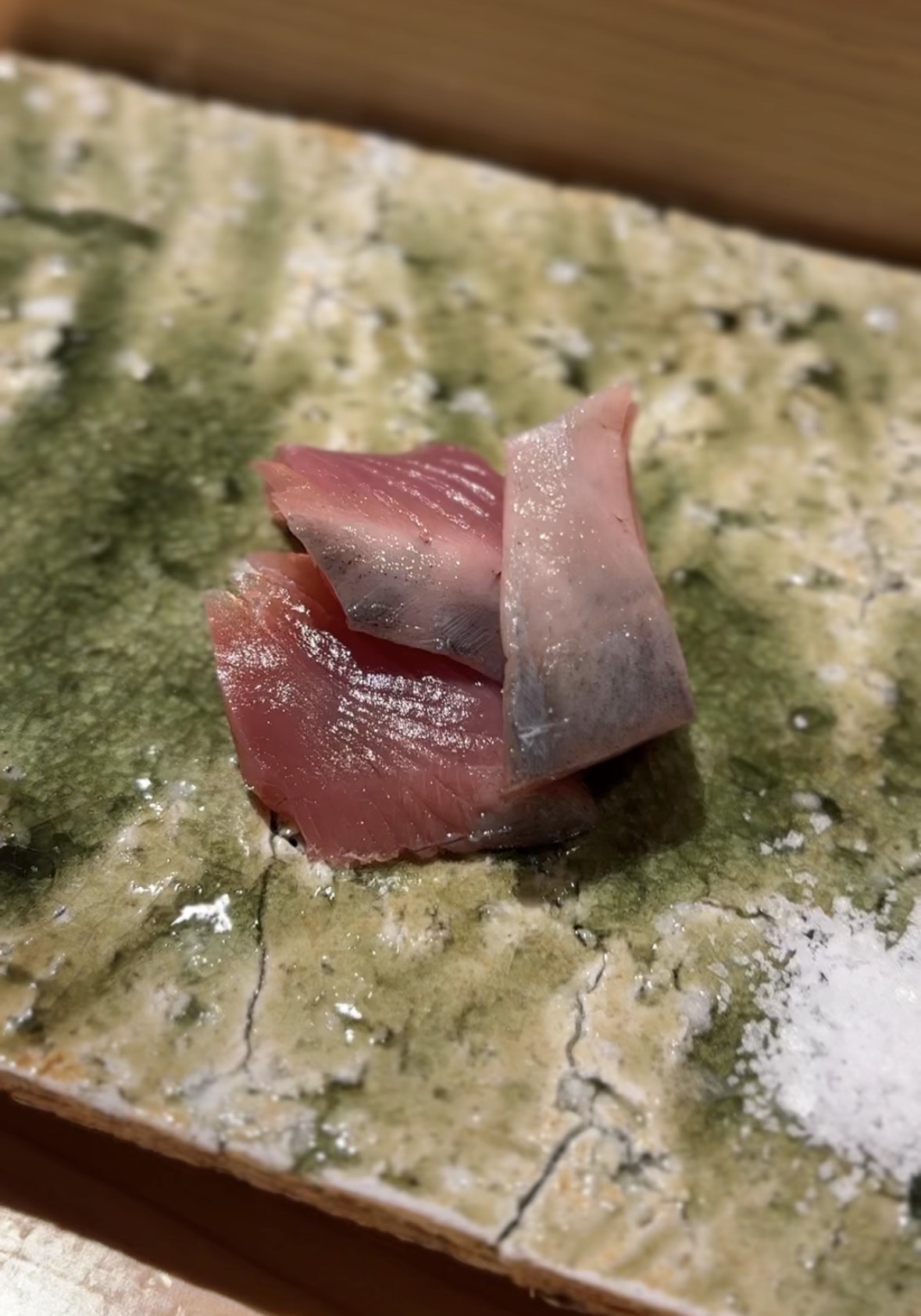
If you want to treat yourself to a special dining experience in Tokyo, you could try a restaurant where the sushi is prepared right in front of you. Compared with the cheap chains, here you are also paying for the care taken in preparation, the quality of the ingredients and the experience itself.
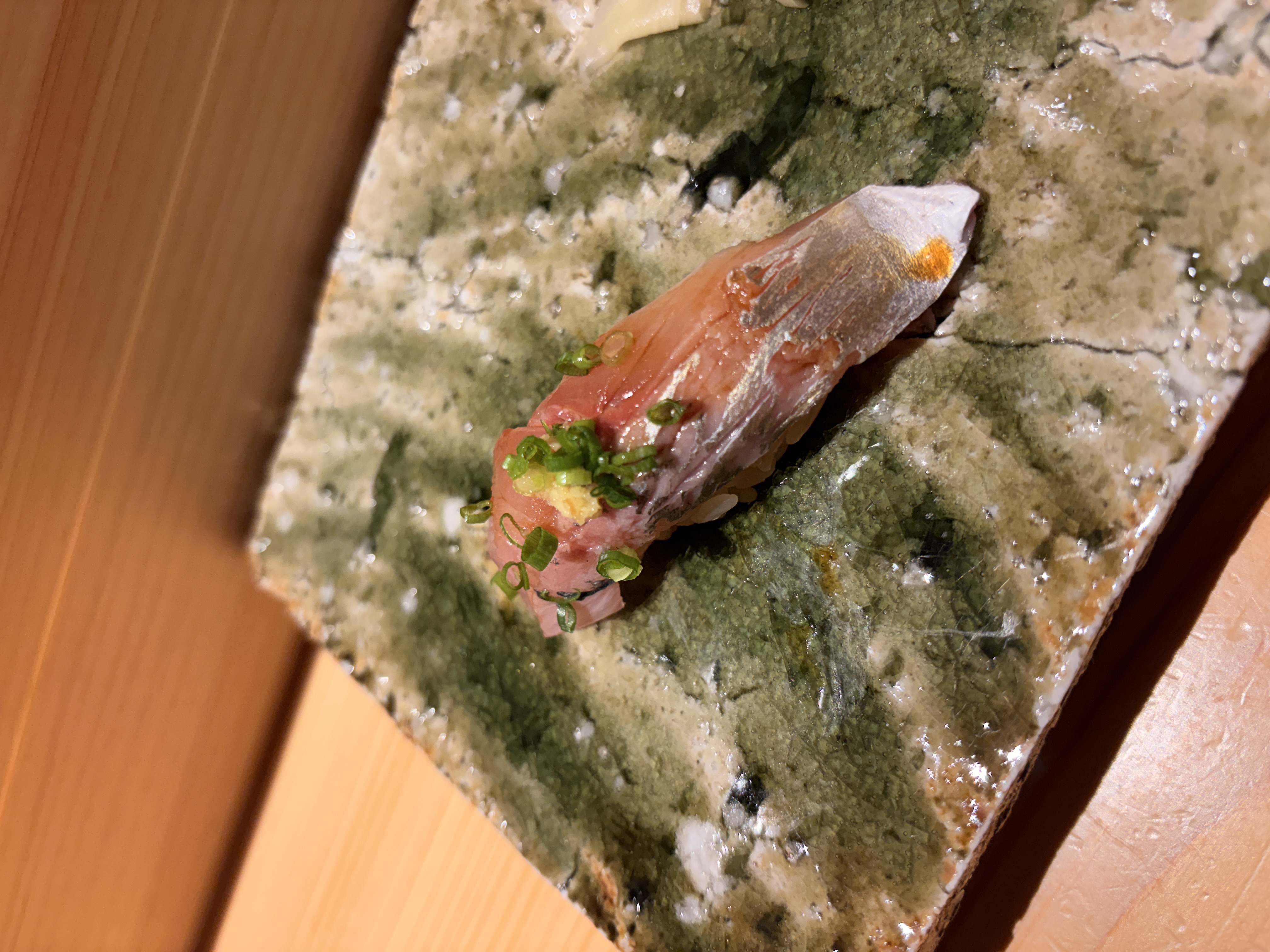
Sushi Shiina €€€
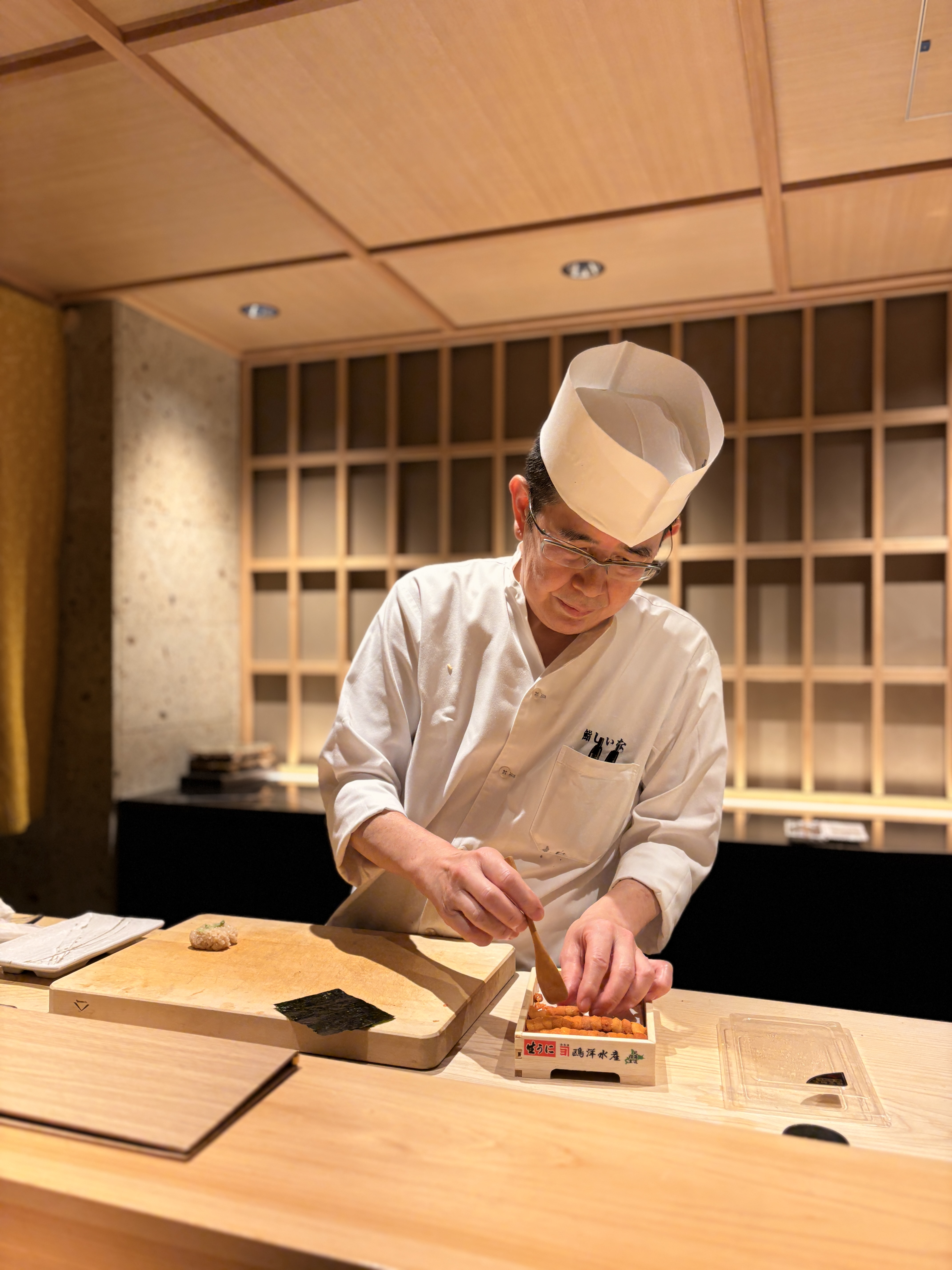
Here I experienced sushi prepared directly in front of me: an opportunity to watch the chef's work up close and discover a more refined side of Japanese cuisine. It is more expensive than classic sushi restaurants, so I would recommend it to anyone wanting to treat themselves to a special dinner during the trip.
Unusual accommodation in Tokyo: where to stay for a different kind of experience
In Japan even where you sleep can become a special experience! If you want to try something different from the usual hotel or are looking for a more economical alternative, Tokyo has some decidedly unusual accommodation.
Watch my Reel to discover some special places to stay and enjoy an out-of-the-ordinary experience!
Japanese internet cafés: sleeping among manga and video games
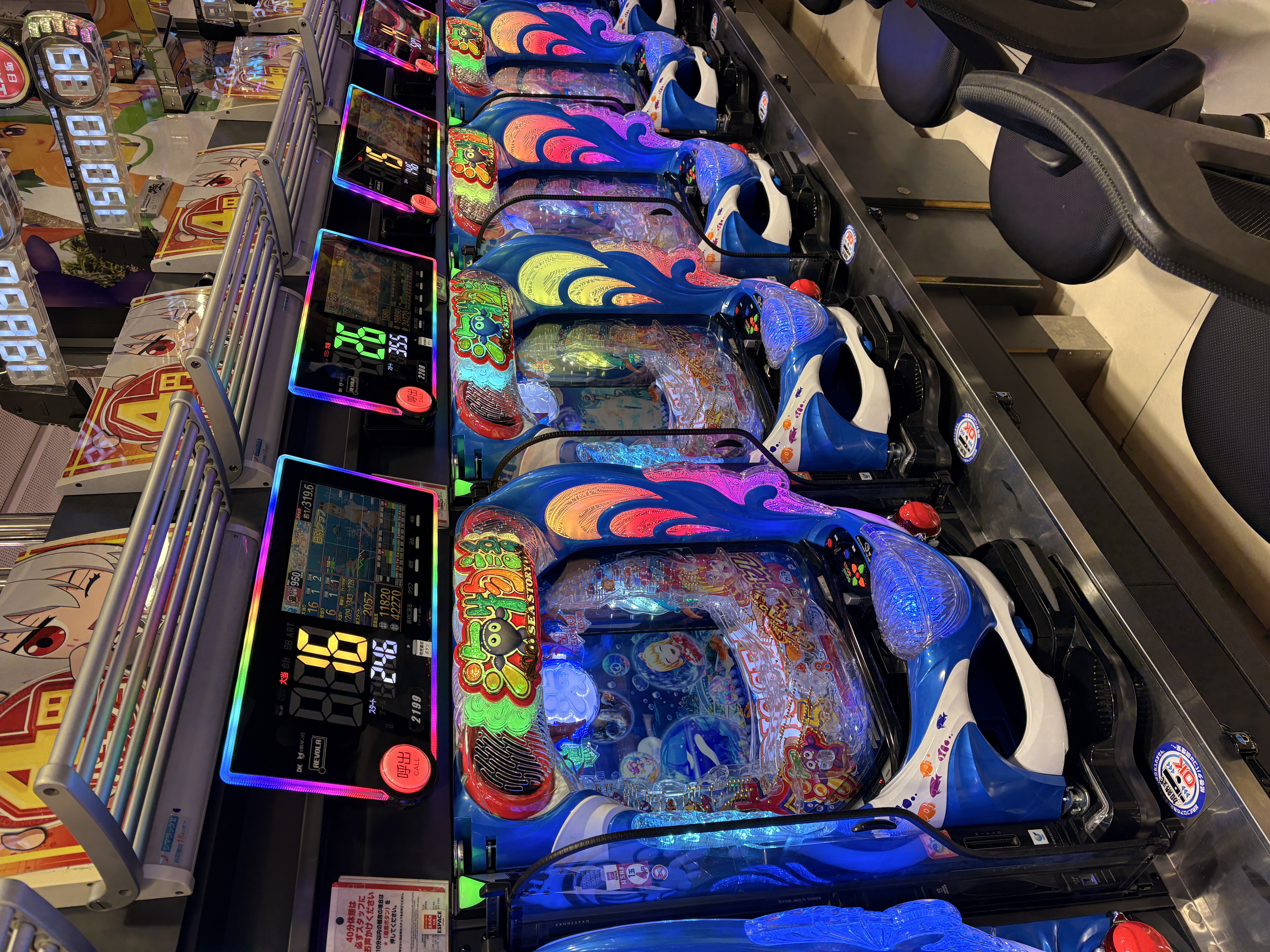
Have you ever thought about spending the night in an internet café? In Japan, manga kissa are venues where you can read comics, use computers, play video games and relax in small private booths. Many are open 24 hours a day and some offer showers, free drinks and special night-time rates.
These are not proper hotels, but they can be an inexpensive solution for resting a few hours, especially if you miss the last train or want to try something typically Japanese.
if you choose this option, check in advance the availability of private cabins with a flat surface, the presence of showers and the cost of the overnight package. Not all spaces are suitable for sleeping comfortably, and some venues require identification for registration.
Capsule hotel: sleeping in a small capsule
Capsule hotels are among the most distinctive accommodation options in Japan. Instead of a traditional room, you get a small individual capsule with a bed, while bathrooms and other facilities are generally shared.
They are a good alternative if you are travelling alone, want to keep your budget down or simply fancy trying something different. In Tokyo you will find them mainly in the most visited areas, such as Shinjuku, Shibuya and Akihabara.
Before booking, check whether the property accepts both men and women, whether it has luggage lockers, and where you can leave bulkier suitcases. Also remember that capsules offer limited privacy and are generally not soundproofed.
Themed hotel: an out-of-the-ordinary overnight stay
If you want to make the night special too, Tokyo offers hotels with futuristic designs, venues dedicated to pop culture and accommodation with unusual themes. Some focus on technology, others on books, anime and manga.
This option is ideal if you want to turn your overnight stay into a genuine experience, although the price can be higher than that of a traditional accommodation. My advice is to choose a property that reflects your interests and always compare prices before booking.
For tips on how to travel from Stirati:
Travel creator from Bologna. I don't iron, but I am ironed: I tell stories of fantastic trips, write free itineraries and always look for the low-cost solution 💸
Keep travelling
Hiroshima: memory and renewal
Osaka: my favourite city!
Kyoto: a pearl in the heart of Japan
Hiroshima: memory and renewal
Osaka: my favourite city!
Kyoto: a pearl in the heart of Japan
Comments from the Stirati
No comments yet. Start the conversation.