
Tokyo: a complete guide to discovering this city
Start here
Hello Stirati! Tokyo is a city where tradition and modernity coexist at every corner: temples set in greenery, neighbourhoods lit by neon signs, shops dedicated to Japanese pop culture and small eateries where you can discover new flavours.
Before you leave
 How many days you need: 4–5 days for a fairly complete first visit
 Currency: Japanese yen (JPY)
 Documents and entry: if you travel with an Italian passport for tourism, you can stay in Japan for up to 90 days without a visa. Your passport must be valid for the entire length of your stay. Before departing, check for any updates to entry requirements on the website of the Embassy of Japan in Italy. Watch this Reel about what to know before coming to Japan.
 How to pay: physical card (I always use Revolut) and cash (it is useful to have both)
 How to get around: the metro and urban trains are the most practical way to explore the city. In this Reel I explain how to use them and organise your journeys.
 Suica and PASMO: these are rechargeable cards that let you pay easily for metro, trains and compatible buses, simply by touching them to the reader at the ticket gates. You can also use them for small purchases in participating shops. Digital versions are also available for use directly with your smartphone. Find out more here
 Internet: to stay connected during your trip, you can use an eSIM. I recommend Holafly: with the code STIRATIINTRIP you get 5% off, or you can buy your eSIM directly from this link with the discount already applied
 Travel insurance: before setting off, consider a policy that covers your travel needs. With Heymondo you can get 10% off through my link.
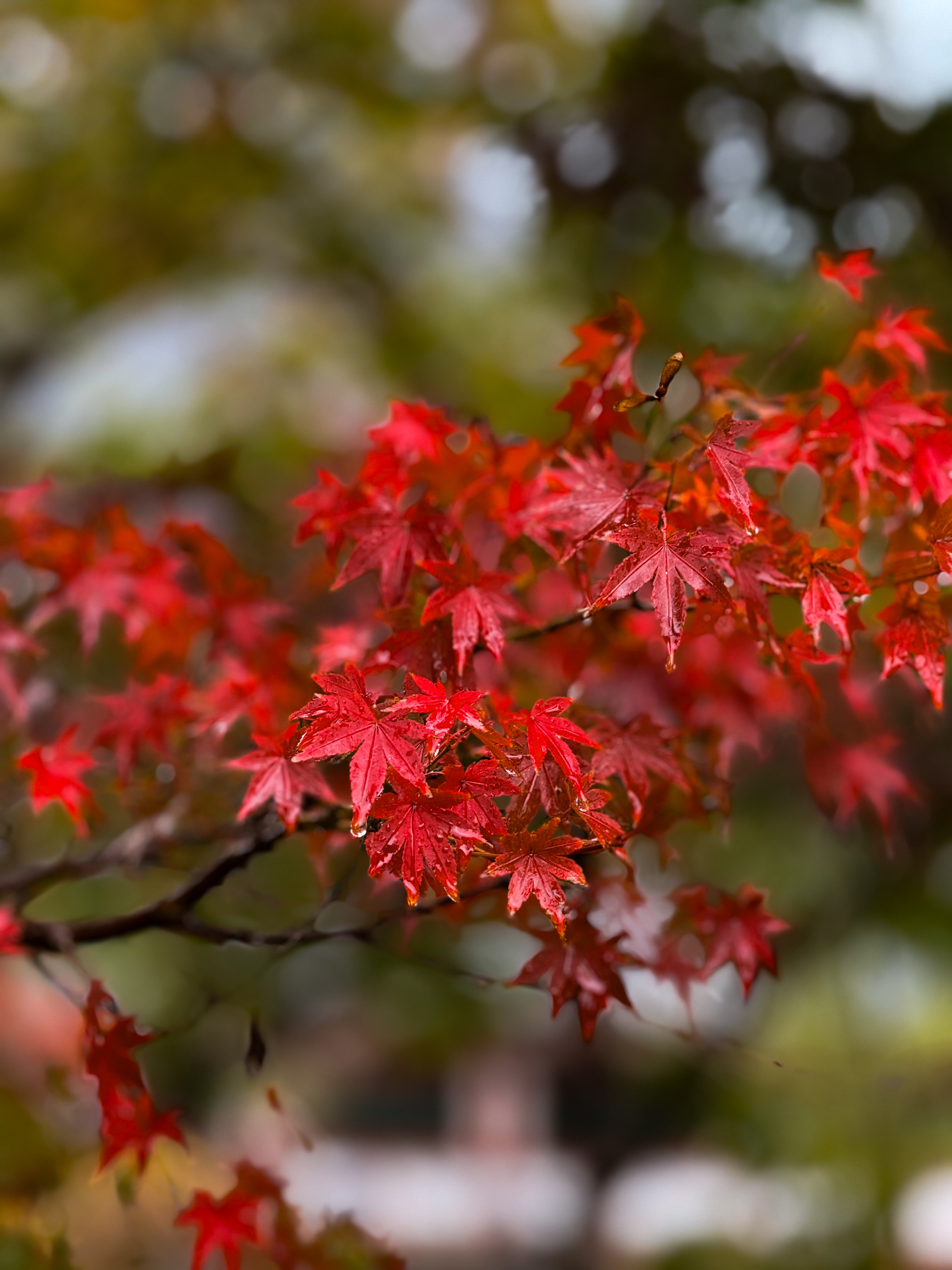
 Best time: spring and autumn are two highly valued seasons for visiting Tokyo. I was there in November, during the autumn foliage, when the autumnal colours make the city especially atmospheric.
StiraTip — Not sure where to leave your luggage?
Japanese railway stations often have automatic lockers where you can leave your luggage for a few hours or the whole day. You pay with coins or an IC card such as Suica or Pasmo. They are inexpensive and very convenient for avoiding dragging your bags around all day.
Watch the Reel on how to
 Getting to central Tokyo from the airport:
From Narita (NRT):
Narita Express (N’EX): the JR express train connects the airport to major stations such as Tokyo, Shibuya and Shinjuku. The journey takes about an hour to Tokyo Station and about an hour and a half to Shinjuku.
Keisei Skyliner: a fast option for reaching Ueno in about 45 minutes, passing through Nippori, where you can change trains to continue to other parts of the city.
Airport buses: connect Narita to various stations, hotels and tourist areas. They can be handy if you are travelling with large luggage, but journey times also depend on traffic.
From Haneda (HND):
Keikyu Line: connects the airport to Shinagawa Station, from where you can continue to various areas of Tokyo.
Tokyo Monorail: reaches Hamamatsucho Station, where you can change and take the JR Yamanote Line to other parts of the city.
Airport buses: connect Haneda to various stations and hotel areas.
This is a rail pass designed for foreign tourists, allowing travel on numerous JR Group lines throughout Japan. It is available for 7, 14 or 21 consecutive days. Be aware, though: it isn't always worth it! Before buying it, compare the cost of the pass with that of single tickets based on your itinerary. Find out more here
What you'll find in this guide
What to see in Tokyo
A complete guide to the main attractions, the neighbourhoods to explore and the experiences to plan during your stay. From the serenity of traditional temples to the pulsing energy of modern districts, you'll discover how to move between the city's different personalities.
What and where to eat in Tokyo
Authentic restaurants, steaming ramen, fresh sushi, street food to try and characterful eateries off the tourist trail. With indicative prices and practical tips for eating well without any surprises on the bill.
Where to stay in Tokyo
The accommodation where we stayed ourselves, the areas of the city to consider according to your interests and practical advice for choosing where to stay. From the calm of the residential neighbourhoods to the buzz of Shinjuku and Shibuya.
Special experiences in Tokyo
Internet cafés to immerse yourself in nerd culture, specialist shops, authentic cultural activities and unusual experiences that go beyond classic tourism. The things that make a trip truly unforgettable.
I'll guide you through discovering Tokyo, sharing interesting details and practical tips I've tested myself. The aim is to help you plan your trip independently and discover the city beyond the best-known sights, with the confidence of someone who has already explored it.
What to see in Tokyo
Shinjuku: skyscrapers, neon signs and quirky bars
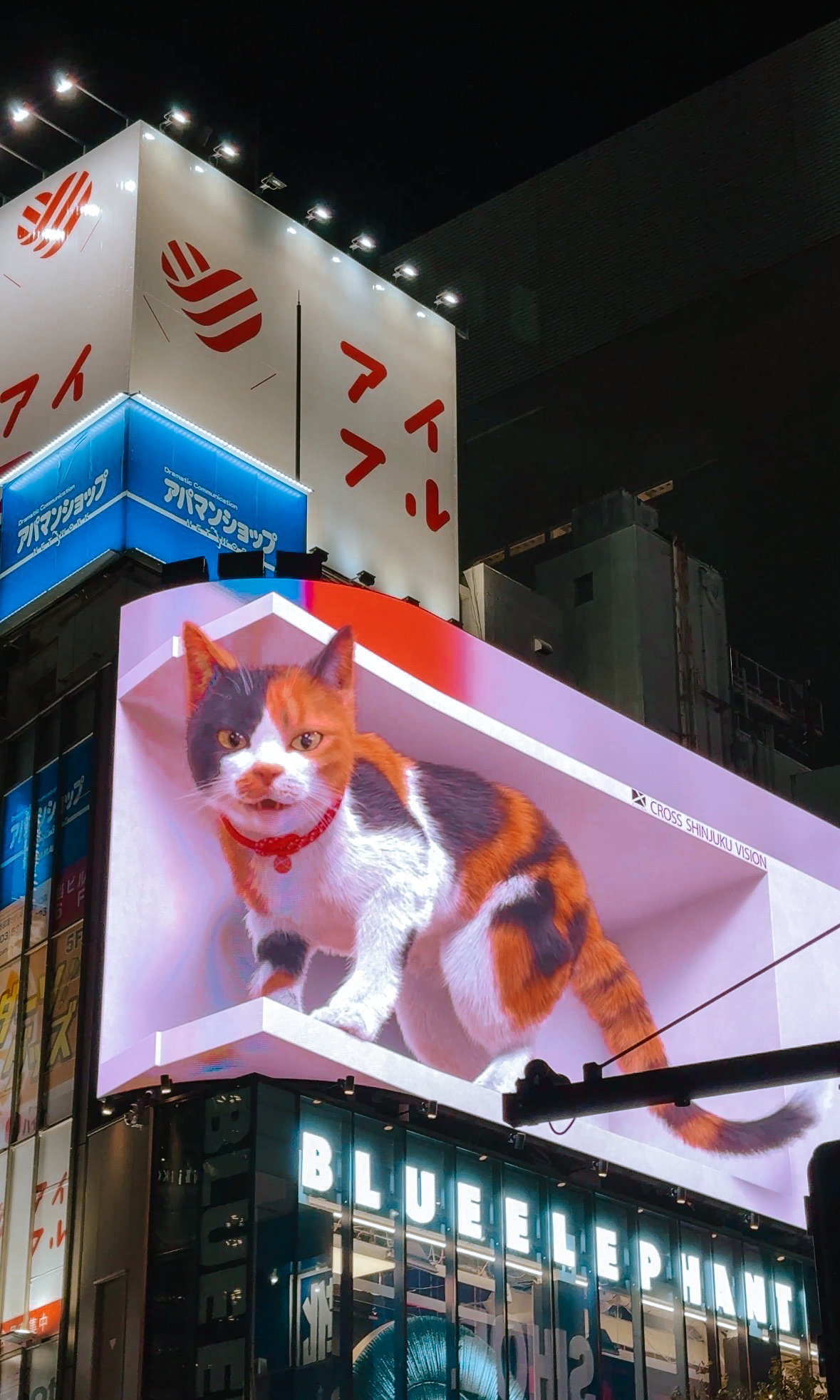
Shinjuku is one of Tokyo’s liveliest districts, famous for its skyscrapers, alleys full of small restaurants and streets lit by neon signs. It is an interesting area both during the day and after sunset.
Tokyo Metropolitan Government Building
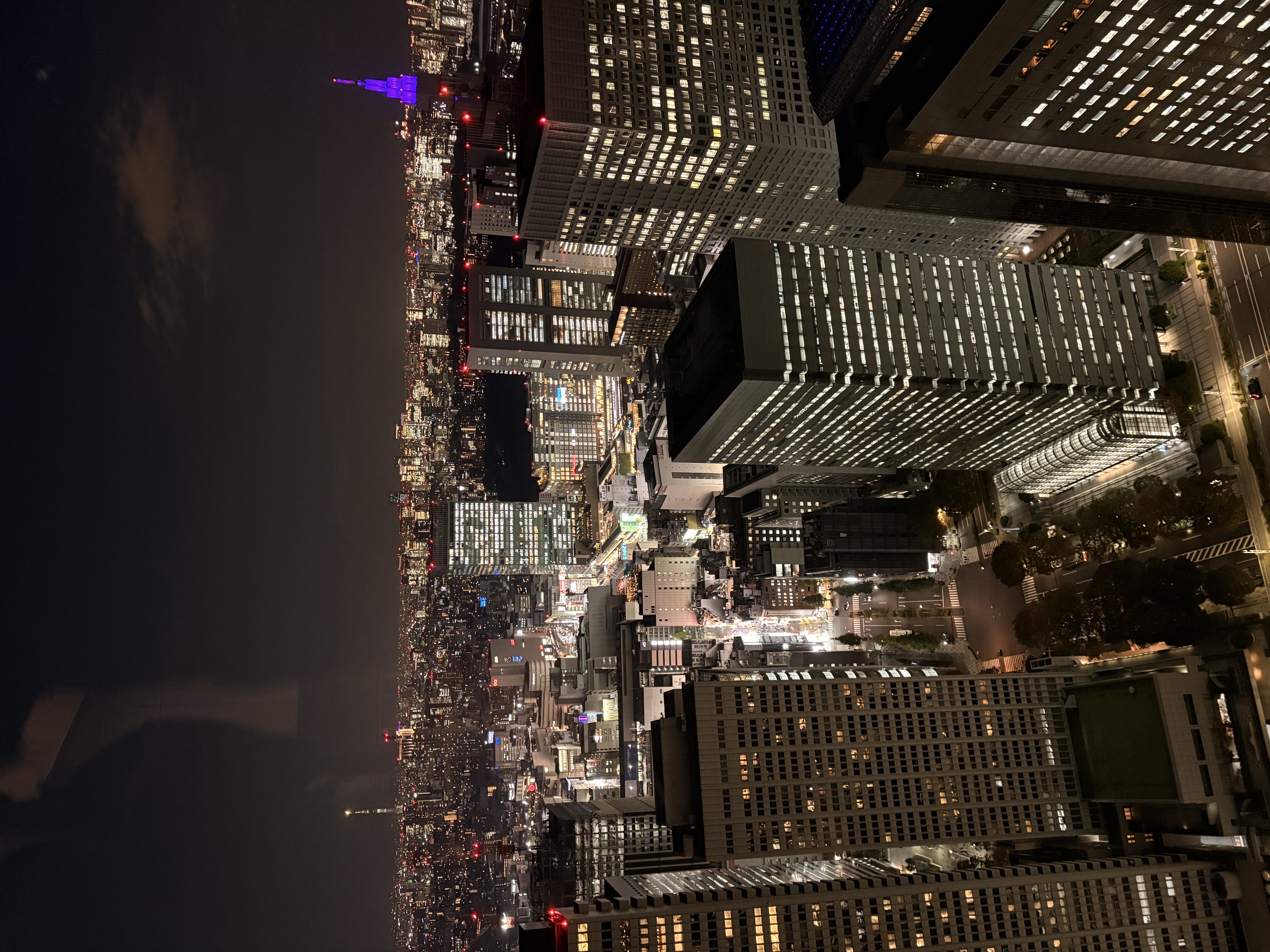
One of the best free viewpoints in the city. The building houses two observation decks about 202 metres up, from which you can admire Tokyo and, on clear days, even Mount Fuji.
Opening hours: generally 9:30–22:00.
Last entry: 21:30.
Price: free.
Closing times: these vary depending on the observatory. The north and south towers have different closing days.
Recommended time: 30–60 minutes.
Omoide Yokocho
A cluster of characteristic alleys near Shinjuku Station, with small venues specialising mainly in yakitori and casual Japanese cuisine.
Opening hours: these vary from venue to venue; many open in the afternoon and stay open until late evening.
Price: free.
Recommended time: 30–60 minutes.
There is no single opening time for the whole area. I'd recommend visiting in the late afternoon or evening, when the atmosphere is particularly atmospheric.
Kabukicho
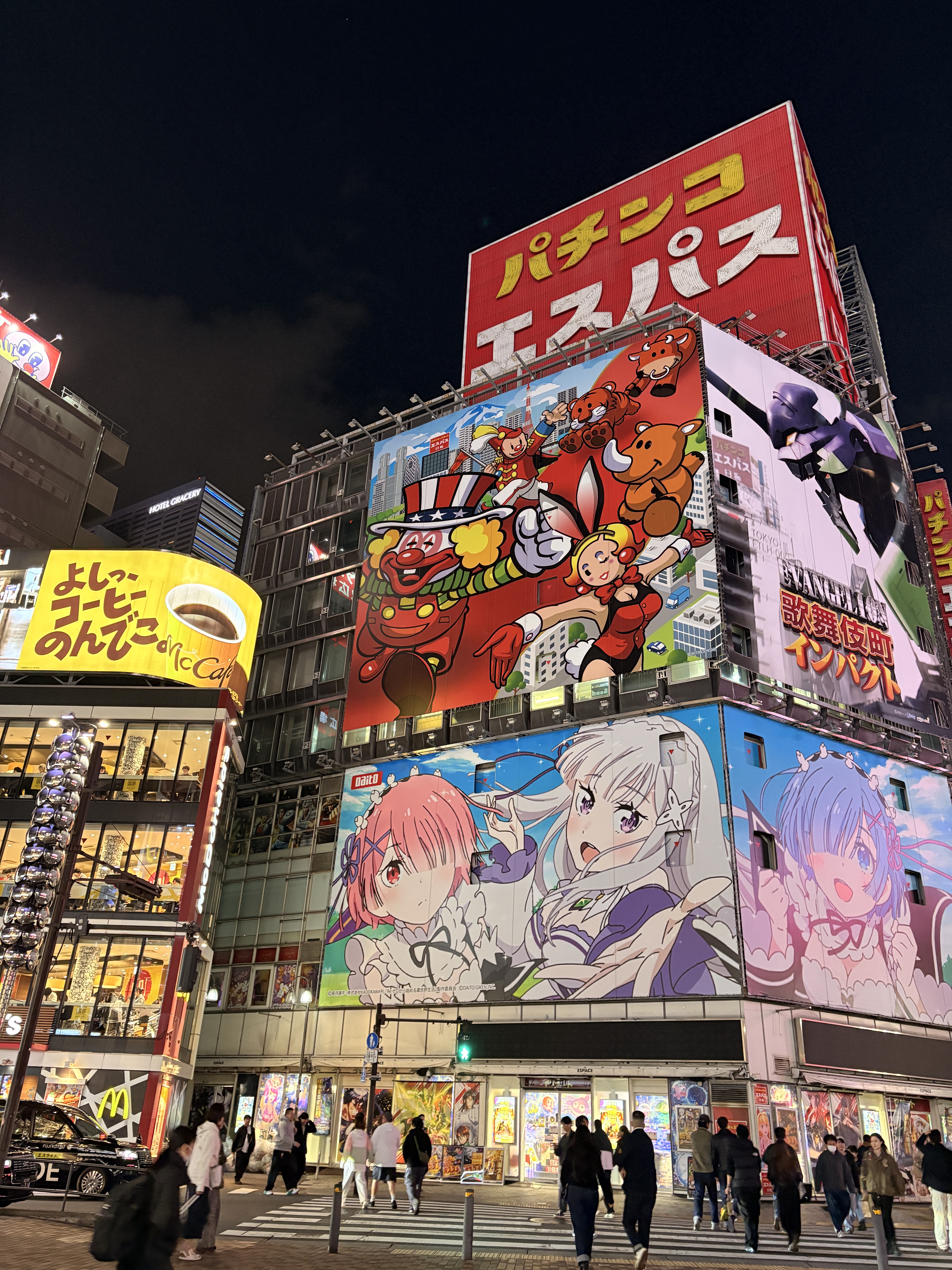
This is one of the best-known districts for Tokyo's nightlife, characterised by illuminated signs, amusement arcades, restaurants and entertainment venues.
Opening hours: the district is accessible at any time; the businesses have their own hours.
Price: free.
Recommended time: 30–60 minutes.
Golden Gai
An area made up of narrow alleys with numerous small bars, many of which have very few seats.
Opening hours: generally from late afternoon into the night, varying from venue to venue.
Price: no ticket needed to stroll around the area.
Additional costs: some venues apply a cover charge or a table charge.
Recommended time: 30–60 minutes.
Shinjuku Gyoen National Garden
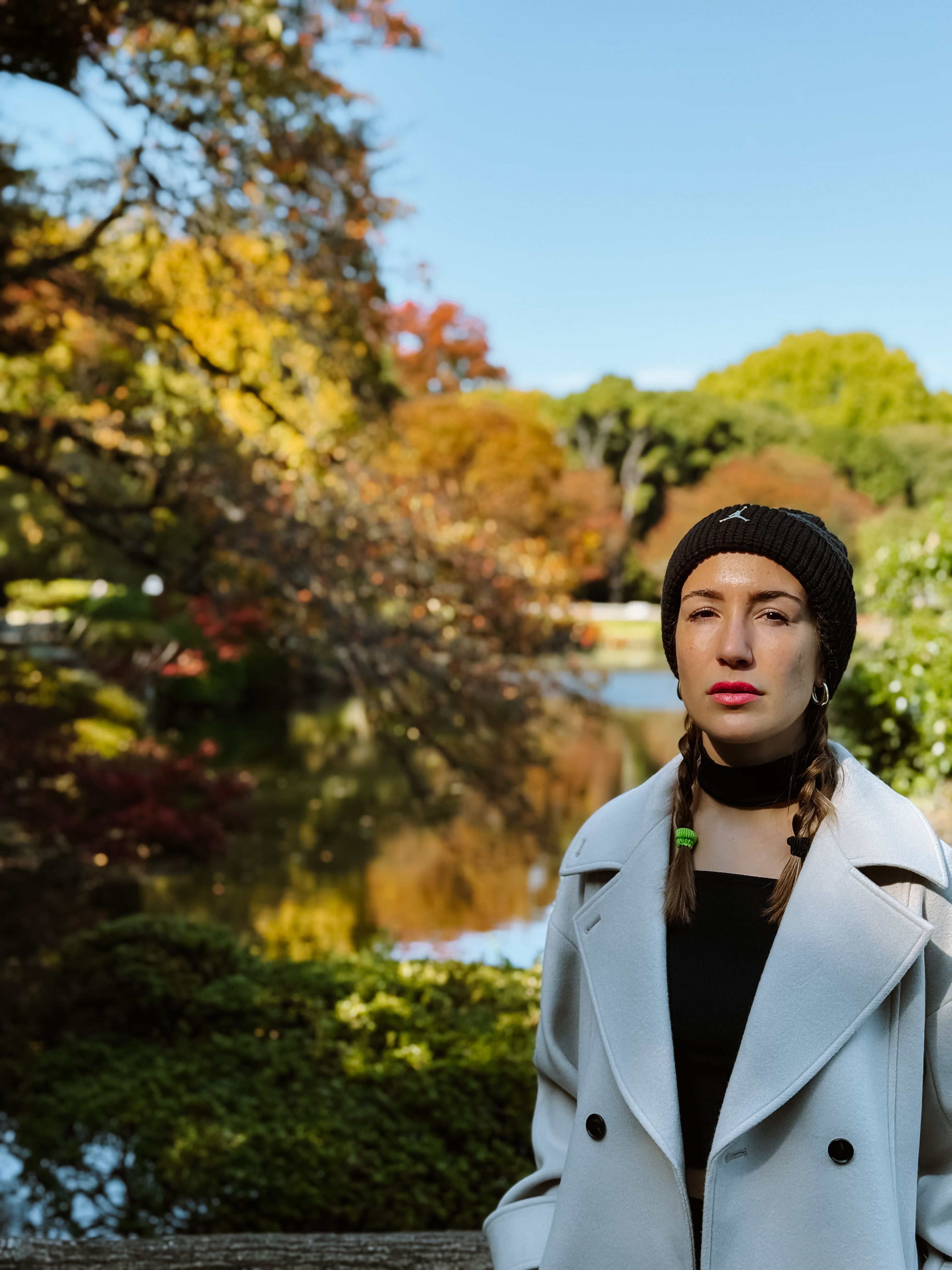
A large garden that combines Japanese, French and English landscape styles. It's a lovely alternative to the city's frenetic pace, especially in autumn.
Opening hours from November to early March: 9:00–16:00.
Gate closing times: 16:30.
Adult price: 500 yen.
Weekly closure: normally on Mondays, except for special opening periods and exceptions.
Recommended time: 1–2 hours.
Harajuku and Shibuya
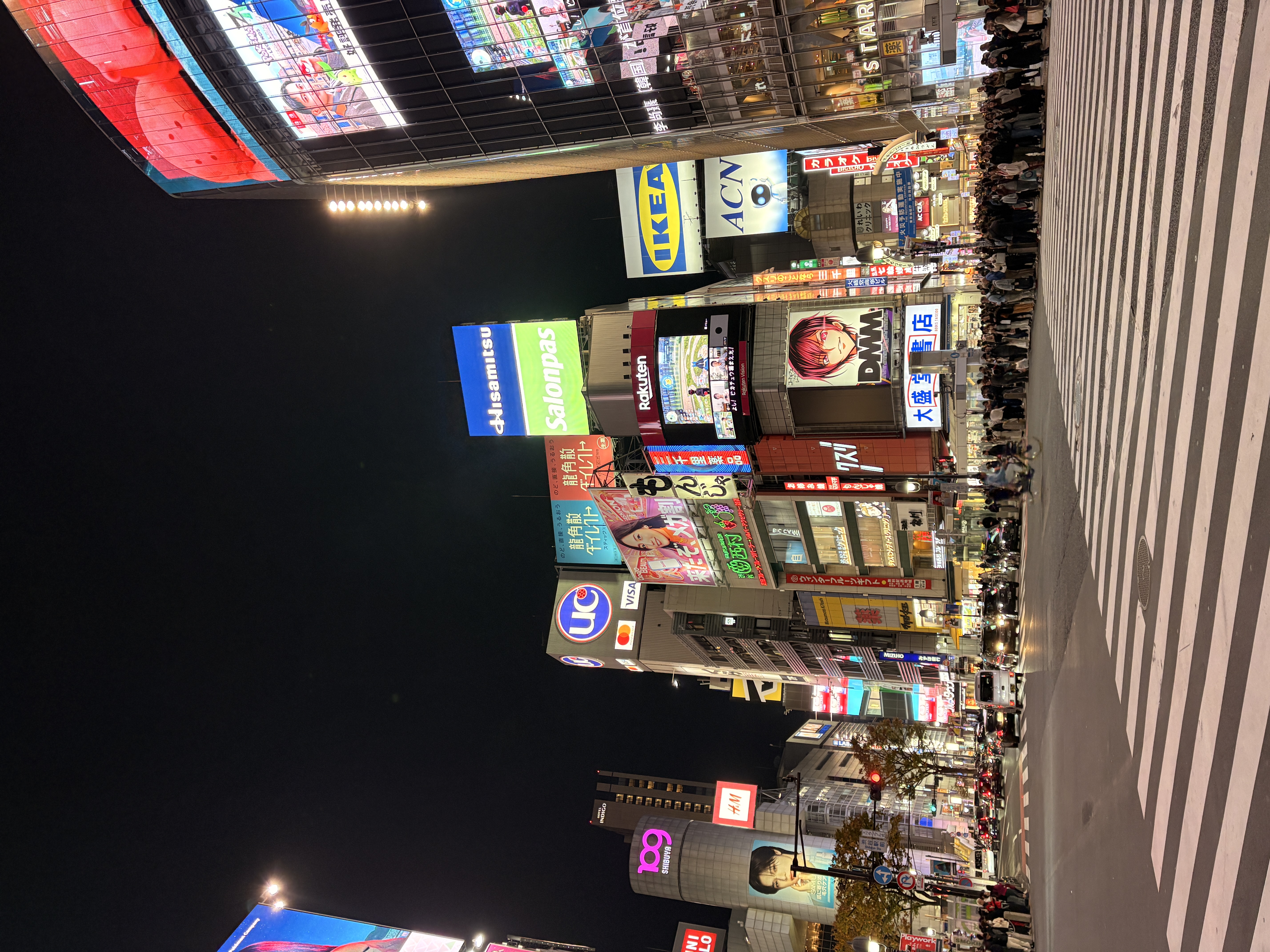
Harajuku and Shibuya lend themselves to being visited on the same day. They are two neighbouring areas with very different atmospheres: the first is famous for youth fashion and quirky shops, the second for its skyscrapers, giant screens and the city's most famous pedestrian crossing.
Meiji Jingu
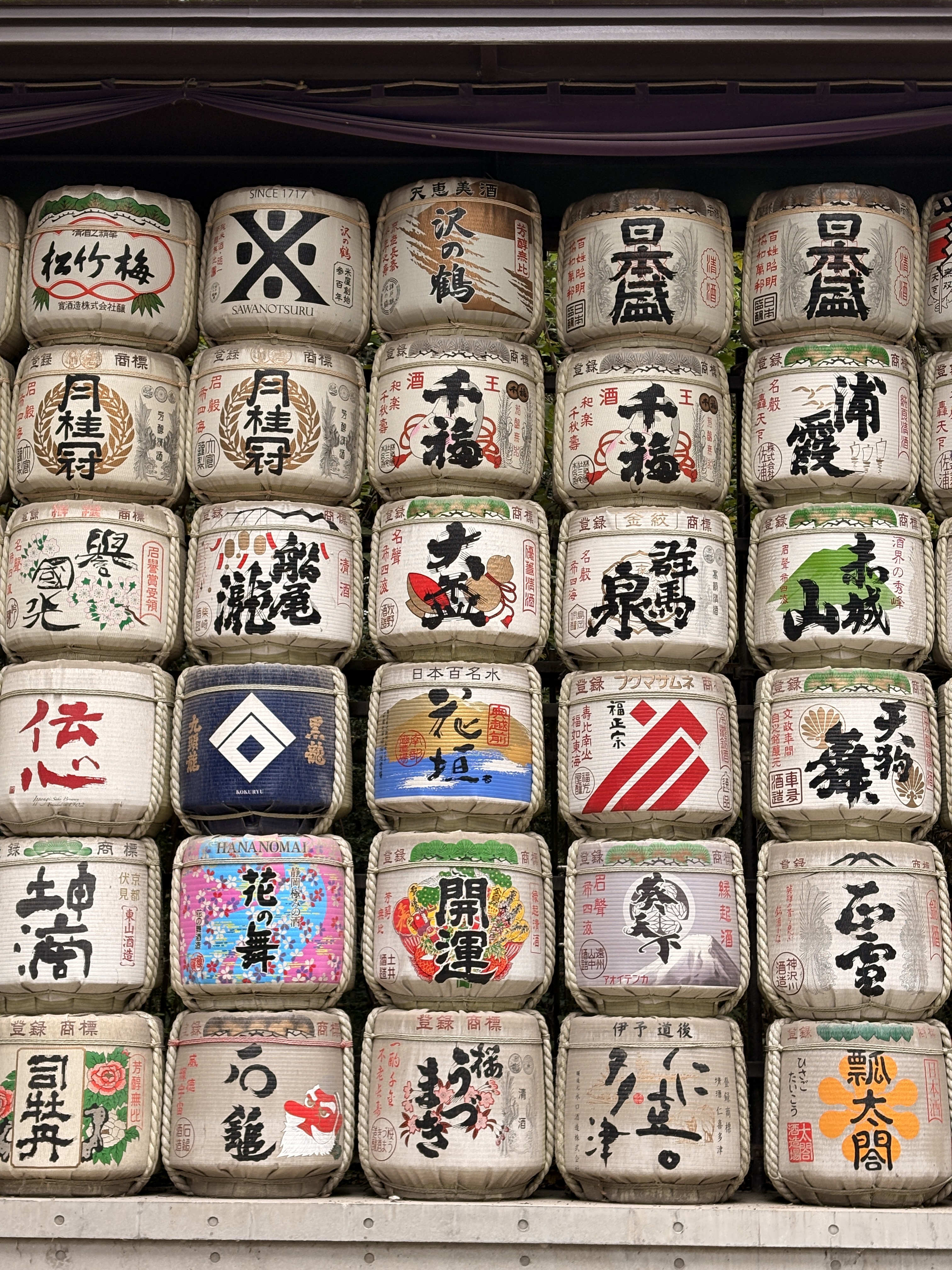
One of Tokyo's most important Shinto shrines, set within a large wooded area.
Opening hours in November: 6:10–16:10.
Price: free for the main shrine.
Recommended time: 45–90 minutes.
Takeshita Street, Harajuku
A famous shopping street known for youth fashion shops, accessories, sweets and colourful specialities.
Hours: generally from 10:00–11:00 until 19:00–20:00, with variations between shops.
Price: free.
Recommended time: 30–60 minutes.
There is no single official opening time for the whole street. It is a shopping area, so individual businesses may have different hours.
Shibuya Scramble Crossing
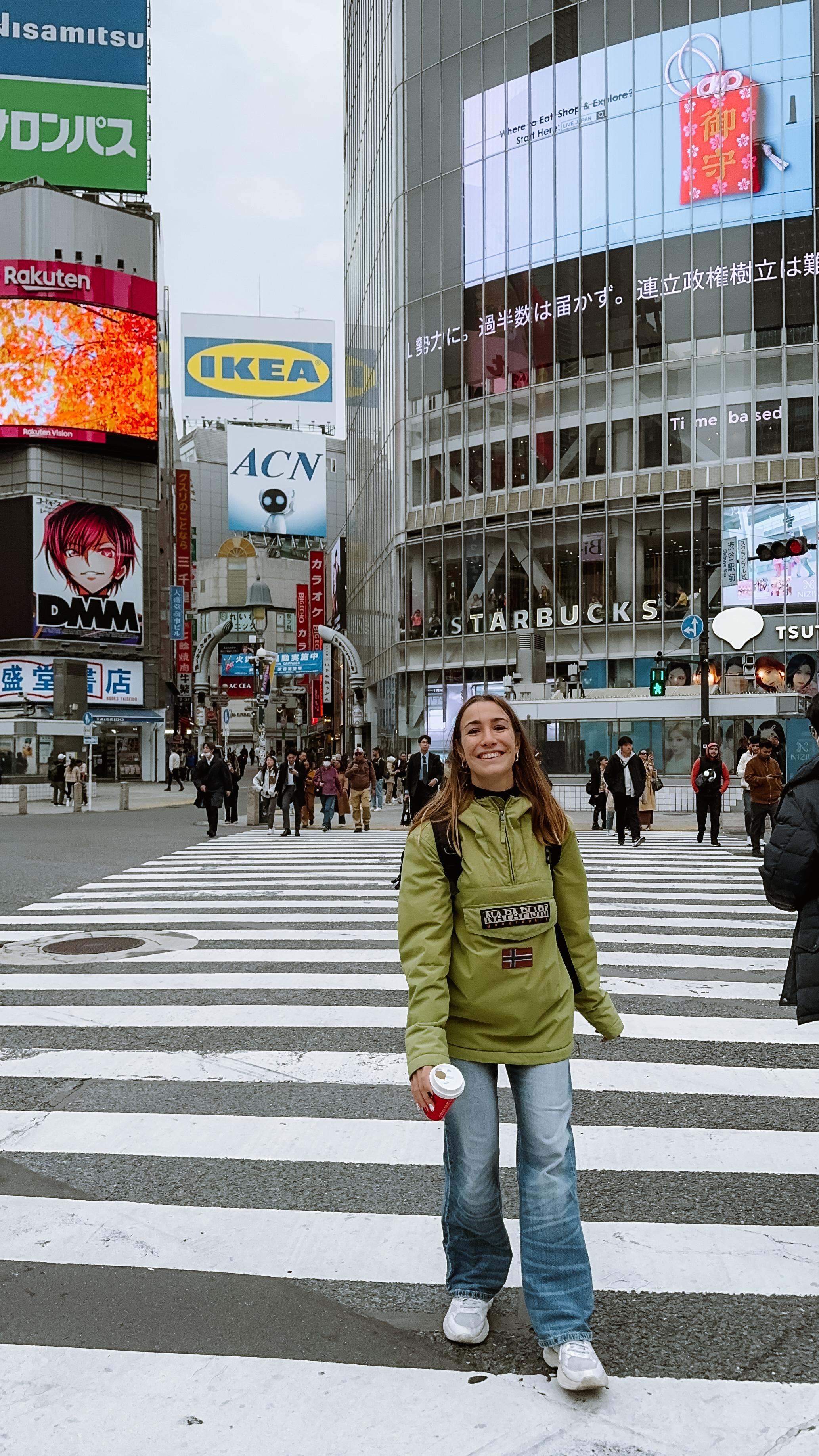
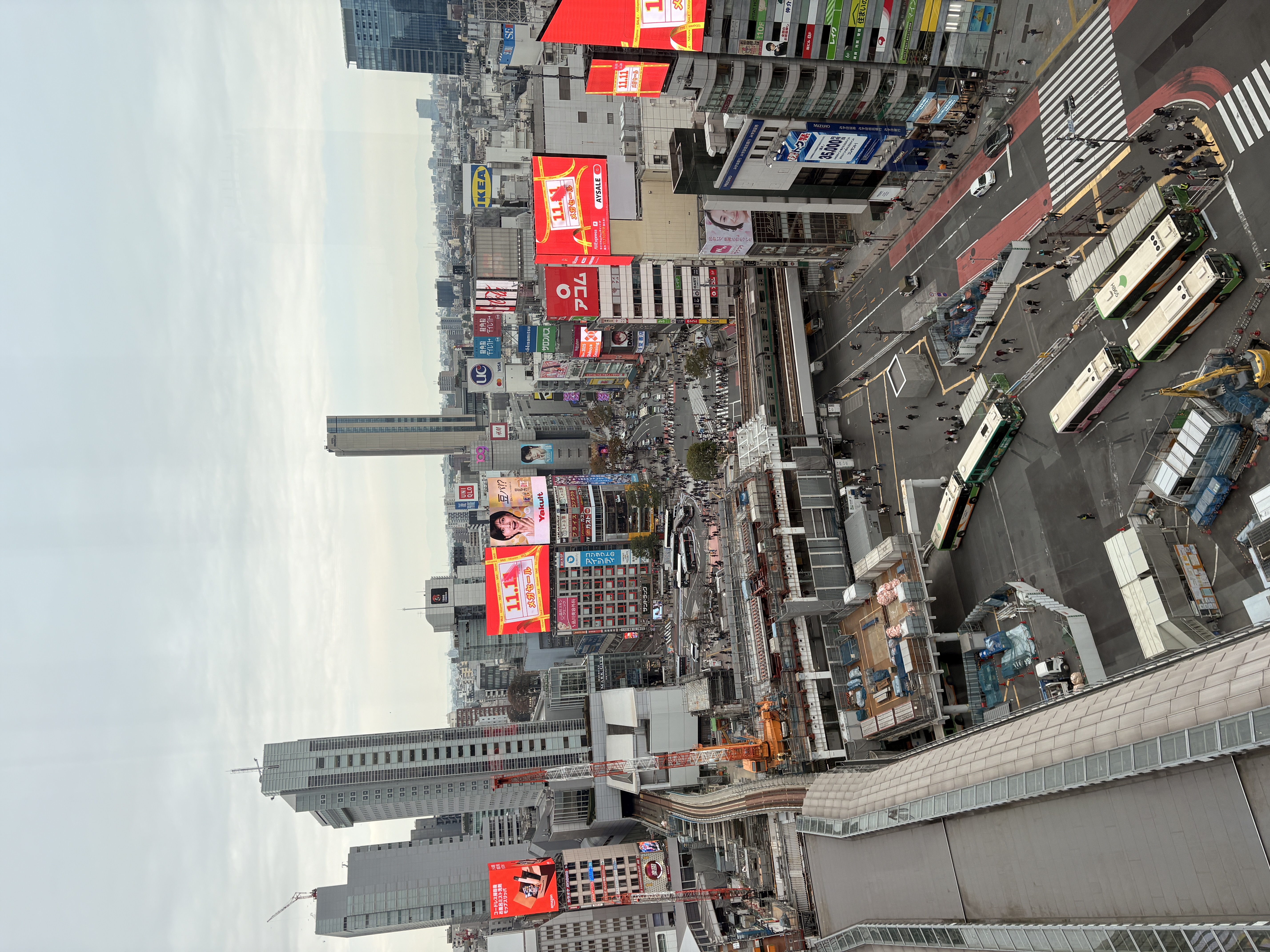
The famous pedestrian crossing in front of Shibuya station.
Opening times: freely accessible, subject to any local restrictions.
Price: free.
Recommended time: 15–30 minutes.
You can cross it on foot or admire it from above from one of the viewpoints in the area.
Would you like to admire the Tokyo crossing from above without buying a ticket? Let me share a spot I discovered during my trip: Shibuya Hikarie. It's an alternative worth keeping in mind if you're looking for a different viewpoint from the classic paid observatories. I went up to the eleventh floor and saw the crossing from there!
Hachiko
The statue of the dog Hachiko, near Shibuya Station.
Opening times: freely accessible.
Price: free.
Recommended time: 5–15 minutes.
This is a quick stop, which you can easily combine with the Shibuya crossing.
Shibuya PARCO: Pokémon Center and Nintendo Store
The shopping centre is home to shops dedicated to Japanese pop culture.
Approximate shop opening hours: 10:00–21:00.
Price: free.
Note: shops may operate controlled entry systems during busy periods.
Shimokitazawa
A neighbourhood known for its vintage shops, independent venues and alternative atmosphere.
Opening hours: these depend on the shops; many open between 11:00 and midday.
Price: free.
Recommended time: 1–3 hours.
It's an interesting stop, but I'd keep it optional: if you want to take your time in Harajuku and Shibuya, adding Shimokitazawa too might make the day too full.
Akihabara
Akihabara is the district not to miss if you love video games, manga, anime, electronics and collecting.
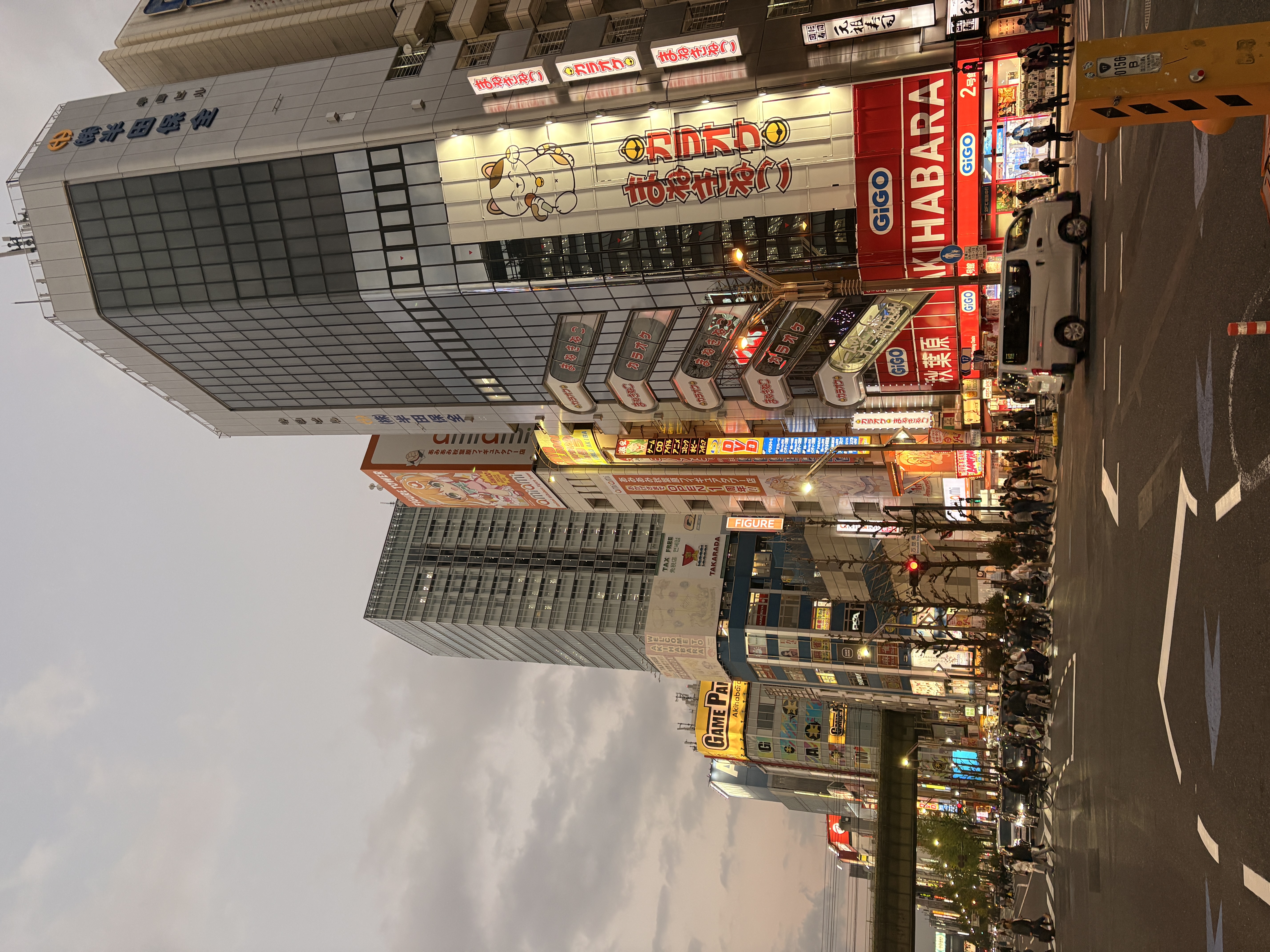
1. Super Potato Akihabara
A paradise for retro video game fans! Here you'll find vintage consoles and video games, games for old Nintendo and Sega consoles, gadgets and Japanese sweets. On the fifth floor there is also a nostalgic arcade.
Opening hours: daily, 11:00–20:00.
Entry: free; the products and games are paid.
2. Radio Kaikan
One of the landmark buildings of Akihabara, with several floors dedicated to collectible figures, anime, manga, model kits, trading cards and items for enthusiasts. Also perfect if you simply want to browse the shops.
Opening hours: generally 10:00–20:00, though these can vary from shop to shop.
3. Mandarake Complex
A large shop specialising in collectables, manga, anime, action figures, vintage toys and merchandise. It is an interesting stop especially if you are looking for unusual items or hard-to-find editions.
Opening hours: every day, 12:00–20:00.
4. BEEP Akihabara
A shop specialising in retro video games, vintage computers, vintage hardware and items for technology and gaming enthusiasts. Less general and more interesting for those who love tracking down particular pieces.
Opening hours: Monday, Tuesday, Thursday and Friday 12:00–20:00; Saturday, Sunday and public holidays 11:00–20:00. Closed on Wednesdays.
5. Surugaya Akihabara
A Japanese chain selling new and used products, including video games, consoles, merchandise and collectibles. Worth a visit if you want to compare prices and look for a bargain.
6. BOOKOFF Akihabara Station Store
A second-hand shop where you can find books, manga, video games and other pre-owned products. A good stop for those who enjoy hunting for bargains without necessarily spending large sums.
7. Retro Game Camp Akihabara
A shop dedicated to retro video games, with titles and accessories for various consoles. Interesting for anyone looking for vintage games and keen to browse older generations of consoles.
Ueno
Ueno Park
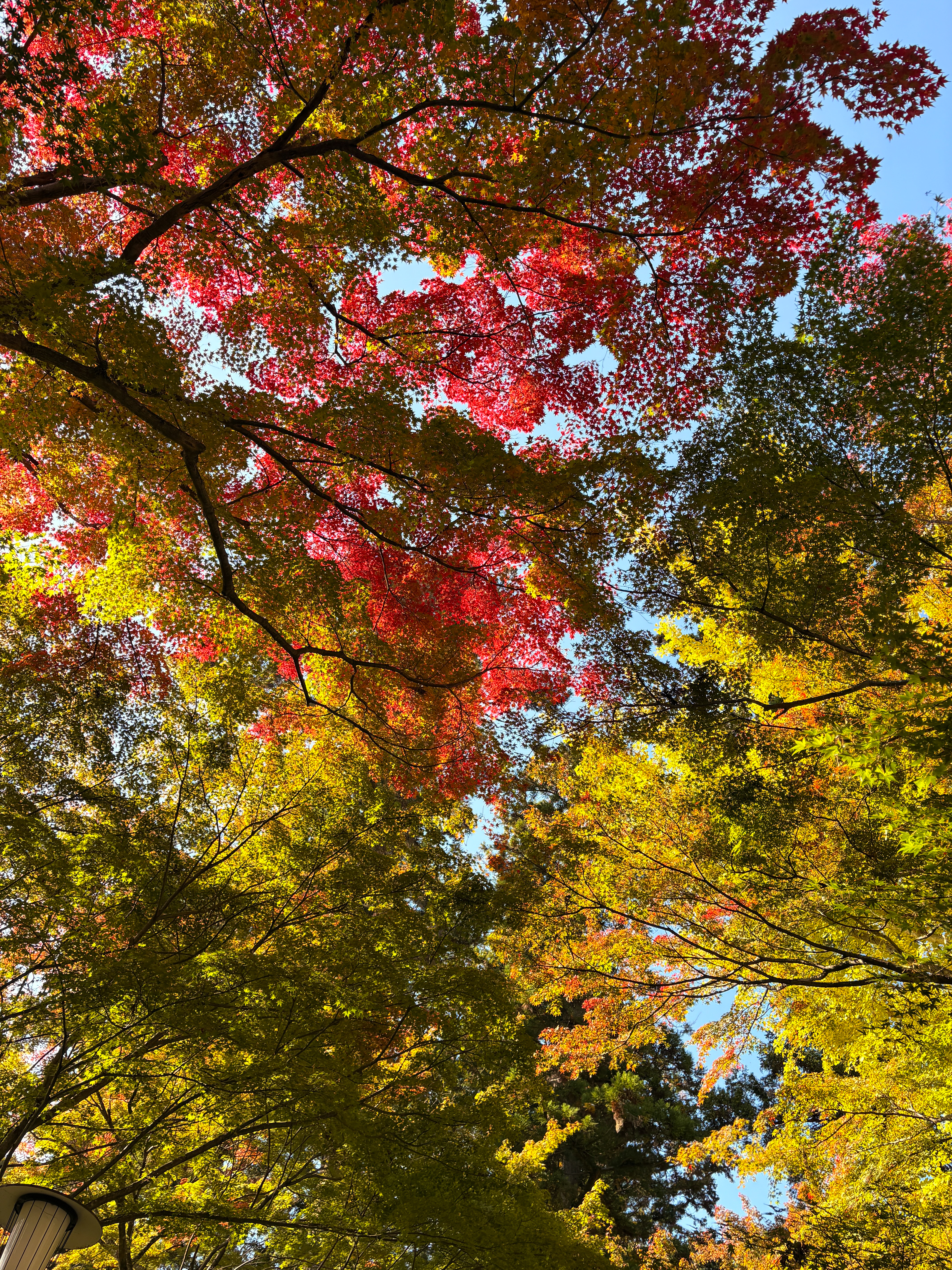
A large public park, known for its museums, its zoo and the cherry blossoms in spring.
Park opening hours: 5:00–23:00.
Price: free.
Recommended time: 1–2 hours, longer if you visit a museum.
Would you like to watch a real sumo training session live? You can do it for free here! Unfortunately I was not able to experience this myself, because the wrestlers were busy with competitions on those days, but if you get the chance, I recommend trying it!
Before going, check on the official website whether the training sessions are open to visitors, as they are not available every day.
Asakusa
Asakusa is one of the most interesting areas for discovering traditional Tokyo, with temples, shopping streets and sweet shops.
Senso-ji
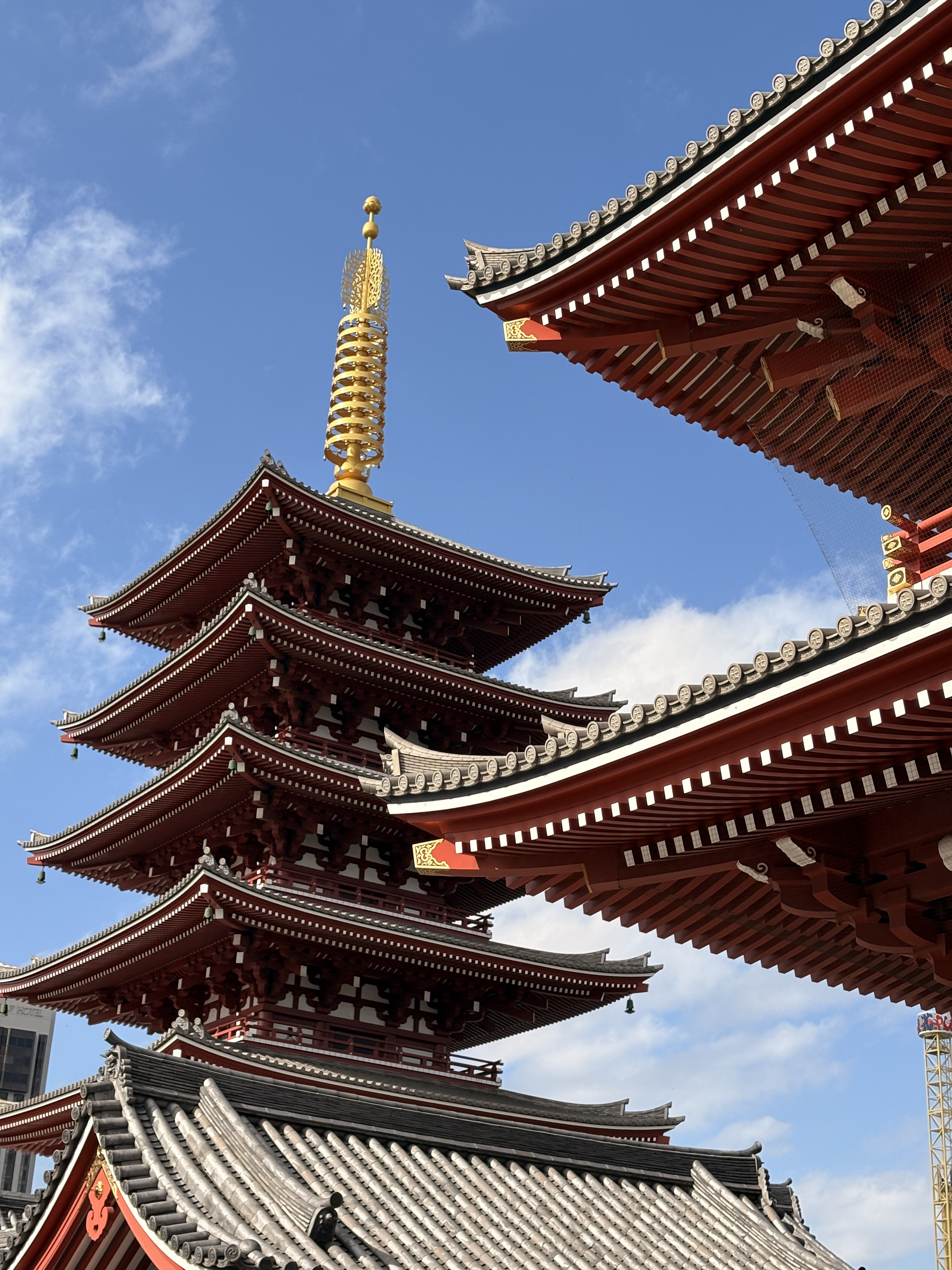
One of the most famous Buddhist temples in the city.
Complex opening hours: accessible during the day; the main buildings have their own opening hours.
Price: free.
Recommended time: 45–90 minutes.
Visiting the complex early in the morning can be a good choice to avoid part of the crowd. It is important to distinguish access to the outer area from the opening hours of the main hall.
Stiriosity
Hanging on the back of the door are two enormous traditional straw sandals, called waraji. They are not a random decoration: they represent the large footwear of the temple guardians and symbolise their strength, so much so that they are associated with protection against evil spirits.
Kaminarimon
The monumental gate that leads to the Senso-ji area and the Nakamise shopping street.
Opening times: freely accessible.
Price: free.
Recommended time: 10–15 minutes.
It is a stop you can combine with the temple and the surrounding streets.
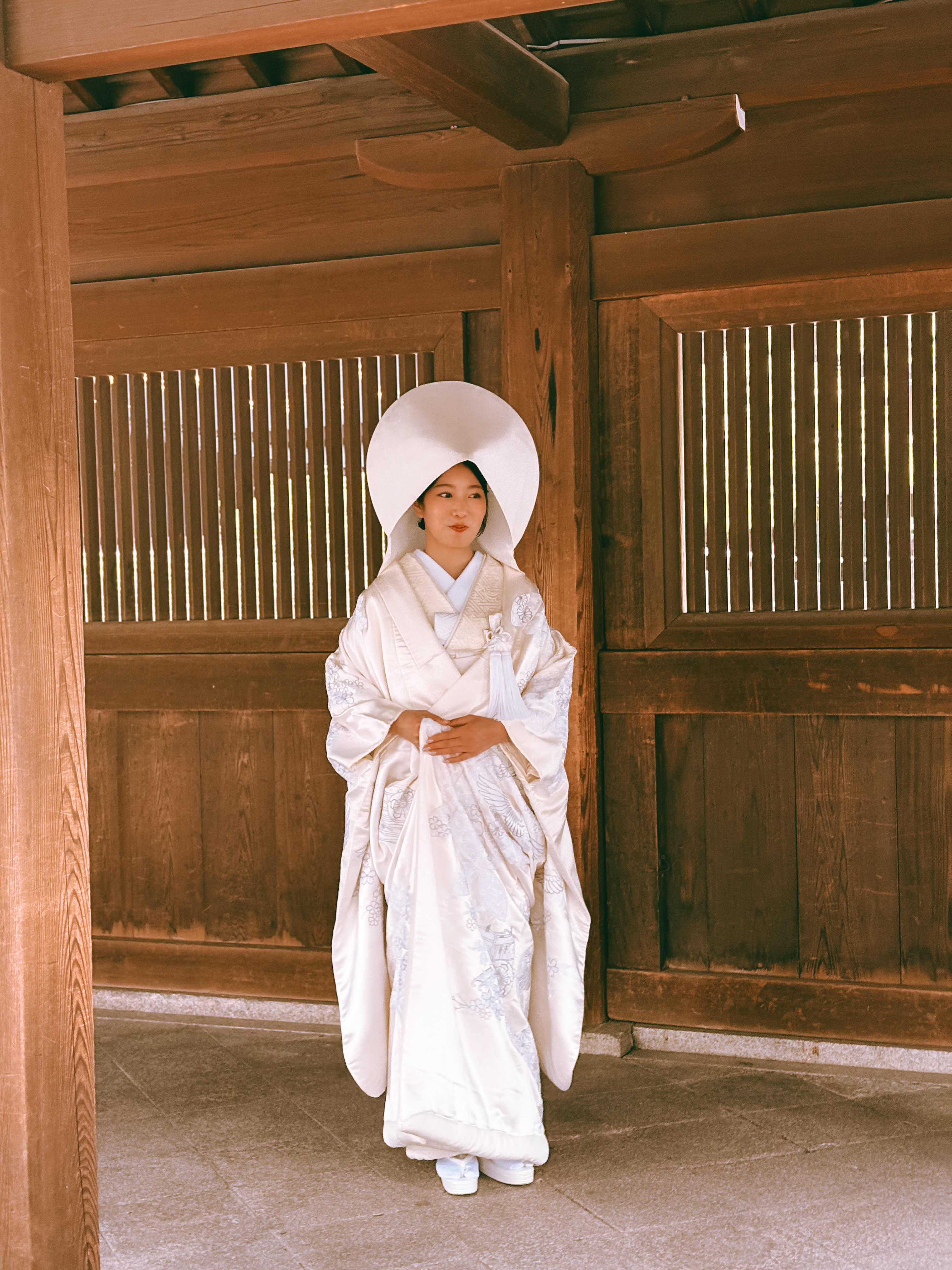
Tokyo Skytree
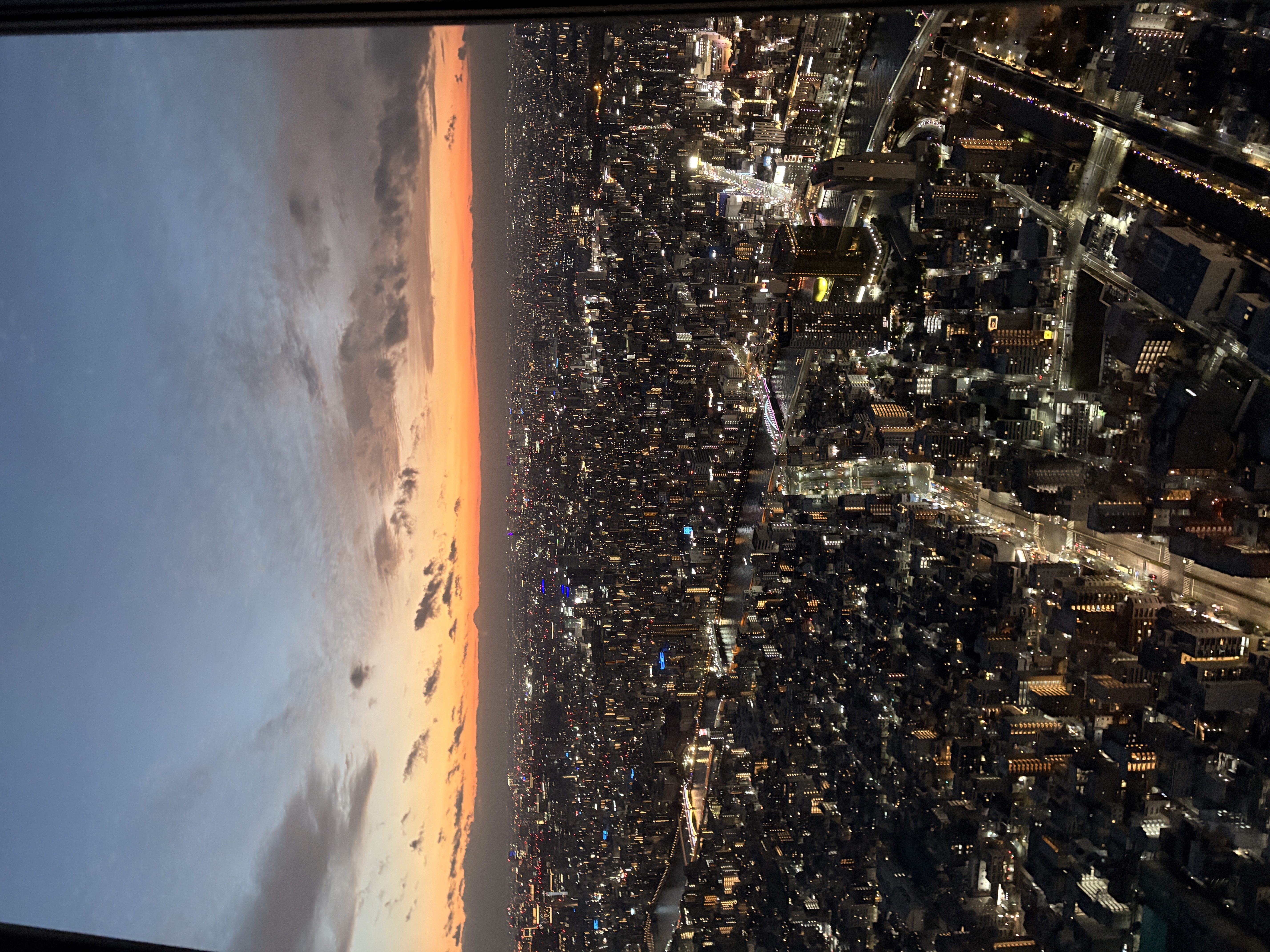
Tokyo Skytree is an observation tower offering a spectacular view of the city.
Approximate opening hours: 10:00–22:00 on weekdays; 9:00–22:00 at weekends and on public holidays.
Last entry: generally one hour before closing.
Price: varies depending on the ticket and date.
Booking: recommended.
Odaiba
Odaiba is an area along Tokyo's waterfront with technological attractions, shopping centres and views over the bay.
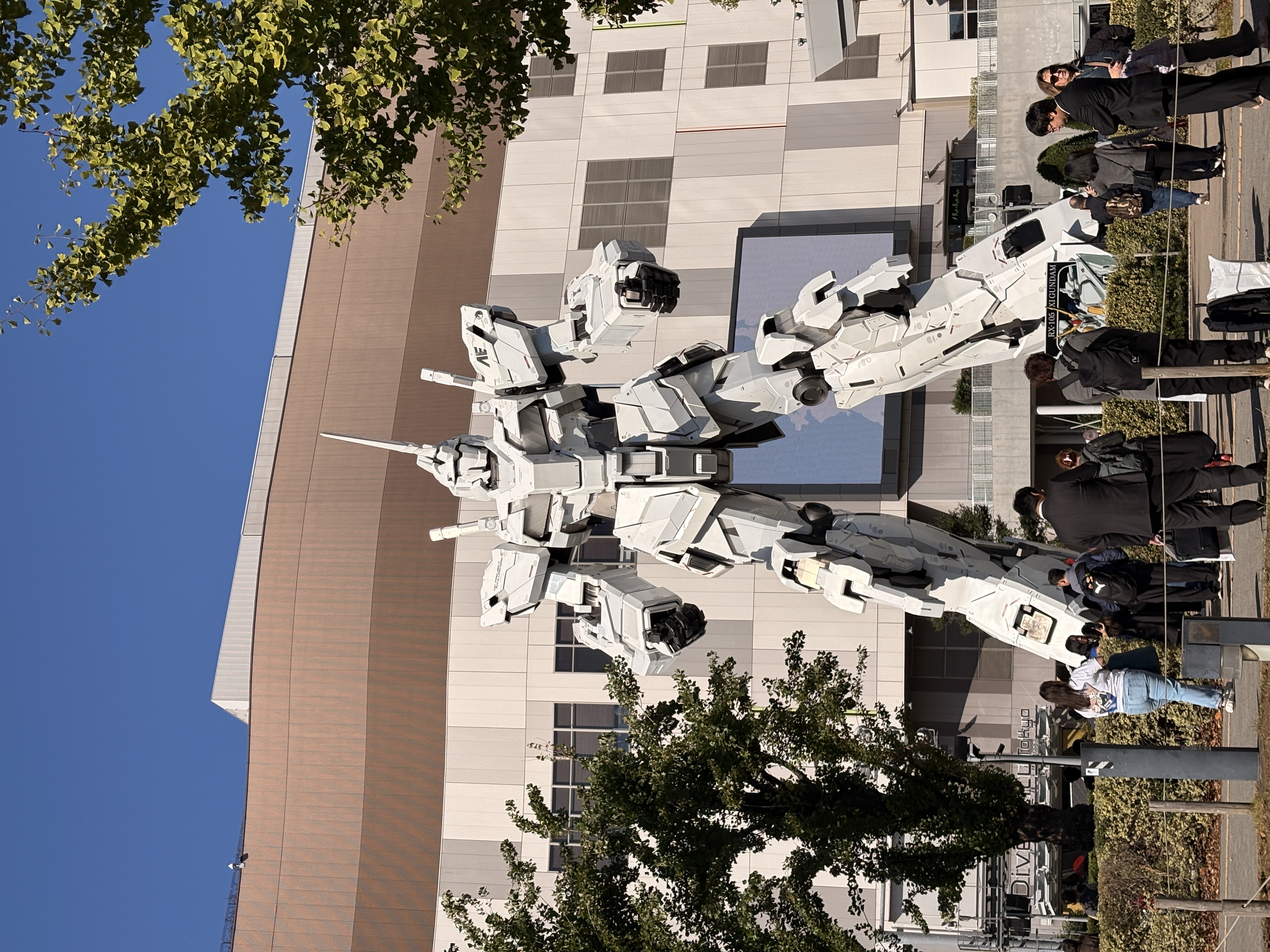
Rainbow Bridge
The bridge can also be crossed on foot via the Rainbow Promenade.
Opening hours from November to March: generally 10:00–18:00.
Price: free.
Last entry: generally 30 minutes before closing.
Closures: there may be scheduled closures and restrictions due to bad weather.
Statue of Liberty in Odaiba
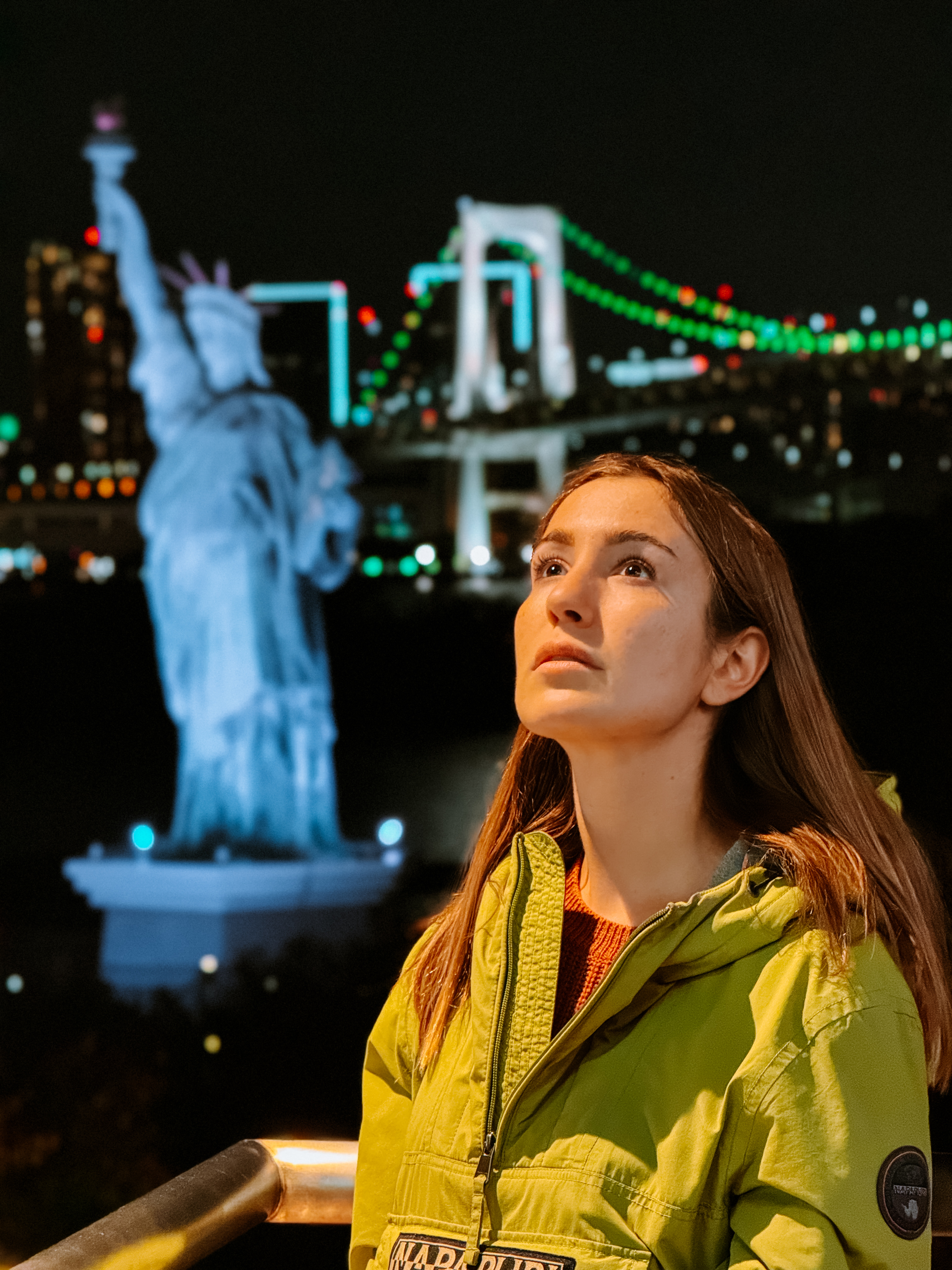
A replica of the Statue of Liberty, located near the waterfront.
Opening hours: the outdoor area is freely accessible.
Price: free.
Recommended time: 10–20 minutes.
Doraemon Future Department Store
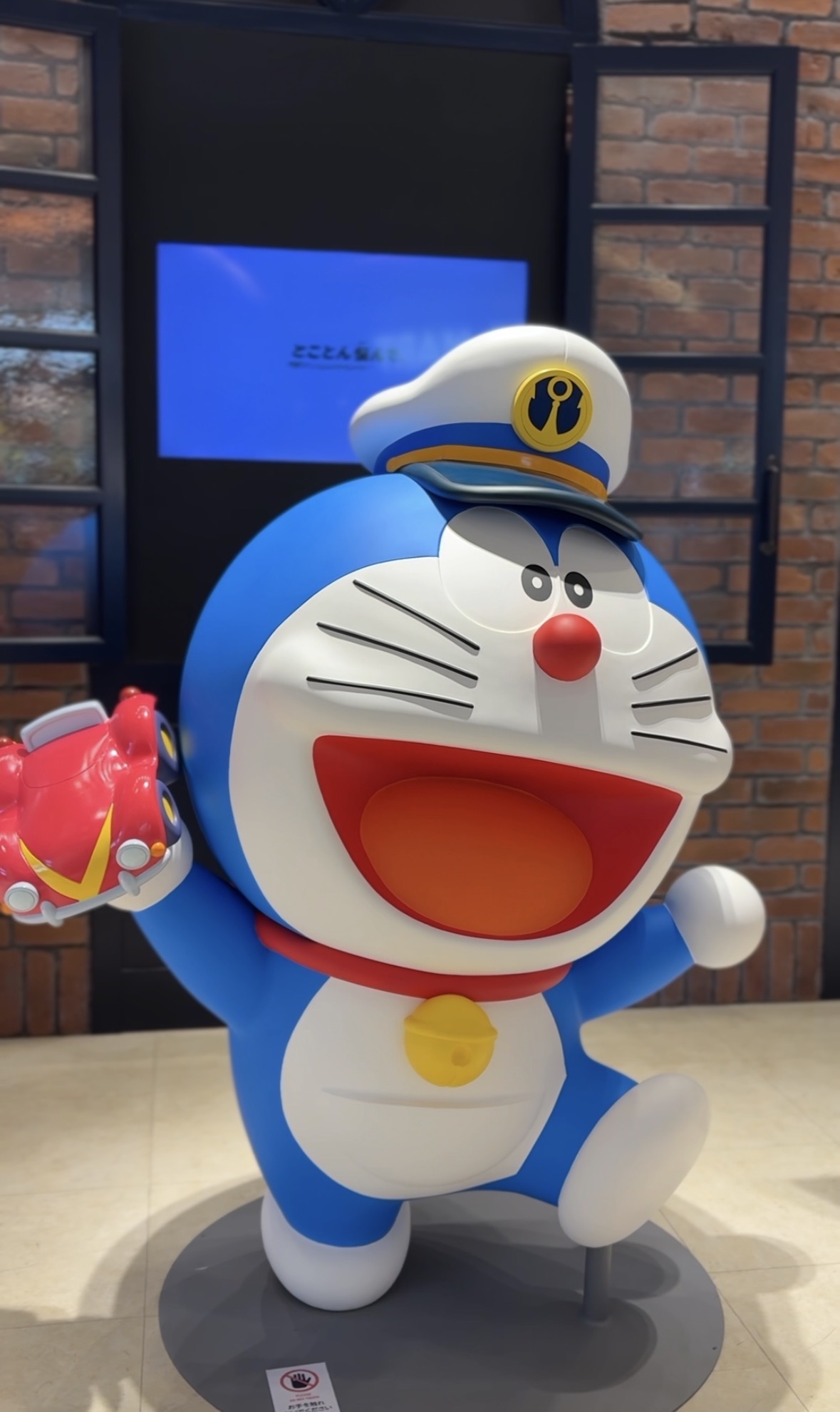
A shop dedicated to Doraemon.
Opening hours noted: 11:00–20:00.
Price: free.
Note: opening hours and availability should be checked before your visit.
TeamLab Borderless

A museum of immersive digital art where lights, projections and interactive installations continuously transform, creating spaces to explore. It is not simply an exhibition to look at: you can lose yourself among the works and discover how they change from one room to the next!
Where: Azabudai Hills, Garden Plaza B, level B1, Tokyo.
Opening hours: these vary by day. Last entry is generally one hour before closing. Please check the current opening times before your visit.
Price: adult tickets start from around 3,600 yen, but the cost varies according to the date and the level of visitor numbers. I recommend booking online in advance, choosing the day and time you prefer, as tickets can sell out. Once inside, take your time to explore the venue without rushing!

Tokyo City Flea Market: hunting for bargains!
If you love second-hand markets, prepare to get lost among hundreds of stalls! The Tokyo City Flea Market takes place in the Oi Racecourse area and is one of the largest flea markets in Tokyo.
Here you can find pretty much everything: clothing, bags, accessories, toys, homeware, vintage items and small second-hand treasures. It is the ideal place to browse the most unusual objects, hunt for a bargain and discover a side of the city different from the classic shopping districts.
go in the morning for more choice, bring a little cash and take your time browsing the stalls. You never know what treasure you might discover!
Daruma and the wishes to be fulfilled
Have you ever seen those round, red dolls without pupils? They are called daruma and are Japanese charms associated with perseverance and achieving one's goals. Watch the Reel!
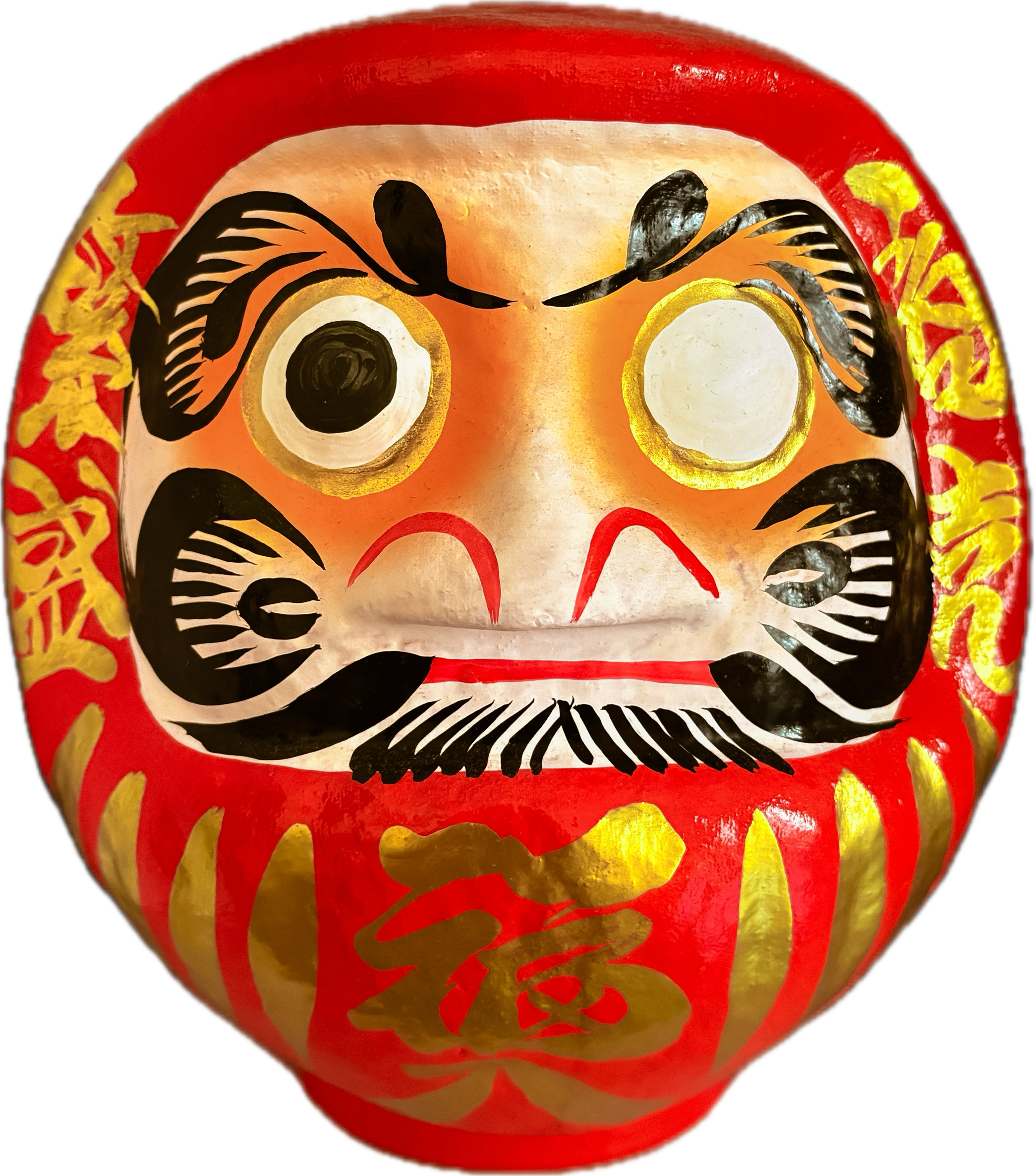
Tradition has it that you paint in one eye when making a wish or setting a goal, and the second when it has been achieved. Their rounded body symbolises the ability to get back up after a fall: a nod to the Japanese proverb 'Fall seven times, stand up eight'.
These are not mere decorations: they are a little reminder not to give up in the face of difficulties!
Red is the most traditional colour, but daruma come in various colours, each associated with different meanings and wishes.
Experiences to try
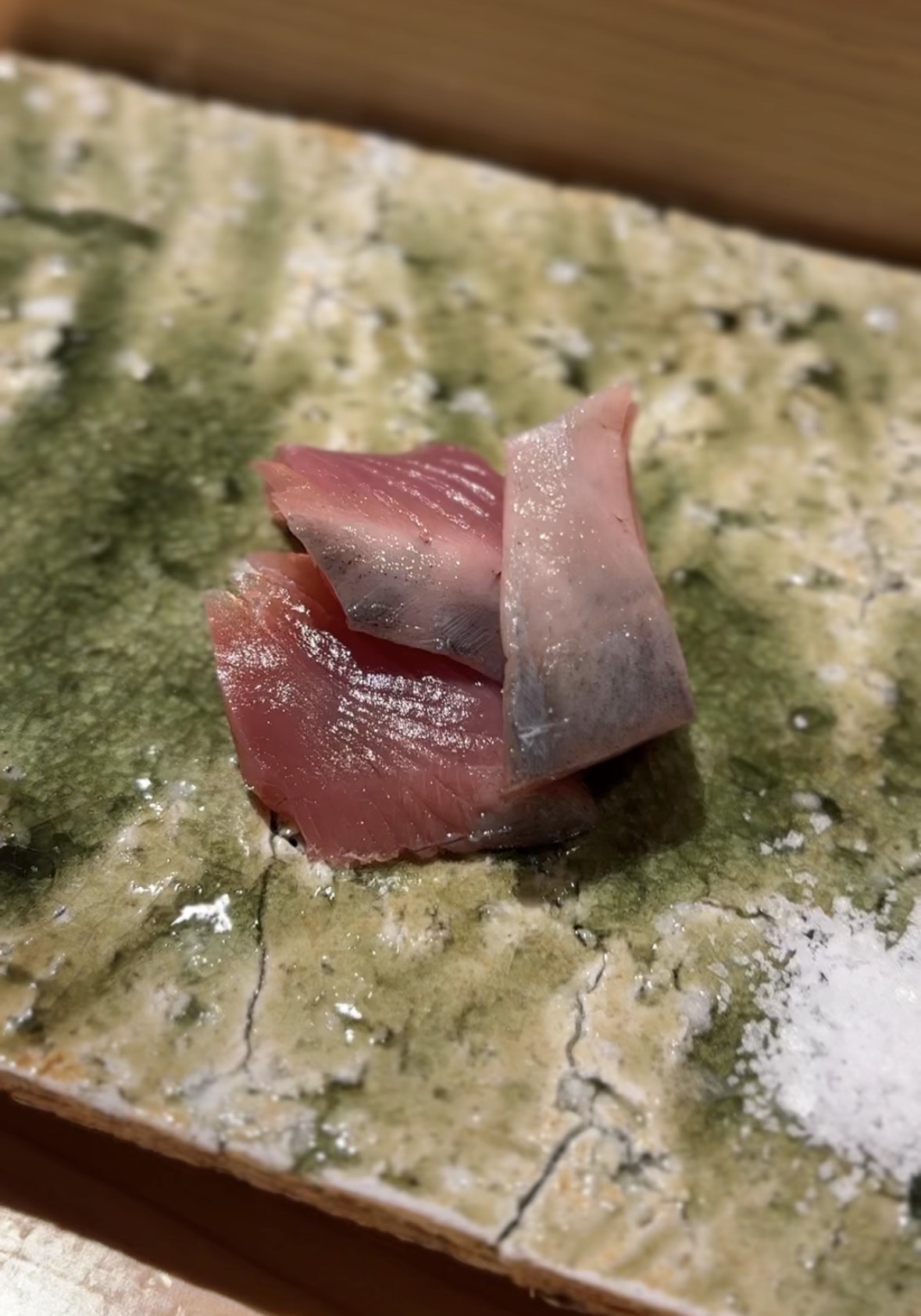
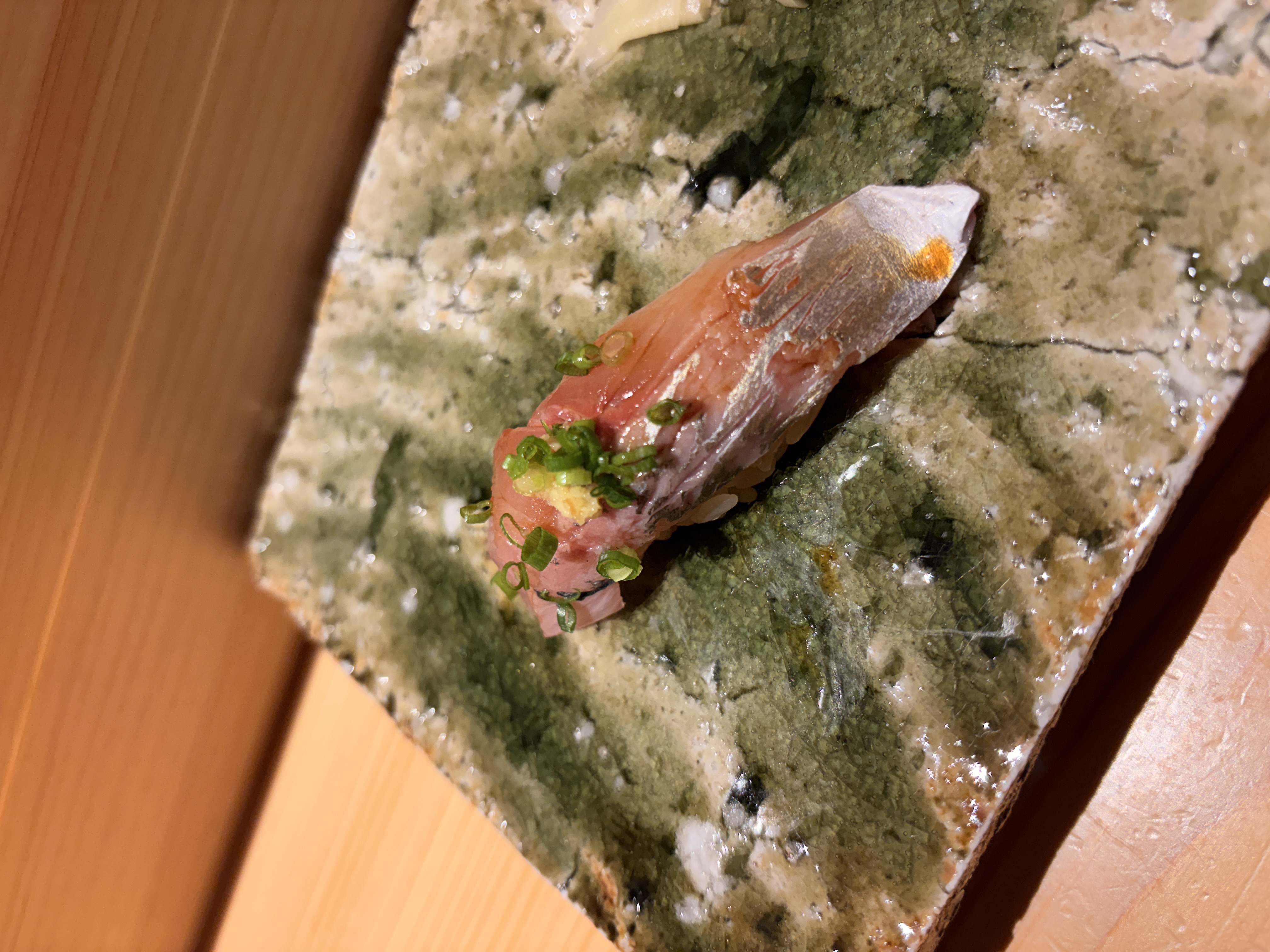
If you want to treat yourself to a special dining experience in Tokyo, you could try a restaurant where the sushi is prepared right in front of you. Compared with the cheap chains, here you are also paying for the care taken in preparation, the quality of the ingredients and the experience itself.
Sushi Shiina €€€
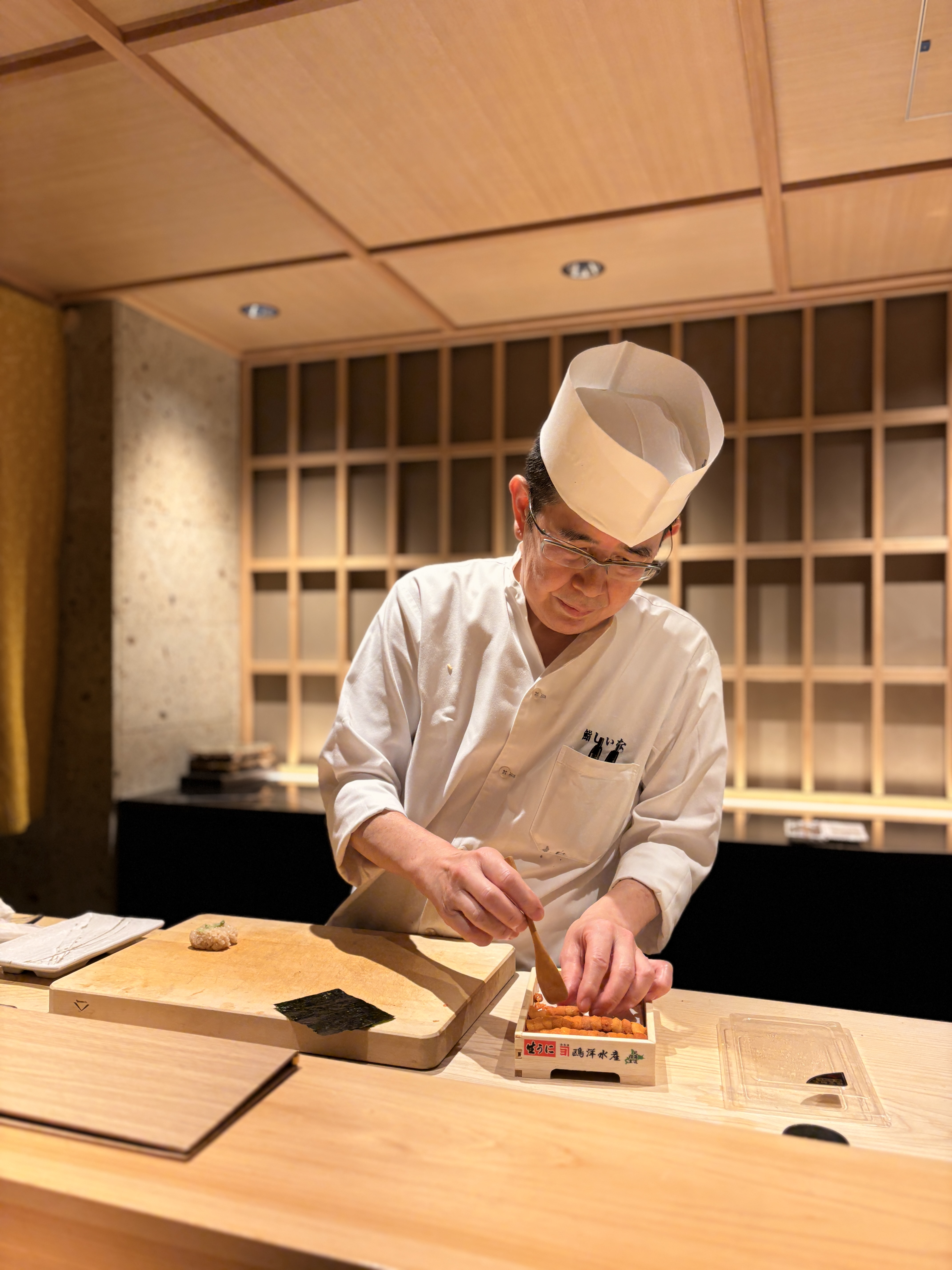
Here I experienced sushi prepared directly in front of me: an opportunity to watch the chef's work up close and discover a more refined side of Japanese cuisine. It is more expensive than classic sushi restaurants, so I would recommend it to anyone wanting to treat themselves to a special dinner during the trip.

What to eat in Tokyo
Here you will find the post about foods to try in Japan and the Reel about strange foods
Konbini, such as 7-Eleven, Lawson and FamilyMart, are a constant presence in everyday Japanese life. As well as snacks and drinks, you can find ready meals, sweets, everyday products and various services. They are also a valuable resource for those travelling on a limited budget who want something quick to eat without going to a restaurant.
1. Monjayaki — Tokyo's speciality
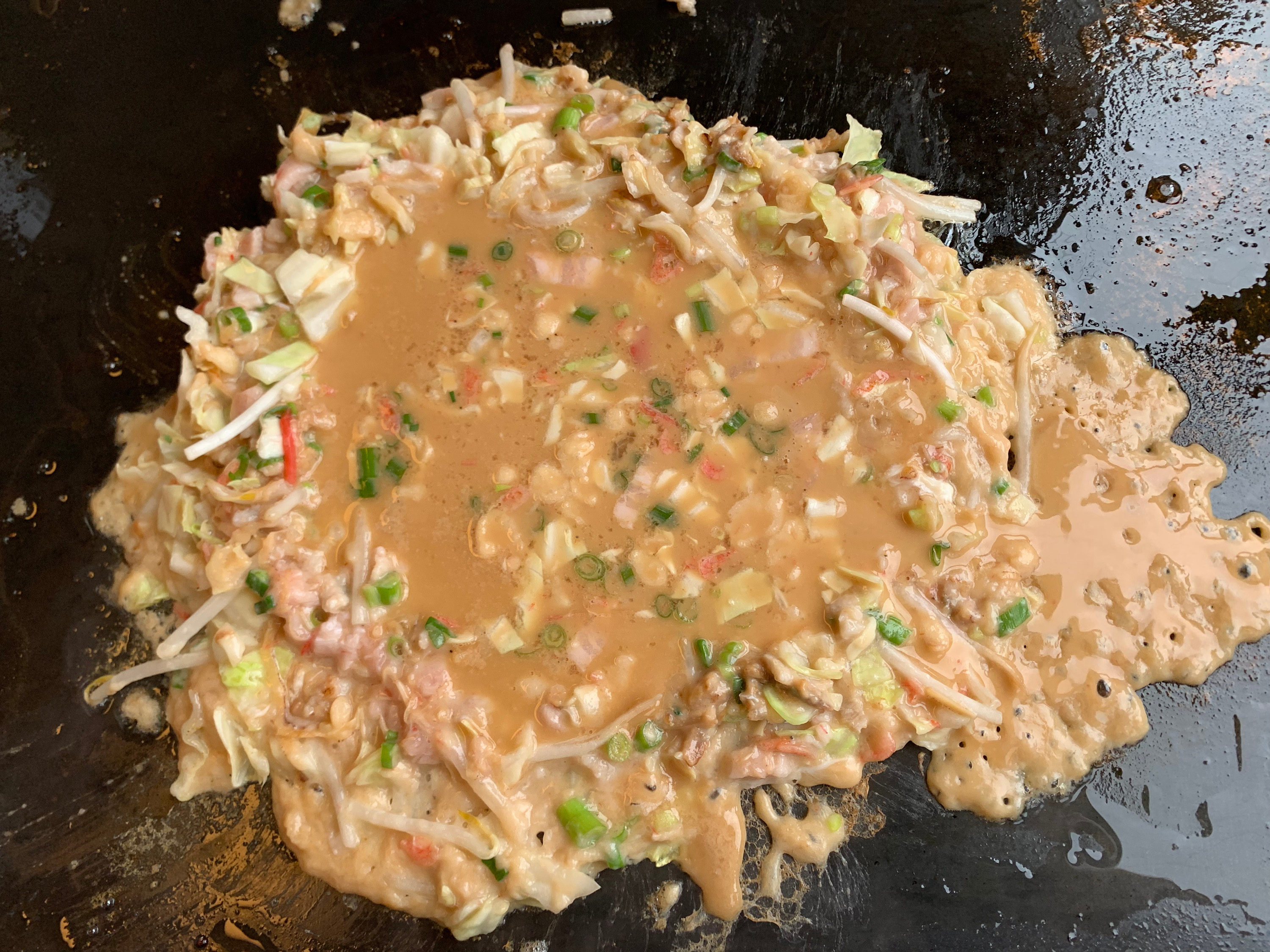
A kind of savoury pancake made with a fairly runny batter, cabbage and ingredients of your choice, such as meat, prawns, squid, cheese or mochi. It is cooked on a griddle right at the table and eaten using a small metal spatula.
Unlike Osaka's okonomiyaki, monjayaki has a much softer, creamier texture.
 Where to try it: Tsukishima, home to the famous Monja Street, a road lined with restaurants specialising in it.
2. Fukagawa-meshi — rice with clams
A traditional dish originating in the Fukagawa area, when fishermen ate quick meals based on the local catch.
There are several versions: in one, the rice is seasoned with a miso and clam broth; in the other, the clams are cooked together with the rice.
Where to try it: Fukagawa, in eastern Tokyo.
It is an interesting speciality if you want to also tell the gastronomic history of the city, going beyond the better-known Japanese dishes.
3. Chanko-nabe — the sumo wrestlers' hotpot
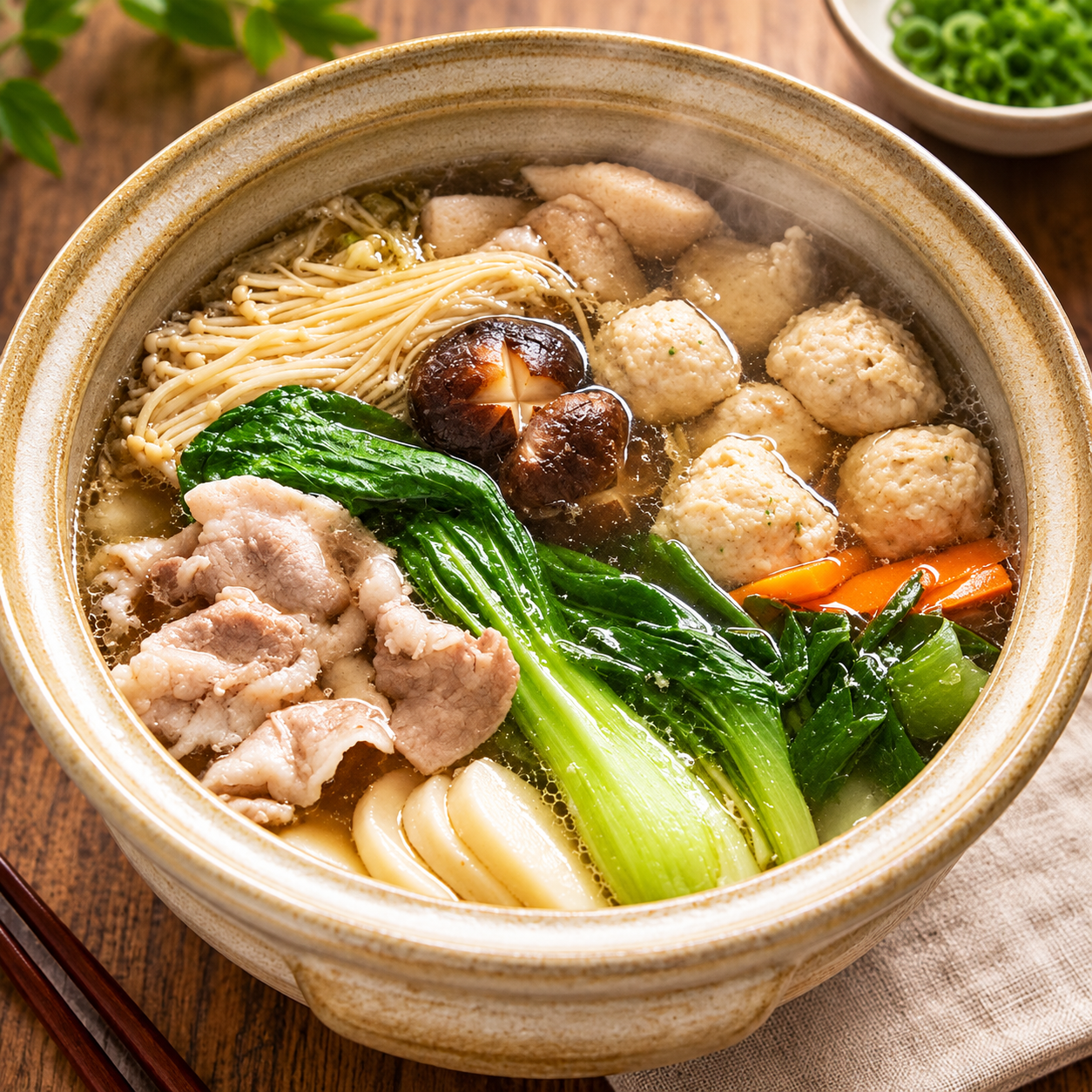
A large pot of broth with meat, fish, tofu and vegetables. It is the dish traditionally associated with the diet of sumo wrestlers, with recipes that vary from one stable to another.
Where to try it: Ryogoku, the neighbourhood most closely tied to sumo tradition.
4. Edomae sushi — the traditional sushi of Tokyo
Tokyo is a city synonymous with sushi, but it's worth knowing about Edomae sushi, which originated in ancient Edo, present-day Tokyo.
It is traditionally prepared with fish and seafood, often treated with techniques such as marinating or curing, served with rice seasoned with vinegar.
Where to try it: in a traditional sushi-ya, or choose a kaitenzushi, a restaurant where sushi travels past on a conveyor belt, often more affordable.
5. Soba — buckwheat noodles
These are thin noodles made with buckwheat flour. You can find them served cold with a dipping sauce or hot in broth.
These are a speciality historically linked to Tokyo and can be an excellent choice for a quick meal without spending too much.
if you order them cold, they will generally be served with a dipping sauce on the side: dip them before eating. And don't worry if the Japanese make noise while eating noodles!
6. Wagyu and Kobe: Japan's prized beef
Wagyu is a prized Japanese beef, known for its marbling and tenderness, and it can be quite expensive. Kobe beef is a specific variety of wagyu, from Hyōgo Prefecture and subject to strict selection criteria. In short: all Kobe is wagyu, but not all wagyu is Kobe. To try it, it's best to choose a specialist restaurant and check that they really serve it: don't make the same mistake I did!
7. Mochi and Dango: traditional Japanese sweets
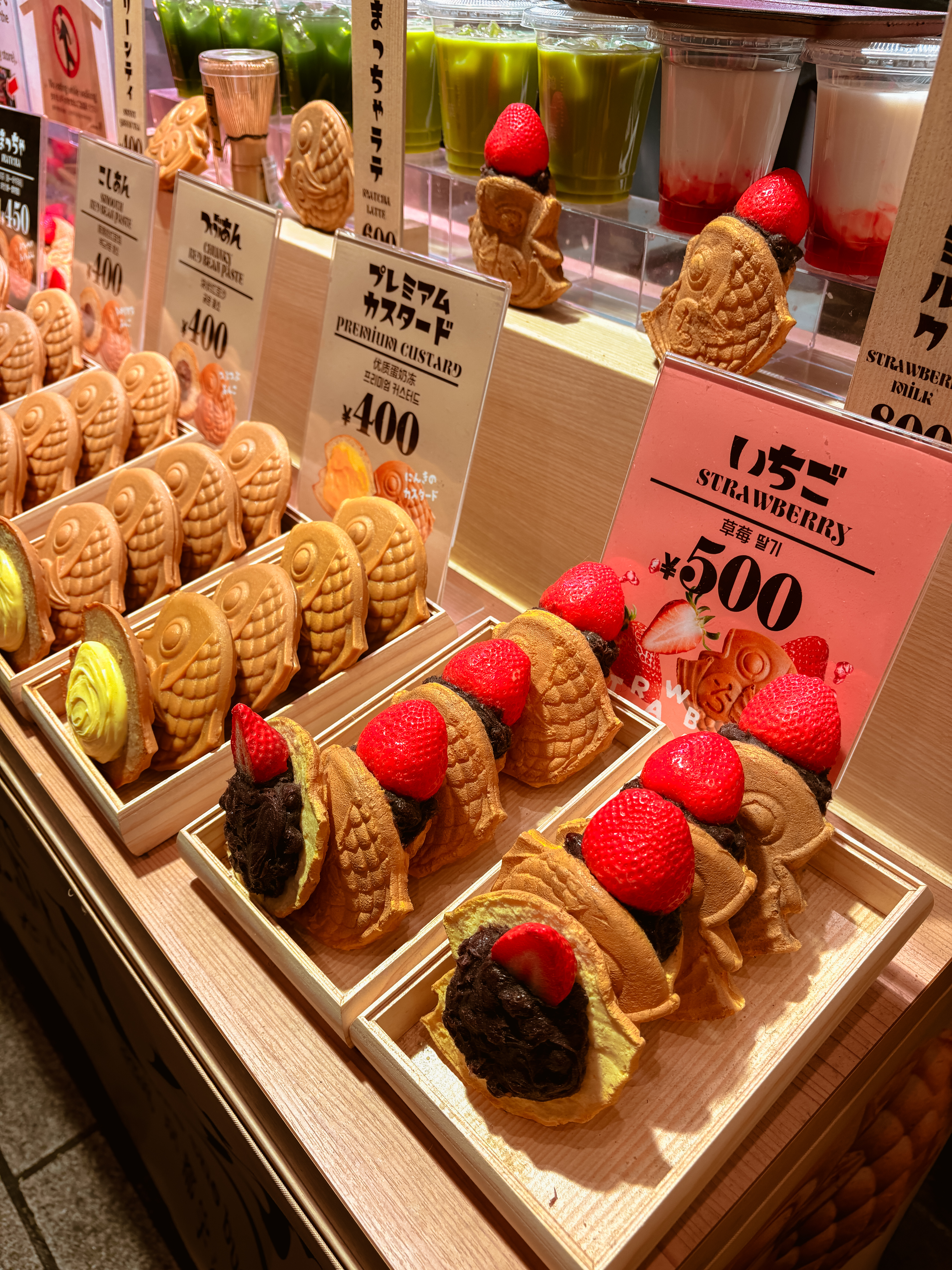
Known as wagashi, that is, traditional Japanese sweets, they are often made with ingredients such as sweet red bean paste, rice and rice flour.
They can come in different shapes and colours, sometimes inspired by nature and the seasons.
They are often served with tea and represent an important part of Japanese gastronomic culture.
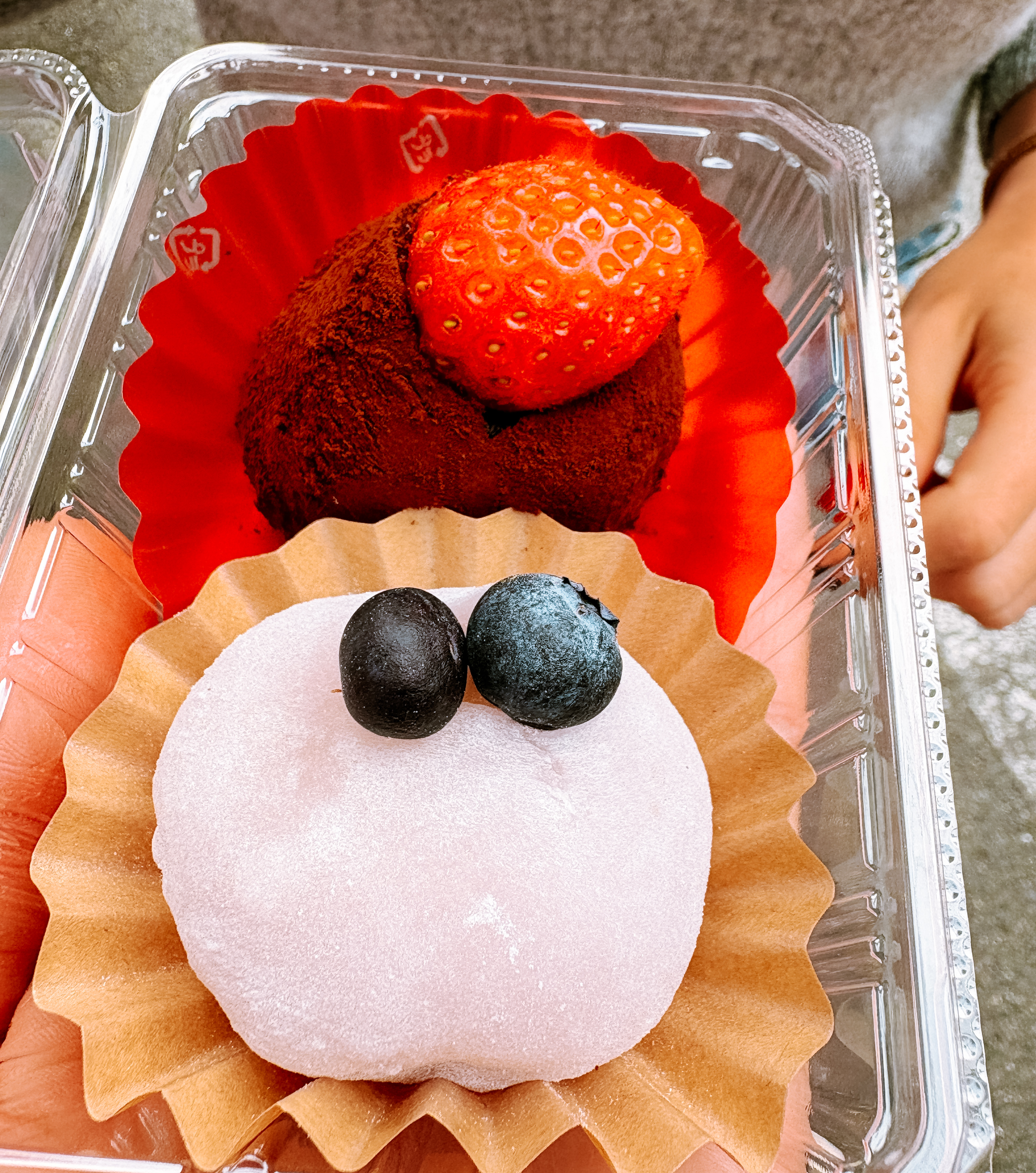
Mochi can be filled with ice cream and can have unusual flavours, such as matcha, mango or black sesame. These are modern variations: traditional mochi often have more classic fillings or toppings, such as sweet red bean paste.
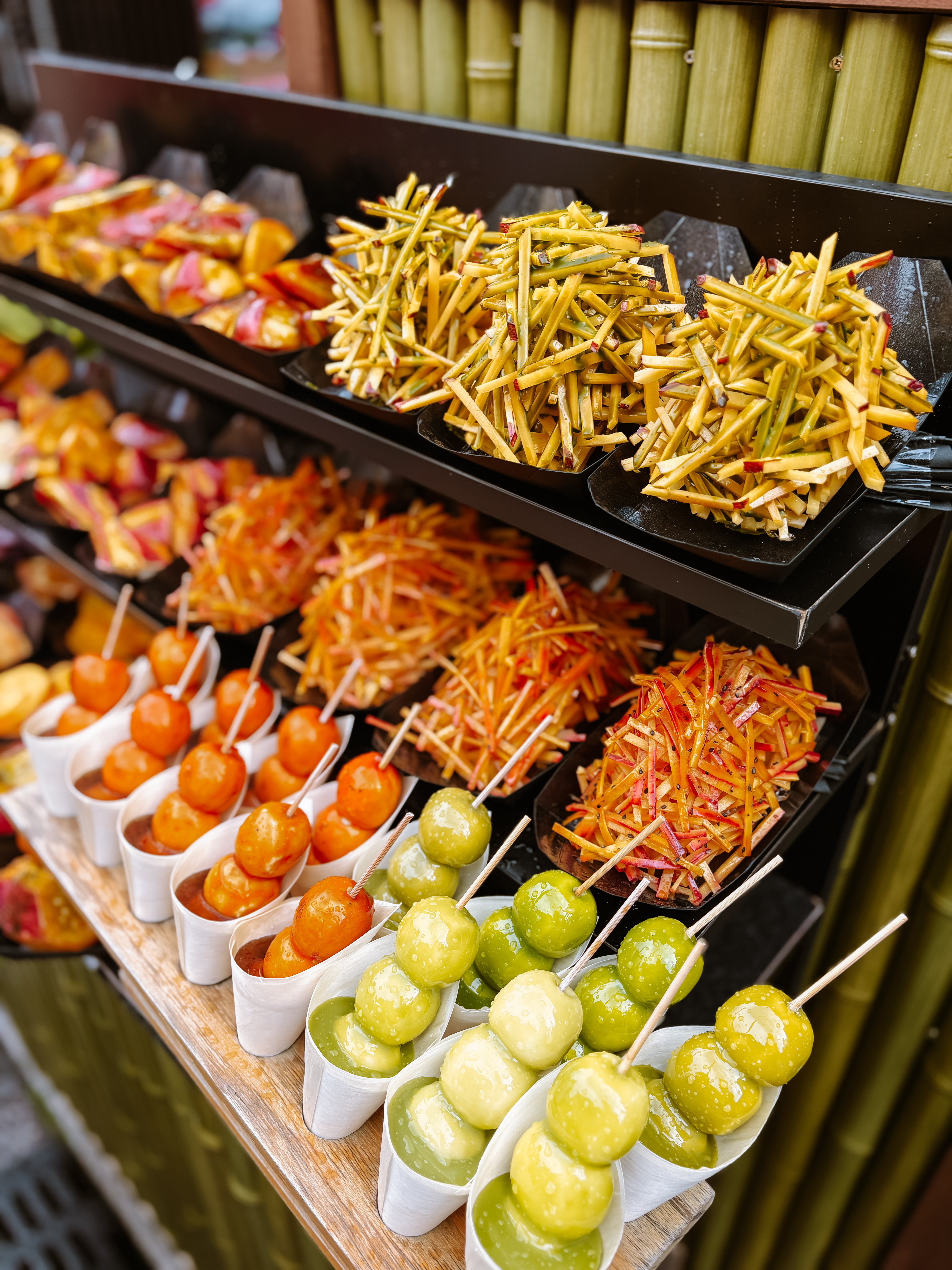
Dango are Japanese rice dumplings, soft and slightly chewy, often served threaded on a skewer. They come in several varieties, with toppings such as sweet soy sauce, red bean paste or toasted soybean powder.
Where to try them: in traditional patisseries and tea rooms in Kyoto.
If you want to try a simple experience rooted in local tradition, order a cup of matcha tea accompanied by a Japanese sweet. It is a pleasant way to treat yourself to a break while exploring the city.
Where to eat
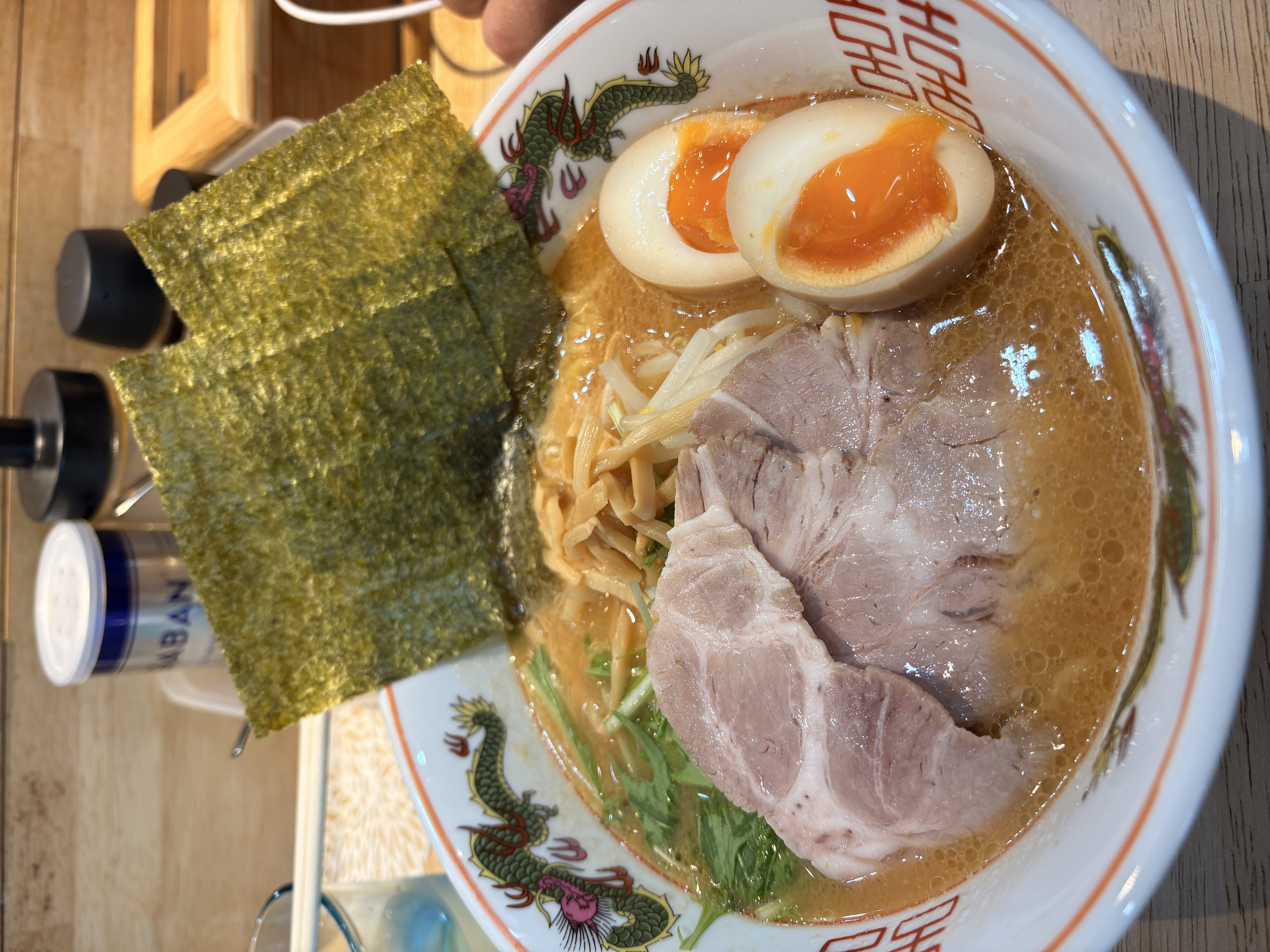
Ramen and noodles
 Machida Shoten Miyamasu: € my favourite, really good ramen! Watch the Reel here
- Ganso Aburaudon €
- Udon Shimbori €
- Udon Onyanma €
- Ichiryu €
Sushi and Japanese cuisine
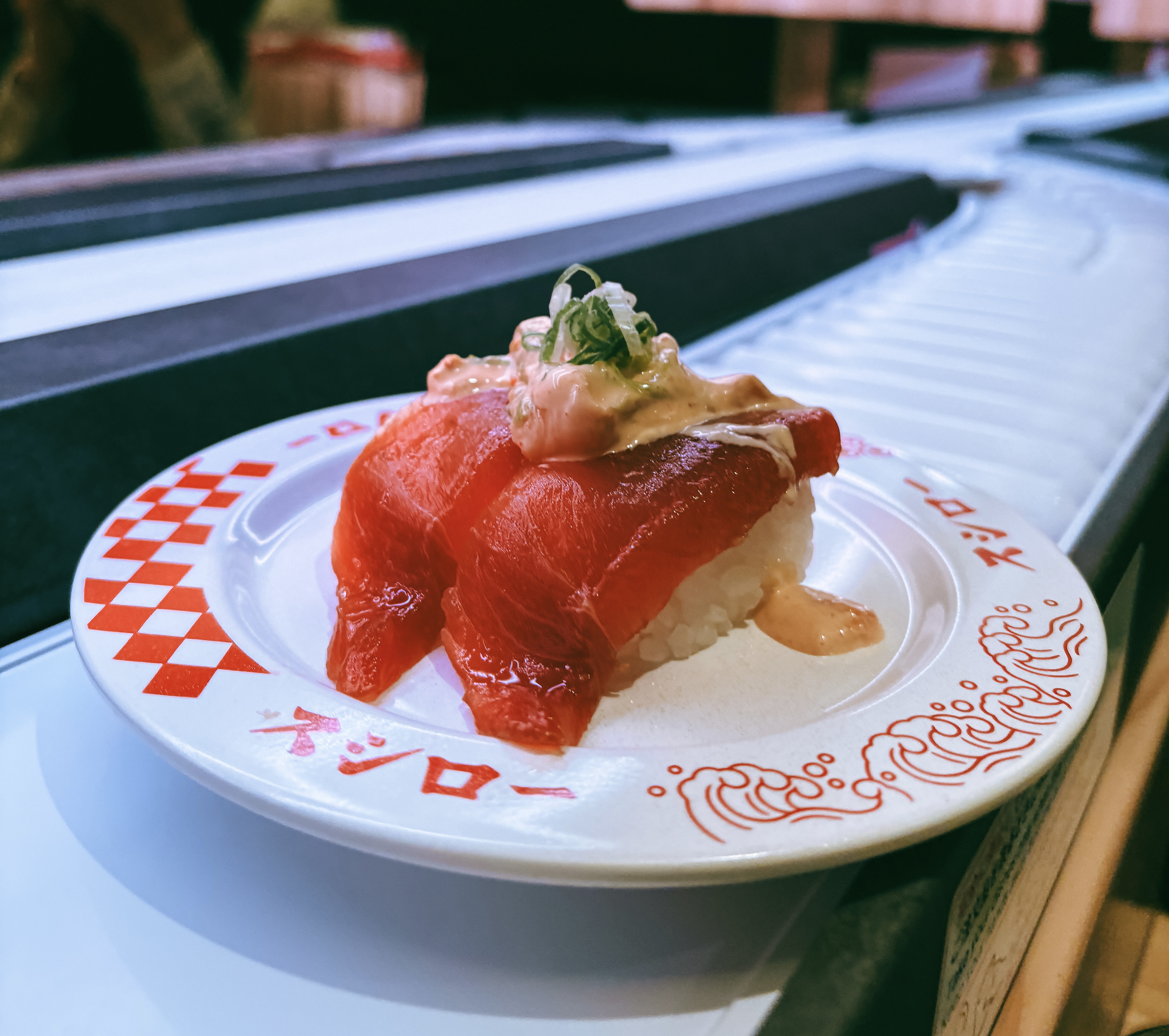
- Sushiro €
- Kura Sushi €
Two of Japan's most famous conveyor-belt sushi chains: they offer plenty of choice at affordable prices, perfect for enjoying good sushi without spending too much.
- Sushi no Midori: €€ famous for its good value for money and generous portions. An excellent choice if you want quality sushi without spending a fortune.
- Tsukiji Sushiko: €€ a sushi chain, ideal for trying nigiri and other Japanese specialities.
- Tachigui Sushi Tonari: €€ a standing sushi bar, perfect for a more informal experience and a quick meal.
L'atelier Daijiro: a small patisserie in Asakusa

If during your visit to Asakusa you fancy a sweet treat, L'atelier Daijiro is a craft patisserie and bakery well worth remembering, excellent for breakfast!
Here you can find carefully prepared bread, croissants, baked goods and a selection of sweets, including cakes and canelés, the typical French treats with a caramelised crust.
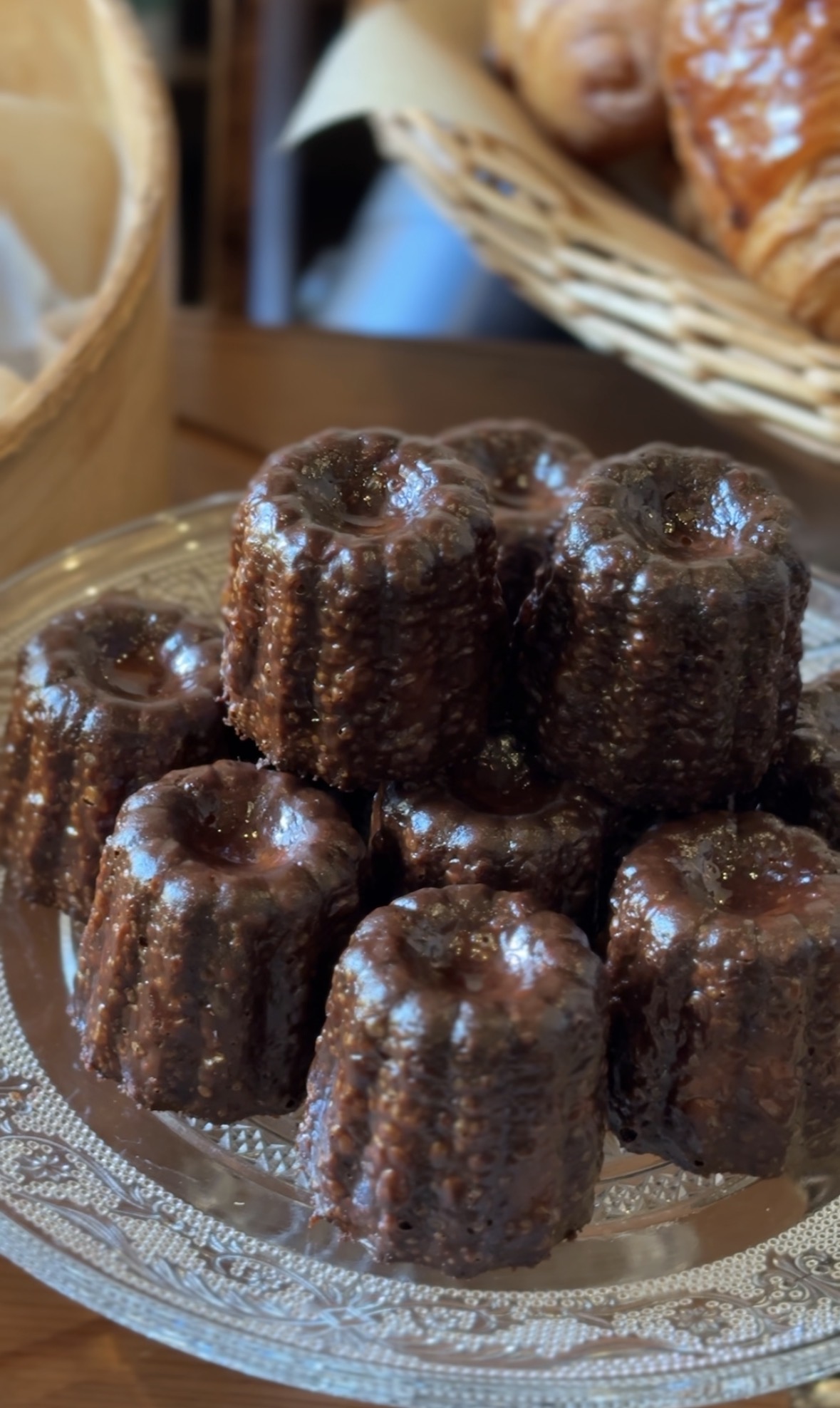
It's an address worth noting for anyone who enjoys discovering small local spots and wants to alternate the more touristy stops in Tokyo with a pause devoted to good food.
Where it is: 5-1-2 Asakusa, Taito, Tokyo
How to get there: about 10–11 minutes on foot from Asakusa station, depending on the exit and route.
What to try: croissants, canelés and the day's cakes.
Where to stay in Tokyo
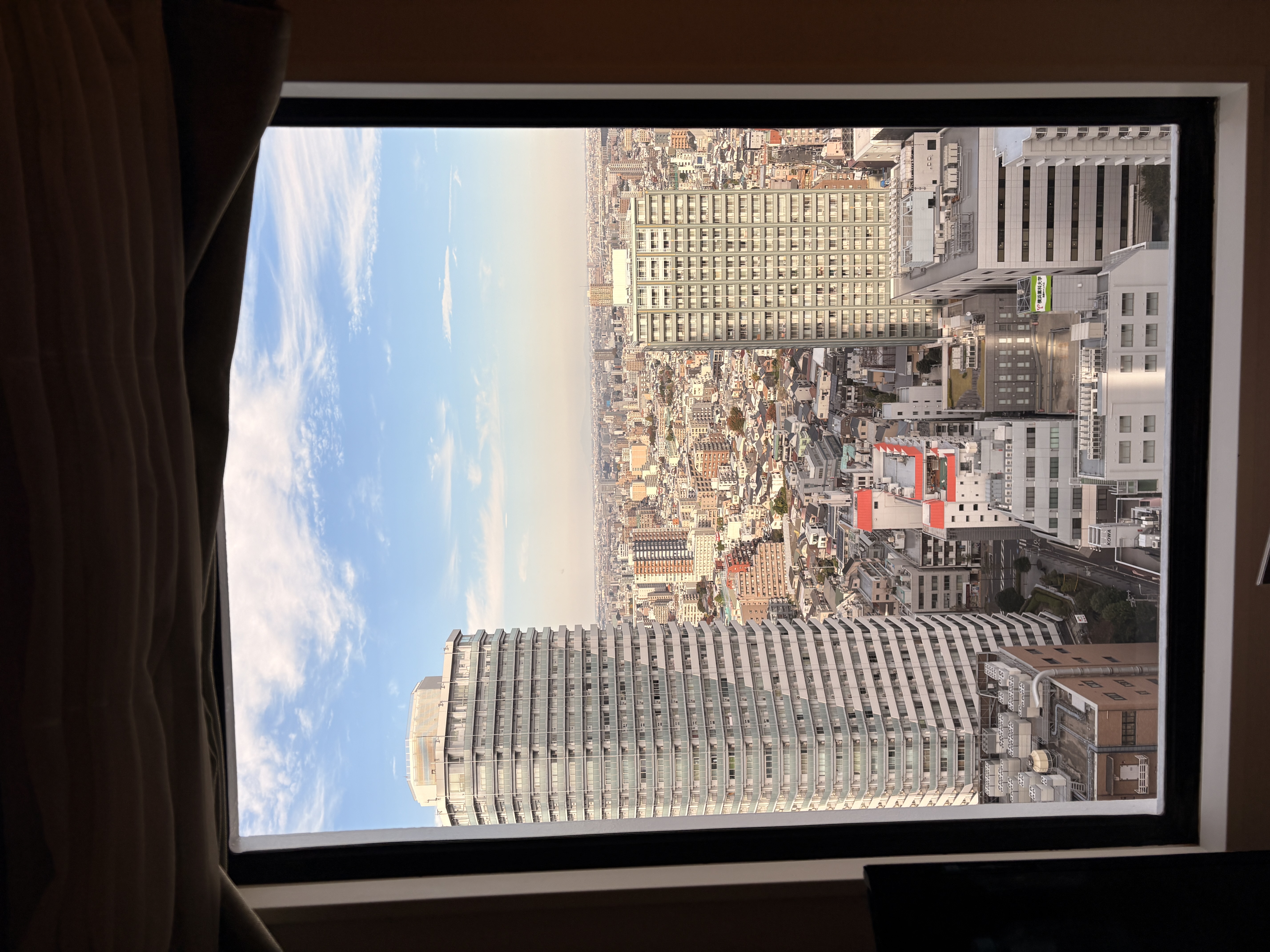
Sunshine City Prince Hotel
Area: Ikebukuro
A hotel located in the Sunshine City complex, ideal for having shops and restaurants close at hand and for getting easily to other parts of Tokyo.
Price: around €38.50 a night
Booking: Booking.com
Liberty Shinjuku House
Area: Shinjuku
Accommodation in one of Tokyo's liveliest areas, full of restaurants, shops and rail connections, ideal for exploring the city.
Price: around €58 a night
Booking: Booking.com
Unusual accommodation in Tokyo: where to stay for a different kind of experience
In Japan even where you sleep can become a special experience! If you want to try something different from the usual hotel or are looking for a more economical alternative, Tokyo has some decidedly unusual accommodation.
Watch my Reel to discover some special places to stay and enjoy an out-of-the-ordinary experience!
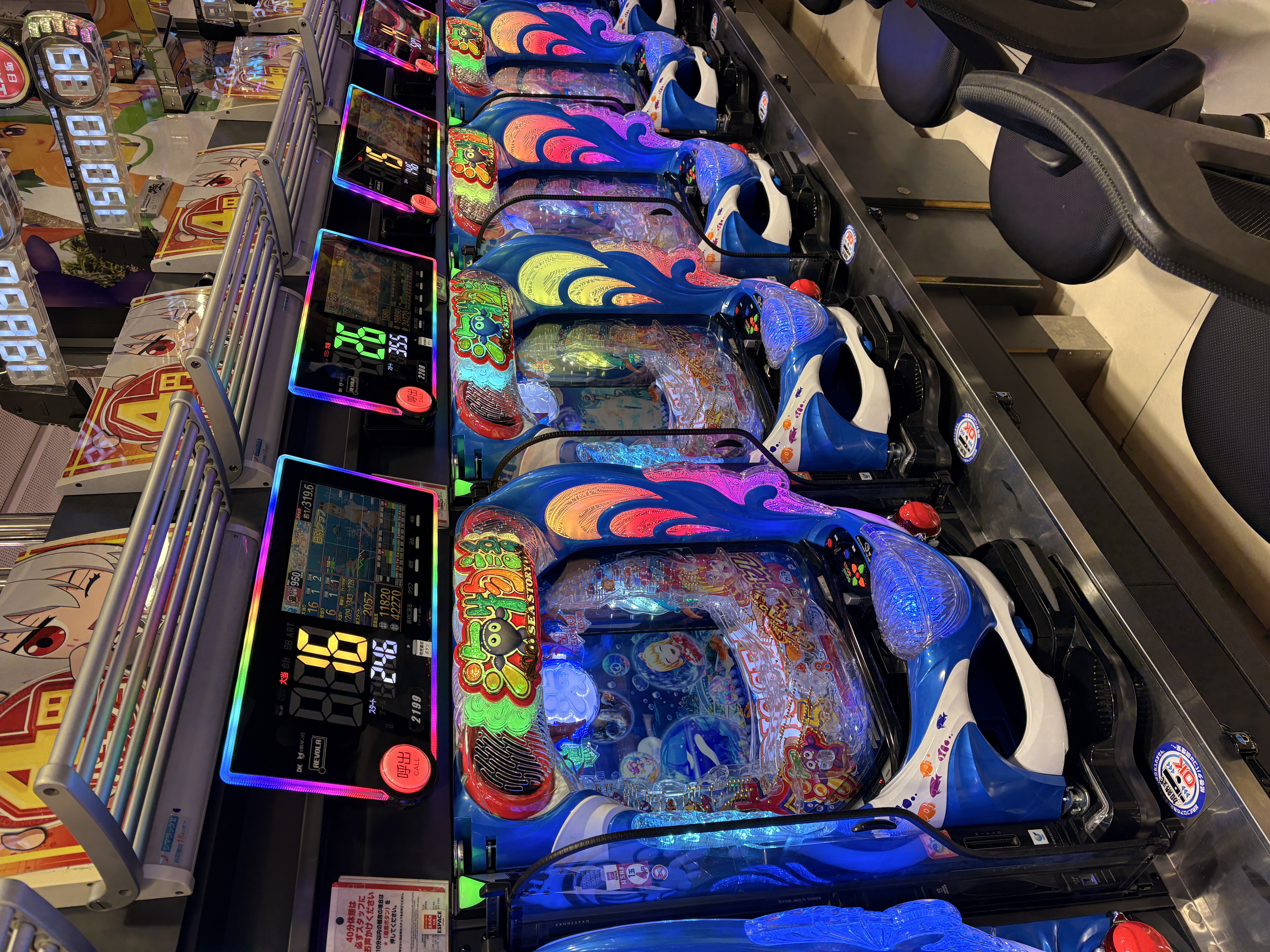
Japanese internet cafés: sleeping among manga and video games
Have you ever thought about spending the night in an internet café? In Japan, manga kissa are venues where you can read comics, use computers, play video games and relax in small private booths. Many are open 24 hours a day and some offer showers, free drinks and special night-time rates.
These are not proper hotels, but they can be an inexpensive solution for resting a few hours, especially if you miss the last train or want to try something typically Japanese.
if you choose this option, check in advance the availability of private cabins with a flat surface, the presence of showers and the cost of the overnight package. Not all spaces are suitable for sleeping comfortably, and some venues require identification for registration.
Capsule hotel: sleeping in a small capsule
Capsule hotels are among the most distinctive accommodation options in Japan. Instead of a traditional room, you get a small individual capsule with a bed, while bathrooms and other facilities are generally shared.
They are a good alternative if you are travelling alone, want to keep your budget down or simply fancy trying something different. In Tokyo you will find them mainly in the most visited areas, such as Shinjuku, Shibuya and Akihabara.
Before booking, check whether the property accepts both men and women, whether it has luggage lockers, and where you can leave bulkier suitcases. Also remember that capsules offer limited privacy and are generally not soundproofed.
Themed hotel: an out-of-the-ordinary overnight stay
If you want to make the night special too, Tokyo offers hotels with futuristic designs, venues dedicated to pop culture and accommodation with unusual themes. Some focus on technology, others on books, anime and manga.
This option is ideal if you want to turn your overnight stay into a genuine experience, although the price can be higher than that of a traditional accommodation. My advice is to choose a property that reflects your interests and always compare prices before booking.
Travelling with Stirati: Tokyo on a budget, free and low cost
Visiting Tokyo doesn't necessarily mean spending a fortune! Between free viewpoints, neighbourhoods to explore on foot, traditional temples and small restaurants, there are plenty of ways to discover the city even on a modest budget.
Here are my tips for experiencing Tokyo without giving up the most interesting activities.
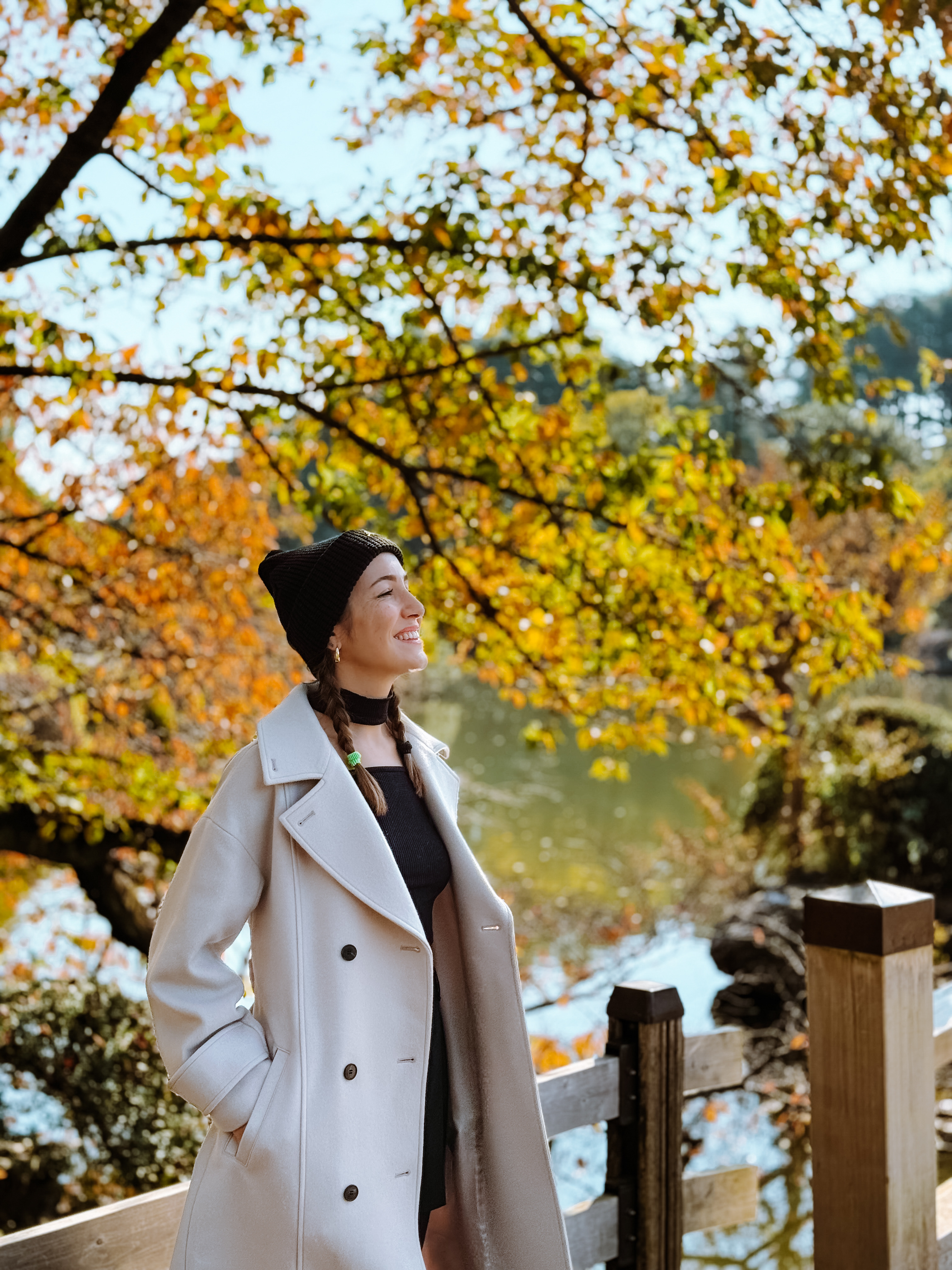
I bought this lovely 100% wool coat from United Tokyo at a really good price!
What free activity in Tokyo
Admiring Tokyo from above without paying for a ticket
Want to see Tokyo from above without spending on an observatory? The Tokyo Metropolitan Government Building in Shinjuku offers free viewing points. Shibuya Hikarie is also an interesting alternative for looking down on the Shibuya Crossing from the eleventh floor.
Visiting temples and shrines
Senso-ji in Asakusa and the Meiji Jingu shrine, set in greenery near Harajuku, are two stops not to be missed, and access to their main areas is free.
Getting lost in the city's most famous streets
Crossing the Shibuya Scramble, strolling along Takeshita Street in Harajuku and discovering the illuminated signs of Kabukicho are free experiences that let you soak up some of Tokyo's most characteristic atmospheres.
Exploring the city's neighbourhoods
From Shimokitazawa, with its vintage shops and independent venues, to Akihabara, with its shops dedicated to video games, anime and manga, you can spend hours browsing without having to buy anything.
Strolling among parks and markets
Ueno Park is a lovely stop for a break from the city's pace. In the same area you can explore Ameyoko, a lively market where you can wander among stalls, shops and food products.
Discovering Tokyo by the waterfront
In Odaiba you can admire the Statue of Liberty, stroll along the bay and cross the Rainbow Promenade, when it is open to the public. These activities let you discover a different side of the city without buying a ticket for an attraction.
Remember that some experiences are free only in terms of access: shops, restaurants, museums and attractions nearby may charge admission. Opening hours and accessibility can also change, so check them before your visit.
Where to eat in Tokyo on a budget
Japan offers countless ways to eat well without always having to choose expensive restaurants. Here are some options to consider during your trip.
Ramen and noodles
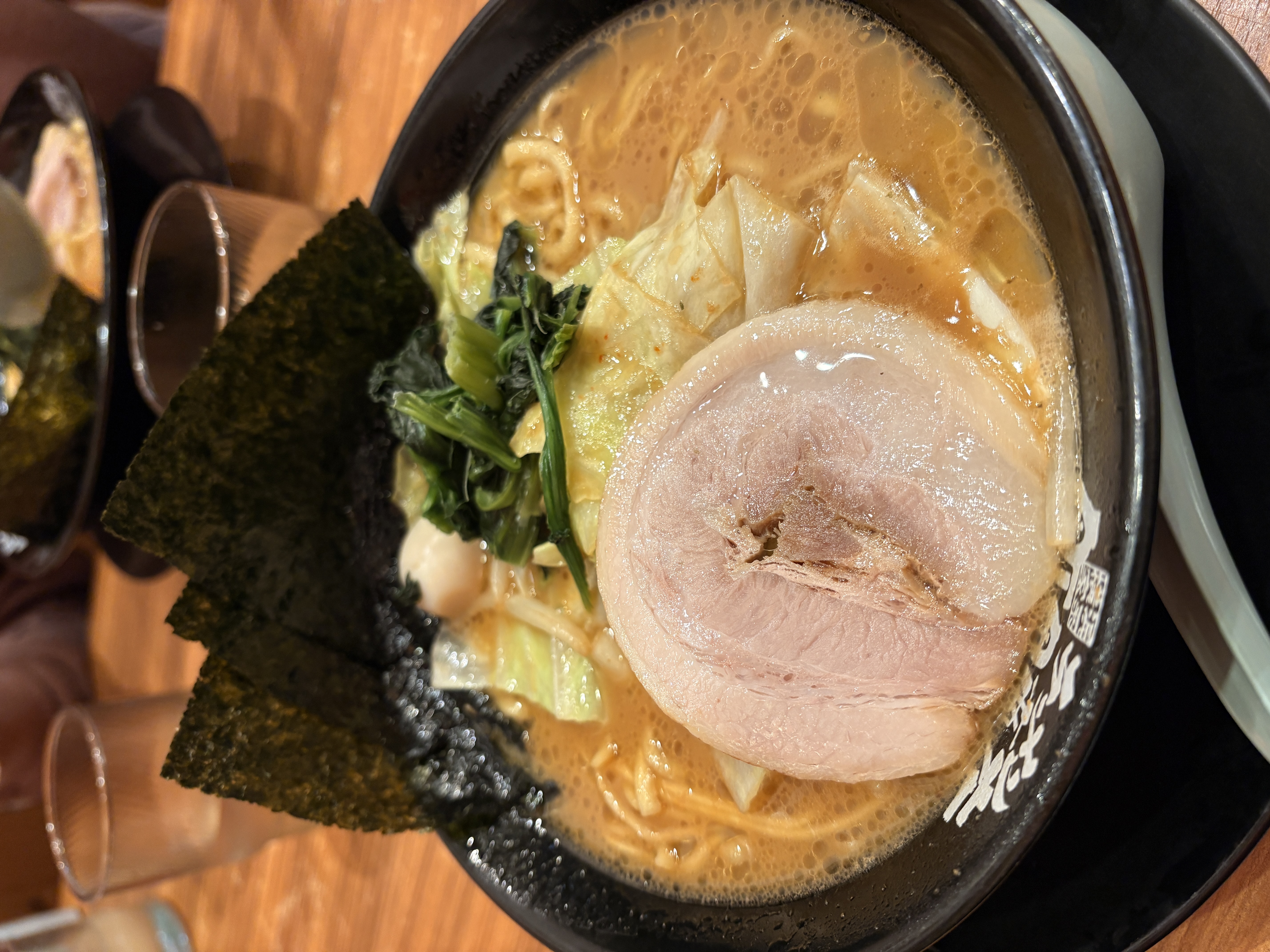
Machida Shoten Miyamasu: worth trying if you love ramen.
Ganso Aburaudon: an option to consider for trying abura soba, noodles served without the classic broth.
Udon Shimbori: for a meal based on udon.
Affordable sushi
Sushiro: one of the best-known conveyor-belt sushi chains in Japan, and my favourite!
Kura Sushi: another option for trying different kinds of sushi without necessarily choosing a high-end restaurant.
My tip for saving money still
Do not underestimate Japanese konbini! Chains such as 7-Eleven, Lawson and FamilyMart are perfect for saving money during your trip.
For breakfast you can find brioche, pancakes, sweet treats and yoghurt, to be accompanied by a takeaway coffee or cappuccino, perfect to sip while heading to the first stop of the day.
For lunch, try onigiri, the famous stuffed rice balls, or choose a bento, a Japanese sandwich or a ready meal. There are plenty of alternatives to take away and eat during a break.
For an afternoon snack you can indulge in sweet treats, ice cream and unusual drinks.
One more tip? If you prefer to eat out, look for small places specialising in ramen, soba and udon: they are often an excellent solution for a quick and inexpensive meal.
In short, by alternating between konbini and restaurants you can taste many different things without spending a fortune!
Watch this Reel about Japanese konbini!
Have you ever wondered why there are so few bins in Japan...?
In Japan you will notice something curious: there are very few bins on the streets, yet the cities are spotlessly clean. How do people manage their rubbish? The answer is not so obvious...
Travel creator from Bologna. I don't iron, but I am ironed: I tell stories of fantastic trips, write free itineraries and always look for the low-cost solution 💸
Keep travelling
Two-week Japan itinerary
Hiroshima: memory and renewal
Osaka: my favourite city!
Two-week Japan itinerary
Hiroshima: memory and renewal
Osaka: my favourite city!
Comments from the Stirati
No comments yet. Start the conversation.