
Osaka: my favourite city!
Start here
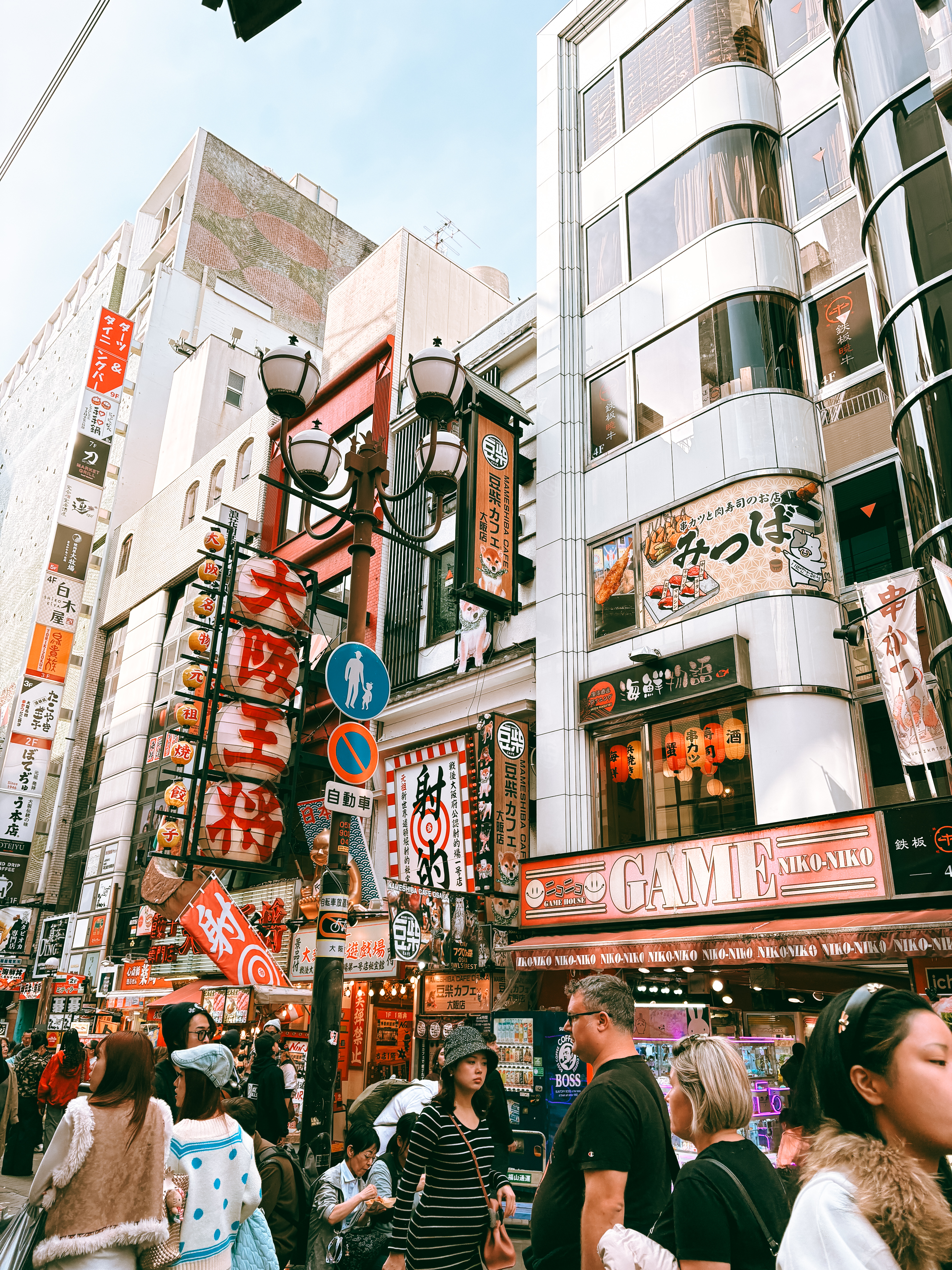
Hello Stirati! Osaka is a city where traditional Japan meets its most modern and flamboyant side: ancient temples, neighbourhoods full of neon signs, vintage shops, arcades and streets where the smell of street food accompanies you at every step.
Compared with Tokyo, Osaka has a more informal atmosphere and a personality all its own. It is no coincidence that it is my favourite city.
Before you leave
 How many days you need: 5–6 days for a fairly thorough first visit
 Currency: Japanese yen (JPY)
 Documents and entry: if you are travelling on an Italian passport for tourism, you can stay in Japan for up to 90 days without a visa. Your passport must be valid for the entire length of your stay. Before you leave, check for any updates to the entry requirements on the website of the Embassy of Japan in Italy. Watch the Reel on the things to know before coming to Japan.
 How to pay: physical card (I always use Revolut) and cash (it is useful to have both)
 How to get around: the metro and urban trains are the most practical way to explore the city. In this Reel I explain how to use them and organise your journeys.
 Suica and PASMO: these are rechargeable cards that let you pay easily for metro, trains and compatible buses, simply by touching them to the reader at the ticket gates. You can also use them for small purchases in participating shops. Digital versions are also available for use directly with your smartphone. Find out more here
 Internet: to stay connected during your trip, you can use an eSIM. I recommend Holafly: with the code STIRATIINTRIP you get 5% off, or you can buy your eSIM directly from this link with the discount already applied
 Travel insurance: before setting off, consider a policy that covers your travel needs. With Heymondo you can get 10% off through my link.
 Best time: spring and autumn are two highly valued seasons for visiting Tokyo. I was there in November, during the autumn foliage, when the autumnal colours make the city especially atmospheric.
StiraTip — Not sure where to leave your luggage?
Japanese railway stations often have automatic lockers where you can leave your luggage for a few hours or the whole day. You pay with coins or an IC card such as Suica or Pasmo. They are inexpensive and very convenient for avoiding dragging your bags around all day.
Watch the Reel on how to
What you'll find in this guide
What to see in Osaka
A guide to the main attractions, the neighbourhoods to explore and the lesser-known spots. From Osaka Castle to the glowing signs of Dotonbori, via traditional temples, vintage shops and panoramic views.
What and where to eat in Osaka
Takoyaki, okonomiyaki, kushikatsu, wagyu and Japanese sweets: I'll tell you about the specialities to try and point out some places to remember for eating well without necessarily spending a fortune.
Where to stay in Osaka
The areas to consider when organising your stay, with a closer look at the Umeda and Nakatsu area and the accommodation you had chosen for the trip.
Unique experiences in Osaka
From river cruises to observation wheels, through traditional theatre, unusual bookshops and nature excursions.
What to see in Osaka
Umeda: skyscrapers, shopping and city views
Umeda is one of Osaka's main shopping and railway hubs. Here you will find large department stores, shopping centres, shops of every kind and some of the most interesting views of the city.
It is a convenient area to explore on foot, although some attractions require travelling between stations and shopping complexes.
Umeda Sky Building
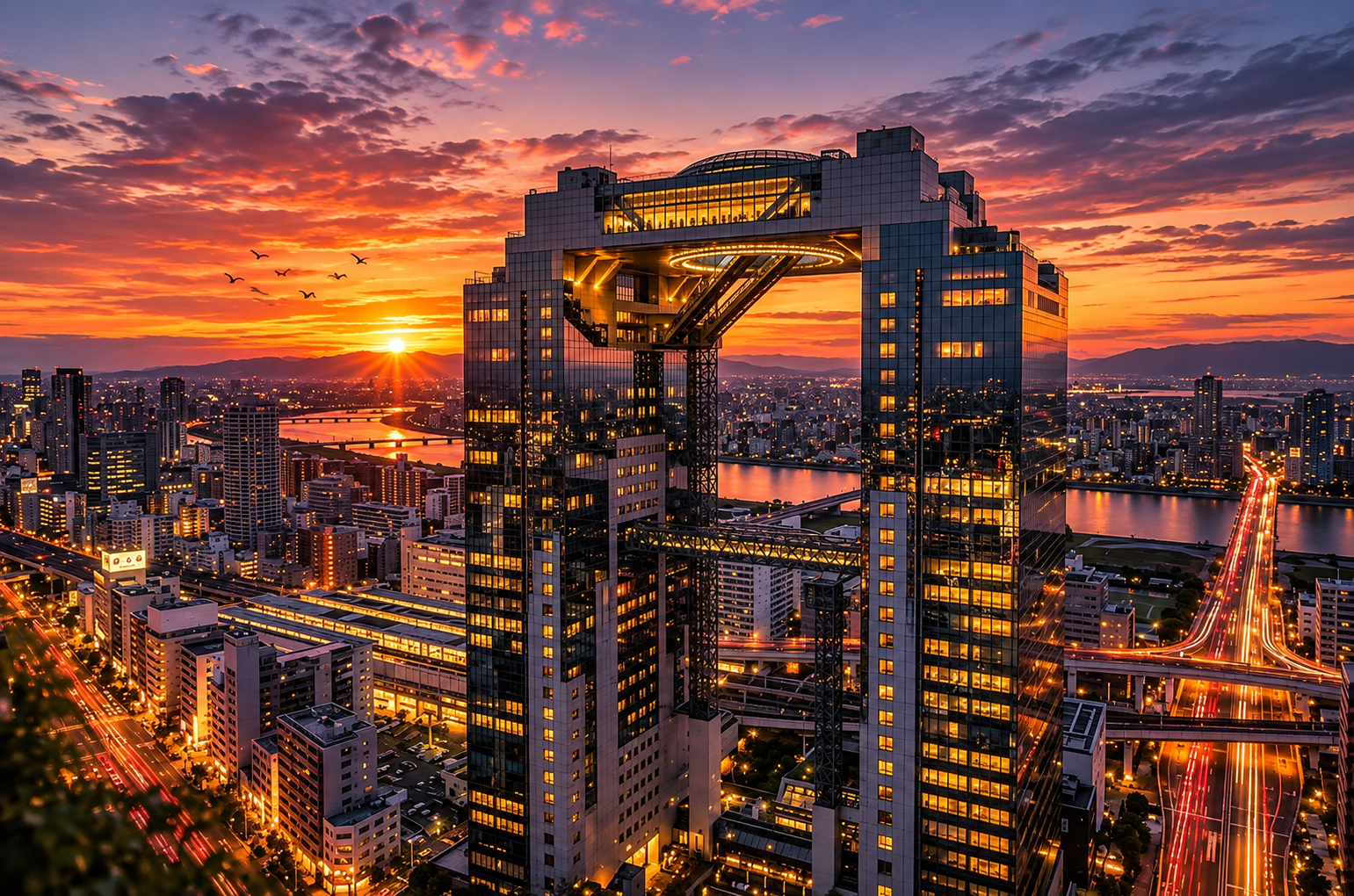
Umeda Sky Building is one of the most recognisable buildings in Osaka. Its two towers are joined at the top by a panoramic structure that lets you look over the city from above.
The observatory offers a very wide view over the urban area and is particularly atmospheric in the hours before sunset, when the city lights begin to come on.
Opening hours: generally 9:30–22:30, with last entry at 22:00. Check for any unscheduled closures.
Price: about 2,000 yen for adults for the standard ticket; rates and conditions may vary.
Recommended time: 45–60 minutes.
Pokémon Center Osaka
If you love Pokémon or Japanese pop culture, this shop is well worth a visit.
Inside you'll find plush toys, merchandise, clothing, collectible items and products dedicated to the franchise's most famous characters.
It is also a fun stop for anyone wanting a souvenir a little out of the ordinary.
Where it is: LUCUA SOUTH, 13th floor, Umeda area.
Approximate opening hours: 10:00–20:00.
Price: free entry; products are paid for.
Recommended time: 30–45 minutes.
Vintage shopping in Osaka
Osaka is an interesting city for lovers of second-hand, vintage and Japanese denim. Between independent shops, thrift chains and specialist boutiques, you can find unusual pieces and interesting bargains.
Nakazakicho
Nakazakicho is a neighbourhood characterised by narrow streets, low buildings, coffee shops and small independent businesses.
It's a pleasant area to explore at a leisurely pace, especially if you want to get away from the large shopping centres and discover a quieter side of Osaka.
Many vintage shops open late in the morning or early in the afternoon.
Recommended time: 1–2 hours.
KINJI BIGSTEP
KINJI is a second-hand clothing shop worth considering if you're looking for vintage clothes and pre-owned pieces.
The BIGSTEP branch is in the America-mura area, so you can include it in the same day devoted to Namba and Shinsaibashi.
JAM Horie Branch and 2nd STREET
These are other names to keep in mind for anyone who wants to dedicate themselves to second-hand shopping.
Before setting off, check the exact branch, as locations can be in different neighbourhoods and opening hours may change.
Samurai Jeans Osaka
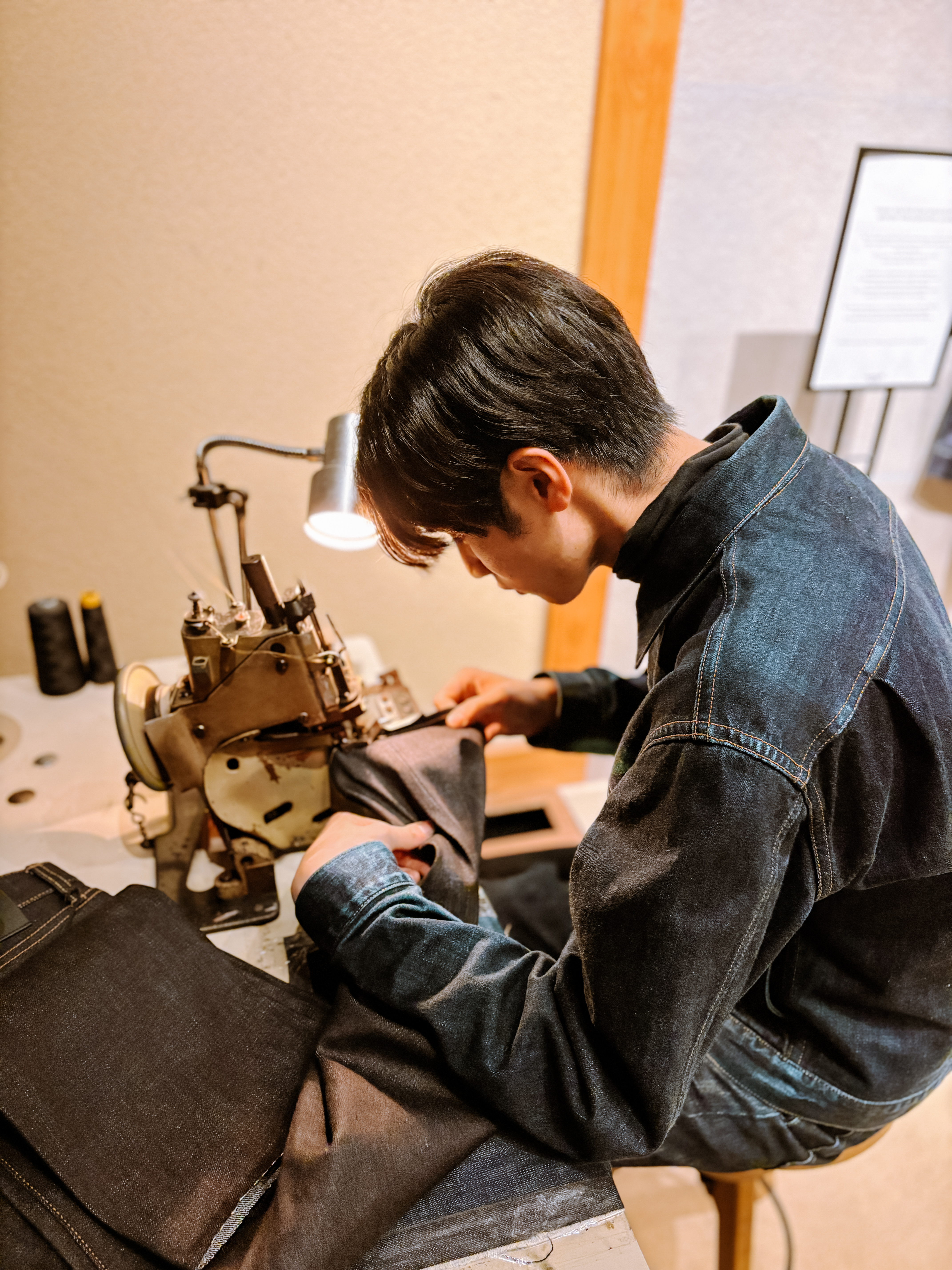
If you're interested in Japanese denim, Samurai Jeans is a brand worth knowing.
Japanese denim is famous for the quality of its fabrics, its careful craftsmanship and its attention to detail. Visiting a specialist shop can be interesting just to discover this world.
We bought a pair of really lovely jeans of excellent quality here!
Nakazakicho, America Mura and Horie are not the same area. If you want to visit more vintage shops, first locate the shops on a map and plan your route to avoid unnecessary journeys.
Osaka Castle Park: the castle to admire from the outside
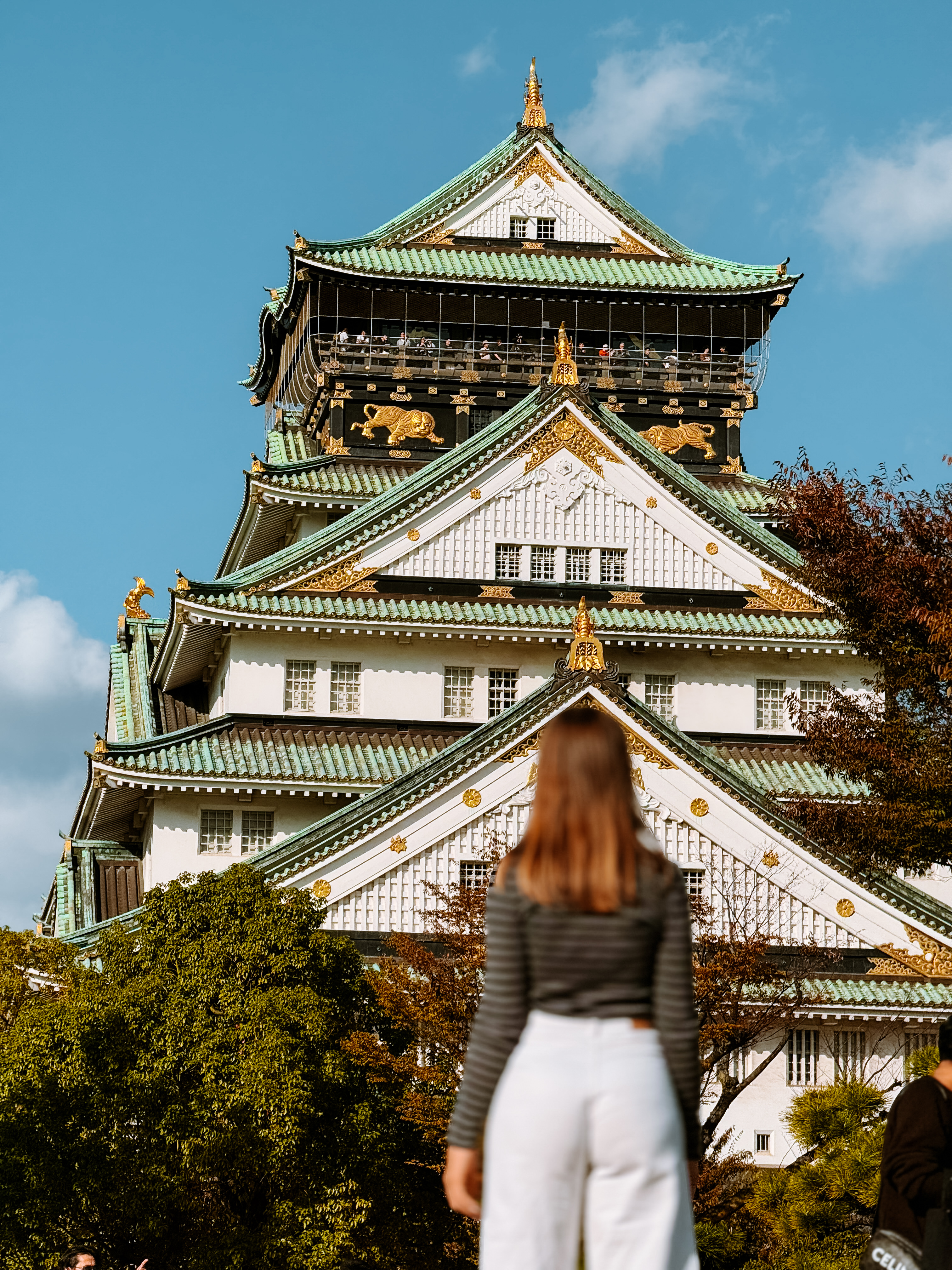
Osaka Castle is one of the city's symbols and an interesting stop for anyone wanting to learn about Japanese history.
The structure is surrounded by moats, stone walls and a large urban park, which is also very popular with the people of Osaka.
The current castle is a twentieth-century reconstruction, but the site retains a strong historical value and lets you imagine the strategic importance it had during the age of the great feudal lords.
Even without going into the museum interior, you can reach the castle, admire it from the outside and stroll through the park.
Museum interior opening hours: generally 9:00–18:00, last entry at 17:30.
Museum price: 1,200 yen for adults.
Park price: free access to the public areas; some specific areas, such as the Nishinomaru Garden, may require a ticket.
Recommended time: 45–90 minutes if you only want to visit the park and see the castle from the outside.
Shitennō-ji: one of Japan’s oldest temples
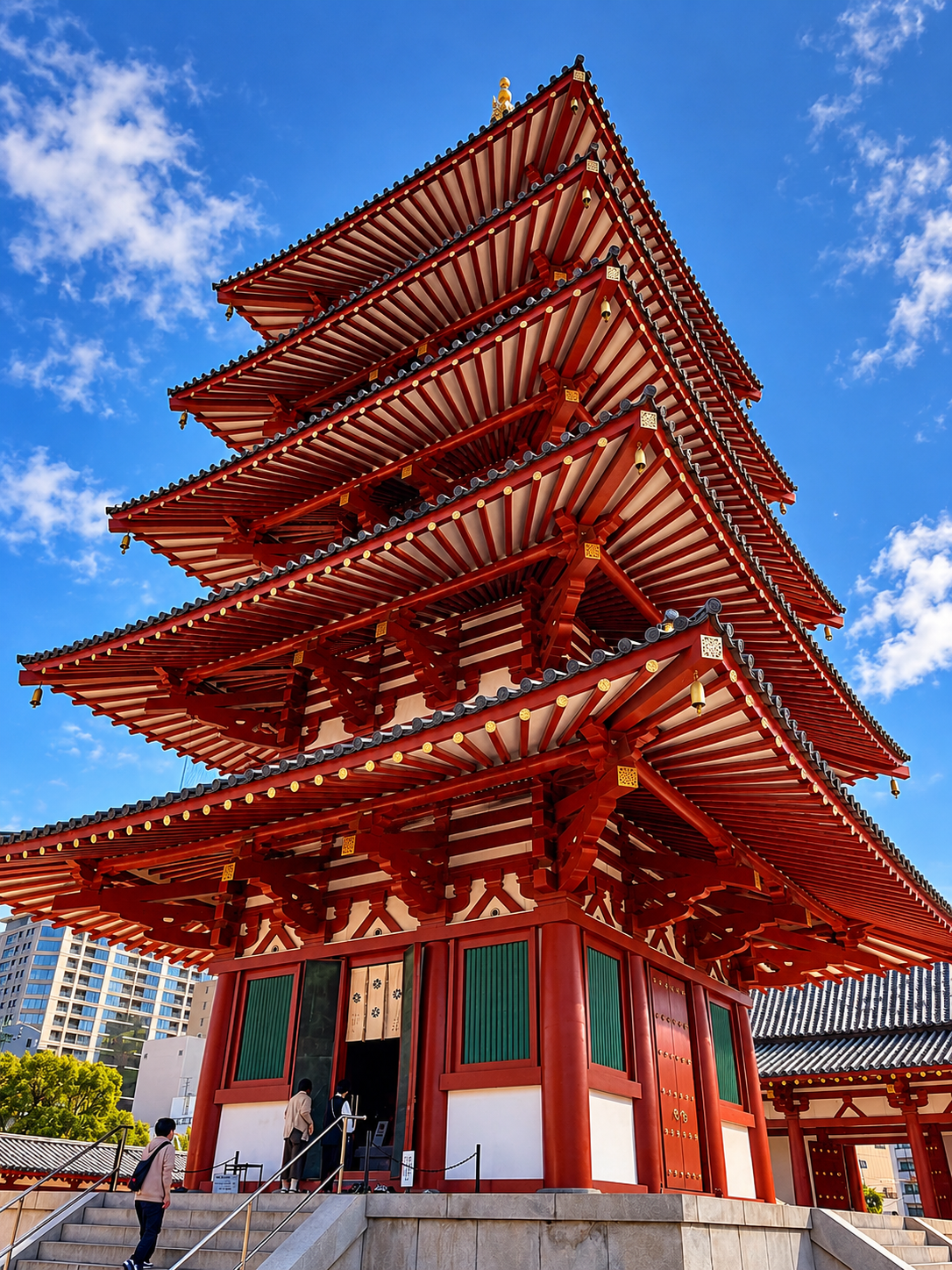
Shitennō-ji is one of the oldest Buddhist temples in the country. It was founded in the 6th century and is linked to Prince Shōtoku, an important figure in the spread of Buddhism in Japan.
The complex includes several religious buildings, a pagoda and a traditional garden. It is an interesting place to observe Japanese religious architecture and take a break from the city's hectic pace.
Opening hours from October to March: generally 8:30–16:00 for the main paid areas. The outdoor areas may have different access arrangements.
Approximate prices for adults:
Central area: 500 yen.
Garden: 300 yen.
Treasure Hall: 500 yen.
Fares may vary depending on the areas open and the exhibitions on show.
Recommended time: about an hour.
Tennoji and Abeno Harukas 300
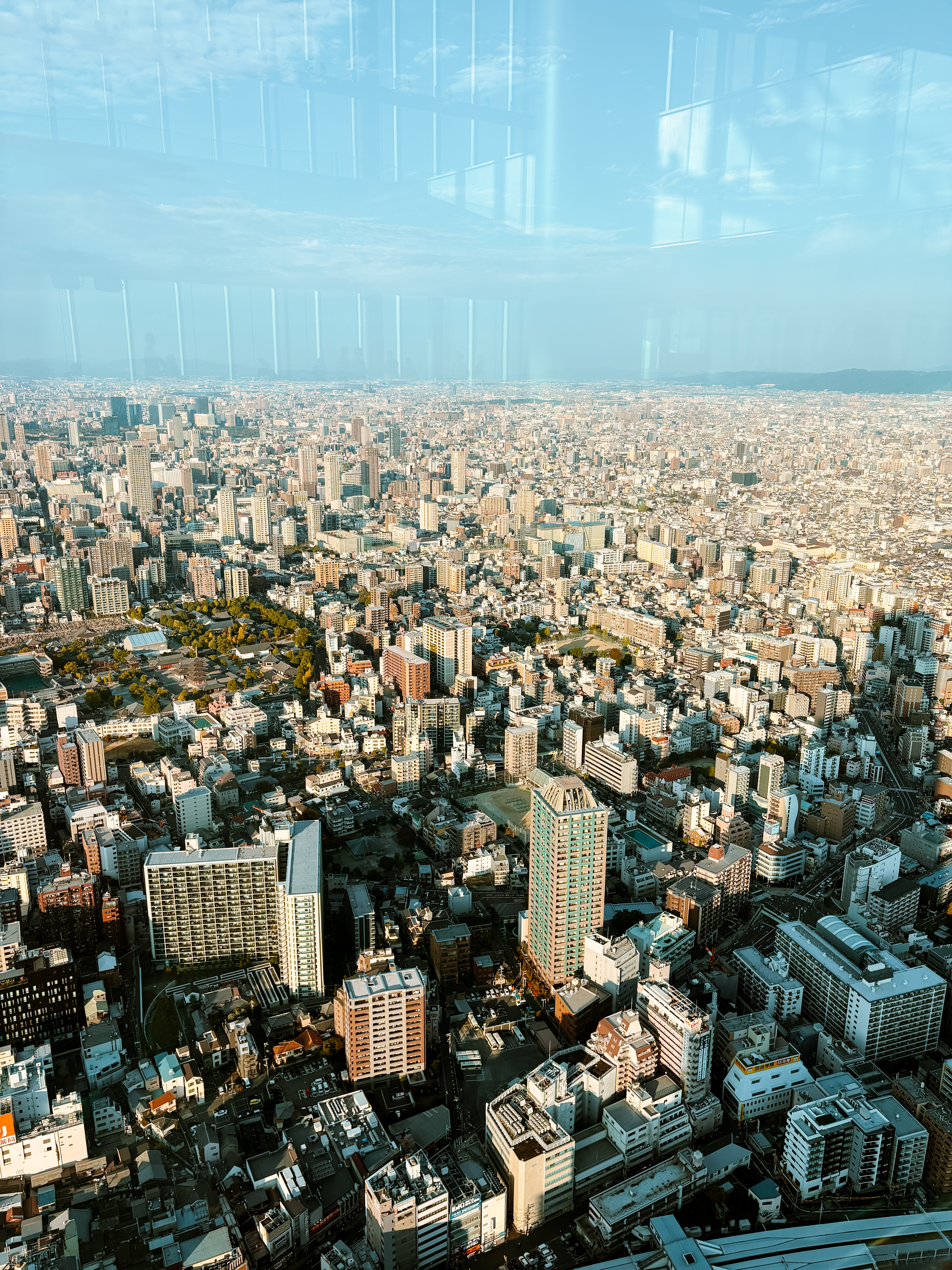
The Tennoji area offers an interesting contrast between temples, parks and contemporary architecture.
Here stands Abeno Harukas, a skyscraper about 300 metres tall that houses an observation deck.
From above you can see the urban sprawl of Osaka and admire the view as the city moves from daylight to evening illuminations.
Approximate observatory opening hours: 9:00–22:00.
Approximate price: 2,000 yen for adults for the standard ticket.
Recommended time: about an hour.
Shinsekai: the district of old Japan
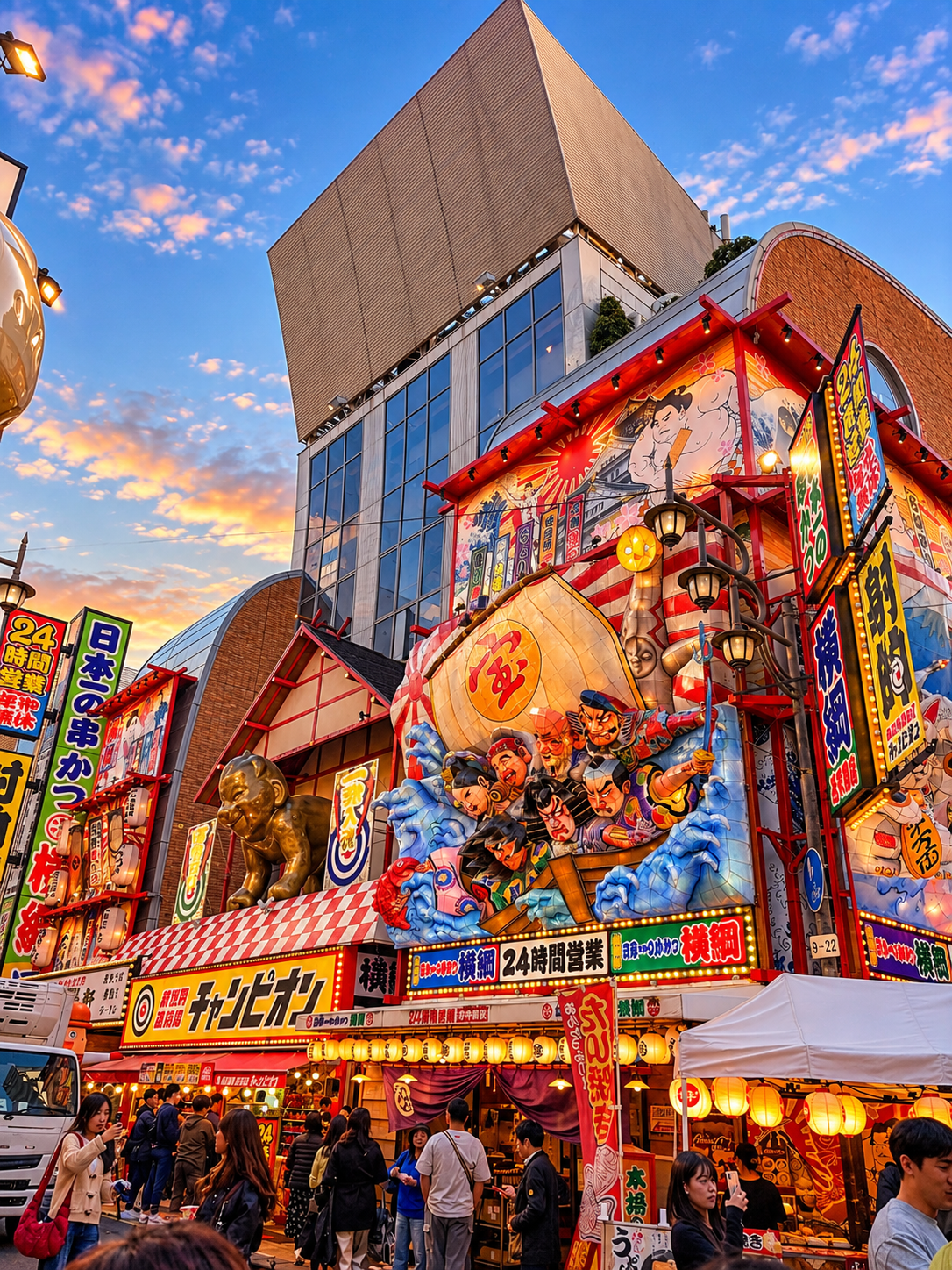
Shinsekai literally means “New World”, but the district has an atmosphere that recalls Osaka of another era.
The streets are full of colourful signs, traditional restaurants and venues specialising in popular dishes. It is one of the most interesting areas for seeing a more informal side of the city and stopping for something to eat.
Tsutenkaku Tower
Tsutenkaku Tower is the symbol of Shinsekai and dominates the district with its unmistakable structure.
The surrounding area is perfect for strolling, photographing the signs and discovering traditional eateries.
Price: strolling around the neighbourhood is free; access to the tower's panoramic areas is paid.
Recommended time: 1–2 hours for the neighbourhood, not including a meal.
Shinsekai Toei
If you love cinema, you can look for the Shinsekai Toei cinema, a venue linked to a more traditional way of experiencing film.
Before including it as a firm stop, check the programme and opening times: the chance to see a screening depends on the films on the bill.
Shinsekai is a perfect area to try kushikatsu, the breaded and deep-fried skewers that are one of the local specialities.
Namba and Dotonbori: the liveliest side of Osaka
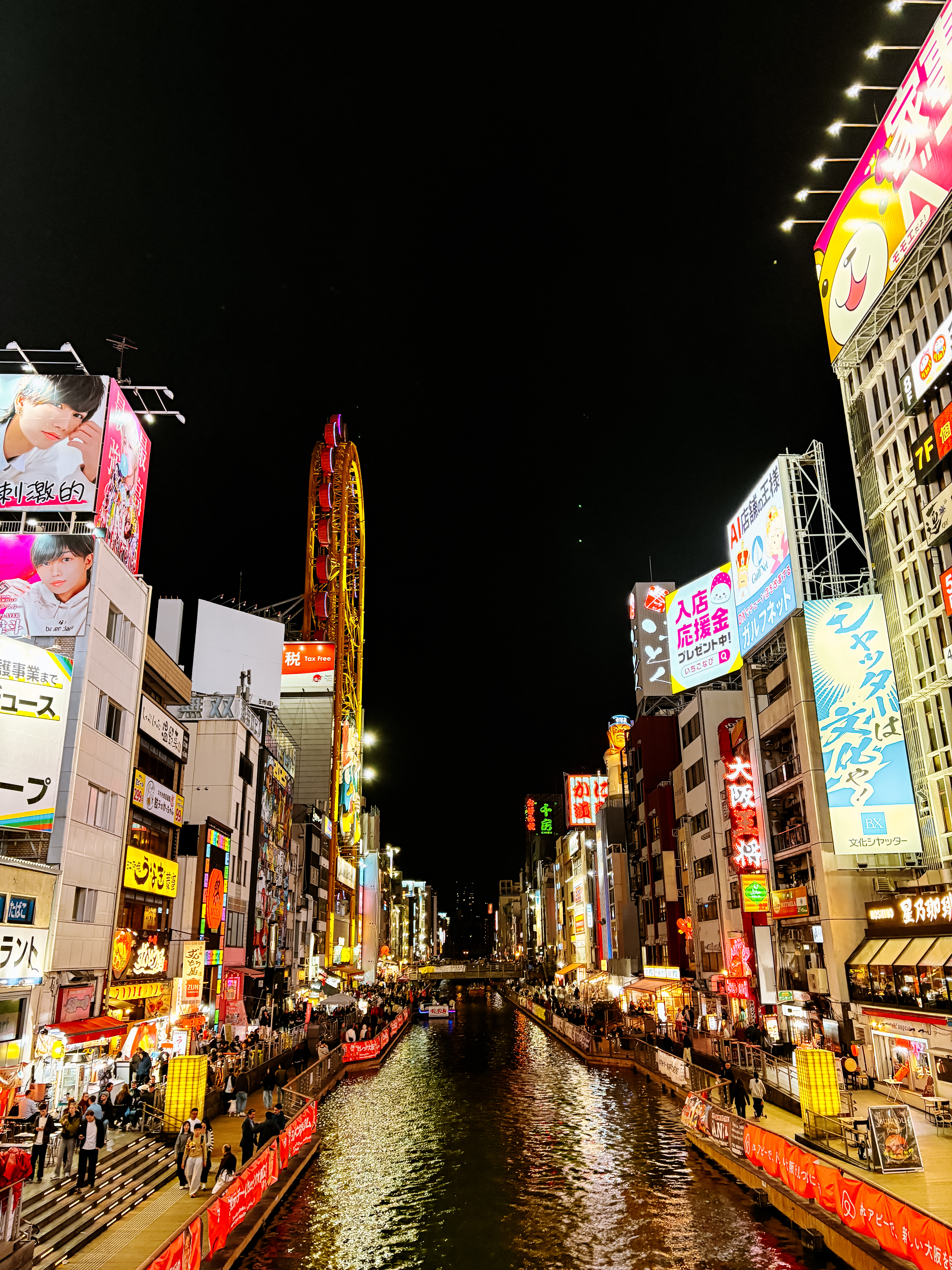
Namba is one of the city's main shopping and entertainment hubs. Here you will find shops, restaurants, bars and rail links that make it easy to reach other areas.
From Namba you can reach Dotonbori, probably the most famous district in Osaka.
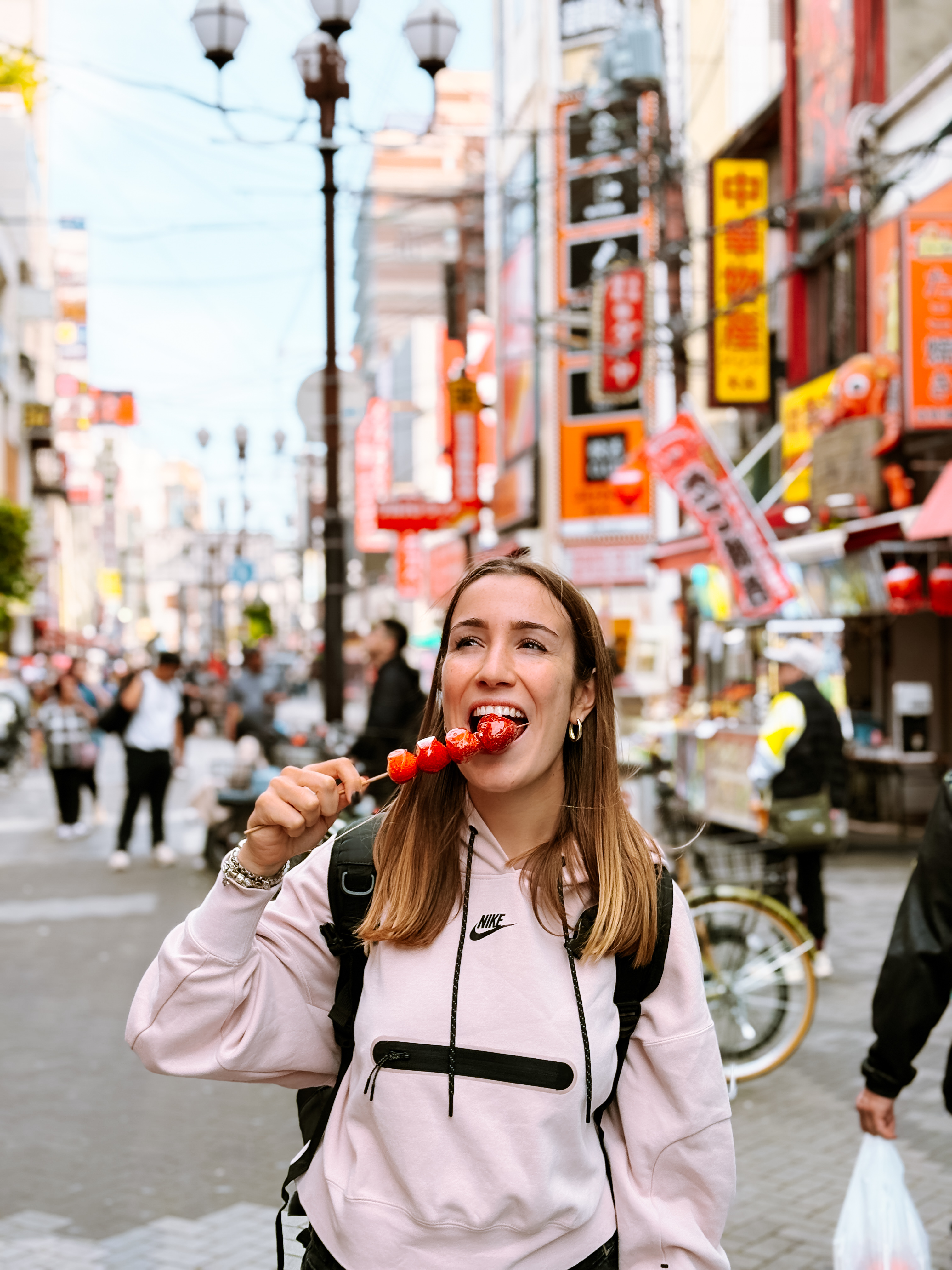
Dotonbori is a concentration of illuminated signs, restaurants, shops and street food.
The famous Glico sign is one of the city's most photographed landmarks and attracts visitors at all hours. By day the neighbourhood is lively, but it is after sunset in particular that the lights create a special atmosphere.
It is the ideal place to try takoyaki, browse the local venues and observe everyday life in Osaka.
Price: free.
Recommended time: at least 1–2 hours, though you can easily spend a whole evening there.
Ebisu Tower Ferris Wheel
The Ebisu Tower Ferris Wheel is a panoramic wheel with a distinctive oval shape, located in the Dotonbori area.
Its structure is different from that of classic circular big wheels, and the ride offers a bird's-eye view of the neighbourhood.
Approximate price: 1,000 yen per person.
Duration: about 15 minutes.
Opening hours: to be checked before your visit, as there may be changes or suspensions.
America Mura: young fashion and urban culture
America Mura, often shortened to Amemura, is a neighbourhood known for youth fashion, independent shops, vintage clothing and urban culture.
Here you can find second-hand clothing, streetwear, small shops and businesses that reflect a creative side of Osaka.
It is an interesting stop if you want to alternate cultural visits with a few hours of shopping.
Price: free.
Recommended time: 1–2 hours.
Nippombashi Den Den Town: Osaka’s nerd district
If you love anime, manga, video games and electronics, Den Den Town is a stop worth considering.
The Nipponbashi area is home to numerous shops dedicated to Japanese pop culture, including model kits, playing cards, collectables and video games.
It is a good alternative to Akihabara for those who want to keep exploring the nerd world outside Tokyo.
Price: free.
Recommended time: 1–2 hours.
Action figures at Stirati's prices!
After searching through a great many shops, I found Volks Osaka, a shop in the Den Den Town district, where you can find plenty of action figures in excellent condition for €10!
Minoh Park: a break in nature
If you want to get away from the centre, Minoh Park is one of the nature excursions worth considering.
The park lies north of Osaka and includes a route through greenery leading to the Minoh Falls.
It is especially lovely in autumn, when the leaves of the trees turn yellow, orange and red.
Price: park entry is free.
Recommended time: at least half a day, allowing for travelling.
Katsuo-ji: the temple of the daruma
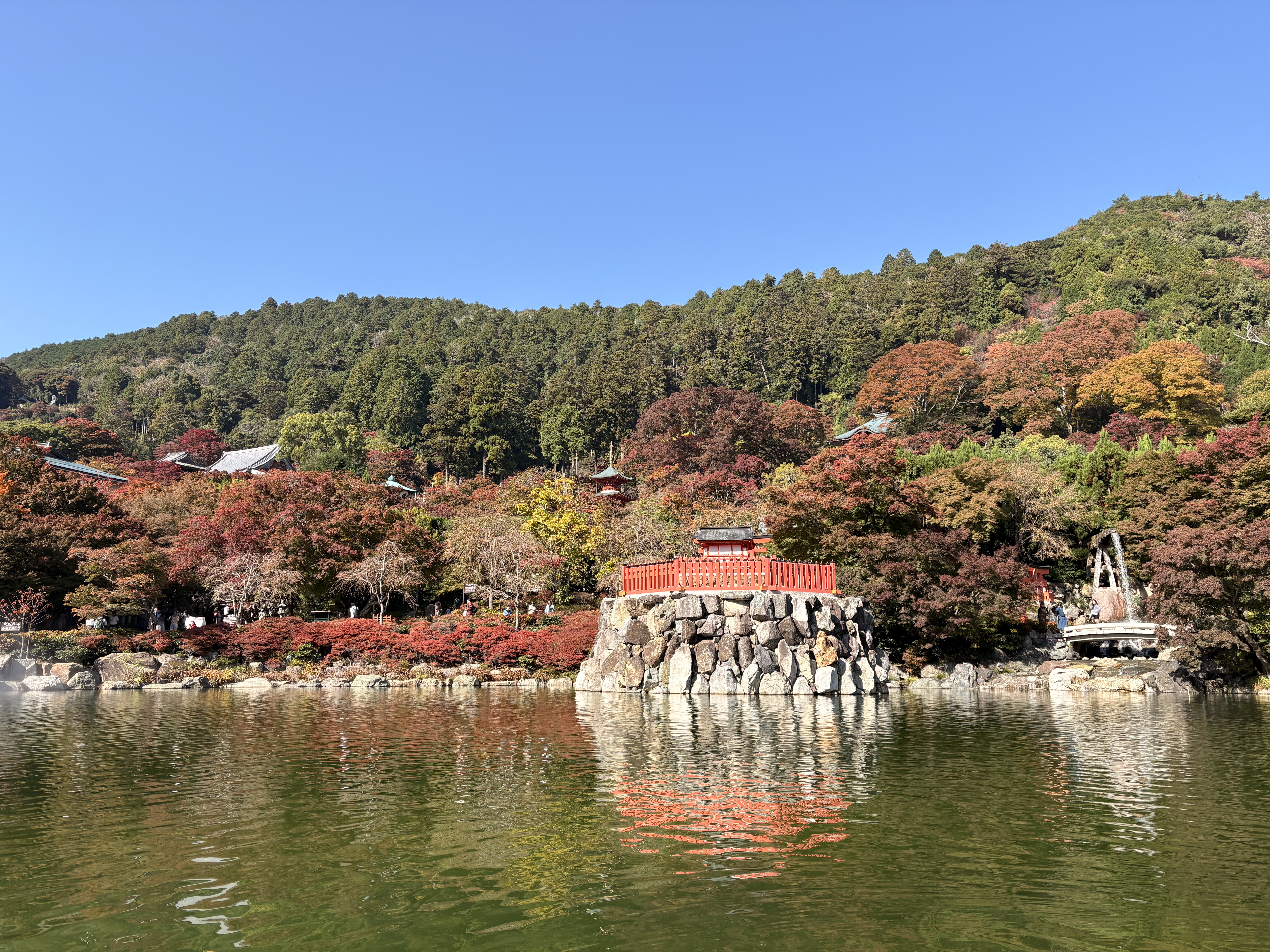
Katsuo-ji is a Buddhist temple located north of Osaka, famous for its daruma, the traditional Japanese figures associated with perseverance and achieving goals.
The complex has daruma dolls of various sizes, placed along the paths and near the religious buildings.
It is a distinctive place, where spiritual tradition intertwines with a symbolism that is still present in everyday Japanese life.
Approximate opening hours:
Weekdays and Sundays: 8:00–17:00.
Saturday: 8:00–18:00.
The last entry is normally 30 minutes before closing.
Approximate price: 500 yen for adults.
Recommended time: 1–2 hours.
How to get there: From Umeda, take the metro to Minoh-Kayano. Take the Midosuji line northbound to the terminus at Minoh-Kayano. Some trains continue directly onto the Kita-Osaka Kyuko line, so you normally won't need to change.
Approximate travel time: 25–30 minutes from the Umeda/Nakatsu area.
Exit Minoh-Kayano Station, go to platform 8 and take the Hankyu bus bound for Katsuo-ji, listed as route 30.
Duration: around 20–25 minutes.
Approximate cost: 800 yen per journey.
Stop: Katsuo-ji, near the temple entrance.
Buses run less often than the metro: at weekends they generally pass every 20 minutes, while on weekdays they may come every 30 minutes. Always check the up-to-date timetable before you set off.
Daruma and the wishes to be fulfilled
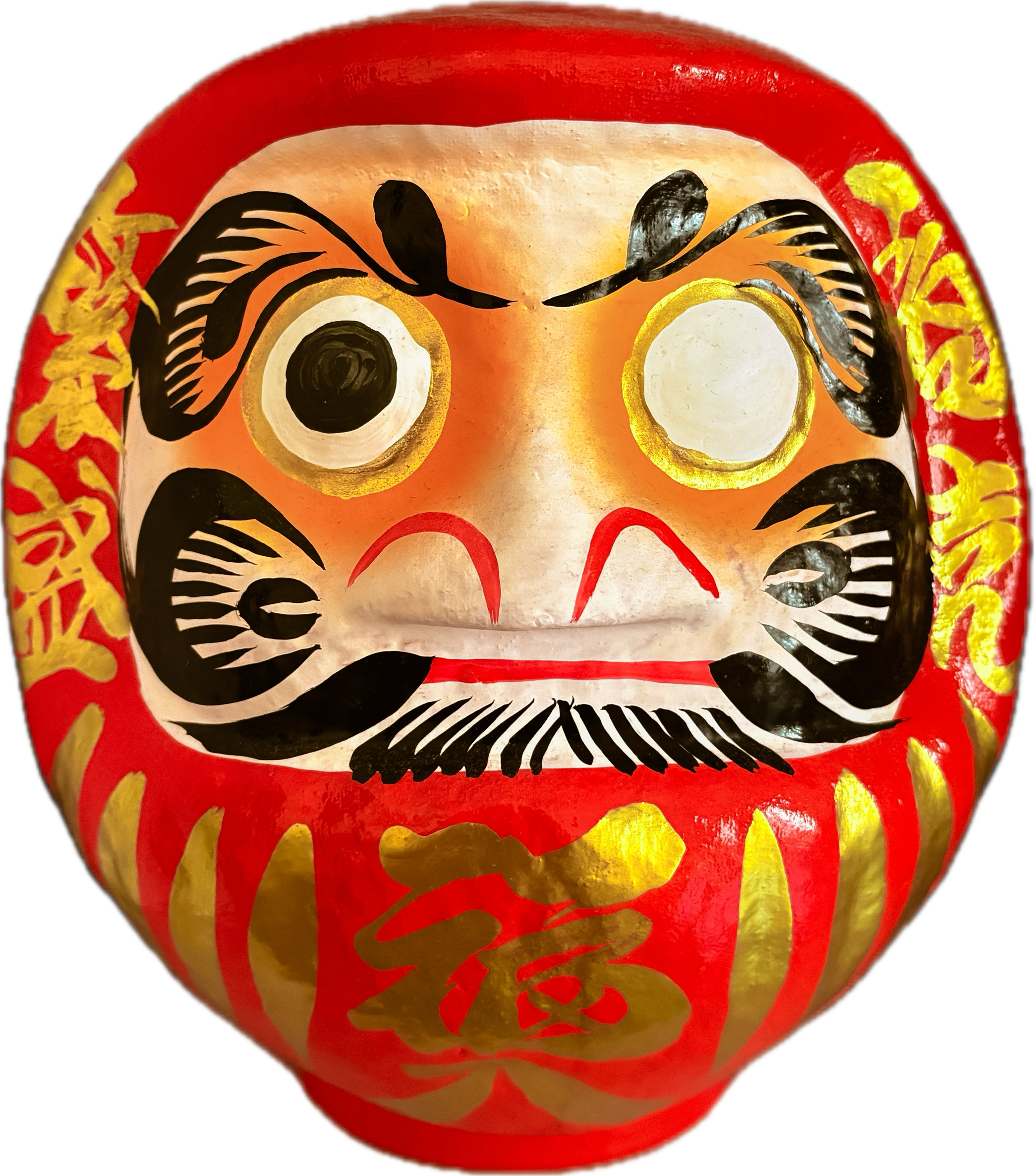
Have you ever seen those round, red dolls without pupils? They are called daruma and are Japanese charms associated with perseverance and achieving one's goals. Watch the Reel!
Tradition has it that you paint in one eye when making a wish or setting a goal, and the second when it has been achieved. Their rounded body symbolises the ability to get back up after a fall: a nod to the Japanese proverb 'Fall seven times, stand up eight'.
These are not mere decorations: they are a little reminder not to give up in the face of difficulties!
Red is the most traditional colour, but daruma come in various colours, each associated with different meanings and wishes.
Hirakata T-SITE: a dream bookshop
If you love books and unusual spaces, Hirakata T-SITE is an interesting stop to consider.
The complex is known for its striking library, with shelves running along the walls and creating an atmosphere very different from a traditional bookshop.
It is a pleasant place to browse books, admire the interior design and treat yourself to a break.
Price: free entry.
Recommended time: about an hour.
Nara: a day trip from Osaka
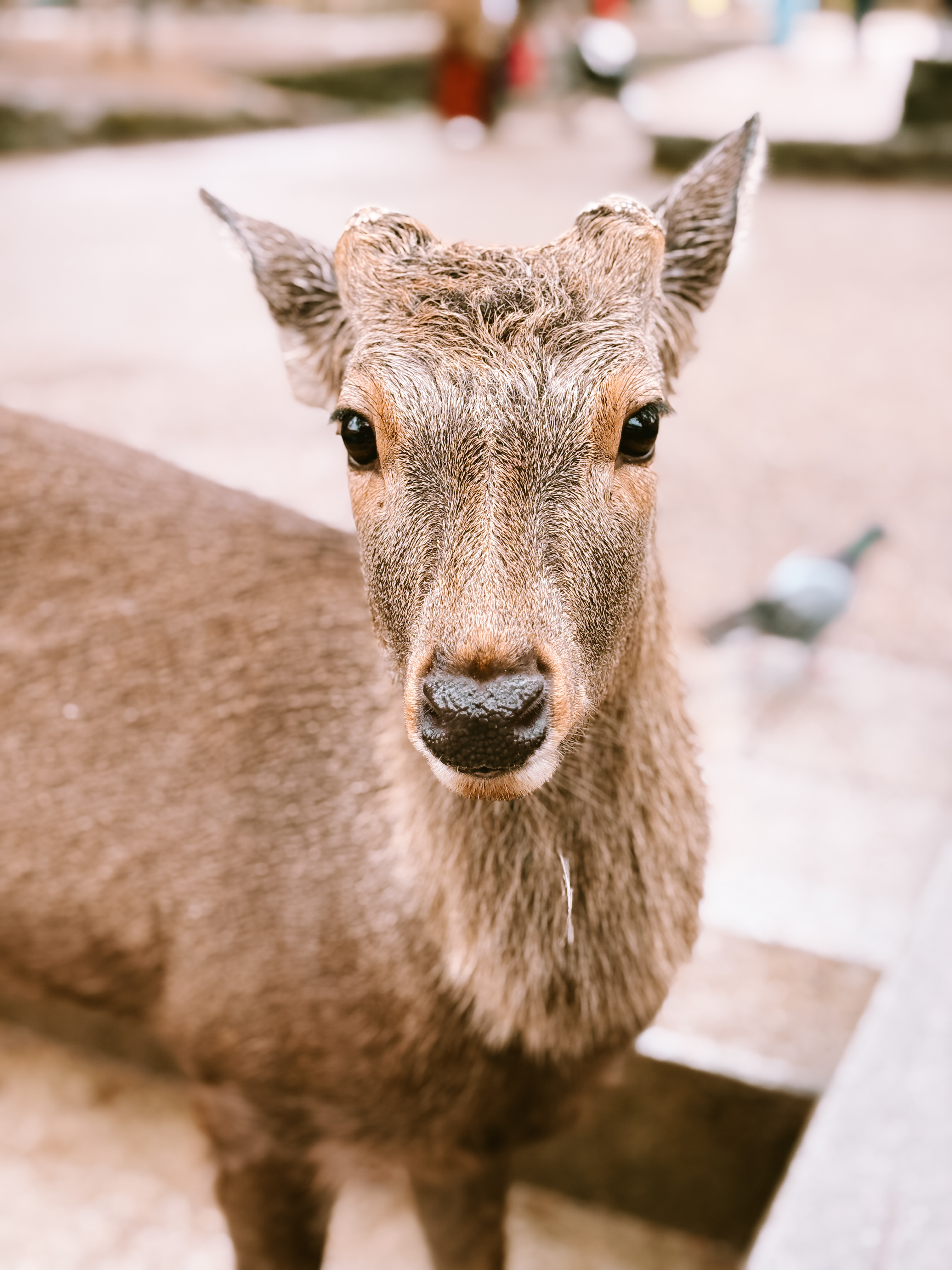
If you have a day to spare, you can organise an excursion to Nara, a historic city famous for its temples, the deer that live in the park and its cultural heritage.
Nara Park is one of the best-known spots, but you can also visit temples and other historic sites.
How to get there: from Osaka you can reach Nara by train using several lines, including JR and Kintetsu. The journey time varies depending on the departure station and type of train.
Recommended time: at least half a day
Universal Studios Japan
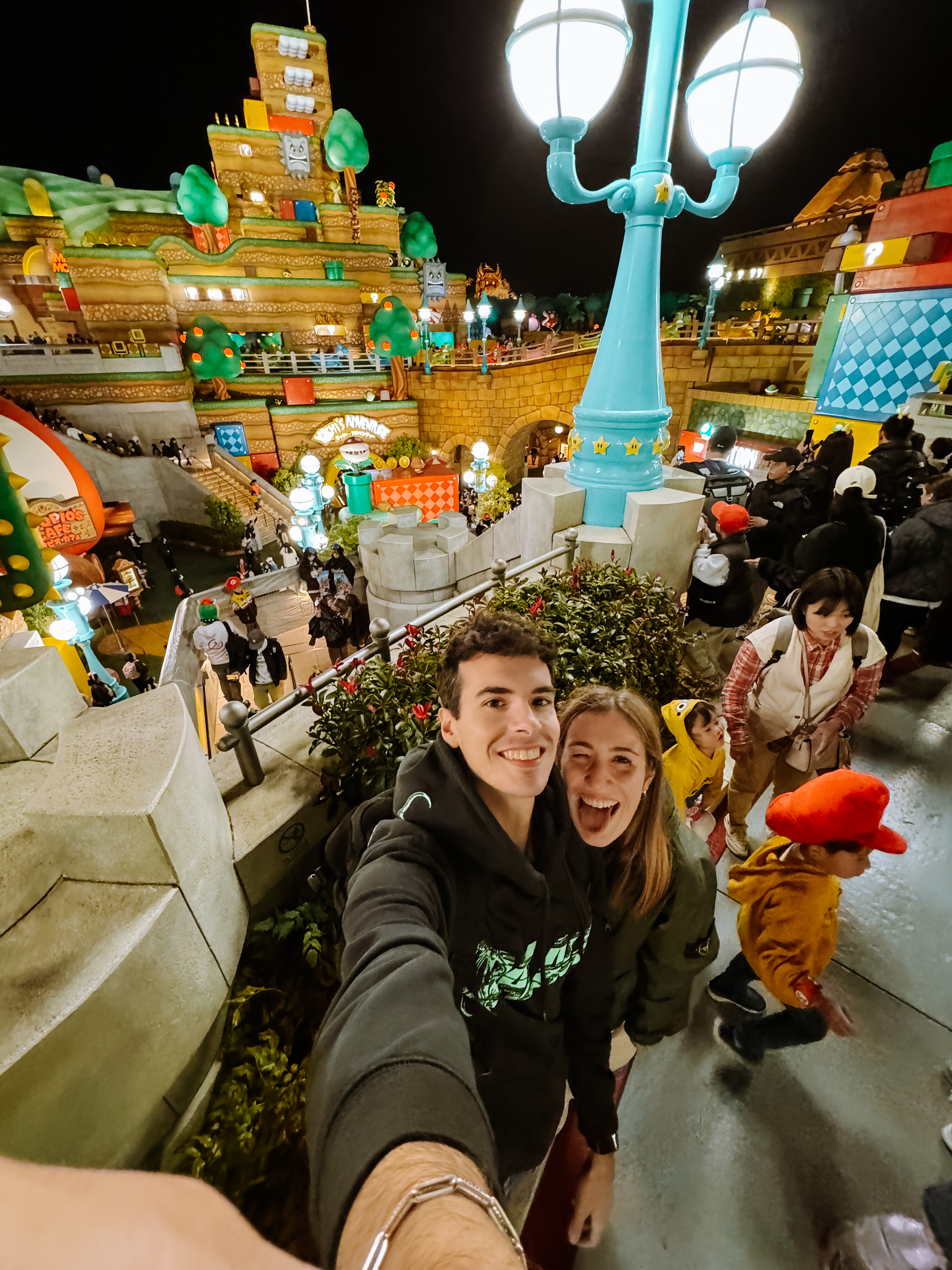
If you love theme parks, Universal Studios Japan is one of the city's best-known experiences.
The park includes attractions inspired by films, series and video games, as well as themed areas such as Super Nintendo World.
This is an experience to which it is worth devoting a whole day, especially if you want to visit several attractions.
How to get there: the park can be reached by train. From Osaka Station the journey generally takes about 20–30 minutes, depending on the connection.
Price: varies according to the date. The standard day ticket can start from around 8,200 yen, but the actual cost should be checked on the official calendar.
Opening hours: vary depending on the date.
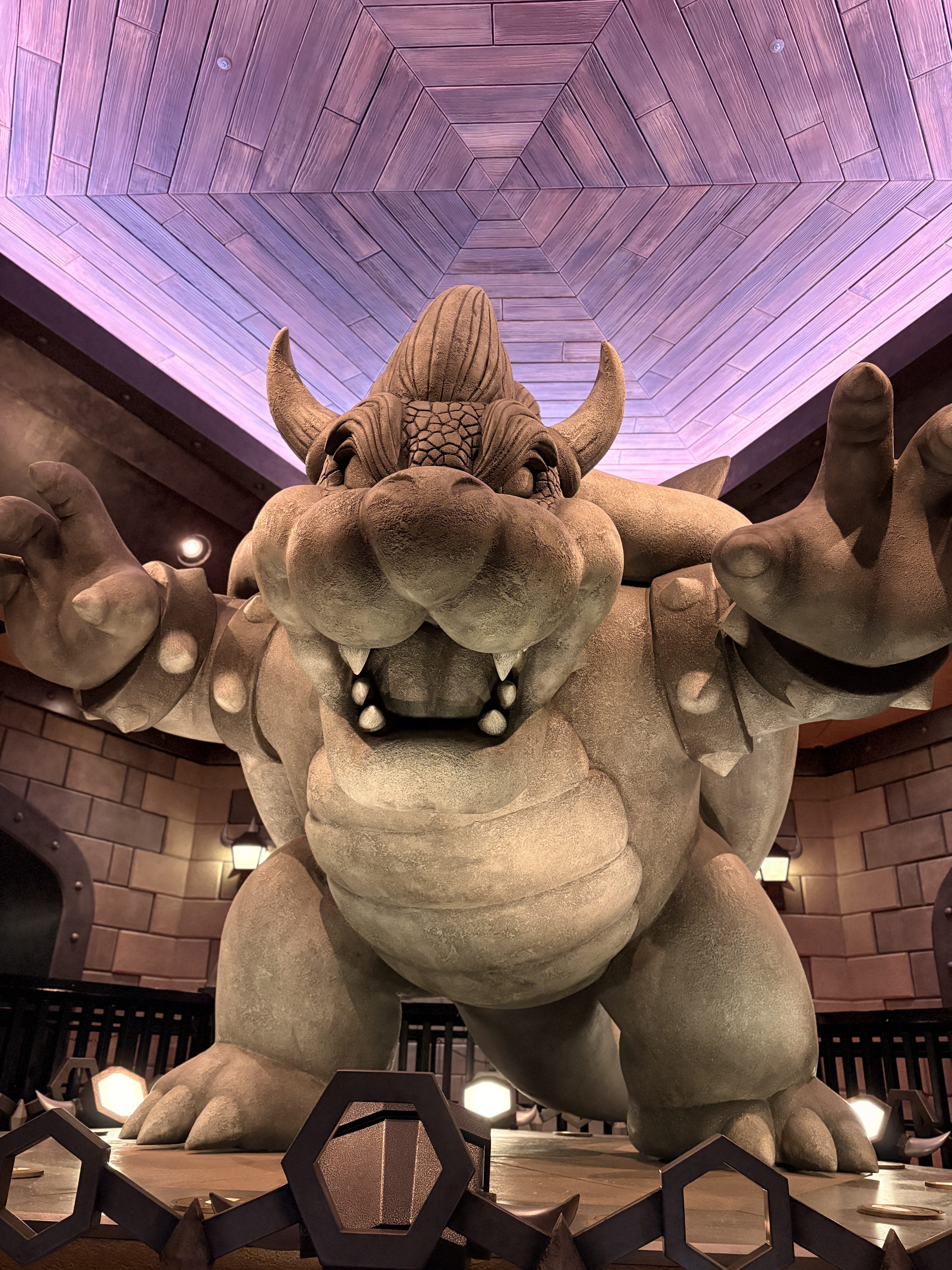
Book in advance and check the access conditions for the most popular areas, such as Nintendo, which require separate bookings.
Experiences to try in Osaka
Watching a Bunraku performance
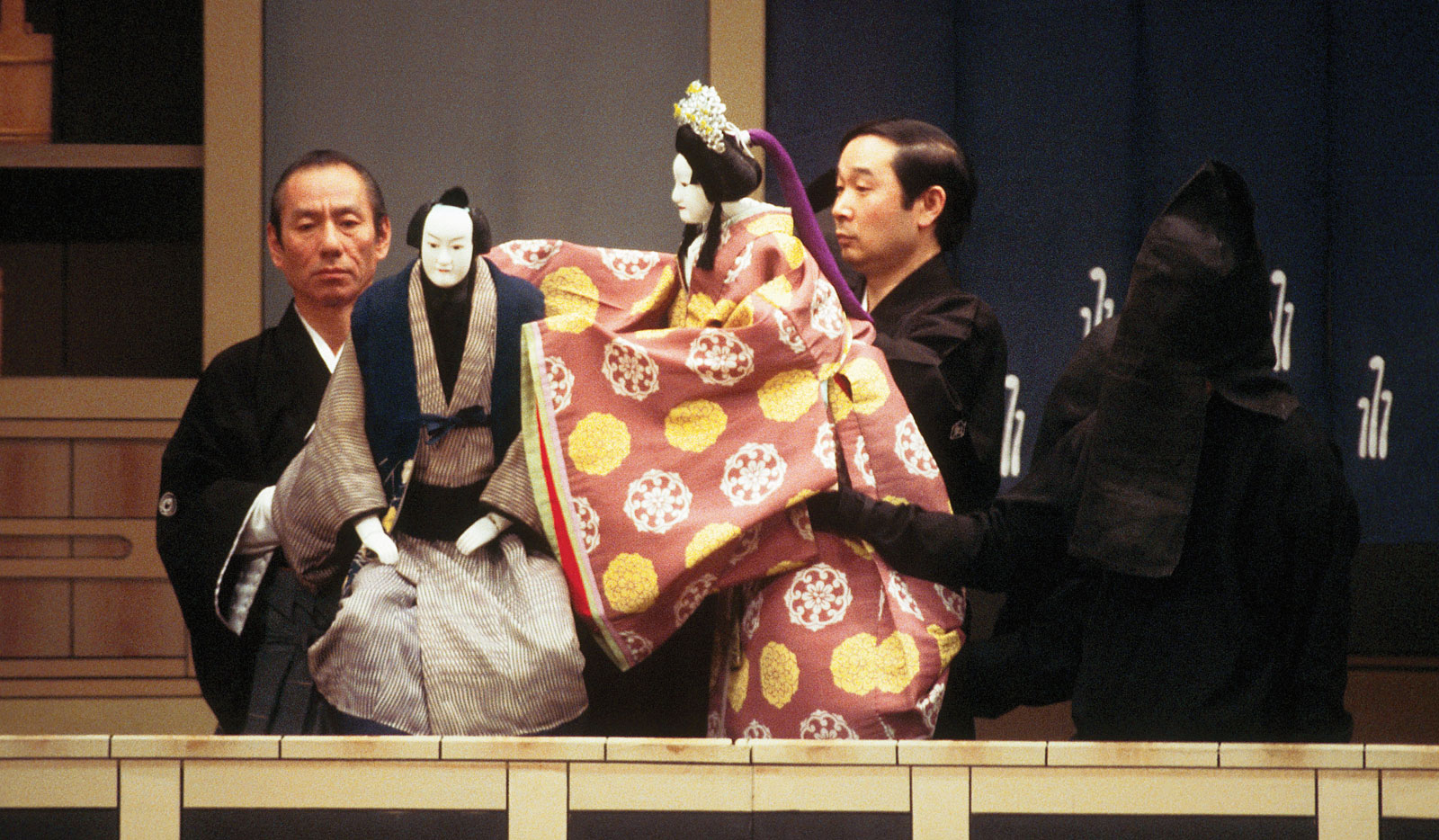
Bunraku is a traditional form of Japanese theatre that uses large puppets operated by several people.
The performances combine narration, music and extremely precise movements. It is an art form with a long history, particularly associated with Osaka.
The National Bunraku Theatre is one of the places where you can see this type of performance.
Shows are not necessarily available every day. Check the official calendar and book in advance.
Visiting a pachinko parlour
Pachinko is a very popular game in Japan, played in parlours characterised by lights, sounds and rows of machines.
Going into a parlour allows you to observe a particular aspect of Japanese entertainment culture.
Bear in mind that pachinko is linked to a game system with prizes and is not an activity suitable for everyone. You can simply observe the atmosphere without playing.
What to eat in Osaka
Osaka is famous throughout Japan for its food culture. It is no coincidence that it is often associated with the expression kuidaore, which evokes the idea of spending money on food to the point of excess.
Here food is an integral part of everyday life: you will find it in small eateries, markets, street food counters and the illuminated streets of Dotonbori.
Here you will find the post about foods to try in Japan and the Reel about strange foods
Stiriosity
Konbini, such as 7-Eleven, Lawson and FamilyMart, are a constant presence in everyday Japanese life. As well as snacks and drinks, you can find ready meals, sweets, everyday products and various services. They are also a valuable resource for those travelling on a limited budget who want something quick to eat without going to a restaurant.
1. Takoyaki — the octopus balls
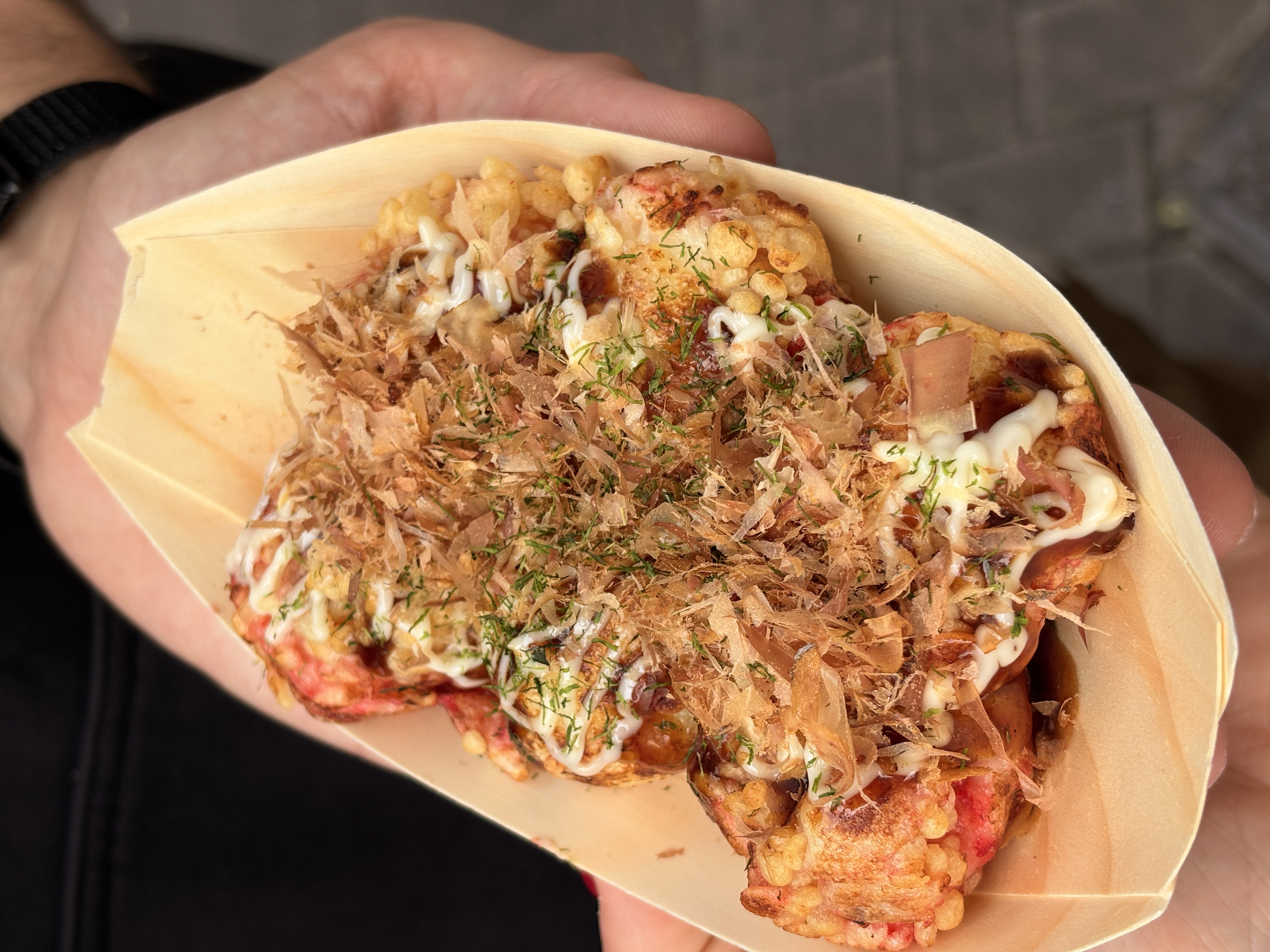
Takoyaki are balls of batter cooked on a special griddle, usually with a piece of octopus inside. The centre can be very hot and soft. Wait a few seconds before eating them!
They are often served with sauce, mayonnaise, seaweed and dried fish flakes.
They are one of Osaka's gastronomic symbols and are easy to find in the busiest neighbourhoods.
 Where to try it: Dotonbori and the venues specialising in street food.
2. Okonomiyaki — Osaka's savoury speciality
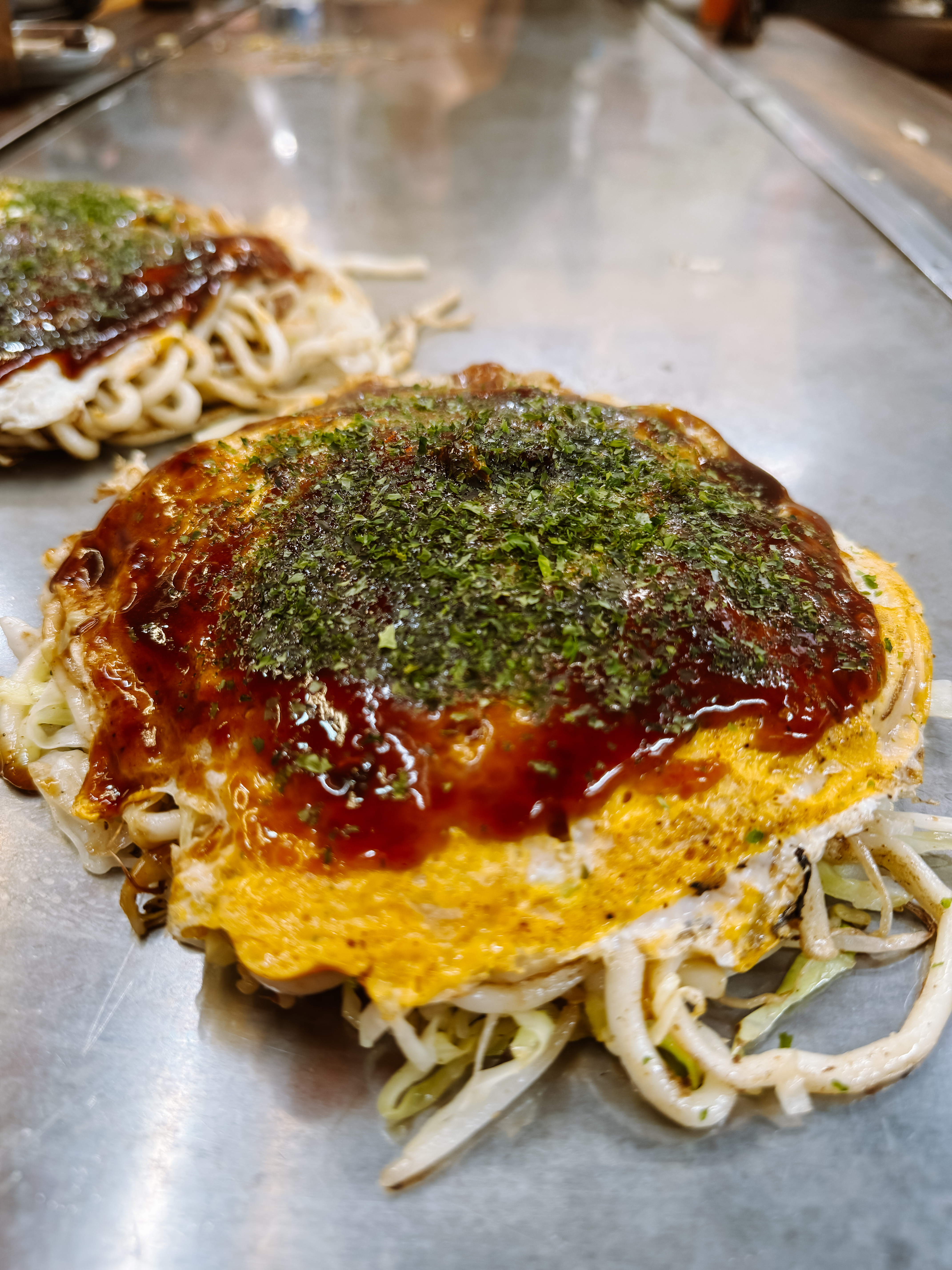
Okonomiyaki is a savoury dish made from batter, cabbage and other ingredients, such as meat, fish or vegetables.
It is cooked on a griddle and topped with sauce, mayonnaise and other condiments.
It is sometimes described as a kind of Japanese savoury pancake, but it has a texture and flavour of its own.
It is one of the specialities not to miss on a trip to Osaka.
Where to try it: in the specialist restaurants of Namba, Dotonbori and Shinsekai.
It might sound like a trivial point, but if this is your first time visiting Osaka, it is easy to confuse them.
Takoyaki are small balls of batter with an octopus filling, while okonomiyaki is a larger dish, similar to a savoury pancake.
Both are linked to Osaka's cuisine, but they represent two completely different dining experiences.
3. Kushikatsu: deep-fried skewers
Kushikatsu are skewers of meat, fish or vegetables, breaded and deep-fried.
They are particularly associated with the Shinsekai district, where there are numerous specialist venues.
It's a simple, informal dish, perfect for lunch or dinner without too much formality.
Where to try it: Shinsekai.
4. Japanese cheesecake

Japanese cheesecake is known for its fluffy texture and generally delicate flavour.
In Osaka one of the most famous names is Rikuro Ojisan, known for its baked cheesecakes and for preparation that is visible in some of its shops.
It is a good idea for a sweet break during the day.
Where to try it: Rikuro Ojisan, checking which outlet is most convenient for your itinerary.
5. Wagyu and Kobe: Japan's prized beef
Wagyu is a prized Japanese beef, known for its marbling and tenderness, and it can be quite expensive. Kobe beef is a specific variety of wagyu, from Hyōgo Prefecture and subject to strict selection criteria. In short: all Kobe is wagyu, but not all wagyu is Kobe. To try it, it's best to choose a specialist restaurant and check that they really serve it: don't make the same mistake I did!
6. Mochi and Dango: traditional Japanese sweets
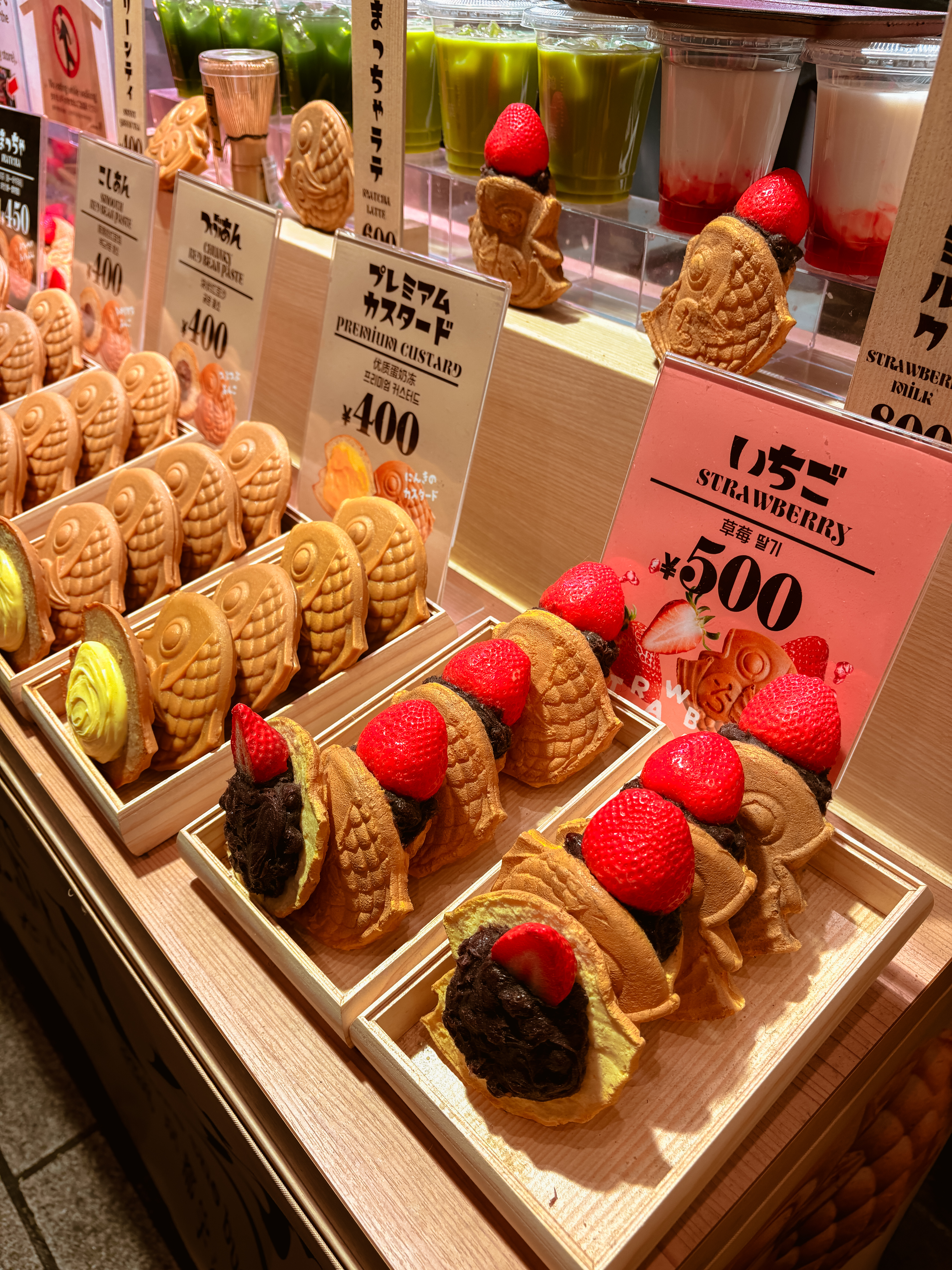
Known as wagashi, that is, traditional Japanese sweets, they are often made with ingredients such as sweet red bean paste, rice and rice flour.
They can come in different shapes and colours, sometimes inspired by nature and the seasons.
They are often served with tea and represent an important part of Japanese gastronomic culture.
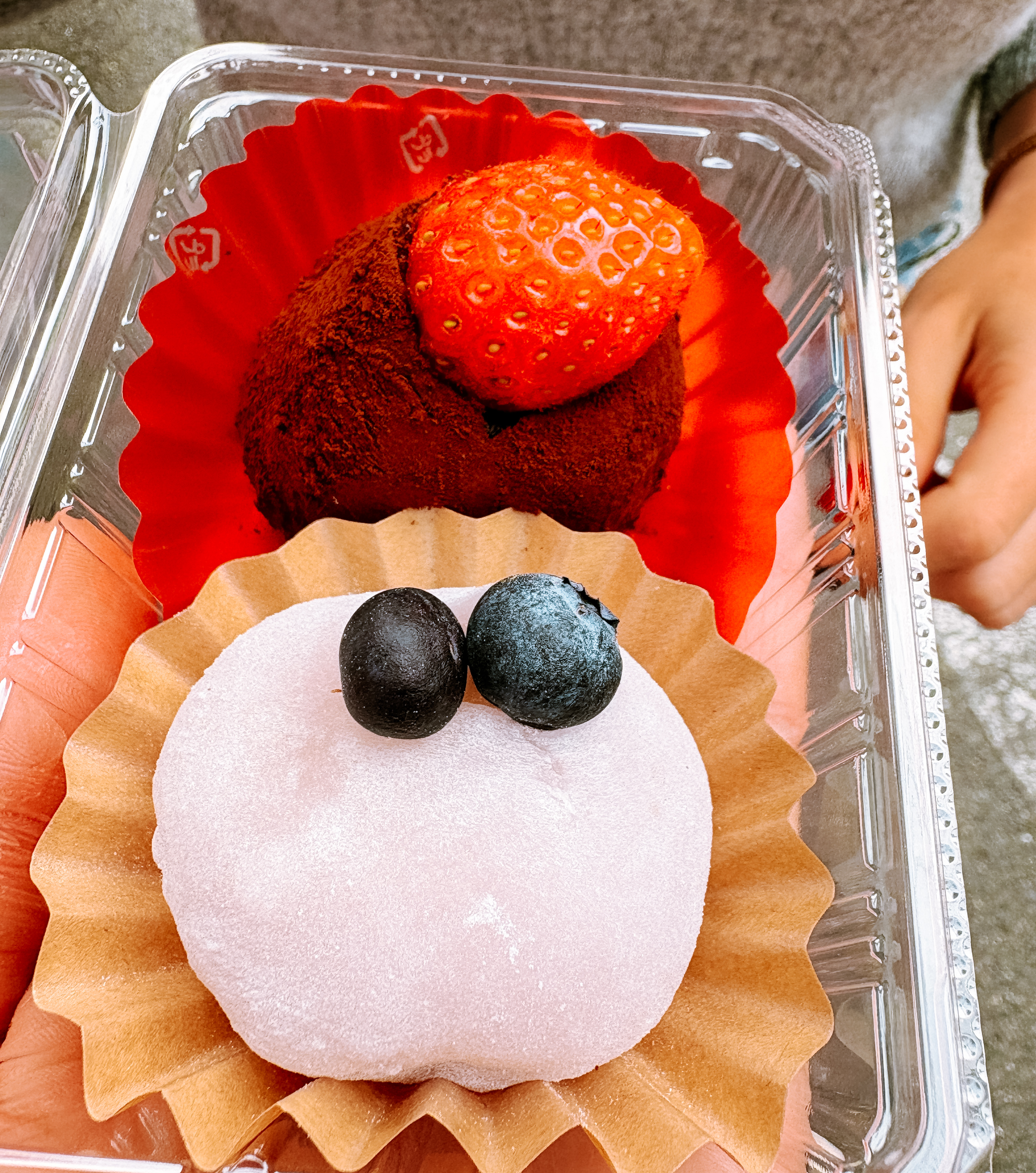
Mochi can be filled with ice cream and can have unusual flavours, such as matcha, mango or black sesame. These are modern variations: traditional mochi often have more classic fillings or toppings, such as sweet red bean paste.
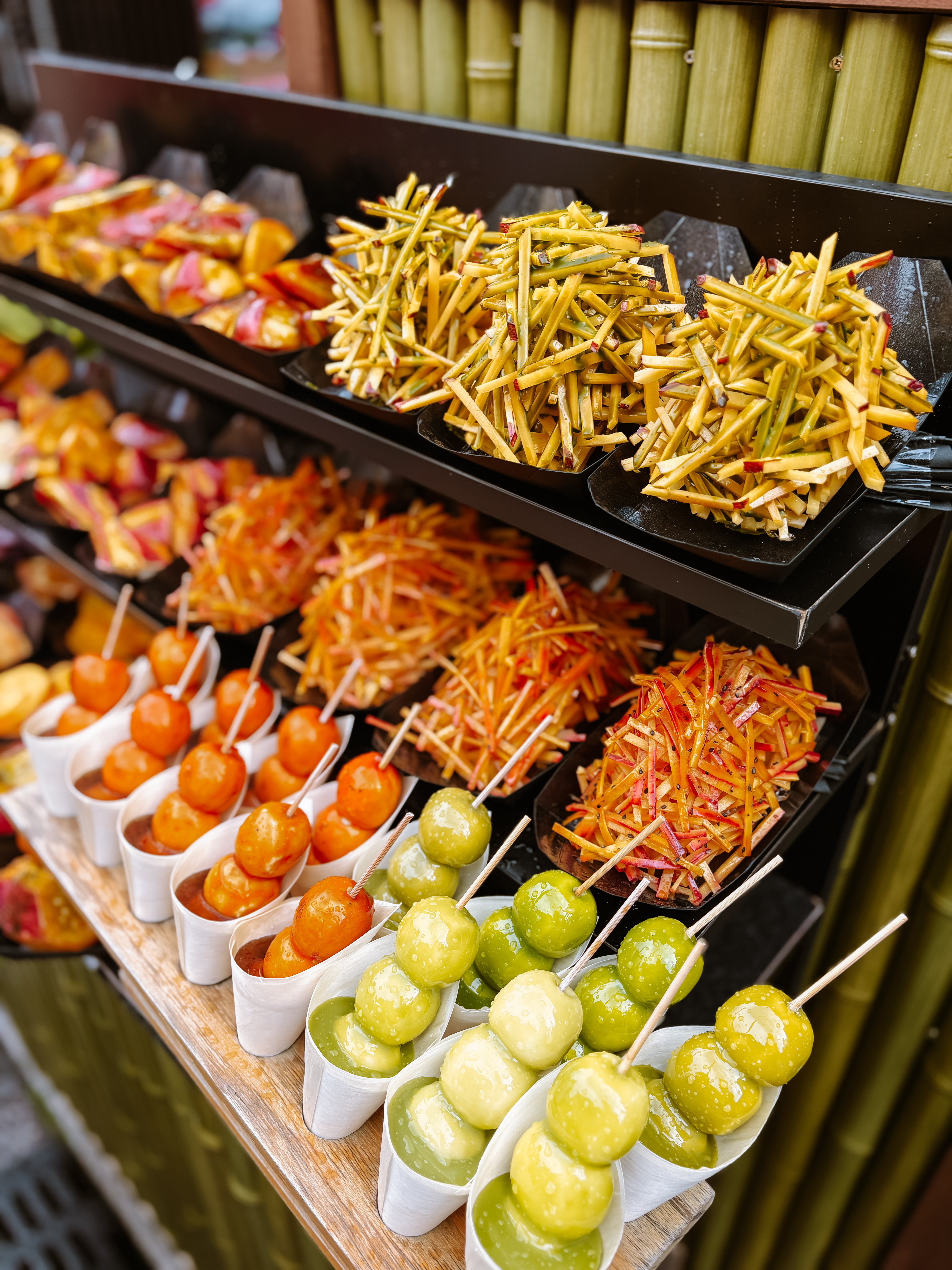
Dango are Japanese rice dumplings, soft and slightly chewy, often served threaded on a skewer. They come in several varieties, with toppings such as sweet soy sauce, red bean paste or toasted soybean powder.
Where to try them: in traditional patisseries and tea rooms in Kyoto.
If you want to try a simple experience rooted in local tradition, order a cup of matcha tea accompanied by a Japanese sweet. It is a pleasant way to treat yourself to a break while exploring the city.
Where to eat in Osaka
Street food and local cuisine
 Dotonbori € / €€
Dotonbori is the ideal place to try a variety of specialities without necessarily having to choose a traditional restaurant.
You can stop to buy takoyaki, try other local dishes and continue your stroll among the illuminated signs.
The cost depends on what you choose to eat.
- Shinsekai € / €€
If you want to try kushikatsu, Shinsekai is one of the most interesting areas to explore.
You'll find numerous specialist eateries, often with menus displayed outside.
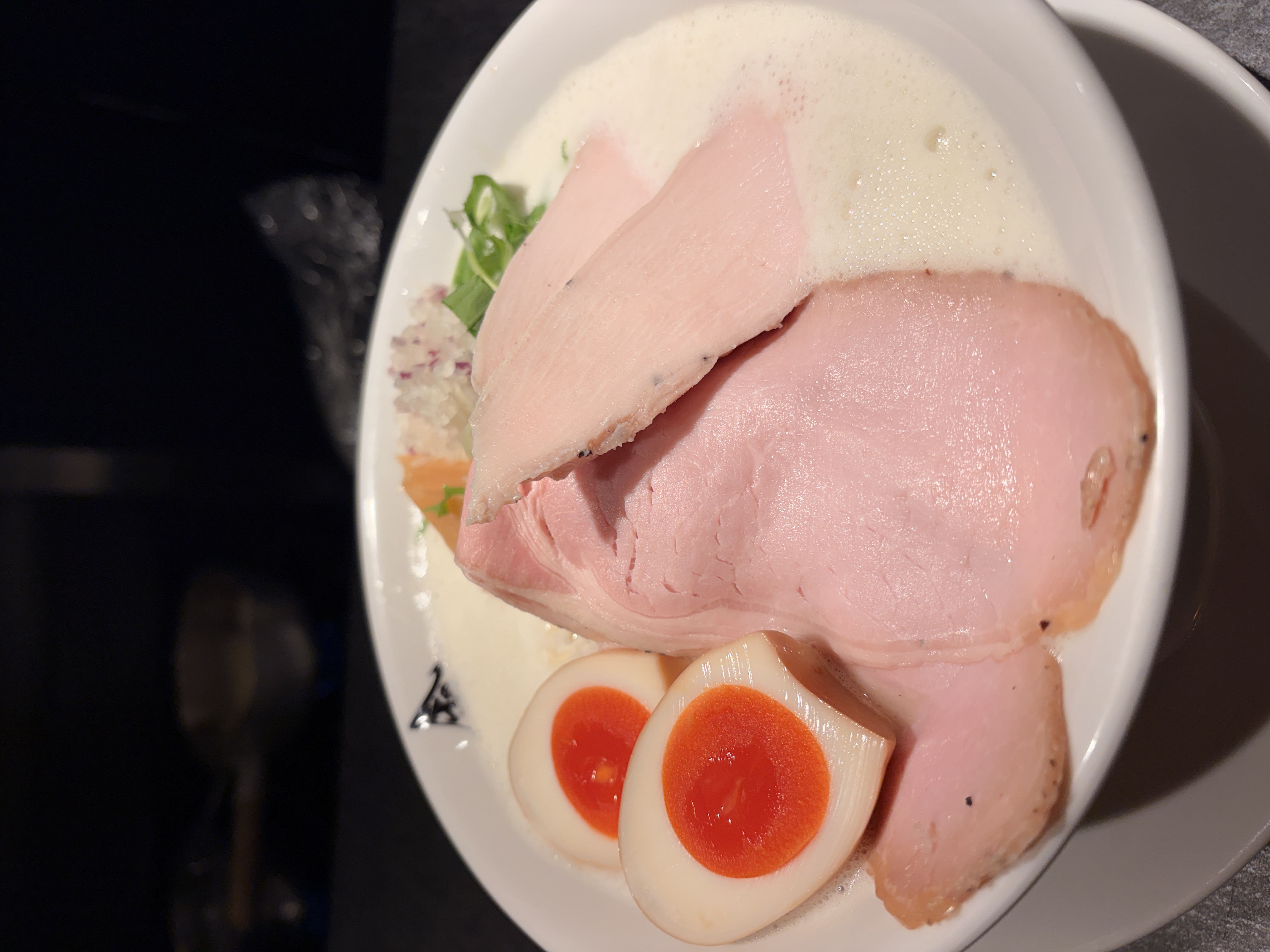
Ramen and udon
- Kinmuji Ramen €
Sweets
- Rikuro Ojisan €
If you want to try Japanese cheesecake, this is one of the best-known names in Osaka. Personally it didn't blow me away, but it is definitely worth trying.
StiraTip –– how to avoid the queueThis shop always has a very long queue and you risk waiting for hours. Many people queue to get it straight out of the oven, but there's a trick: go into the shop and buy the same cheesecake already packaged. It may have come out of the oven a few minutes earlier, but this way you skip the queue!
Where to stay in Osaka
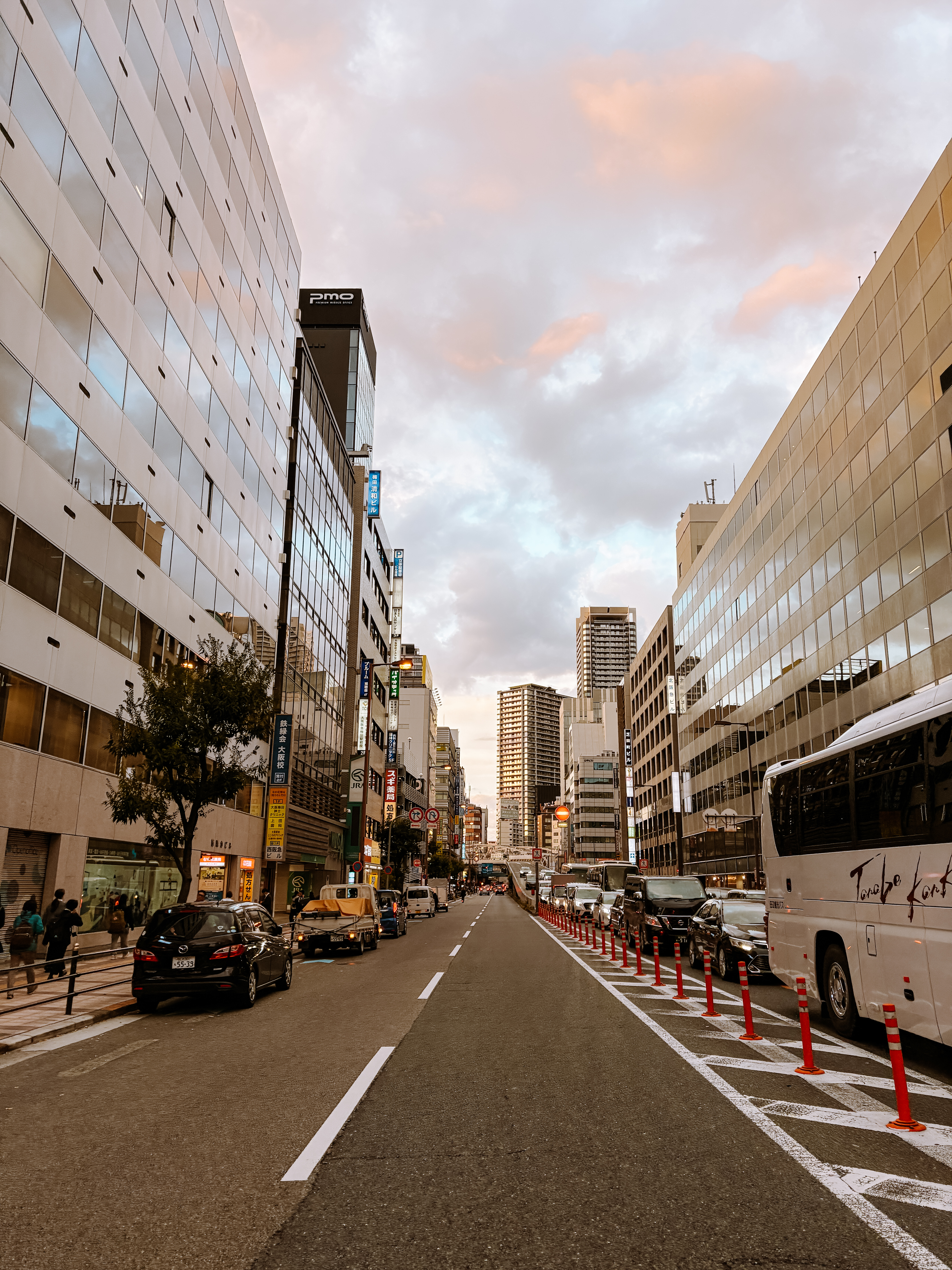
The choice of where to stay depends on how you want to organise your trip.
Umeda is one of the most convenient areas for those who want railway connections, shopping centres and restaurants close at hand. Namba may be more suitable if you want to spend a lot of time between Dotonbori, the bars and the shopping streets.
Toyoko Inn Osaka Umeda Nakatsu No.1
During your stay you had identified the Toyoko Inn Osaka Umeda Nakatsu No.1, a place to consider if you are looking for a practical base for visiting the city.
Area: Nakatsu, near Umeda.
Price: €54 per night
Booking: Booking.com
Travelling from Stirati: Osaka for free and on a budget
Visiting Osaka does not necessarily mean spending a fortune. Between neighbourhoods to explore on foot, temples, parks and street food, you can plan a trip full of experiences even on a modest budget.
Here are some ideas for saving money.
What free activity in Osaka
Admiring Osaka Castle from the outside
You can stroll around the park and admire the castle without buying a ticket for the museum inside.
It's one of the city's best-known stops and can be interesting even without visiting the exhibition spaces.
Exploring Dotonbori
The streets of Dotonbori are freely accessible, and strolling among the illuminated signs is an experience in itself.
Of course, if you want to try the street food or enter the attractions, you will need to allow for an additional budget.
Strolling around Nakazakicho
The neighbourhood is perfect for wandering along the little streets, watching the small businesses and discovering a quieter side of the city.
You don't necessarily have to buy anything to enjoy the atmosphere.
Exploring Shinsekai
Strolling among the signs, streets and traditional eateries is free. You can decide freely whether to stop for a meal or buy a ticket to go up Tsutenkaku Tower.
Visiting America Mura
If you love fashion and urban culture, you can stroll among the shops and browse the windows without spending a penny.
Exploring Den Den Town
Osaka's nerd district is perfect for anyone who loves video games, anime and manga. Here too you can spend time browsing the shops without having to buy anything.
Where to eat in Osaka on a budget
Street food in Dotonbori
Takoyaki is a great idea if you want to try a local speciality without necessarily sitting down in a restaurant.
You can buy a portion and carry on exploring the neighbourhood.
Traditional venues in Shinsekai
If you want to try kushikatsu, look for a place with the menu and prices displayed outside.
Comparing the options before you sit down can help you choose according to your budget.
Ramen and udon
Noodle restaurants can be a good option for a warm and filling meal.
Prices vary depending on the venue and ingredients, but you can find options suited to a modest budget.
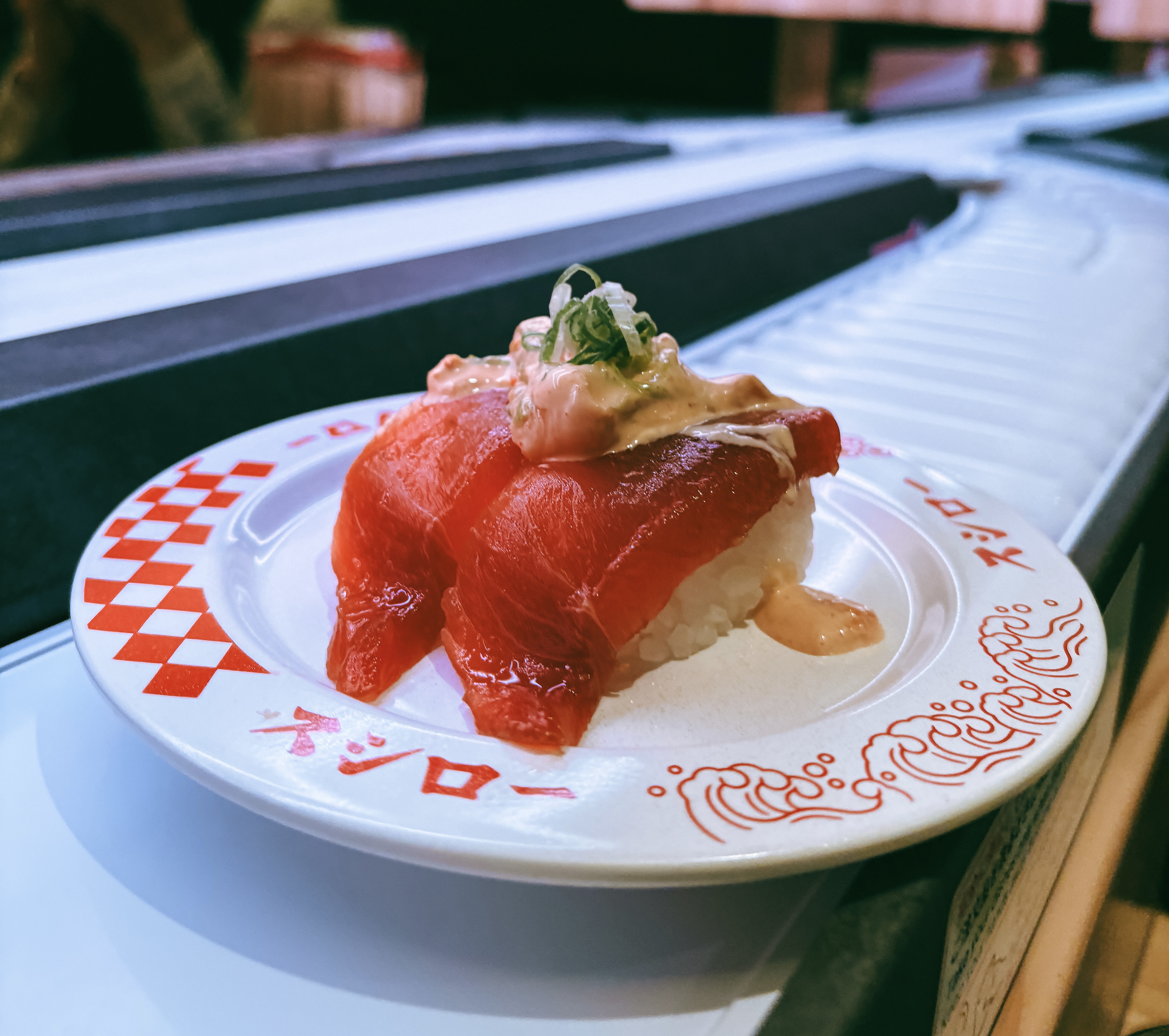
Affordable sushi
Sushiro: one of the best-known conveyor-belt sushi chains in Japan, and my favourite!
Kura Sushi: another option for trying different kinds of sushi without necessarily choosing a high-end restaurant.
My tip for saving money still
Do not underestimate Japanese konbini! Chains such as 7-Eleven, Lawson and FamilyMart are perfect for saving money during your trip.
For breakfast you can find brioche, pancakes, sweet treats and yoghurt, to be accompanied by a takeaway coffee or cappuccino, perfect to sip while heading to the first stop of the day.
For lunch, try onigiri, the famous stuffed rice balls, or choose a bento, a Japanese sandwich or a ready meal. There are plenty of alternatives to take away and eat during a break.
For an afternoon snack you can indulge in sweet treats, ice cream and unusual drinks.
One more tip? If you prefer to eat out, look for small places specialising in ramen, soba and udon: they are often an excellent solution for a quick and inexpensive meal.
In short, by alternating between konbini and restaurants you can taste many different things without spending a fortune!
Watch this Reel about Japanese konbini!
How to organise Osaka
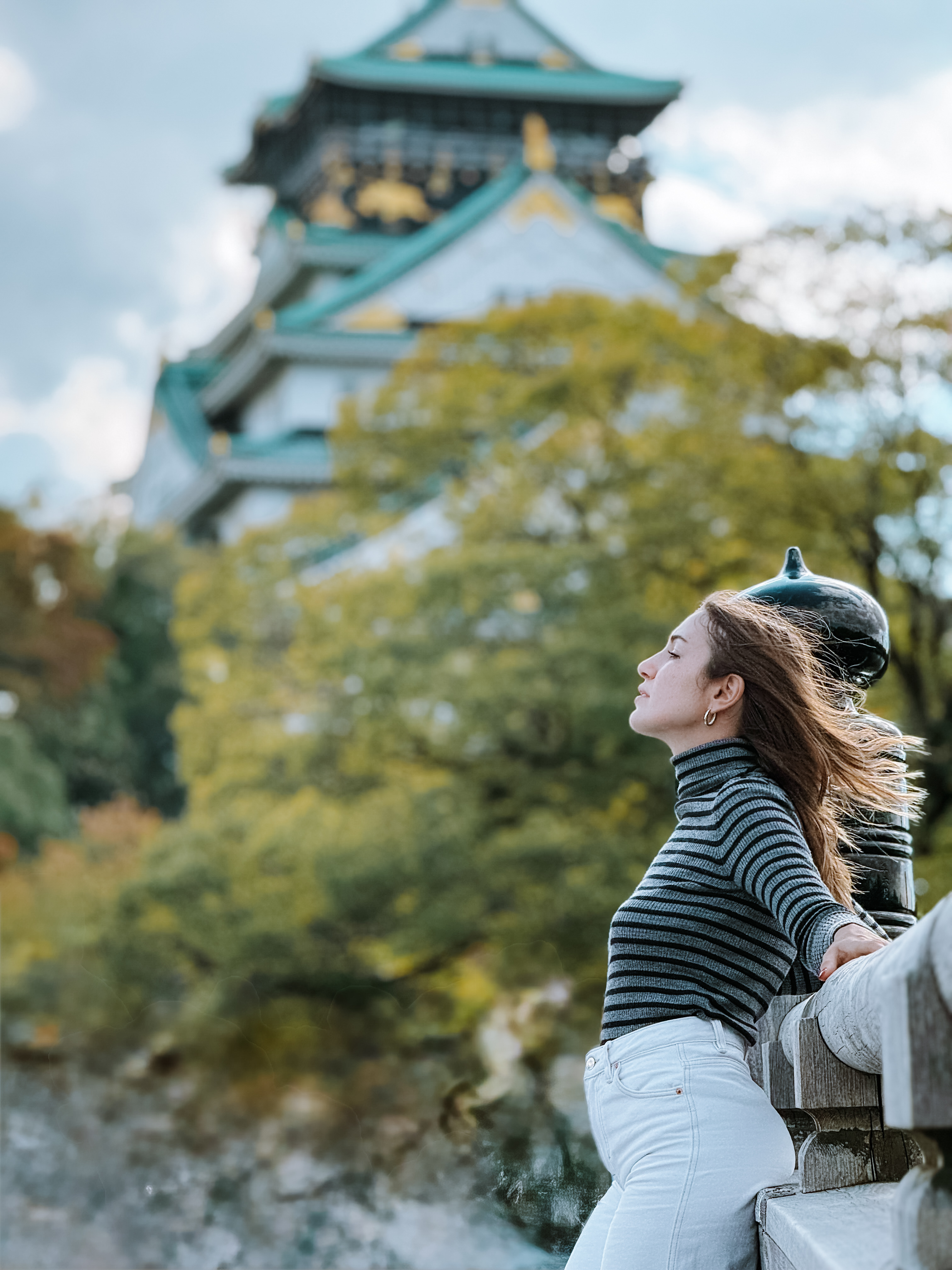
The best way to visit Osaka is to divide the city into areas and give each one the time it needs.
You could organise one day between Umeda and Nakazakicho, another between Osaka Castle and the attractions nearby, and a third between Namba, Dotonbori, America-mura and Den Den Town.
If you have more days available, you can add Shinsekai, Tennoji, Katsuo-ji and Minoh Park, or devote a whole day to Universal Studios Japan.
Osaka is a city that lends itself to different itineraries: you can focus on the food, devote yourself to vintage shopping, explore pop culture or alternate lively neighbourhoods with traditional places.
My advice is not to fill your days too much. Leave yourself some time to wander, pop into a shop you hadn't marked down or try something that catches your eye along the way.
Because it's often the unplanned stops that become the best memories of a trip.
Have you ever wondered why there are so few bins in Japan...?
In Japan you will notice something curious: there are very few bins on the streets, yet the cities are spotlessly clean. How do people manage their rubbish? The answer is not so obvious...
Travel creator from Bologna. I don't iron, but I am ironed: I tell stories of fantastic trips, write free itineraries and always look for the low-cost solution 💸
Keep travelling
Two-week Japan itinerary
Hiroshima: memory and renewal
Kyoto: a pearl in the heart of Japan
Two-week Japan itinerary
Hiroshima: memory and renewal
Kyoto: a pearl in the heart of Japan
Comments from the Stirati
No comments yet. Start the conversation.