
Kyoto: a pearl in the heart of Japan
Start here
Hello Stirati! Kyoto is one of those cities that seem to come from another era: temples set in greenery, traditional alleys, bamboo forests, shrines with thousands of red torii and small restaurants where you can discover flavours that tell the story of Japan.
The country's former capital for over a thousand years, Kyoto preserves some of Japan's most fascinating traditions. But do not think of it as merely a city of temples! Here you can wander through lively markets, sample local specialities, take part in a tea ceremony and get lost in the historic districts in search of lesser-known corners.

Before you leave
 How many days you need: 3-4 days for a fairly complete first visit
 Currency: Japanese yen (JPY)
 Documents and entry: if you are travelling on an Italian passport for tourism, you can stay in Japan for up to 90 days without a visa. Your passport must be valid for the entire length of your stay. Before you leave, check for any updates to the entry requirements on the website of the Embassy of Japan in Italy. Watch the Reel on the things to know before coming to Japan.
 How to pay: physical card (I always use Revolut) and cash (it is useful to have both)
 How to get around: the metro and urban trains are the most practical way to explore the city. In this Reel I explain how to use them and organise your journeys.
 Suica and PASMO: these are rechargeable cards that let you easily pay for compatible metro, trains and buses, simply by touching them to the reader at the ticket gates. You can also use them for small purchases at participating shops. Digital versions are also available to use directly with your smartphone.

 Internet: to stay connected during your trip, you can use an eSIM. I recommend Holafly: with the code STIRATIINTRIP you get 5% off, or you can buy your eSIM directly from this link with the discount already applied
 Travel insurance: before setting off, consider a policy that covers your travel needs. With Heymondo you can get 10% off through my link.
 Best time: spring and autumn are two highly valued seasons for visiting Tokyo. I was there in November, during the autumn foliage, when the autumnal colours make the city especially atmospheric.
StiraTip — Not sure where to leave your luggage?
Japanese railway stations often have automatic lockers where you can leave your luggage for a few hours or the whole day. You pay with coins or an IC card such as Suica or Pasmo. They are inexpensive and very convenient for avoiding dragging your bags around all day.
Watch the Reel on how to
What you'll find in this guide
What to see in Kyoto
From the famous red torii gates of Fushimi Inari to the Golden Pavilion, passing by the Kiyomizu-dera temple, Nijo Castle, the traditional lanes of Higashiyama and the Gion district. You will discover which places not to miss, how much time to allow for each and which stops you can combine.
What to eat and where in Kyoto
Kyoto is not just sushi and ramen! The local cuisine includes specialities based on tofu, yuba, matcha tea, traditional sweets and refined dishes linked to temple culture and kaiseki cuisine.
Where to stay in Kyoto
An overview of the areas to choose from when organising your stay, with a reference to the accommodation used during the trip.
Special experiences in Kyoto
Wearing a kimono, taking part in a tea ceremony, discovering the culture of the samurai and ninja, or dining in a traditional Japanese restaurant. Kyoto is the right place to get closer to the traditions of the country.
I will guide you through Kyoto's iconic places, curiosities and practical advice, to help you plan your itinerary and experience the city in the spirit of Stiratiintrip.
What to see in Kyoto
Fushimi Inari Taisha: thousands of red torii set in the mountain
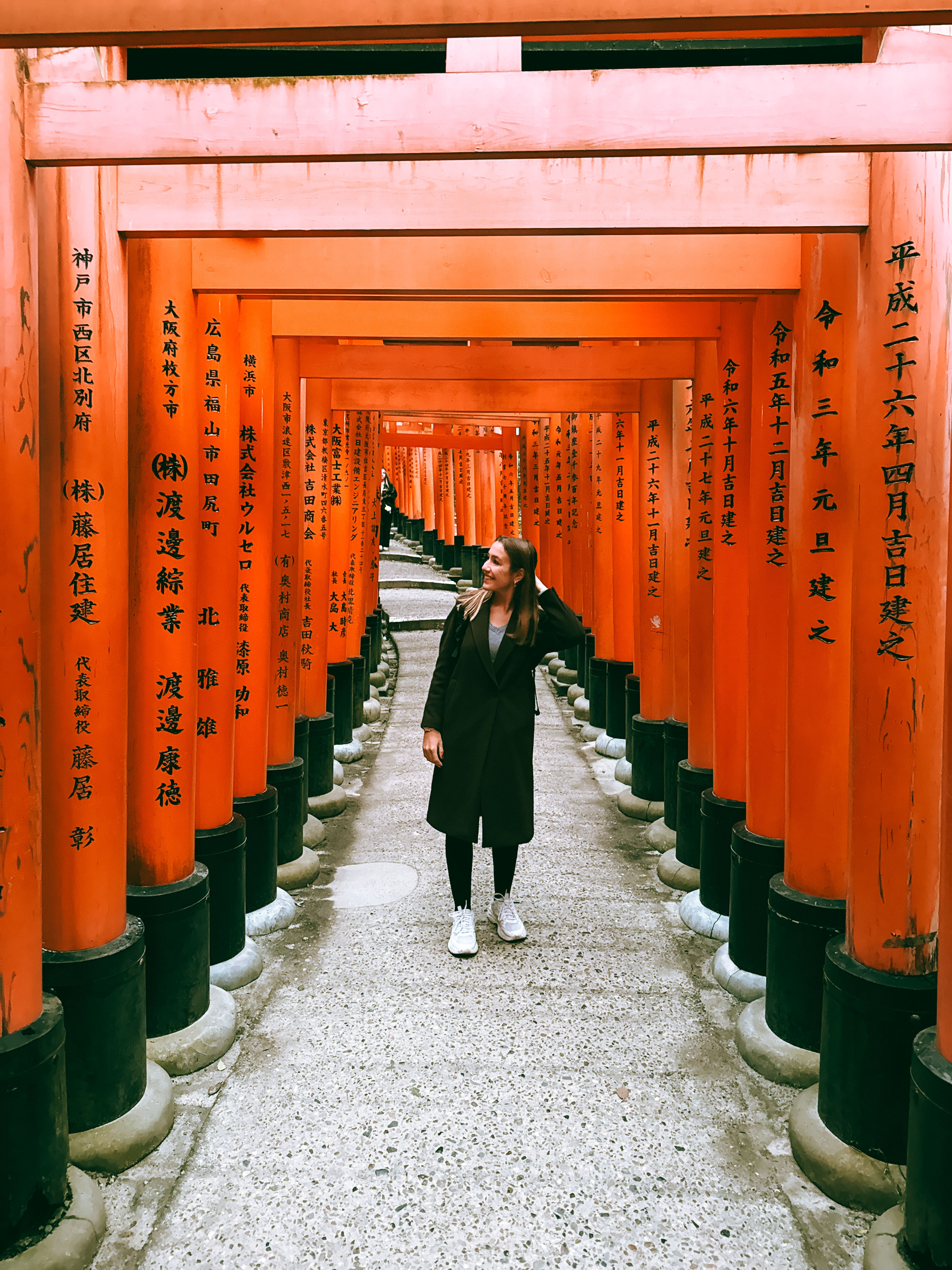
If you have seen at least one photograph of Kyoto, you have probably already come across its famous red torii gates. Fushimi Inari Taisha is one of the most iconic places in the city and an unmissable stop for anyone visiting Japan. Watch the Reel here!
The complex is dedicated to Inari, the Shinto deity associated with rice, agriculture and prosperity. Its symbol is the fox, regarded as the deity's messenger: during your visit you will notice numerous fox statues scattered throughout the shrine grounds.
Stiriosity — The foxes of Fushimi Inari are not mere decorations!
Have you noticed the many fox statues scattered around the shrine? In Shinto tradition they are considered messengers of the deity Inari, associated with rice, agriculture and prosperity.
You will often see them with an object in their mouth: it may be a key, a jewel or another symbol linked to wealth and abundance.
And the famous red torii? Many have been donated by individuals and businesses as a sign of devotion and good fortune. On some you can even read the names of the donors and the dates of the offerings.
In short, walking this route is not only about strolling through one of the most photographed places in Japan: every detail tells a part of the local culture and beliefs.

The most famous part is the route winding up the mountain through thousands of vermilion torii, donated over the years by individuals and businesses as a form of devotion and good fortune.
Walking beneath these gates, you will find yourself immersed in a special atmosphere, among forest paths, small shrines and views that change with every bend.
Opening hours: the shrine area is accessible 24 hours a day.
Price: free entry.
Recommended time: around 1–3 hours, depending on the route chosen.
StiraTip — Go at dawn!Fushimi Inari is one of Kyoto’s most visited attractions. Arriving around 6:00 in the morning generally means finding fewer people than at the central hours and enjoying the path in greater peace.
Remember, though, that the light changes quickly: if you want to take photographs, also allow time to reach the viewpoints.
Kiyomizu-dera: the temple with the great wooden terrace
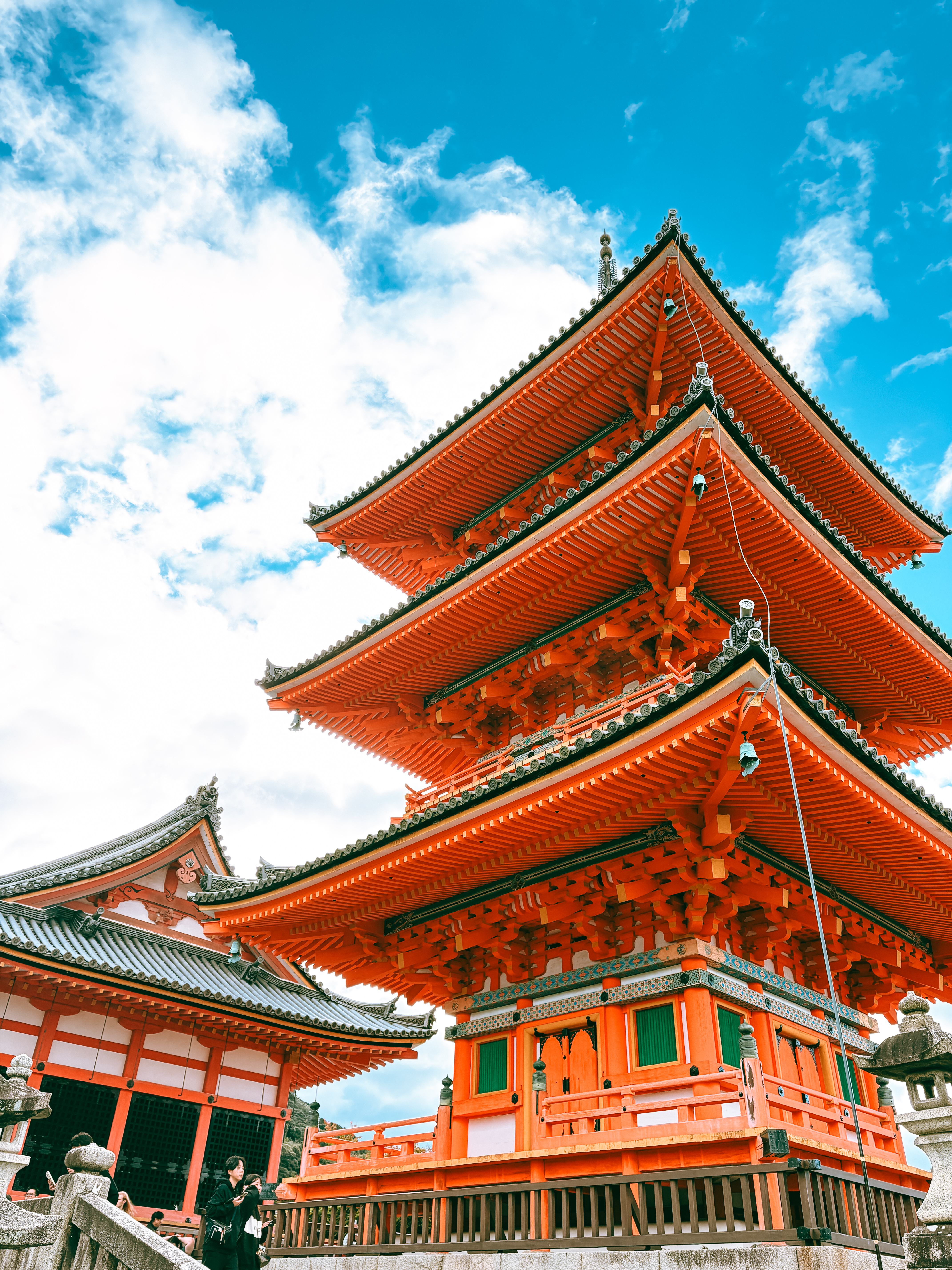
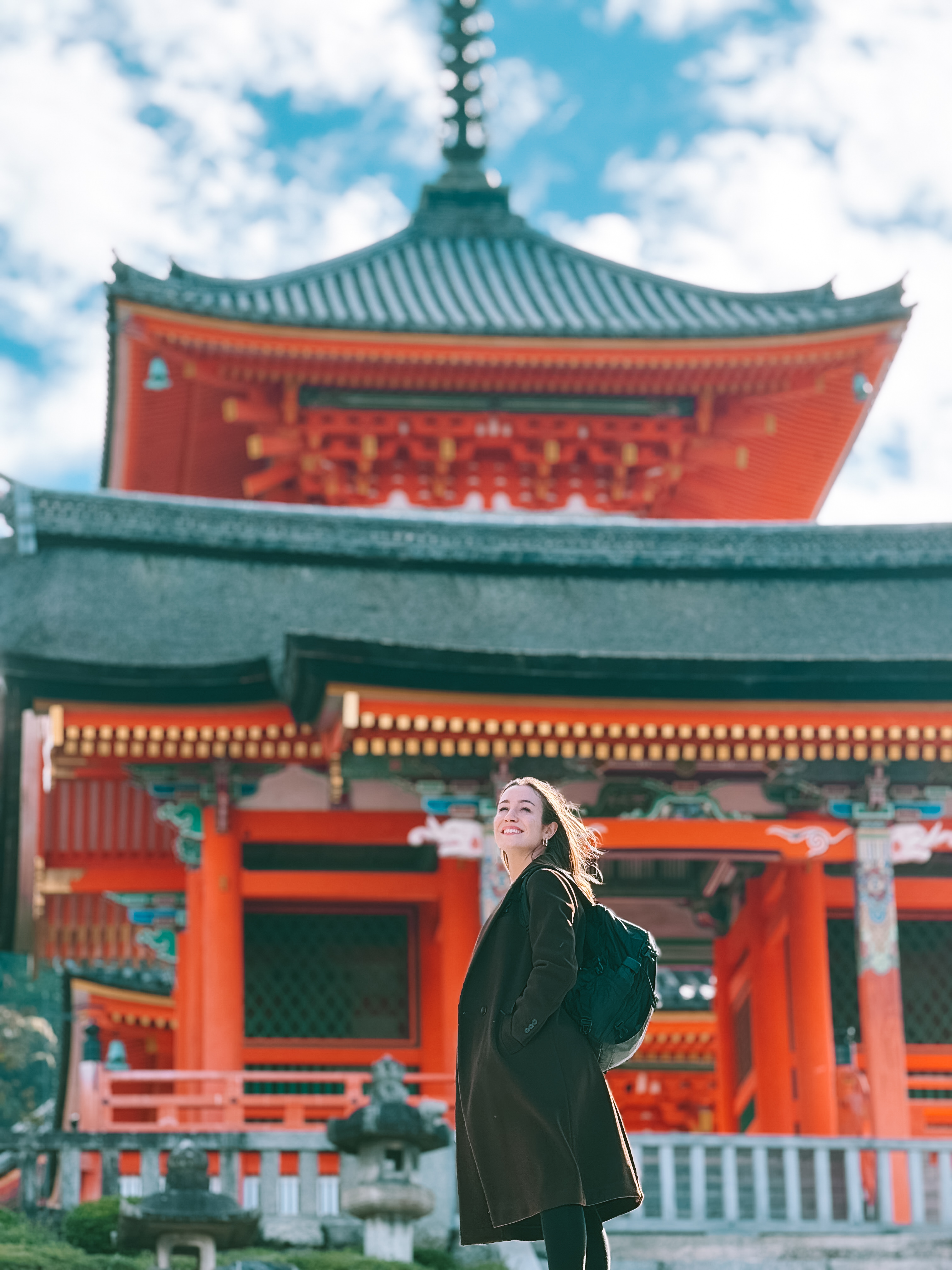
Perched on the eastern hills of Kyoto, Kiyomizu-dera is one of the city's most famous Buddhist temples and offers a splendid view of the surroundings. The temple's name can be translated as 'temple of pure water' and derives from the Otowa waterfall, located within the complex. Water is traditionally associated with various blessings, including health, success and longevity.
Its best-known feature is the large wooden terrace, built without nails using traditional Japanese architectural techniques. From here you can admire the surrounding landscape, which is particularly striking during the autumn foliage.
The complex includes several religious buildings, paths and viewpoints. It is worth taking the time to explore it rather than limiting yourself to the main terrace.
Opening hours: generally 6:00–18:00, with possible seasonal variations.
Price: approximately 500 yen for adults; check the current rate.
Recommended time: 1–2 hours.
Sannenzaka and Ninenzaka: the narrow lanes of traditional Kyoto
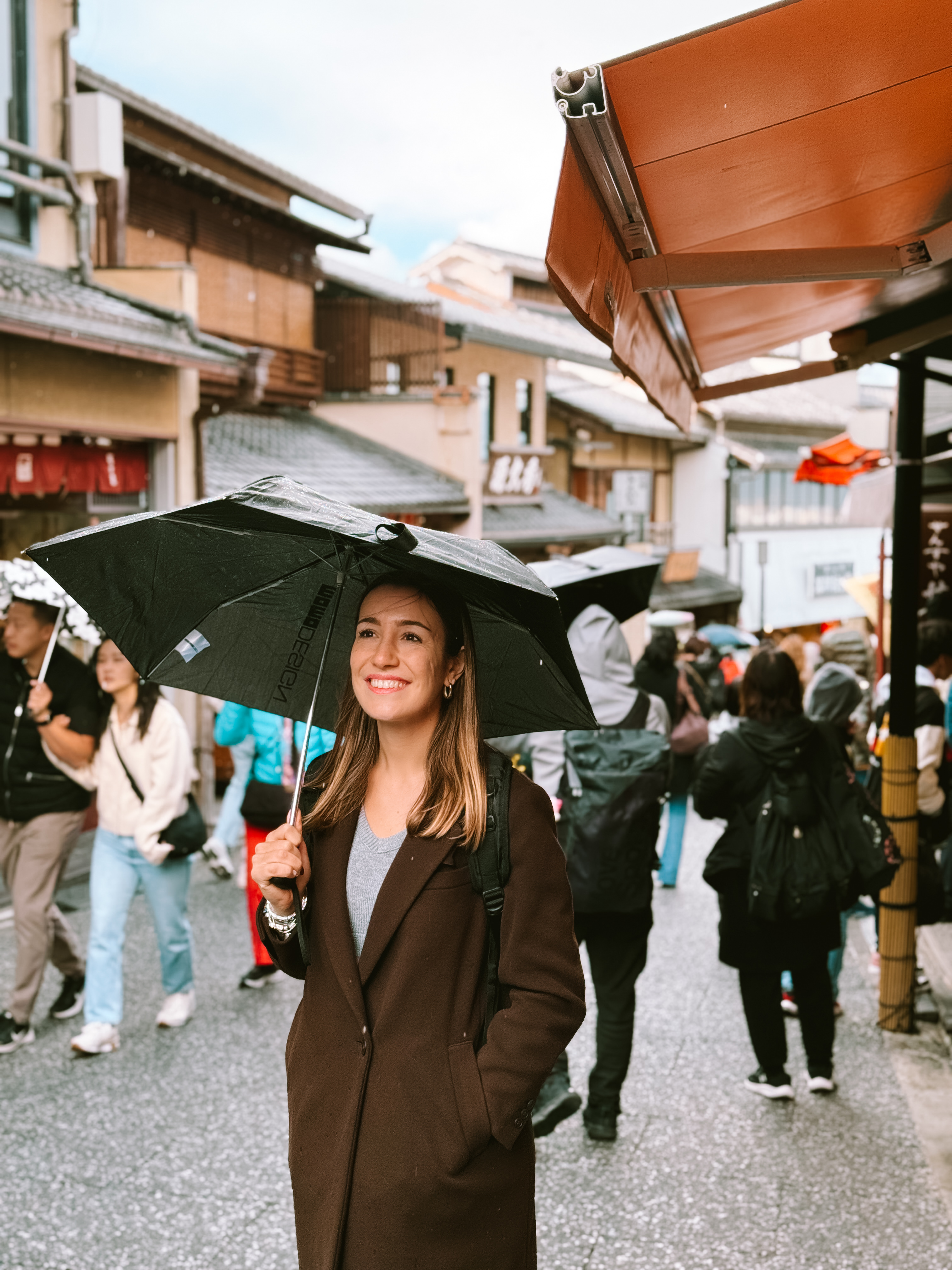
After visiting Kiyomizu-dera, take some time to stroll through Sannenzaka and Ninenzaka, two of Kyoto's most characteristic historic streets.
Here you will find traditional wooden buildings, craft workshops, souvenir shops, tea houses and places where you can sample Japanese sweets.
It is a perfect area for slowing the pace, observing architectural details and discovering small shops selling local products.
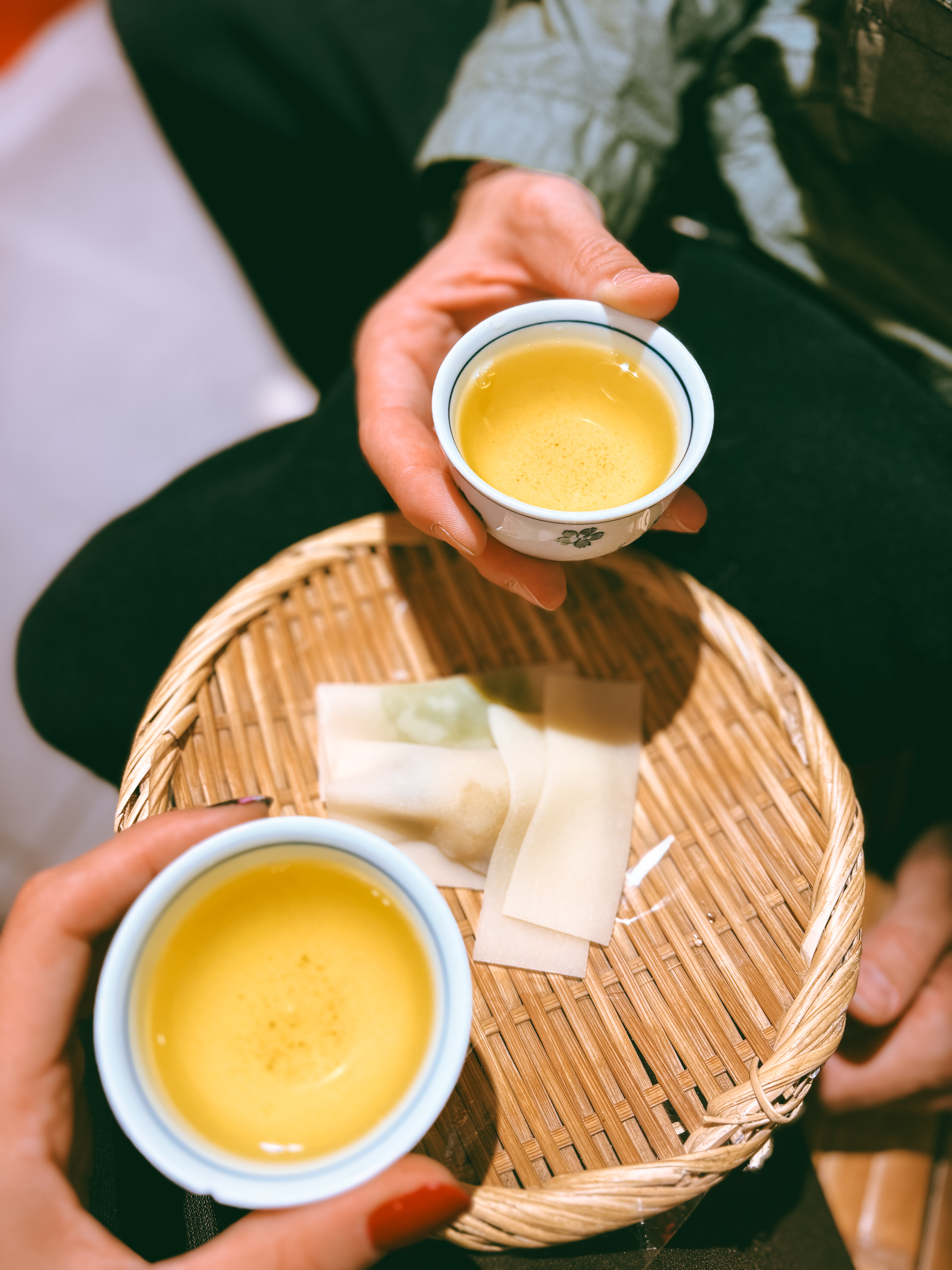
Opening hours: the streets are open to the public free of charge; the shops have their own hours.
Price: free.
Recommended time: 1-2 hours, especially if you enjoy browsing the shops.
The advice is to visit them together with Kiyomizu-dera, as they are in the same area. If you want to take photographs, try to arrive in the morning, when the streets are generally less crowded.
Gion: the geisha district
Gion is one of the best-known historic districts of Kyoto, famous for its narrow streets, traditional wooden houses and tea houses.
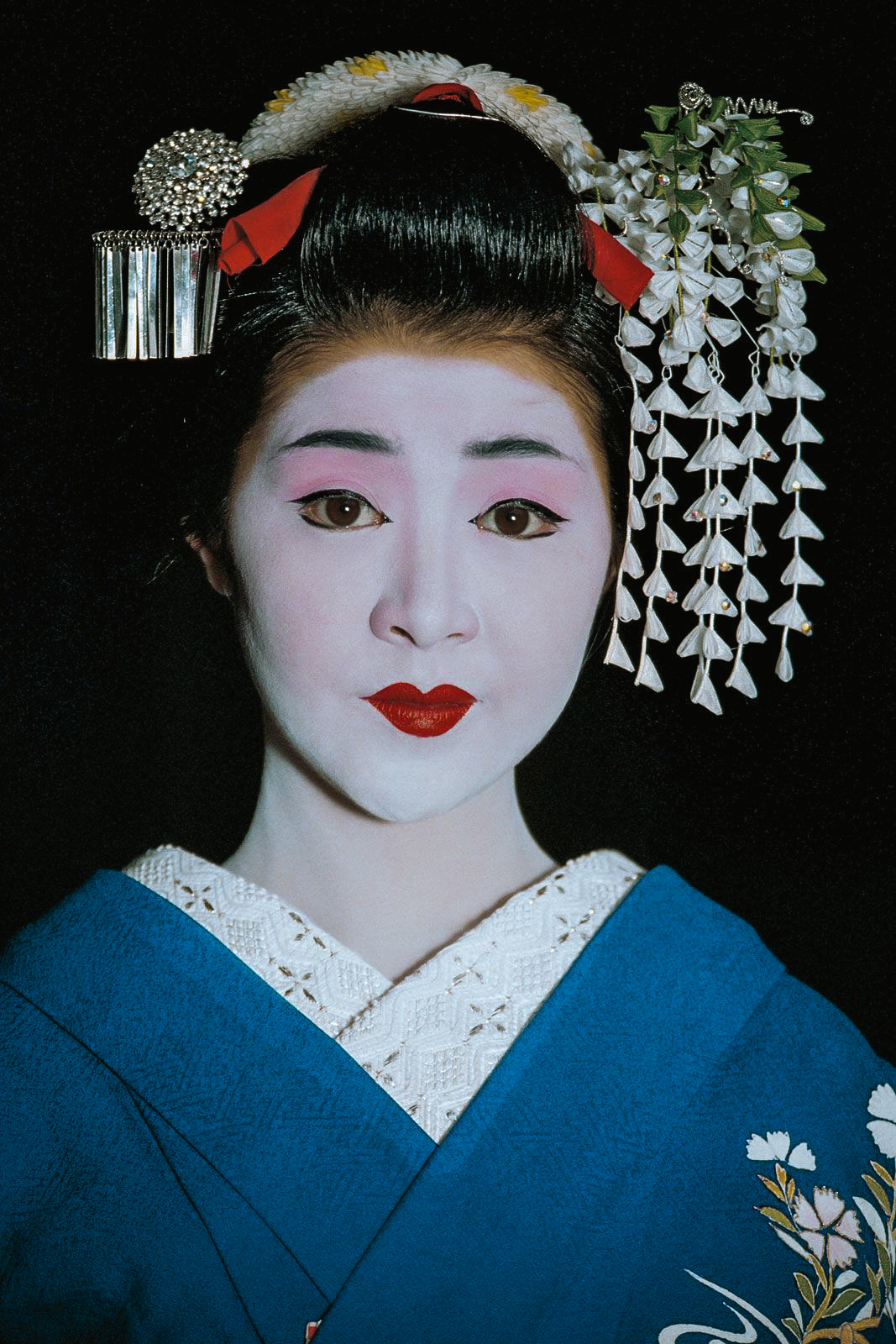
Walking through the alleyways, you may come across historic buildings, traditional restaurants and glimpses that seem to belong to another era. It is one of the best areas for getting closer to the culture of the geisha, known as geiko in Kyoto, and of their apprentices, the maiko.
It is important to know that geiko and maiko are professionals of traditional Japanese arts, including dance, music and entertainment. They are not simply people dressed in traditional clothing for tourists.
Opening hours: the district is open to the public free of charge; shops and businesses follow their own hours.
Price: free.
Recommended time: 1–2 hours.
If during your walk you meet a geiko or a maiko, do not chase her, block her path or photograph her without permission. Please also remember that some private streets in Gion are subject to restrictions for visitors: always respect the signage.
Yasaka Shrine: a stroll between tradition and lanterns
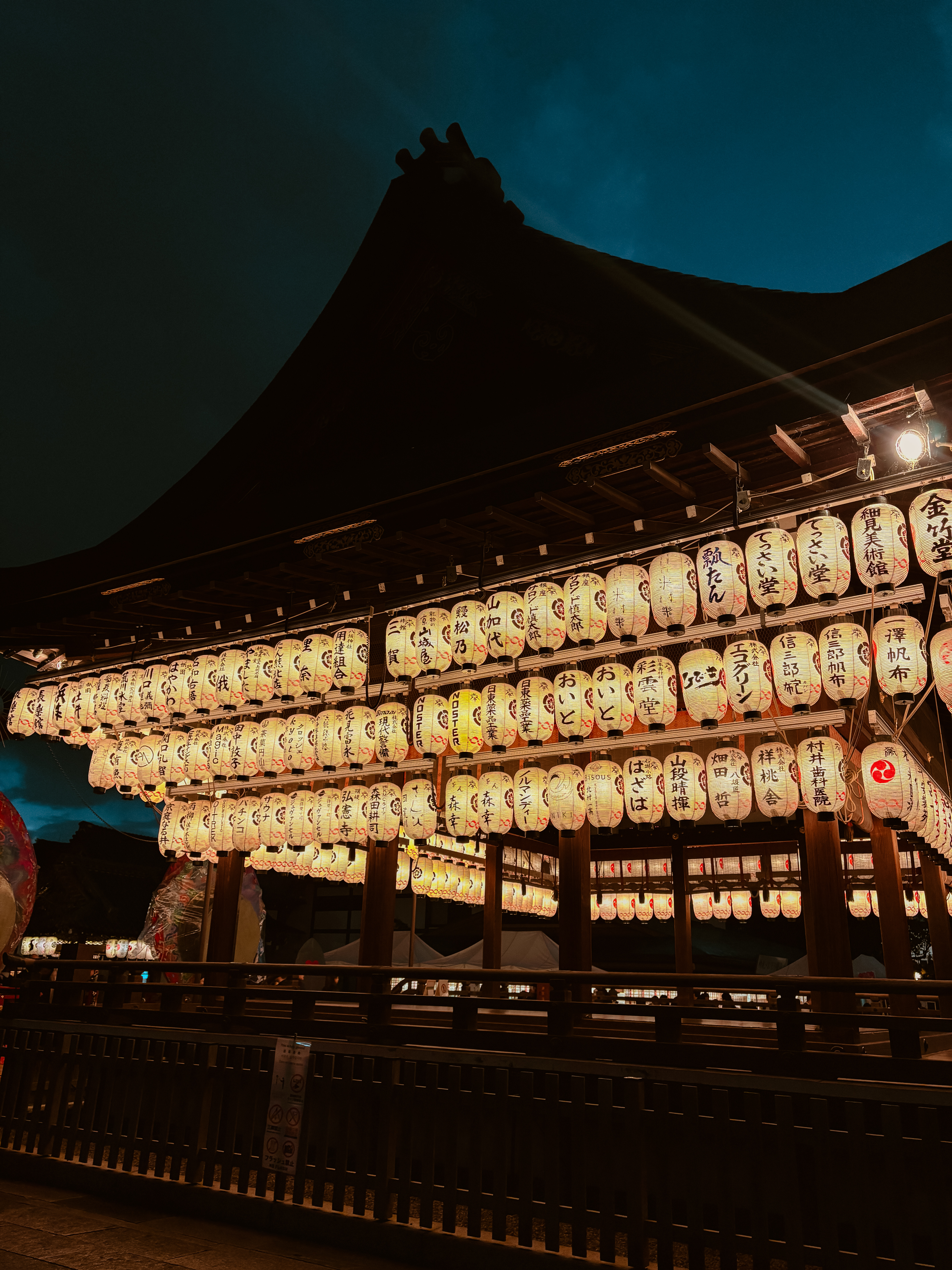
Yasaka Shrine lies between Gion and Maruyama Park and is an easy stop to combine with a visit to the historic district.
It is dedicated to deities linked to protection and health, and is also known for the Gion Matsuri, one of Japan's most important traditional festivals.
The complex is particularly atmospheric at sunset and after dark, when the lanterns help create a different mood from daytime.
Opening hours: the outdoor area is freely accessible even at night; any indoor facilities may have specific opening hours.
Price: free entry.
Recommended time: 30-45 minutes.
If you are exploring Gion, you can stop here before continuing to Pontocho for dinner.
Kinkaku-ji: the famous Golden Pavilion
Kinkaku-ji is one of the most photographed temples in Kyoto. Its name means 'Golden Pavilion' and derives from the gold leaf that covers the outer surfaces of the upper floors of the main building.
The pavilion overlooks a pond surrounded by landscaped gardens, creating a particularly striking reflection on clear days.
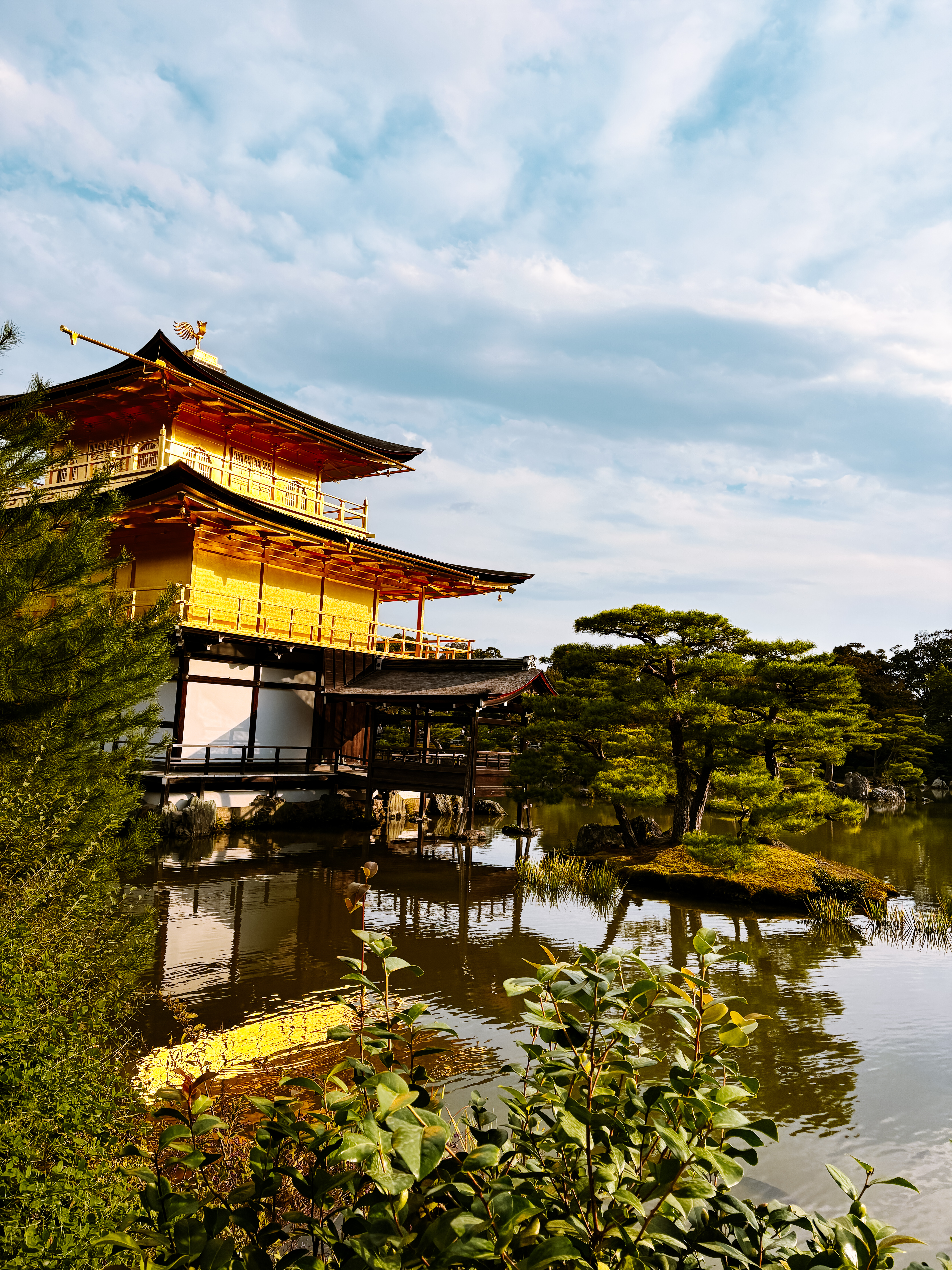
The visit follows a route that crosses the garden and allows you to view the pavilion from several angles. It is not a building you can freely enter: the experience consists mainly of admiring it from the outside.
Opening hours: generally 9:00–17:00.
Price: approximately 500 yen for adults.
Recommended time: 30–60 minutes.
Although sunset can create very beautiful light, Kinkaku-ji generally closes at 17:00. So plan your visit around the closing time, rather than expecting to arrive at sunset.
Nijo Castle: among shoguns, palaces and Japanese gardens
If you want to discover another side of Japanese history, Nijo Castle is a stop to add to your visit to Kyoto.
Built in 1603 at the behest of Tokugawa Ieyasu, the founder of the Tokugawa shogunate, the castle was for centuries one of the symbolic sites of Japan's military and political power.
Unlike the classic image of a medieval European castle, here you will find a complex of wooden palaces, decorated gates, well-kept gardens and fortified walls. The whole ensemble has been designated a UNESCO World Heritage Site.
The most interesting part is Ninomaru Palace, famous for its rooms decorated with paintings, sliding doors and ornamental details that reflect the prestige of the shogunate. Inside you can admire the decorations of the Kano school of painting, with animals, landscapes and natural motifs.
Don't miss the Ninomaru Garden either, designed to be viewed from several angles and characterised by a composition of rocks, water and vegetation typical of the traditional Japanese garden.
Opening hours: generally 8:45-17:00, with last entry at 16:00.
Price: the entry ticket and the combined ticket with the palace have different rates. Check the official website for up-to-date prices.
Recommended time: about 1-2 hours for the castle, the palace and the garden.
How to get there: the Nijojo-mae metro station is located near the entrance.
Prices and opening hours may change, so check the official information before your visit.
Nijo Castle is not just a fortress. It is also a place closely tied to Japan's political history: it was here, in 1867, that shogun Tokugawa Yoshinobu announced the return of political power to the emperor, an important turning point in the nation's history.
Arashiyama: the bamboo forest
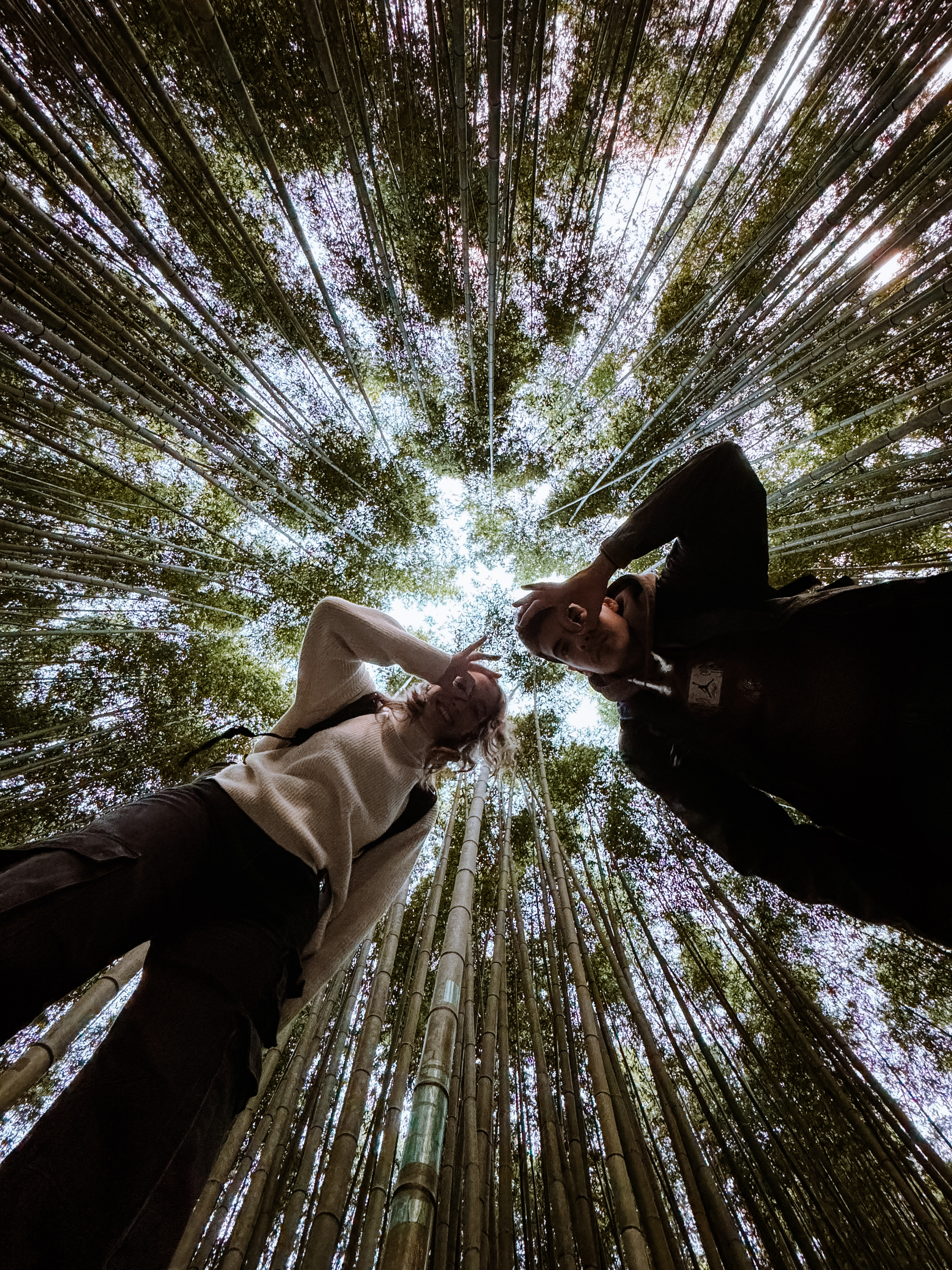
In the western part of Kyoto lies Arashiyama, an area known for its natural landscape, the river and the famous bamboo forest.
The path runs through a bamboo grove with tall canes rising above the route, creating a very distinctive setting. It is one of the most recognisable images of Kyoto and a stop loved by those visiting the city for the first time.
The walk through the forest is relatively short, but you can spend more time in the area exploring the surrounding lanes and nearby attractions.
Opening hours: the path is generally open to the public free of charge; nearby areas and attractions may have specific opening hours.
Price: free for the public path through the forest.
Suggested time: about 30-60 minutes for the forest, plus time spent in the surrounding area.
Kibune: an excursion among mountains, woods and shrines
If you have a few more days in Kyoto, I suggest considering an excursion to Kibune, a mountain village north of the city.
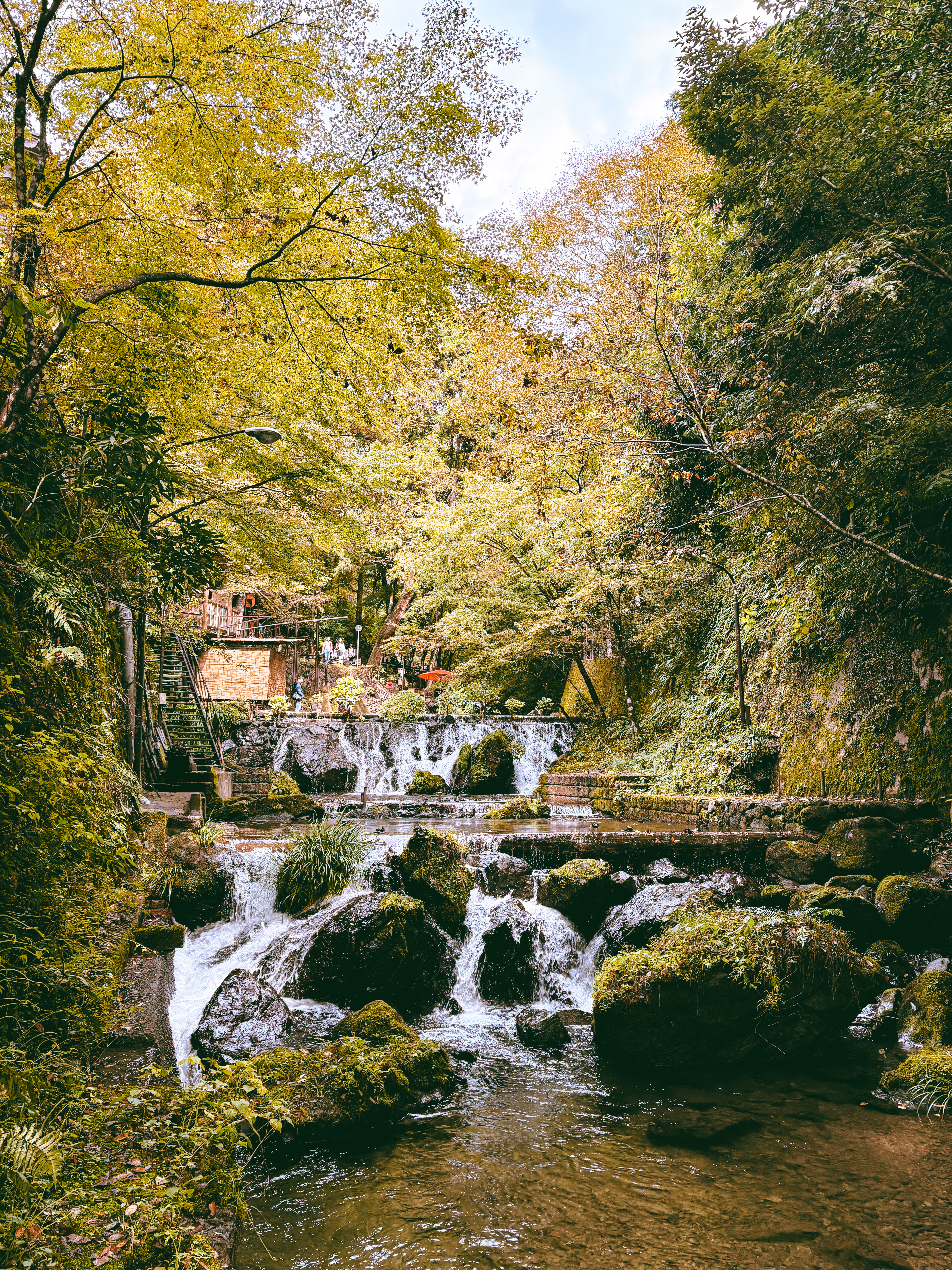
Here the landscape changes completely compared with the city centre: you will find woodland, footpaths, a small village and the Kifune shrine, traditionally linked to water and the deities that govern it.
The shrine is especially recognisable for its staircase lined with red lanterns, one of the most striking images of the area.
Kibune is also known for its traditional restaurants which, during the warmer months, set up platforms over the river so you can eat surrounded by nature.
Suggested time: half a day or a full day, depending on travel and the activities chosen.
Price: the walk through the village and access to the public areas are generally free; any activities and meals are charged.
If you want to have lunch in Kibune, you could consider a traditional restaurant such as Kifune Nakayoshi, which is really good. Watch the Reel here!
Nishiki Market: the food market of Kyoto
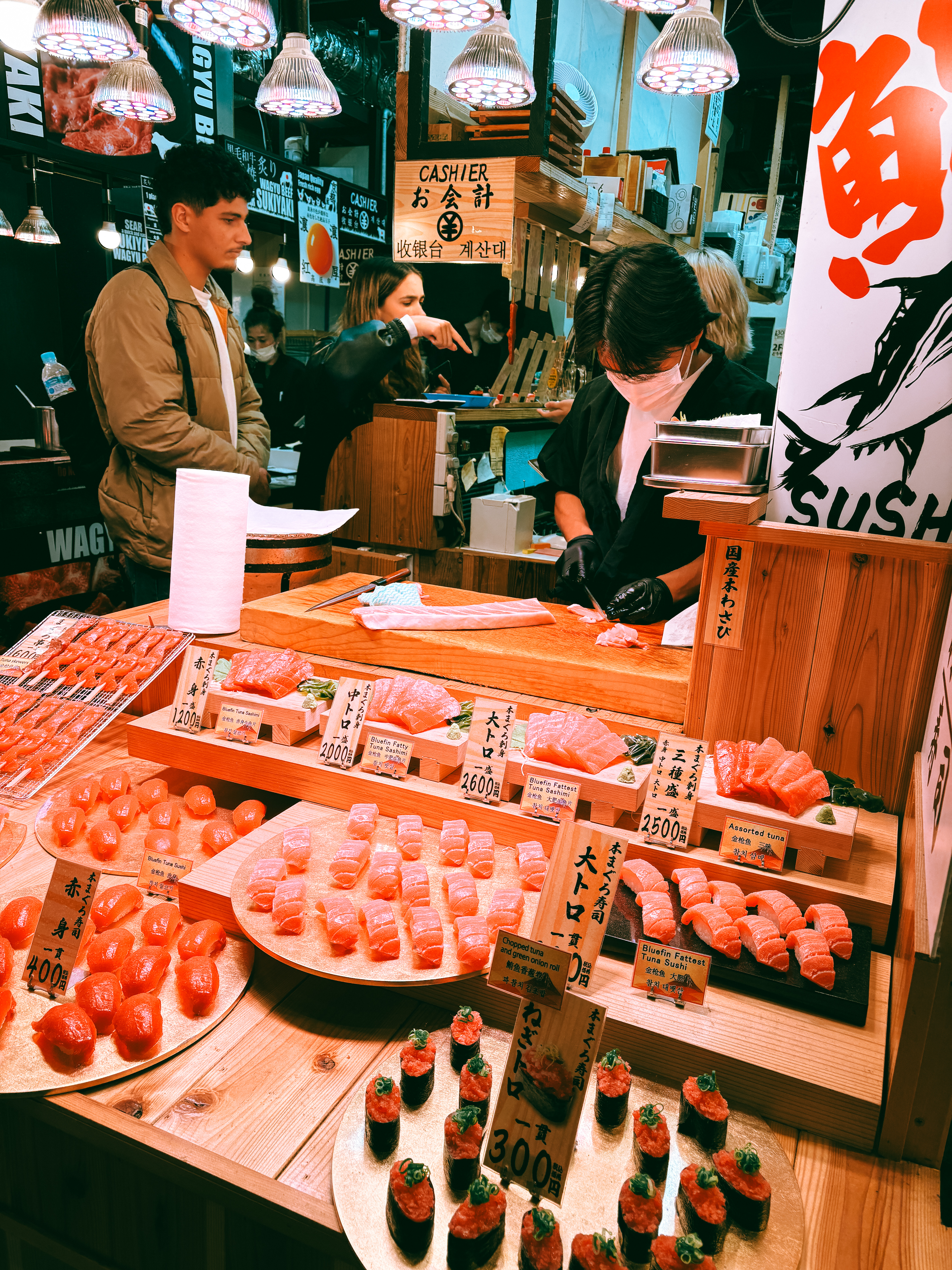
Nishiki Market is one of the best stops for discovering the city's gastronomic side.
This is a long shopping arcade known for its food stalls, local products, Japanese pickles, fish, sweets and specialities to sample while strolling. Watch the Reel here!
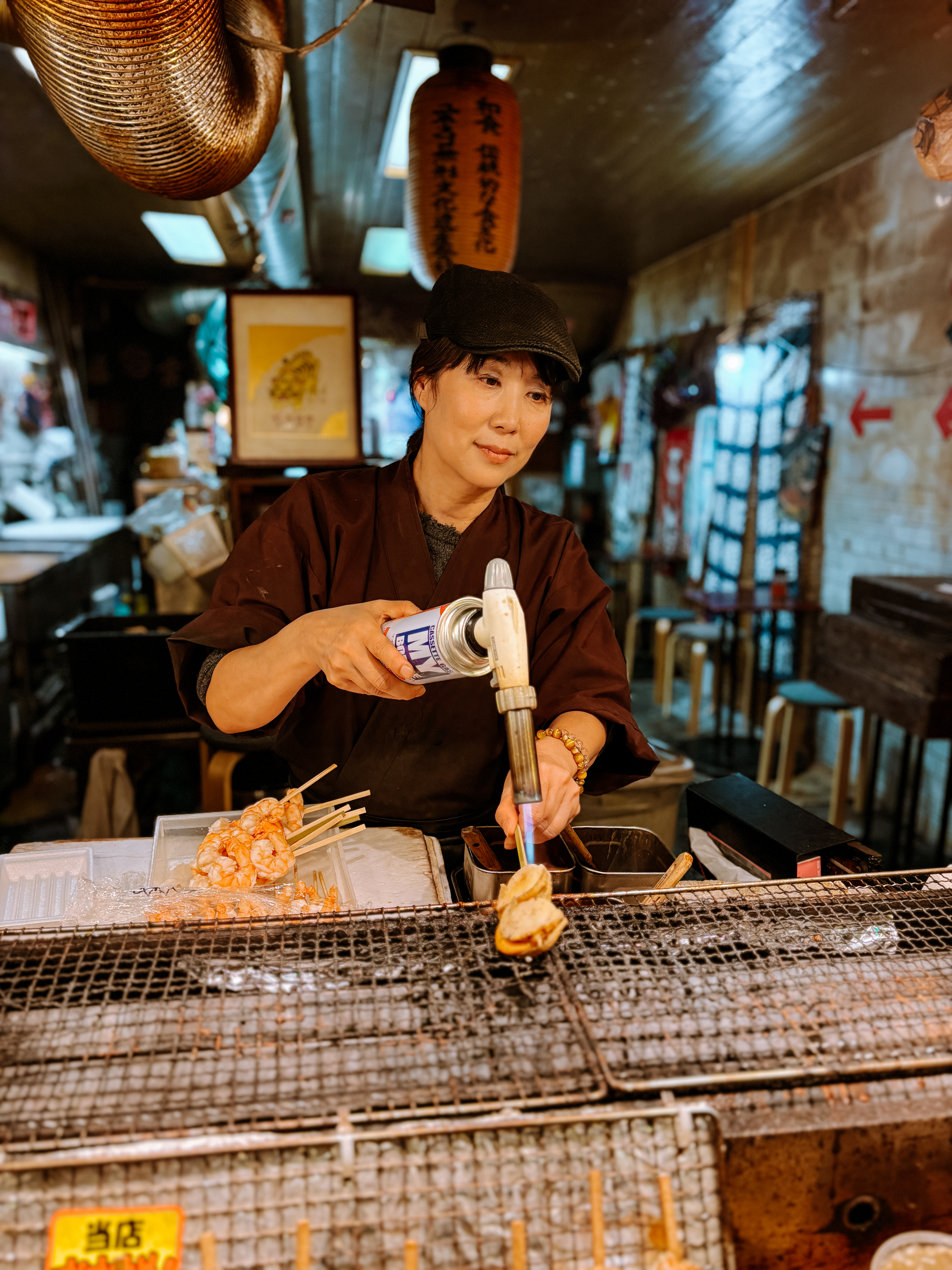
Opening hours: many businesses open roughly between 9:00 and 10:00 and close in the late afternoon; hours vary from shop to shop.
Price: free entry; you pay for what you buy.
Recommended time: 1–2 hours.
Before buying, take a walk around the market and compare the offers. Some products are mainly meant to be eaten on the spot, while others can be bought as food souvenirs.
Remember to follow the vendors' instructions on eating their food and not to eat while walking where you are asked to stop in designated areas.
Pontocho: the perfect alley for the evening
Pontocho is a narrow traditional street running alongside the Kamo River, in central Kyoto.
It is known for its restaurants, small venues and the atmosphere that builds in the evening, when the signs and lights illuminate the traditional buildings.
Here you can find very different options, from casual venues to restaurants specialising in Japanese cuisine, including those with more refined menus.
Opening hours: the street is freely accessible; each venue follows its own hours.
Price: free to walk; the cost of dinner varies according to the restaurant.
Suggested time: 30-60 minutes for a walk, plus the time spent at dinner.
It is an area to keep in mind for an evening in Kyoto, especially if you want to round off the day with a traditional dinner.
Daigo-ji: a temple complex to discover
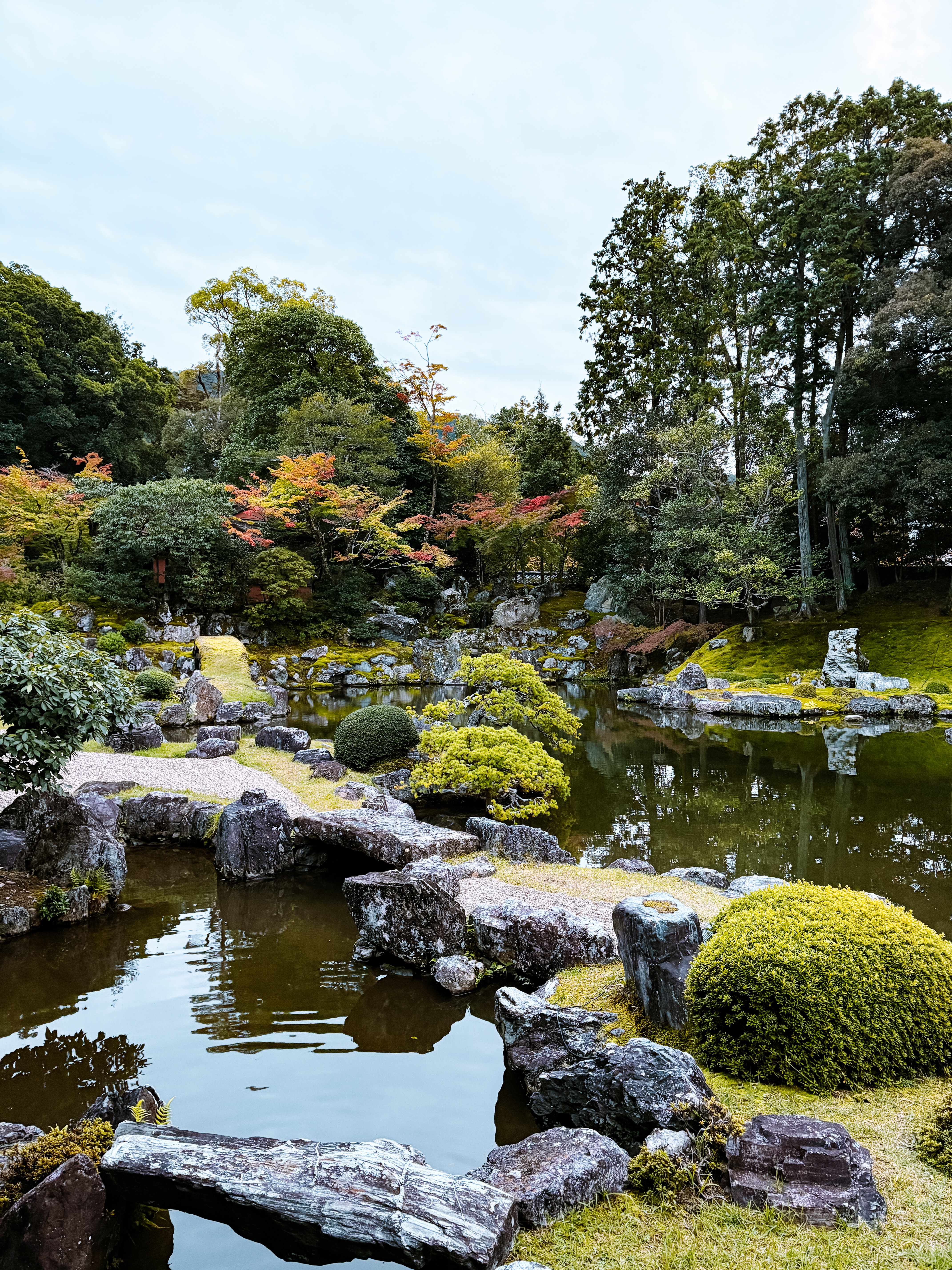
Daigo-ji is an important Buddhist complex located in the south-eastern part of Kyoto, known for its history, its religious buildings and its gardens.
The complex is particularly interesting during autumn foliage, when the trees take on shades of red and gold.
Bear in mind that the area comprises several sections and that some may require separate tickets. Before planning your visit, check which parts are open and which are included in the fee.
Approximate opening hours: generally 9:00–17:00, with possible seasonal variations.
Price: varies depending on the areas visited; check the current rates.
Recommended time: 1–2 hours, or longer if you want to explore the complex at your leisure.
It is a stop to consider according to the time you have available and the position of the other attractions you want to visit on the same day.
Daruma and the wishes to be fulfilled
Have you ever seen those round, red dolls without pupils? They are called daruma and are Japanese charms associated with perseverance and achieving one's goals. Watch the Reel!
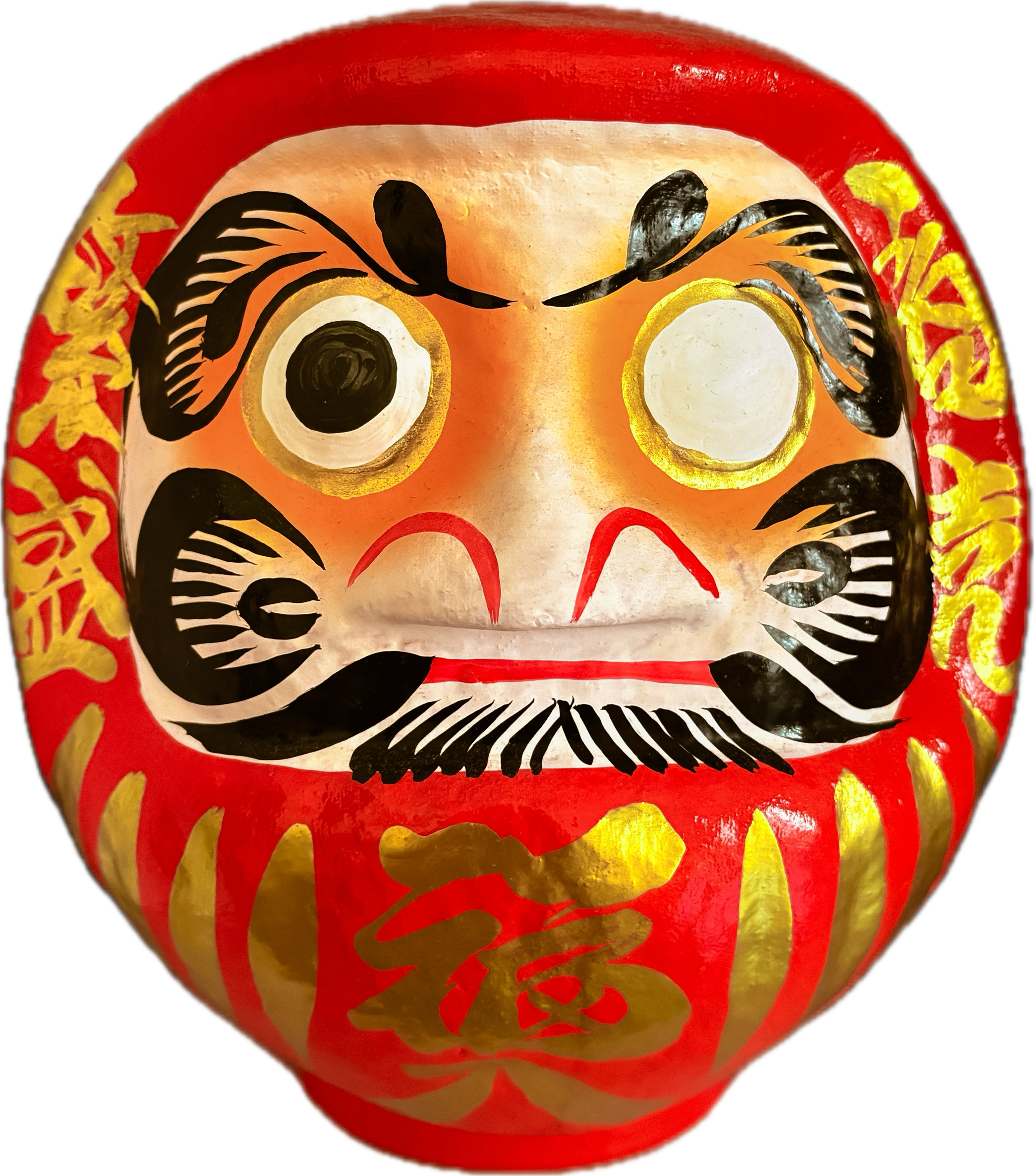
Tradition has it that you paint in one eye when making a wish or setting a goal, and the second when it has been achieved. Their rounded body symbolises the ability to get back up after a fall: a nod to the Japanese proverb 'Fall seven times, stand up eight'.
These are not mere decorations: they are a little reminder not to give up in the face of difficulties!
Red is the most traditional colour, but daruma come in various colours, each associated with different meanings and wishes.
Experiences to try in Kyoto
Tea ceremony and kimono: an experience of Japanese tradition
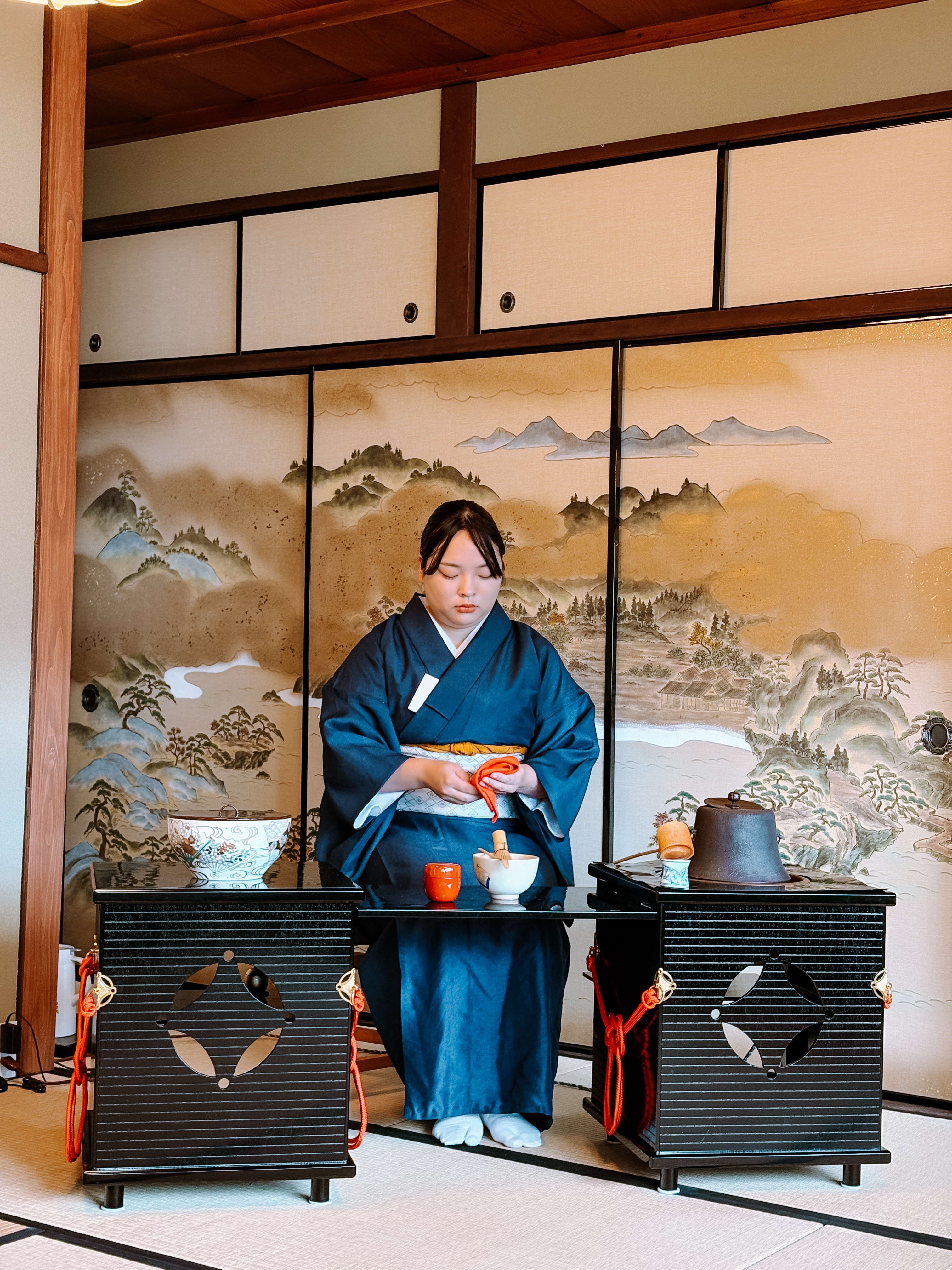
One of the most interesting experiences to have in Kyoto is taking part in a tea ceremony.
This traditional practice is not simply about drinking a cup of tea: it is a ritual in which gestures, preparation, hospitality and attention to detail take on a particular meaning.
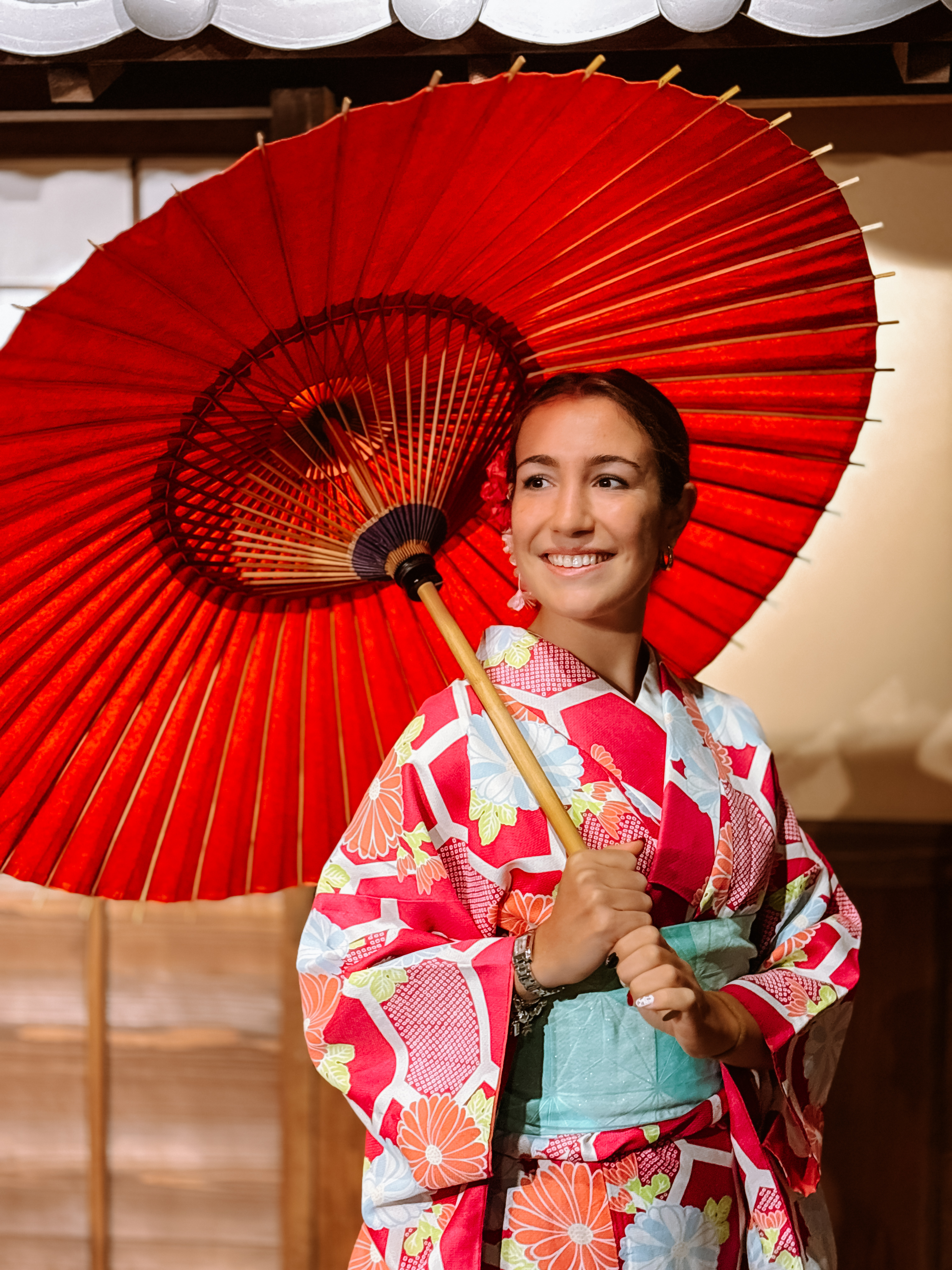
In Kyoto you can find several activities that let you get closer to this tradition, some of which also include the chance to wear a kimono.
It is an opportunity to get to know an aspect of Japanese culture more closely and to experience something different from the classic tourist visit.
Samurai and ninja: discovering traditional arts
If you want to alternate temples and shrines with something more interactive, you might consider a visit to a museum dedicated to samurai and ninja.

Some experiences offer explanations of the history of the Japanese warriors, demonstrations and hands-on activities that help you learn more about these figures who have become famous around the world.
This is an interesting option even if you are travelling as a couple and want to include an activity in your itinerary that is different from traditional cultural visits.
Before booking, check which activities are included in the ticket and whether interactive sessions are scheduled.
Free walking tour of Kyoto city
Discover Kyoto on a free tour, strolling through its historic streets, temples and most characteristic corners, accompanied by a guide who will tell you about the city's history, traditions and curiosities. A perfect way to begin exploring Japan's ancient capital and find your way around its many wonders.
Ideal as a first experience in Kyoto, to get to know the city better and discover details you might miss when visiting on your own.
What to eat in Kyoto
Kyoto's cuisine is closely linked to the city's history, Buddhist tradition and tea culture.
Alongside dishes known across Japan, you will find local specialities worth discovering, from tofu-based preparations to traditional sweets.
Here you will find the post about foods to try in Japan and the Reel about strange foods
Konbini, such as 7-Eleven, Lawson and FamilyMart, are a constant presence in everyday Japanese life. As well as snacks and drinks, you can find ready meals, sweets, everyday products and various services. They are also a valuable resource for those travelling on a limited budget who want something quick to eat without going to a restaurant.
1. Yudofu and tofu: the tradition of vegetarian cuisine
Tofu is one of the most representative ingredients of Kyoto cuisine, where it is used in numerous preparations.
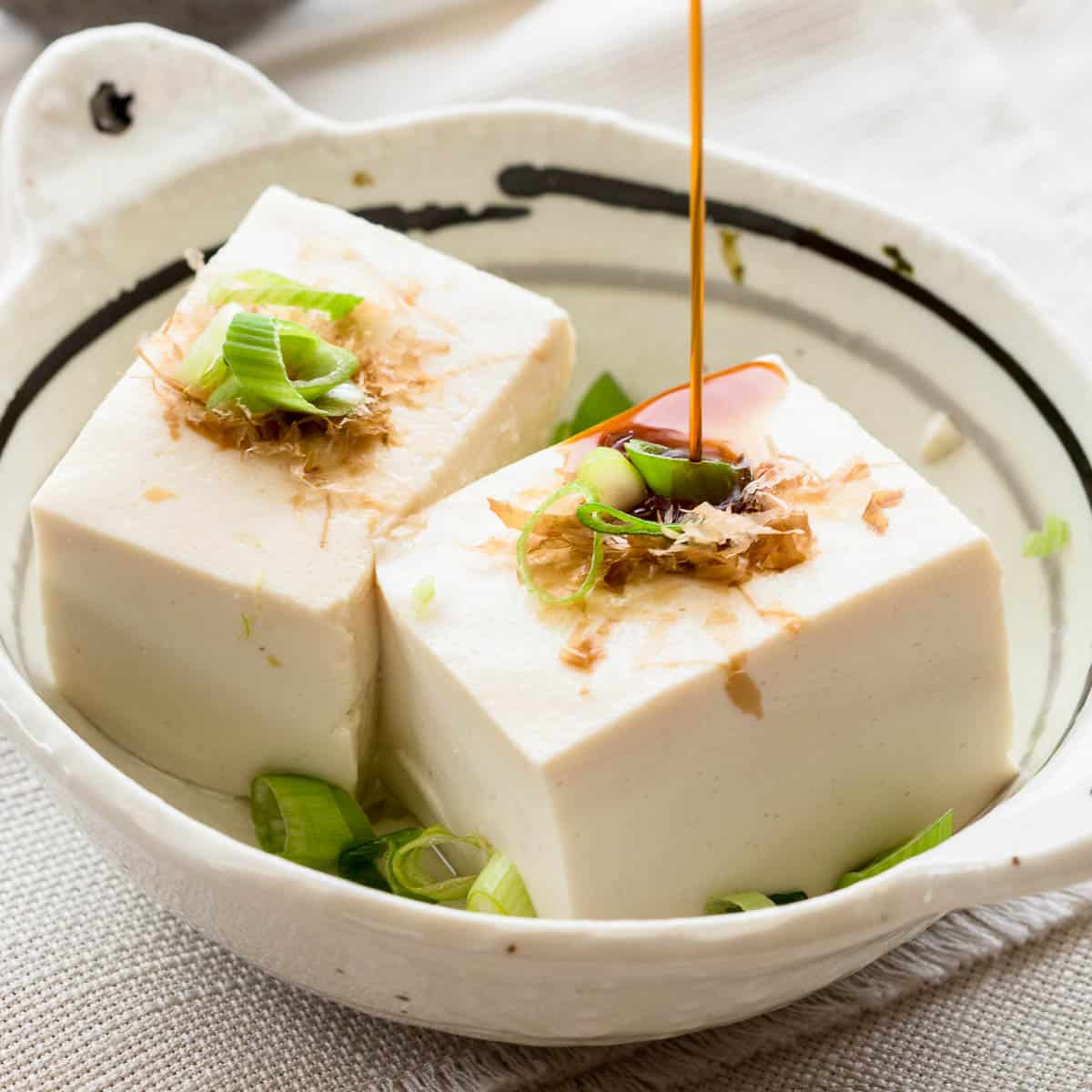
Among these is yudofu, a simple dish in which tofu is warmed in a light broth and served with condiments and sauces.
Its spread is also linked to the culinary tradition of Buddhist temples, in which vegetable-based preparations play an important role.
 Where to try it: in traditional restaurants specialising in local cuisine, especially in the areas near the temples.
2. Yuba: the most delicate part of the soy
Yuba is a film that forms on the surface of soy milk as it is heated.
It is used in several Japanese dishes and can be served fresh, cooked, or accompanied by rice and other ingredients.
This is a speciality worth trying if you want to discover a side of the local gastronomy that is less well known than ramen and sushi.
Where to try it: in restaurants specialising in traditional Kyoto cuisine.
3. Kaiseki: refined Japanese cuisine
Kaiseki is a form of traditional Japanese haute cuisine based on a sequence of small courses, prepared with close attention to seasonality, colour and presentation.
The menu changes with the season and may include vegetables, fish, tofu, soups and other delicate preparations.
In Kyoto this tradition is particularly deep-rooted and offers an interesting way to get closer to the local gastronomic culture.
Where to try it: in restaurants specialising in kaiseki cuisine. Prices can be high, so check the menu before booking.
4. Matcha: Japan's most famous green tea
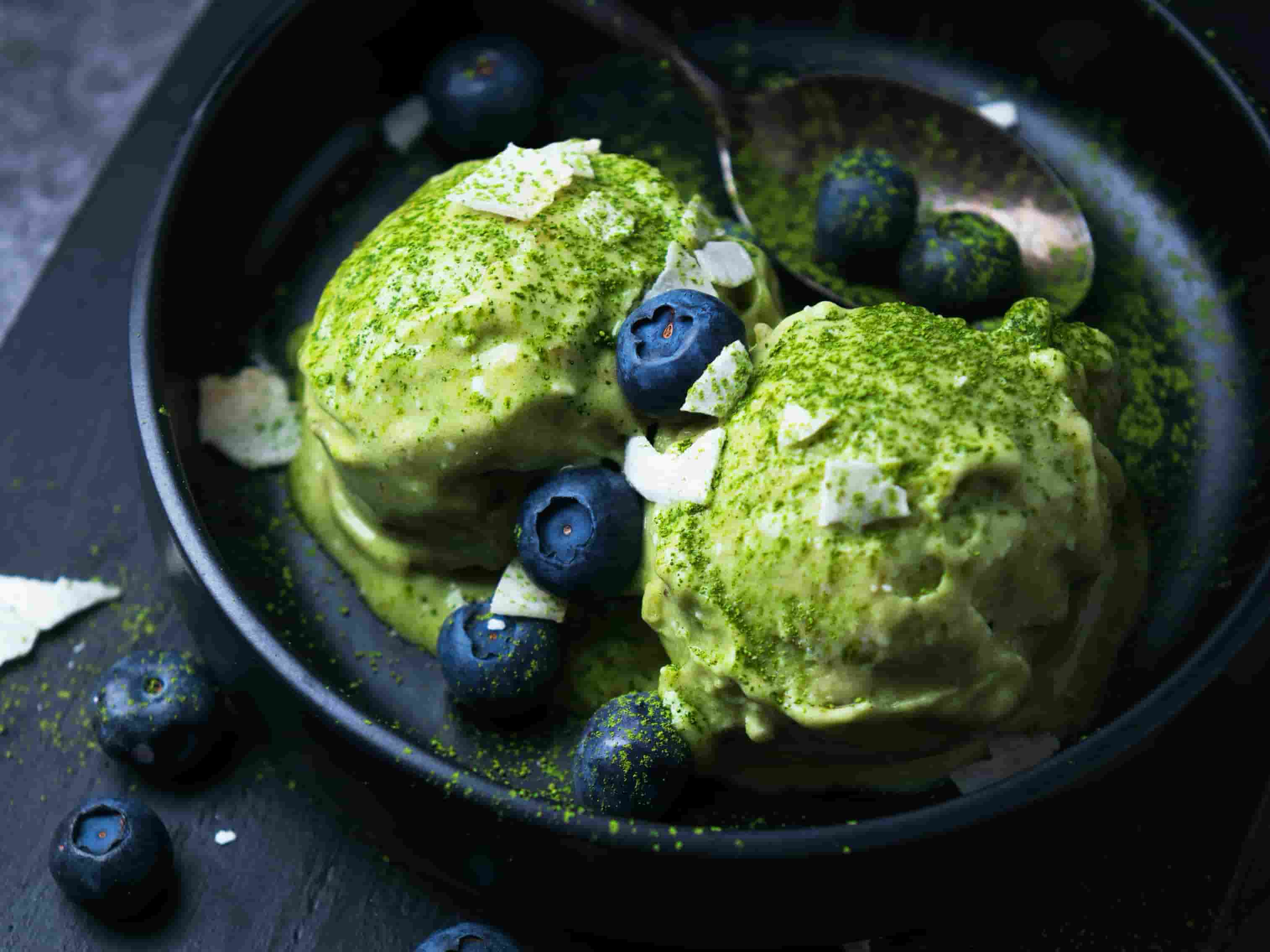
Matcha is a very fine powder made from green tea leaves, used in the traditional tea ceremony and in many sweet preparations.
In Kyoto you can try it in its traditional form, but also as ice cream, latte, tiramisu and other desserts.
If you enjoy distinctive flavours, it is worth tasting matcha in its various forms, bearing in mind that its taste can be intense and slightly bitter.
Where to try it: in the tea houses and traditional patisseries of Gion and the other tourist areas.
5. Wagyu and Kobe: Japan's prized beef
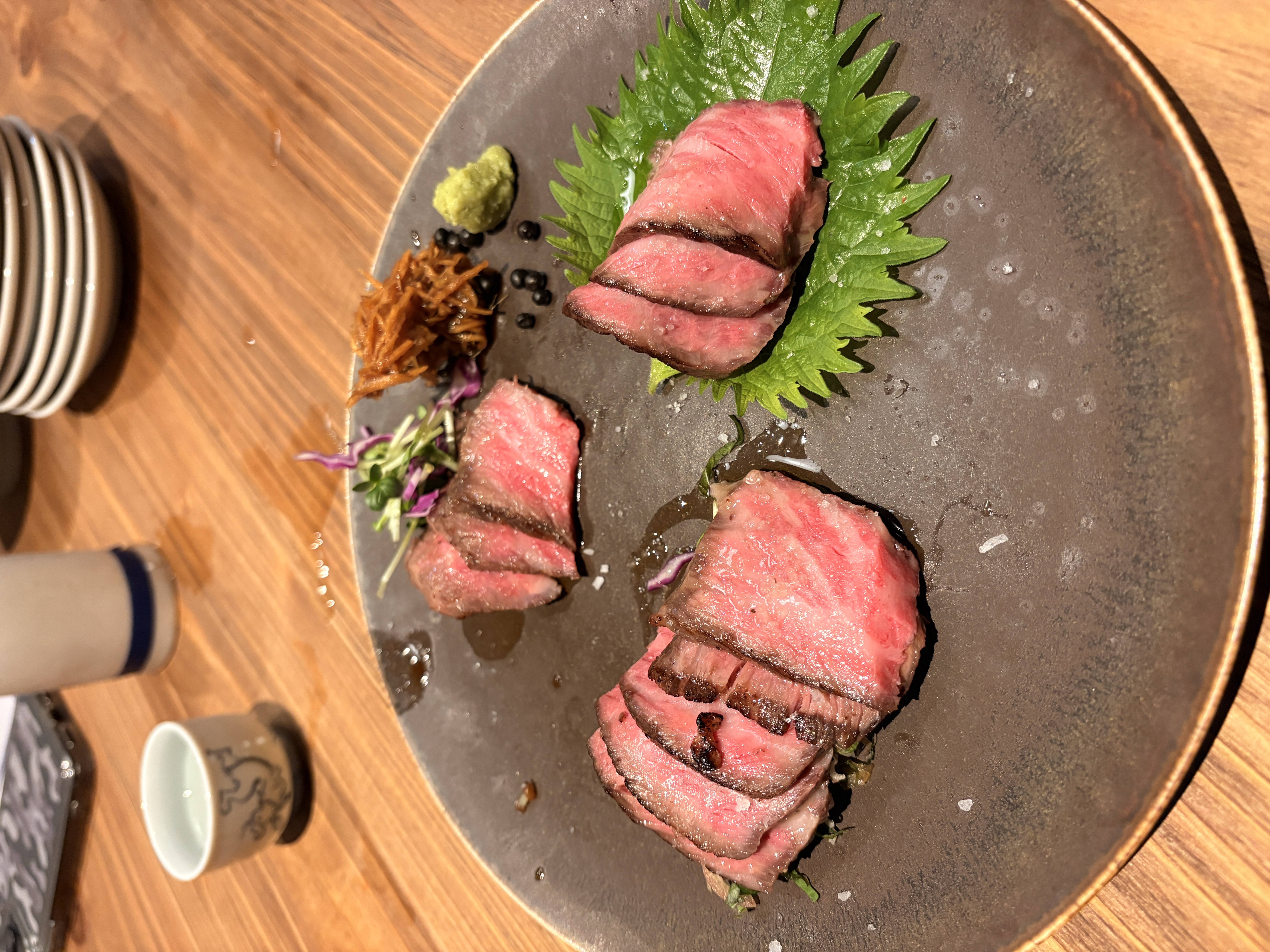
Wagyu is a prized Japanese beef, known for its marbling and tenderness, and it can be quite expensive. Kobe beef is a specific variety of wagyu, from Hyōgo Prefecture and subject to strict selection criteria. In short: all Kobe is wagyu, but not all wagyu is Kobe. To try it, it's best to choose a specialist restaurant and check that they really serve it: don't make the same mistake I did!
6. Mochi and Dango: traditional Japanese sweets
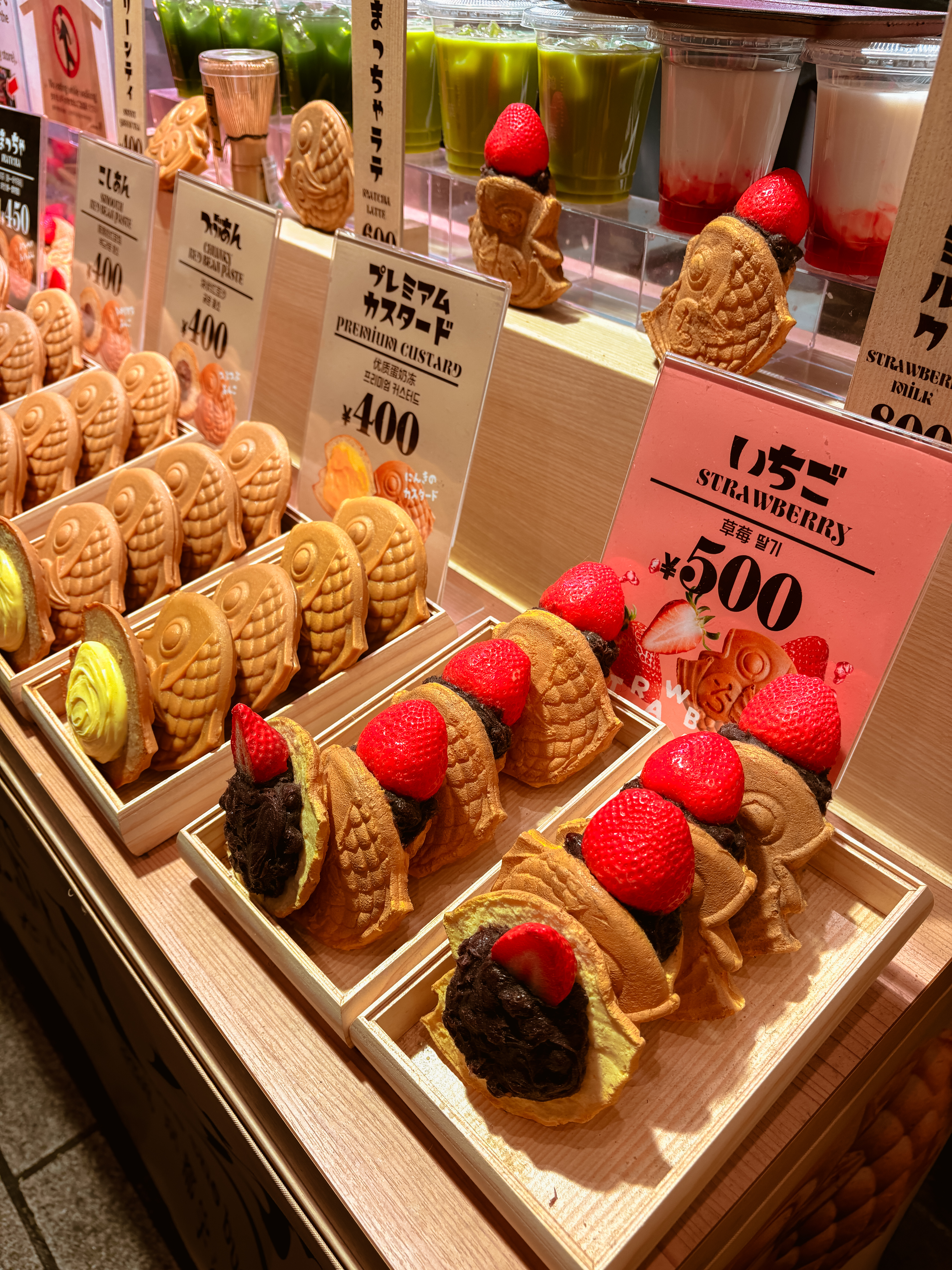
Known as wagashi, that is, traditional Japanese sweets, they are often made with ingredients such as sweet red bean paste, rice and rice flour.
They can come in different shapes and colours, sometimes inspired by nature and the seasons.
They are often served with tea and represent an important part of Japanese gastronomic culture.
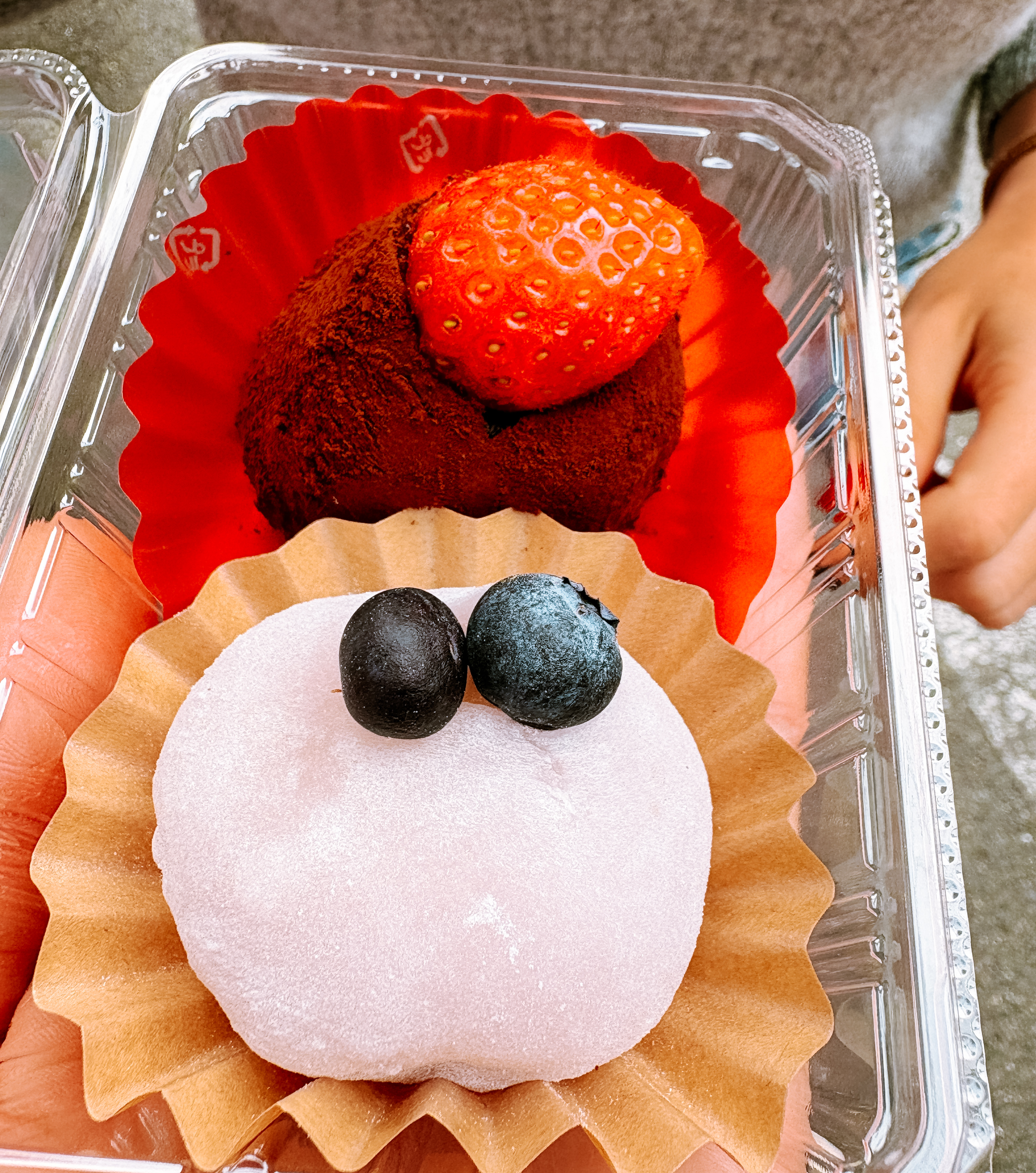
Mochi can be filled with ice cream and can have unusual flavours, such as matcha, mango or black sesame. These are modern variations: traditional mochi often have more classic fillings or toppings, such as sweet red bean paste.
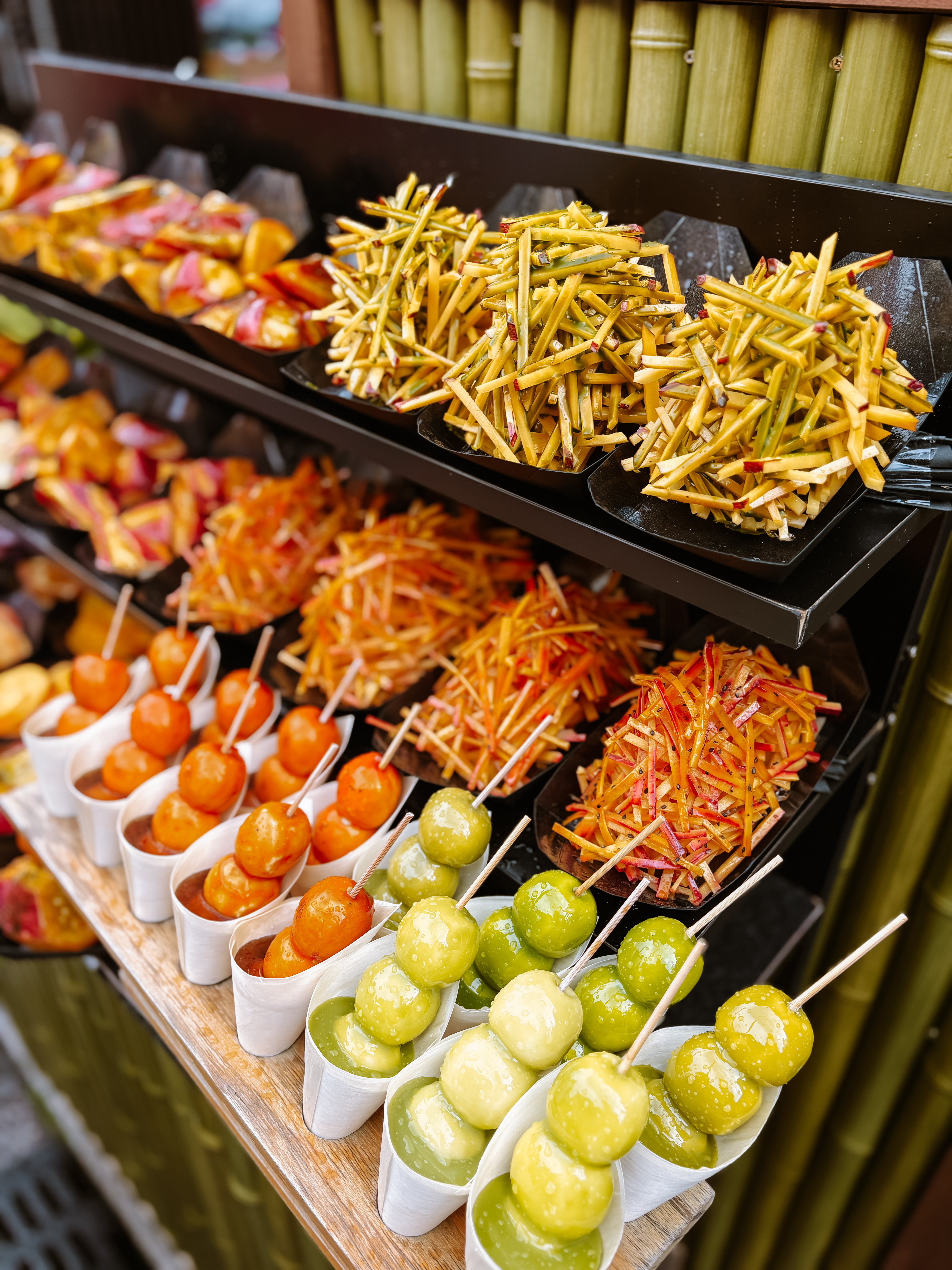
Dango are Japanese rice dumplings, soft and slightly chewy, often served threaded on a skewer. They come in several varieties, with toppings such as sweet soy sauce, red bean paste or toasted soybean powder.
Where to try them: in traditional patisseries and tea rooms in Kyoto.
If you want to try a simple experience rooted in local tradition, order a cup of matcha tea accompanied by a Japanese sweet. It is a pleasant way to treat yourself to a break while exploring the city.
Where to eat in Kyoto
Ramen, gyoza and casual cuisine
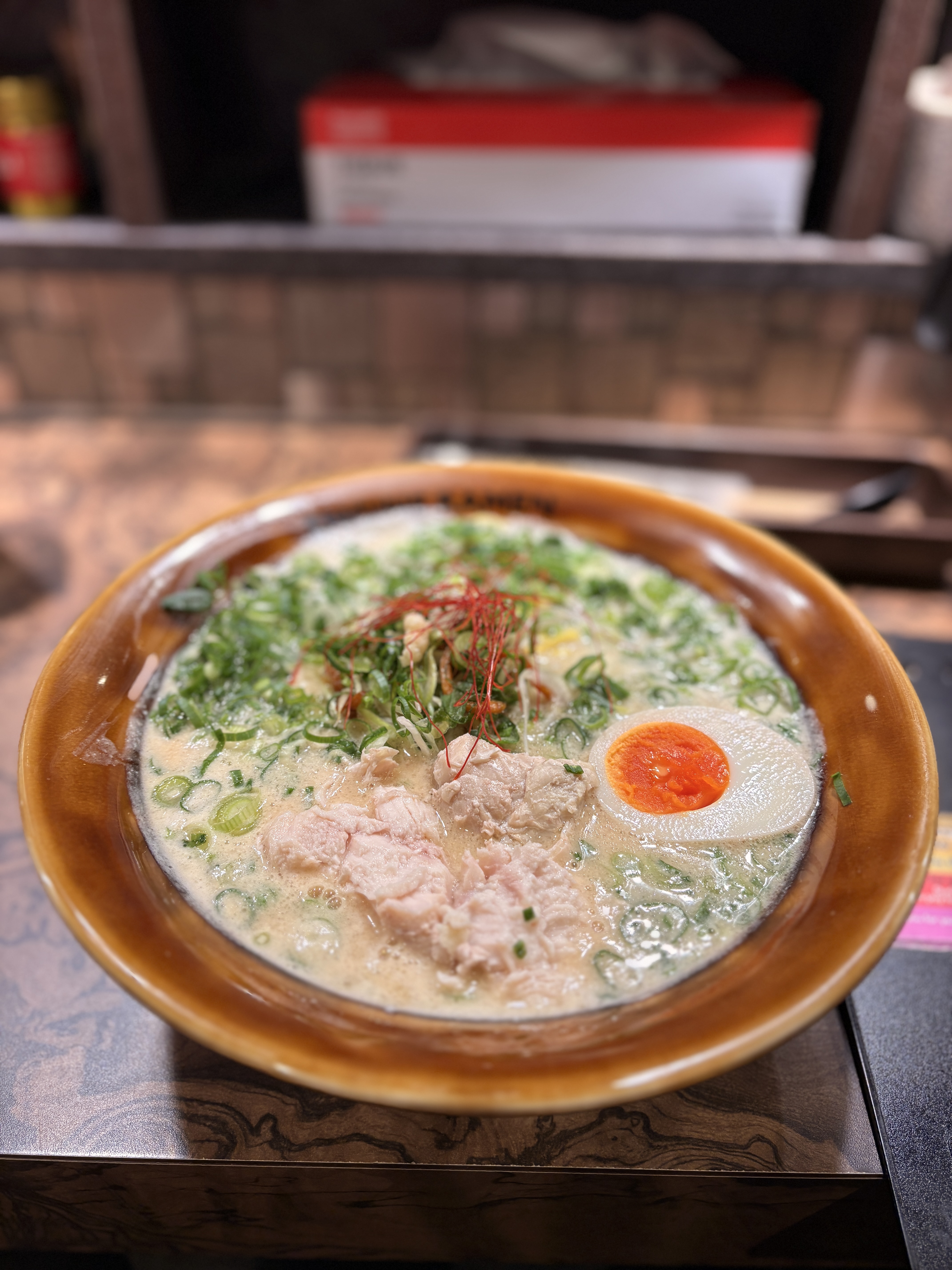
 Kyoto Engine Ramen € / €€
- Chao Chao Gyoza € / €€
- Ramen Sen-no-Kaze € / €€
Tonkatsu and Japanese cuisine
- Katsukura: €€ a chain specialising in tonkatsu, the Japanese-style breaded pork cutlet. It can be a good choice if you want to try a classic dish of the local cuisine.
- Izuju: €€ located in the area of Yasaka Shrine, known for Kyoto-style sushi. An interesting option for discovering a sushi tradition different from the more widespread version found in international restaurants.
- Matsusakagyu WHAT'S: €€ for trying grilled wagyu (yakiniku), in a traditional machiya; they offer Matsusaka beef and several cuts.
Traditional cuisine and refined restaurants
- Dinner in a traditional ryotei: €€€ a ryotei is a traditional restaurant offering a particularly refined dining experience, often in historic settings and with seasonal menus. Some serve kaiseki cuisine, made up of several courses.
Matcha, sweets and indulgent breaks
- Gion Tsujiri: € / €€ a place worth considering for desserts and drinks made with matcha, Japanese powdered green tea.
- Kagizen Yoshifusa: € / €€ a long-established Gion business linked to the tradition of wagashi, traditional Japanese sweets.
- Tea and Sake Tasuki, at Shinpuhkan: € / €€ worth considering for a break devoted to tea and desserts after a day spent exploring the city.
- CHASEN: € / €€ a patisserie worth considering if you want to try unusual Japanese desserts. Check the location and the menu before adding it to your itinerary.
Where to stay in Kyoto
The choice of area in which to stay in Kyoto depends above all on how you want to organise your trip.
If you have only a few days at your disposal, I recommend choosing a location that is convenient for getting around, so as to reduce the time spent on public transport.
Miro Kyoto Nijo Hotel
Area: Nakagyō-ku district, in the Nijō area
You have the station nearby and can easily reach the main attractions by public transport.
Price: around €85.50 per night
Booking: Booking.com
Travelling from Stirati: Kyoto for free and on a budget
Visiting Kyoto does not necessarily mean spending a fortune! Many of the city's most atmospheric places can be explored for free, from the historic streets to the shrines, through the traditional districts.
Here are some tips for discovering Kyoto without missing out on the most interesting experiences.

What free activity in Kyoto
Walking among the torii of Fushimi Inari
Access to the shrine is free, and you can choose how far to walk along the mountain paths. Even without reaching the summit, you can walk through the famous torii and admire one of the most iconic places in Japan.
Exploring Gion and its traditional lanes
Gion, Sannenzaka and Ninenzaka are perfect for a stroll among historic buildings, shops and traditional scenes. You can enjoy the atmosphere of the district without buying entry tickets.
Visiting Yasaka Shrine
The shrine is a free stop that you can easily combine with a stroll around Gion. In the evening, the lanterns help create a particularly atmospheric setting.
Walking through the Arashiyama bamboo forest
The public path through the forest is free and lets you discover one of Kyoto's best-known landscapes. To enjoy it more peacefully, try to arrive early in the morning.
Discovering Nishiki Market
Walking through the market is free and is an interesting way to observe local ingredients, products and food habits. Of course, tastings and purchases are charged.
Where to eat in Kyoto for less
To keep the budget under control, you can alternate restaurants with small places specialising in ramen, gyoza, udon and other Japanese dishes.
The Nishiki Market can be an opportunity to sample local produce, while casual restaurants are often a good solution for a quick lunch between visits.
If you want to try the most refined traditional cuisine, bear in mind that experiences such as kaiseki or a dinner in a ryotei can cost considerably more.
Affordable sushi
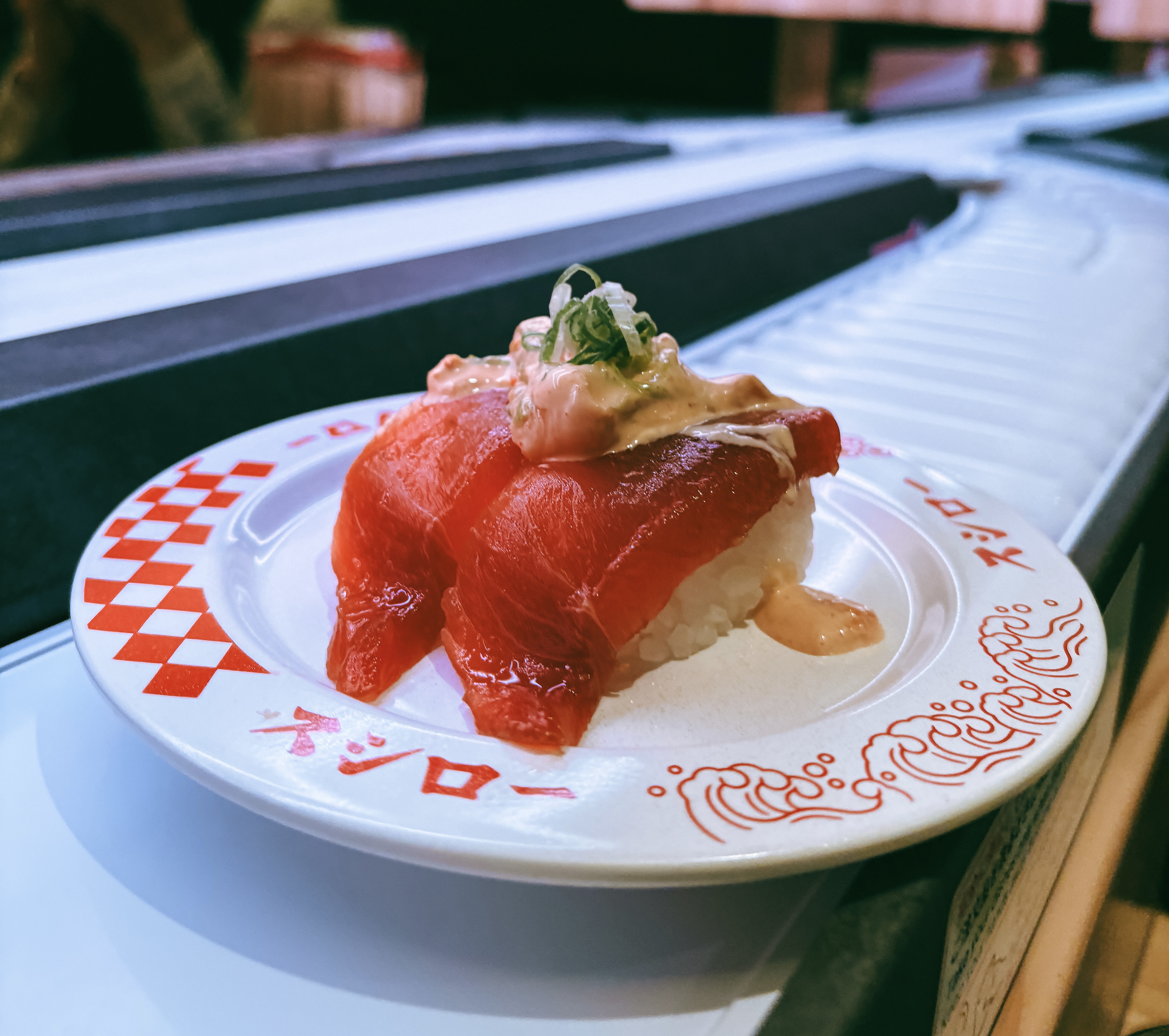
Sushiro: one of the best-known conveyor-belt sushi chains in Japan, and my favourite!
Kura Sushi: another option for trying different kinds of sushi without necessarily choosing a high-end restaurant.
My tip for saving money still
Do not underestimate Japanese konbini! Chains such as 7-Eleven, Lawson and FamilyMart are perfect for saving money during your trip.
For breakfast you can find brioche, pancakes, sweet treats and yoghurt, to be accompanied by a takeaway coffee or cappuccino, perfect to sip while heading to the first stop of the day.
For lunch, try onigiri, the famous stuffed rice balls, or choose a bento, a Japanese sandwich or a ready meal. There are plenty of alternatives to take away and eat during a break.
For an afternoon snack you can indulge in sweet treats, ice cream and unusual drinks.
One more tip? If you prefer to eat out, look for small places specialising in ramen, soba and udon: they are often an excellent solution for a quick and inexpensive meal.
In short, by alternating between konbini and restaurants you can taste many different things without spending a fortune!
Watch this Reel about Japanese konbini!
Have you ever wondered why there are so few bins in Japan...?
In Japan you will notice something curious: there are very few bins on the streets, yet the cities are spotlessly clean. How do people manage their rubbish? The answer is not so obvious...
Travel creator from Bologna. I don't iron, but I am ironed: I tell stories of fantastic trips, write free itineraries and always look for the low-cost solution 💸
Keep travelling
Two-week Japan itinerary
Hiroshima: memory and renewal
Osaka: my favourite city!
Two-week Japan itinerary
Hiroshima: memory and renewal
Osaka: my favourite city!
Comments from the Stirati
No comments yet. Start the conversation.