
Rio de Janeiro in a week: what to see and do
Start here
Hello Stirati! Rio de Janeiro is an incredible city full of contrasts: it offers beaches, spectacular views and neighbourhoods full of life. In a week you can alternate the most famous attractions with authentic and less well-known experiences. I was there during Carnival, but in this article I will focus on what to see in the city.
If you want to find out what my experience of Carnival in Rio was like, read my dedicated article!

Before you leave
 How many days you need: 6–7 days for a fairly complete first visit
 Currency: Brazilian real (BRL)
 Documents and entry: If you are travelling on an Italian passport for tourism, you need a passport valid for at least six months beyond your arrival date. For tourist stays of up to 90 days within a 180-day period, no visa is required. Brazilian authorities also require a return or onward ticket.
 How to pay: a physical card is accepted almost everywhere (I always use Revolut). Always check the amount before you pay!
StiraTip — Carry a little cash with you
Carry a small amount of reais with you, preferably in small-denomination notes, kept separately from the rest of your money. It can come in handy for everyday expenses and, in the event of a robbery, can be handed over without resistance. Avoid showing cash or carrying large sums.
 Getting around: the metro is very convenient and you can pay with your phone. Download Uber to get around over longer distances or when you don't feel safe
 Internet: to stay connected during your trip, you can use an eSIM. I recommend Holafly: with the code STIRATIINTRIP you get 5% off, or you can buy your eSIM directly from this link with the discount already applied
 Travel insurance: before setting off, consider a policy that covers your travel needs. With Heymondo you can get 10% off through my link.
 Best time to go: Rio can be visited all year round, but spring and autumn are excellent seasons for enjoying the city with milder temperatures. From June to September the climate is generally drier and cooler; from December to March it is hotter, humidity rises and frequent showers are possible. I was there in February, during Carnival: a very lively period, perfect for the blocos, but be prepared for the heat and possible downpours. I was extremely lucky and it never rained in Rio.
 Vaccinations: check the Farnesina website. In general, if you are staying only in Rio de Janeiro, vaccinations against hepatitis A, hepatitis B and typhoid are required. The CDC and the health authorities of the State of Rio recommend the yellow fever vaccine for the city too.
Keep your phone put away while you walk: mobile phones can be snatched even by people on motorbikes. If you need to check a map or take a photo, stop in a busy place and use your phone discreetly. Carry a closed bag, held in front of you, and avoid flashy jewellery and large amounts of cash. At night, do not venture alone into isolated streets or neighbourhoods you don't know: choose busy routes and, if needed, get back by Uber. It once happened to me that a boy tried to snatch my phone by pulling the cord I had around my neck. I reacted on instinct, managed to hold on, and he ran off. Luckily he wasn't armed, but I wouldn't recommend doing the same: if it happens, assess the situation and put your safety first.
What you'll find in this guide
What to see in Rio de Janeiro
An overview of the main attractions, the neighbourhoods to explore and the experiences to plan during your stay. From the most famous beaches and views to the historic sites and characterful neighbourhoods, you will discover the different sides of the city.
What to eat in Rio de Janeiro
The typical dishes, street food and specialities to try, from açaí to tapioca, not forgetting the beach kiosks and the botecos.
Where to stay in Rio de Janeiro
The accommodation I stayed in myself, the areas to consider based on your interests, and advice on where to stay.
Unusual experiences in Rio de Janeiro
The experiences that make the trip special, especially during Carnival. Ideas and personal stories to get to know Rio through its music and everyday life.
A one-week itinerary in Rio de Janeiro
A proposal for reordering, over seven days, the attractions and experiences covered in this guide, taking into account the atmosphere and events of Carnival. Beaches, neighbourhoods, views and visits alternate with blocos and evenings of celebration, so you can discover Rio without missing out on the music and energy of the season.
What to do in Rio de Janeiro

Morro da Urca
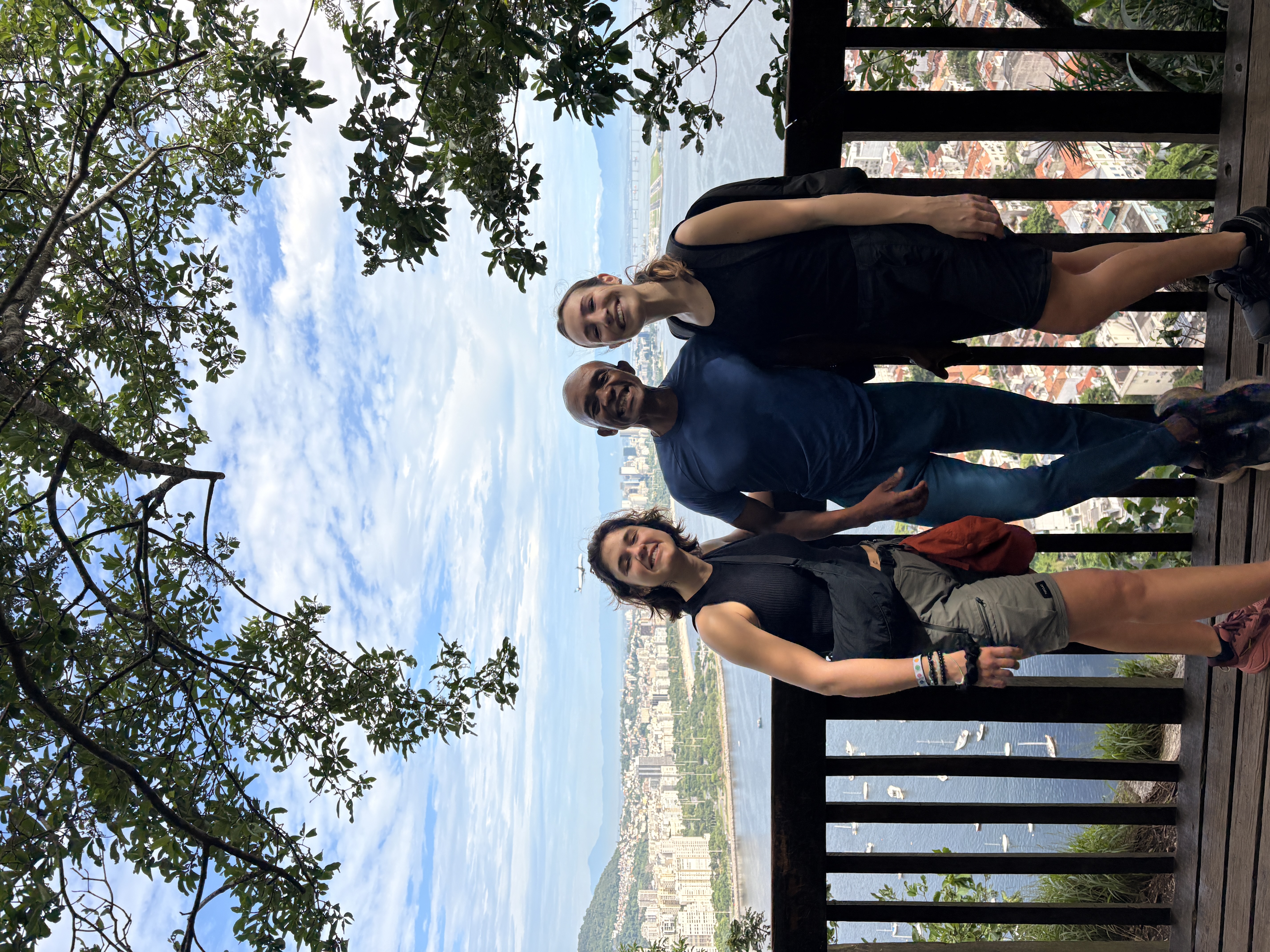
In Rio I met Marcos, a former carioca marathon runner and friend of friends, who for several days accompanied me on my discovery of the city and its most authentic places. With him I walked up to the Morro da Urca: the trek starts from the Praia Vermelha.
Price: free if you do it on your own, otherwise there are also guided tours
Estimated time: 40 minutes / 1 hour
Sugarloaf Mountain

From there we took the cable car to reach the viewpoint at Pão de Açúcar. In hindsight, for me the extra cost and time weren't worth it: the view from Morro da Urca was already spectacular. If you want to keep costs down, you can stop there and enjoy the panorama without buying a cable car ticket.
Cable car times: Monday–Friday: 8:30–21:00 / Saturday and Sunday: 7:30–21:00 / Last ascent: 19:30
Price: full price 140 reais; concession 70 reais
Estimated total time: about 2–3 hours, including the climb, the descent and panoramic stops.
Pão de Açúcar, 396 metres high, takes its name from the shape of the old conical sugar moulds. The rock is around 560 million years old, and the cable car, opened between 1912 and 1913, was the first in Brazil and the third in the world. The mountain is part of Rio's landscape, which is protected by UNESCO.
Stiriosity –– Brazil's first cable car
The project was conceived by the Brazilian engineer Augusto Ferreira Ramos. More than 400 workers were involved in building the cable car, many of whom climbed the morros to carry materials up to the heights. The first section, from Praia Vermelha to Morro da Urca, opened on 27 October 1912; the link to Pão de Açúcar opened on 18 January 1913. The Bondinho was Brazil's first cable car and the third in the world. Its popular name recalls the trams that ran through Rio at the time.
Favela Santa Marta

Favela Santa Marta is in Botafogo, on the slopes of Morro Dona Marta. The two names refer to different things: Dona Marta is the name of the hill, while Santa Marta is the name of the community. Residents feel this distinction strongly, so calling the community Favela Santa Marta is a small gesture of respect.
Le prime case sorsero tra gli anni Venti e Trenta. Secondo una ricostruzione, alcuni lavoratori impegnati nella costruzione del Colégio Santo Inácio poterono stabilirsi sul terreno dei gesuiti; in seguito la comunità crebbe anche con l’arrivo di famiglie migranti. Negli anni Sessanta, mentre alcune favelas vicine venivano demolite, Santa Marta rimase al suo posto. I residenti hanno costruito nel tempo forme di organizzazione e sostegno collettivo: tra queste, il gruppo ECO, fondato negli anni Settanta e attivo attraverso cultura, giornalismo e teatro.
In 2008 Santa Marta was the first community in Rio to receive a UPP, a police unit under the programme known as “pacification”. That same year the plano inclinado was also opened, an inclined funicular that helps people go up and down the slope: it is a means of daily transport as well as part of the tourist experience. Being described as “pacified”, however, does not guarantee that the situation is always calm or free of risk.
International fame came in 1996, when Michael Jackson and director Spike Lee filmed scenes there for the video They Don’t Care About Us. The "laje do Michael", with the singer's statue, is one of the best-known stops. You can also see the square and the colourful houses of the Favela Painting project, along with glimpses of Christ the Redeemer, the bay and Pão de Açúcar.
How to organise a tour
One option is to book directly with a local guide, as I did: the website of Favela Santa Marta Tour offers walking tours led by local people, with stops that can include the funicular, the viewpoint, the Michael Jackson statue and local projects or activities. You can send an enquiry through the site; ask in advance about price, duration, language, route and meeting point, as these may vary.
The Italian Foreign Ministry's Viaggiare Sicuri advises that visiting a favela can be very dangerous, even with a guide and in an area defined as "pacified". I had no problems and found the visit very interesting, but the context is different from ours: you may encounter armed people or come across drug-trafficking activity. Always follow your guide's instructions, stay with the group and keep your phone put away: only use it when you're told you can. Don't improvise and don't do anything silly.
Mirador Dona Marta
The Mirante Dona Marta is located at about 360 metres, in the Tijuca National Park, and is close to the Santa Marta favela, but not inside it. From here you can see together Christ the Redeemer, the Sugarloaf, Guanabara Bay and the Maracanã. Next to the viewpoint there is a heliport opened in 1991: the inaugural flight lasted 13 minutes and carried 13 passengers. In 1996, during the filming of a Michael Jackson video in the nearby favela, the viewpoint attracted fans and curious onlookers hoping to catch a glimpse from afar.
Price: free

Ipanema
Ipanema is one of Rio's most famous neighbourhoods, overlooking a beach known for its pale sand, the sunset at Arpoador and the numbered lifeguard posts along the shore, such as Posto 9, a historic meeting point for young people and artists. The name became famous around the world thanks to the song Garota de Ipanema, inspired by a girl who walked past the Veloso bar, now called Garota de Ipanema. It's a lovely stop for a stroll, to relax on the beach or to grab a drink. Always remember to keep your backpack and phone well secured.
Arpoador
The Arpoador is the rocky headland that separates Ipanema from Copacabana, famous for its open view of the ocean and the Morro Dois Irmãos. The name recalls the ancient harpooners who, according to local history, hunted whales off the coast. Today the beach is much loved by surfers, while the rock is one of Rio's most atmospheric places to watch the sunset. You can stop on the rocks or stroll along the beach and continue towards Ipanema or Copacabana.

All’Arpoador, quando il sole scompare dietro l’orizzonte, è tradizione applaudirlo. Al tramonto capita che bagnanti e visitatori si uniscano spontaneamente agli applausi: un piccolo rito carioca che rende il momento ancora più speciale. Si racconta che abbia preso piede tra i frequentatori della spiaggia negli anni ’60 e ’70, come modo semplice per celebrare il tramonto e condividere la meraviglia del momento.
Rocinha favela

La Rocinha, tra i quartieri di São Conrado e Gávea, è una delle comunità più grandi e conosciute di Rio. La sua storia documentata risale agli anni Venti: allora era una zona rurale dove alcune famiglie coltivavano frutta e verdura da vendere in città. Il nome Rocinha significa più o meno “piccolo podere”. Oggi è un quartiere molto articolato, con strade commerciali, arte e una vita comunitaria che i tour locali raccontano insieme alle difficoltà quotidiane.
How to organise a tour
I booked the tour with GetYourGuide. From the meeting point we were taken by moped to several viewpoints, before venturing into Rocinha. However, we saw relatively little of the neighbourhood: for safety reasons the route stayed fairly contained. The visit struck me as a bit too touristy.
At the end they took us to a bar and filmed us with their drone: it's an alternative to the famous clip doing the rounds on Instagram. The point is different, but just as beautiful; the most well-known one was packed with people, there were hours of waiting and it cost more. The clip I got cost about €30, so if you don't need the video for work, as I did, I personally wouldn't recommend it. The drone was provided by them: on this tour you weren't allowed to bring your own. In general, flying drones over Rio is not advisable.
From my experience, if you have to choose between Rocinha and Santa Marta, I recommend Santa Marta: the visit seemed to me more complete, authentic and interesting.
 Book the tour with GetYourGuide here
Santa Teresa

Santa Teresa is one of Rio's most characterful neighbourhoods: it climbs the hills above the centre, among cobbled streets, period houses, studios, murals and small cafés. Its atmosphere is different from the lower city and it's worth wandering without rushing: the heart of the neighbourhood is Largo dos Guimarães, from where you can continue on foot past shops and venues.
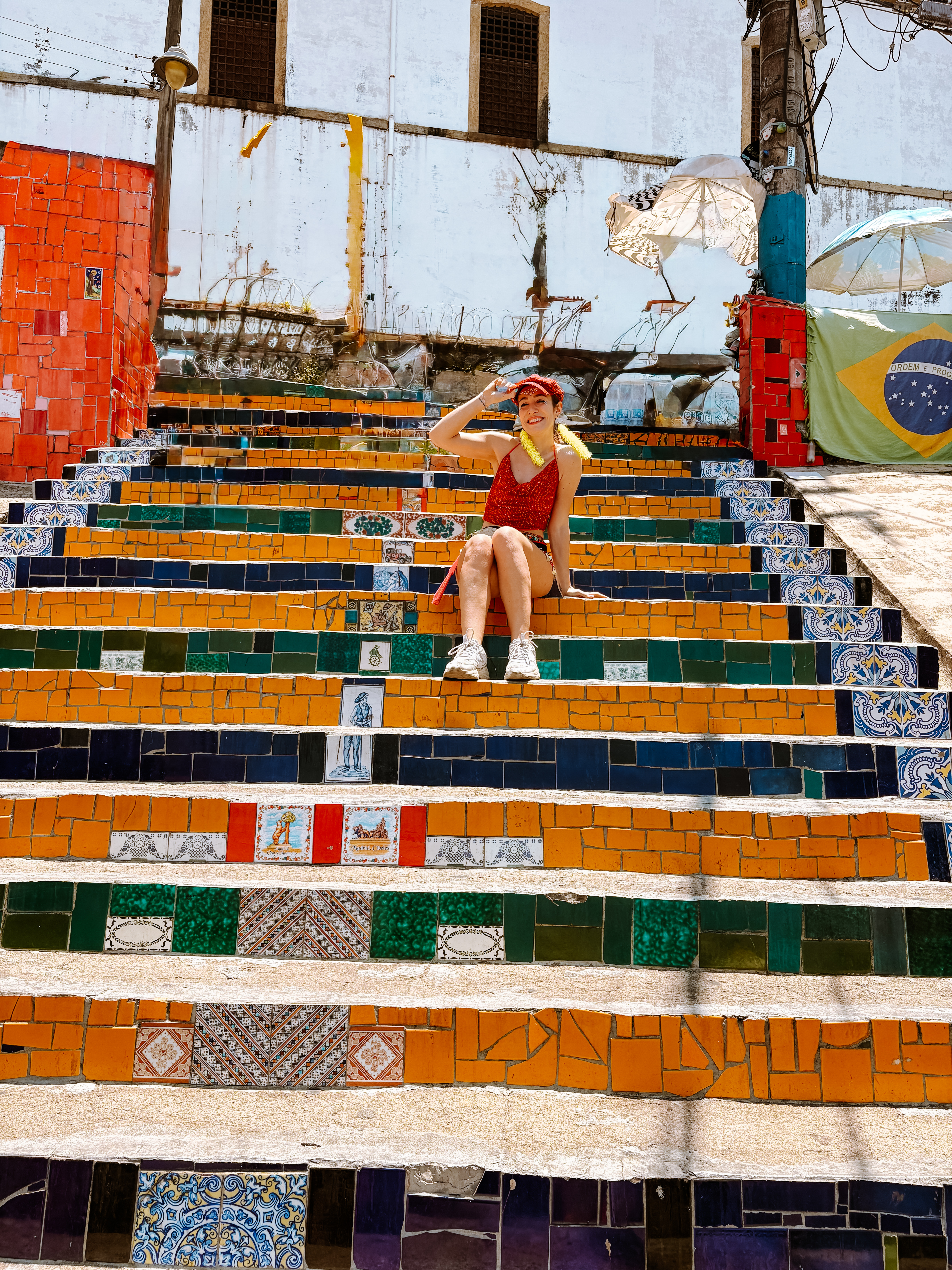
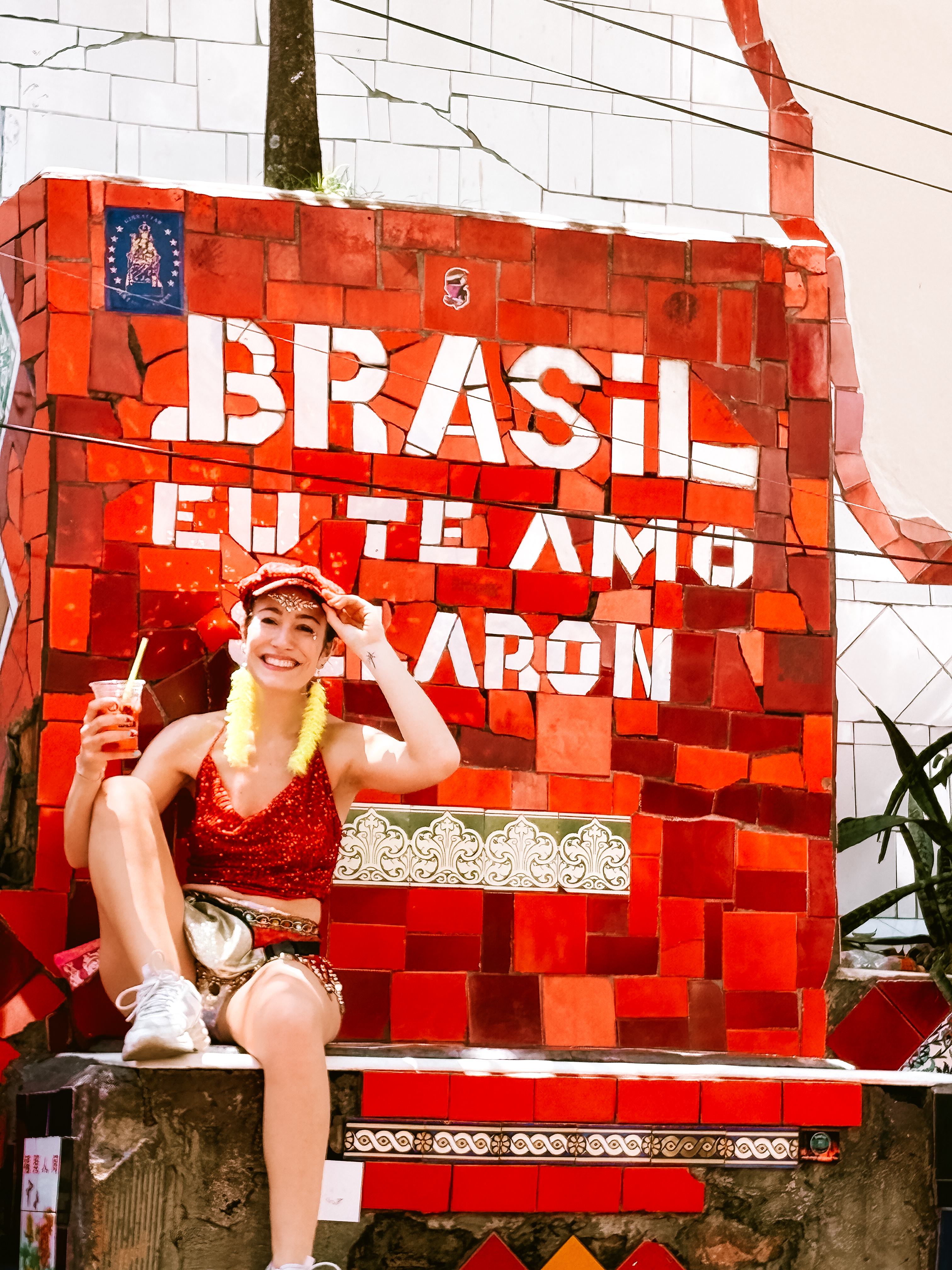
For a panoramic visit, head to the Parque Glória Maria, also known as Parque das Ruínas: from the terraces you can see central Rio and Guanabara Bay. You can add the Museu Chácara do Céu, if you're interested in art and history, or the Mirante do Rato Molhado for another view of the city. From Santa Teresa you can then head down towards Lapa and the Escadaria Selarón.
Opening hours: the streets and public viewpoints are freely accessible; museums and attractions have specific hours.
Price: walking around the neighbourhood is free
Recommended time: half a day to visit Santa Teresa
Santa Teresa's tram

If there is no queue, you can take a ride on the Bonde, the historic tram inaugurated in 1872. It leaves from the centre, passes over the Arcos da Lapa and climbs through the neighbourhood's streets: the journey is already part of the experience, as well as a means of transport used by residents too.
Opening hours: Mon–Fri 8:00–18:30; Saturday, Sunday and public holidays 9:00–17:00.
Price: 20 reais for a return trip, with the option to board again the same day.
Christ the Redeemer
Christ the Redeemer, on the summit of Corcovado, is one of Rio's symbols. The statue is 30 metres tall and dominates the city, but the view is an important part of the visit: on clear days you can see the bay, the beaches and the city's hills. To get up there, you can take the Trem do Corcovado from Cosme Velho, which passes through the Tijuca forest; the ticket includes the return journey and access to the monument.

Opening times: the Trem do Corcovado runs every day, from 8:00 to 18:00, with departures about every 20 minutes. Times may vary due to technical or weather conditions.
Price: about 134 reais per adult; the ticket includes transport and entry to the monument.
Recommended time: about 2–3 hours including travel, waiting and the visit.
In my experience, the visit didn't blow me away: there were huge crowds and seeing Christ so close, from below, took away some of the magic for me. In my view it's far more striking to admire it from a distance, set within Rio's panorama; if you're short of time, you can also skip the climb.
Lapa

Lapa is the heart of Rio's nightlife: during the day you can stop by to see the Arcos da Lapa, the old aqueduct that now serves as a viaduct for the bonde to Santa Teresa, but it is in the evening that the neighbourhood really comes alive. Among the most popular streets are Avenida Mem de Sá and Rua do Lavradio, full of bars, venues with live music and outdoor tables. Here you can find samba and pagode to dance to, but also forró, rock and electronic music events.
For an evening with live music, check the listings at Circo Voador and Fundição Progresso, two long-established concert venues near the Arcos; for a more intimate evening, look for a roda de samba in the neighbourhood bars, such as Beco do Rato or Carioca da Gema.
Copacabana
Copacabana is one of Rio's most famous neighbourhoods, known for its long crescent-shaped beach and the famous promenade with its black and white wave mosaic, designed by Roberto Burle Marx. The beach stretches for about four kilometres, from the Forte de Copacabana to Leme, and is always lively: some people do sport, others play beach volleyball, and others stop at the kiosks for a coconut water or a snack.
As well as the sea, you can stroll along the seafront, stop at the Forte de Copacabana to visit the museum and enjoy the view over the bay, or head to Leme, the quieter end of the beach. Copacabana is also famous for its huge New Year's Eve celebrations, when thousands of people gather on the sand to watch the fireworks. It is a neighbourhood to enjoy at a relaxed pace, alternating a swim, a walk and a break in one of its bars or restaurants.
Experiences to try
Carnival in Rio with the blocos and the Sambadrome

Experiencing Rio's Carnival is not to be missed, but it is only possible during the Carnival period, which falls between February and early March. You can follow the blocos, the street parties open to everyone, or watch the samba school parades at the Sambodromo, where monumental floats and dancers turn the night into a spectacular show. For the Sambodromo it is best to plan ahead and buy tickets for the evening you are interested in.
If you want to find out what my experience of Carnival in Rio was like, read my dedicated article!
Authentic concert
If you have the chance, go to a Brazilian music concert. I was lucky enough to attend a free concert by Jorge Aragão on Copacabana beach during Carnival. He is a very famous artist in Brazil, and his music, somewhere between samba and pagode, had the whole beach dancing. I had an enormous amount of fun with the locals, who even tried to teach me to dance samba: a truly authentic experience!

The Pedra da Gávea and the Morro Dois Irmãos
Pedra da Gávea and Morro Dois Irmãos offer some of Rio's most spectacular views, but they are demanding hikes, with steep trails and exposed sections. It is advisable to go with an experienced guide, choose a route suited to your fitness level and set off in favourable weather conditions.
What to eat in Rio de Janeiro
1. Açaí
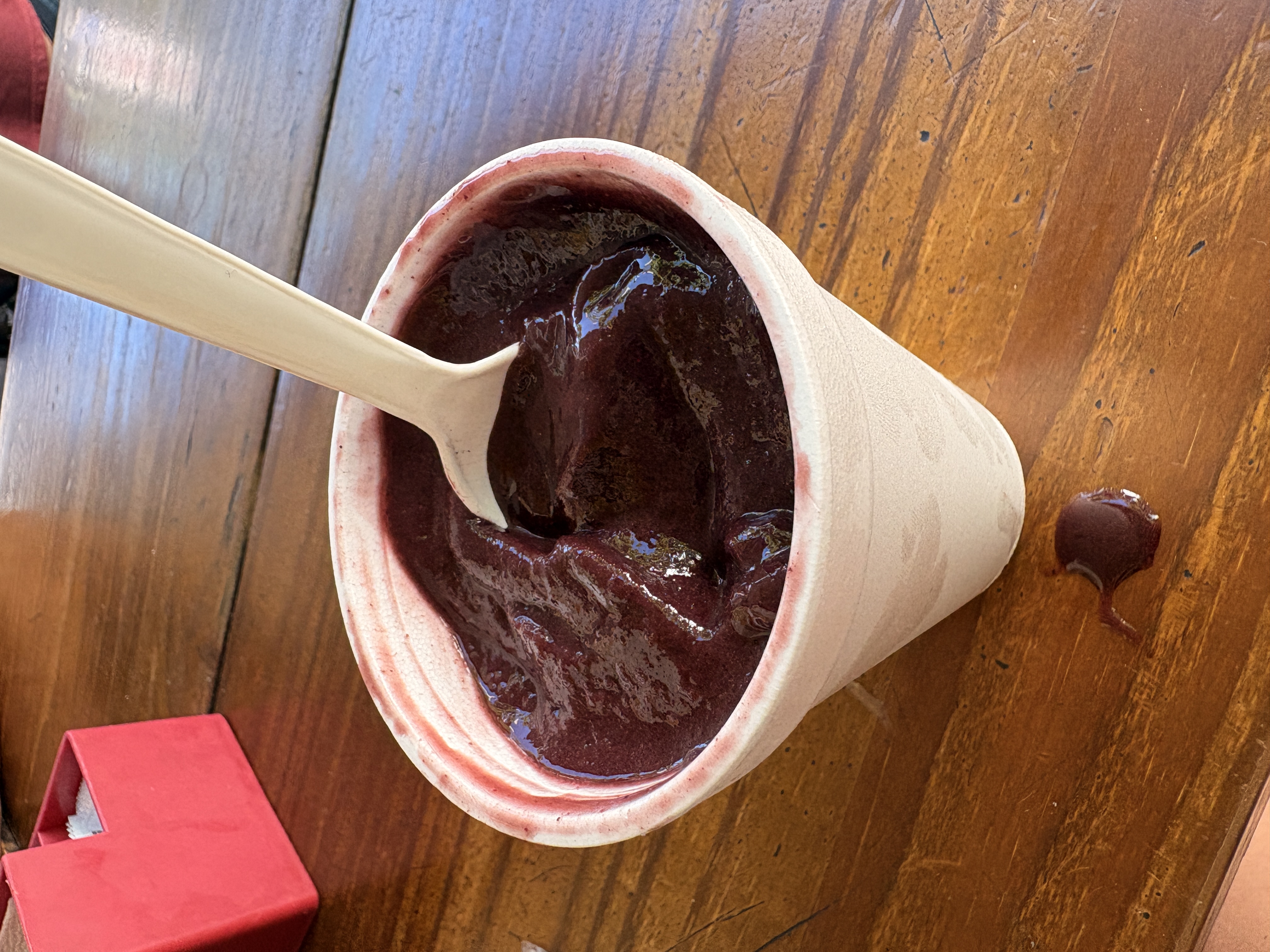
Açaí is the fruit of a palm native to the Amazon, where local communities have eaten it as a daily staple for a long time. In the traditional version, the pulp is softened with a little water and served unsweetened, often with cassava flour or tapioca and, at some meals, with fish or prawns: it is not necessarily a dessert and it has a rather bitter taste.
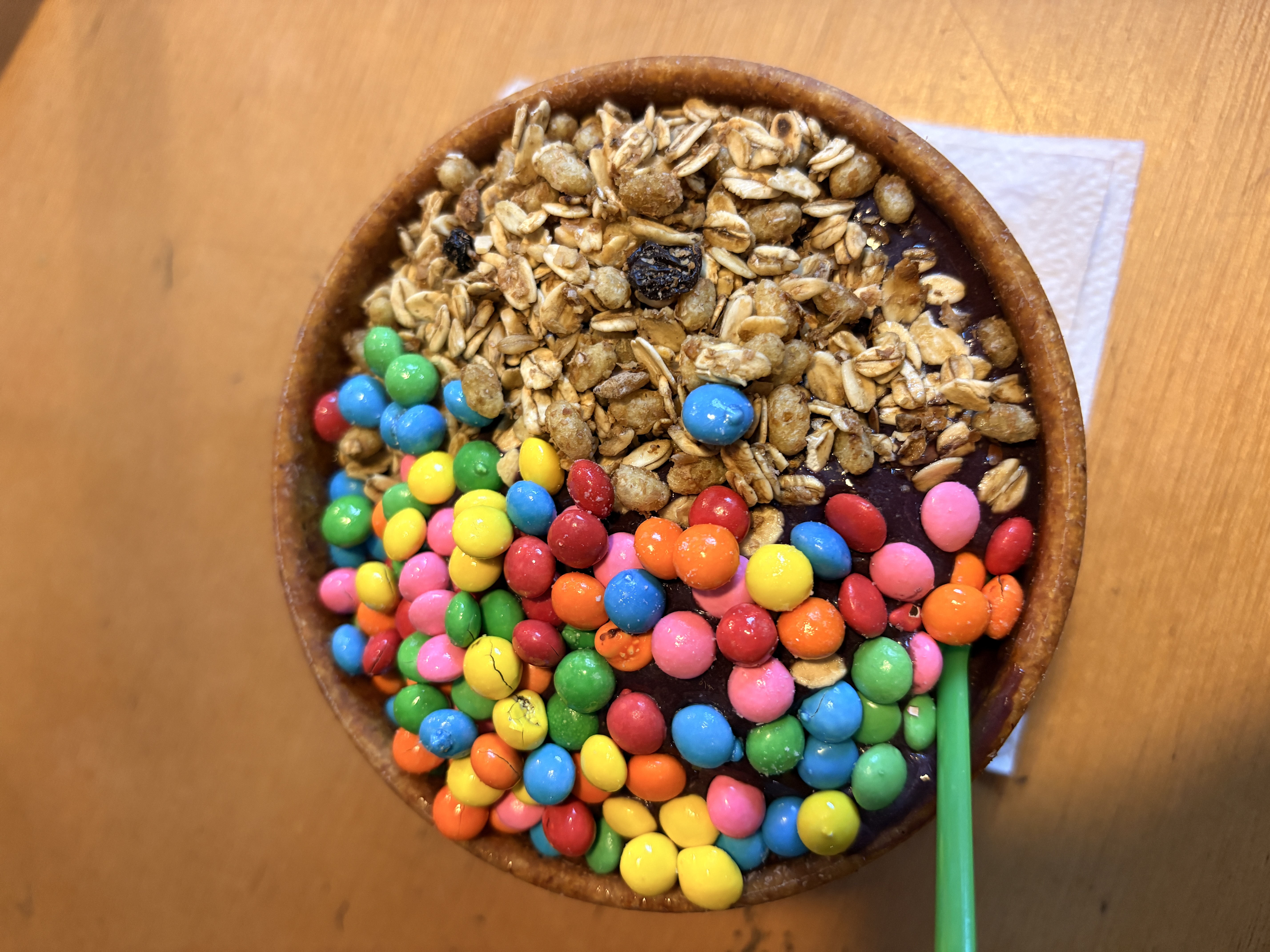
La versione che si trova spesso a Rio è invece una preparazione moderna: la polpa viene frullata e congelata, di frequente con sciroppo di guaranà, fino a diventare una crema fredda simile a un sorbetto. Si serve con banana, granola e frutta, ma anche con latte condensato, cioccolato, caramelle e altri extra. È uno spuntino rinfrescante e molto amato dopo una giornata al mare, ma può diventare piuttosto dolce: se vuoi assaggiare il gusto della polpa, puoi chiedere la versione senza sciroppo o con meno aggiunte. La crema dolce si è diffusa soprattutto nel Sud del Brasile dagli anni Novanta, anche grazie ai surfisti.
2. Pão de queijo
Small cheese rolls, soft inside and slightly crispy outside. You'll often find them in bars, and they're perfect for a quick break.

3. Tapioca
A preparation made from tapioca flour, cooked in a disc shape and filled with sweet or savoury ingredients.
4. Moqueca
A fish or seafood stew cooked with coconut milk and other aromatics. It is a hearty dish worth trying if you want to sample regional Brazilian cooking.
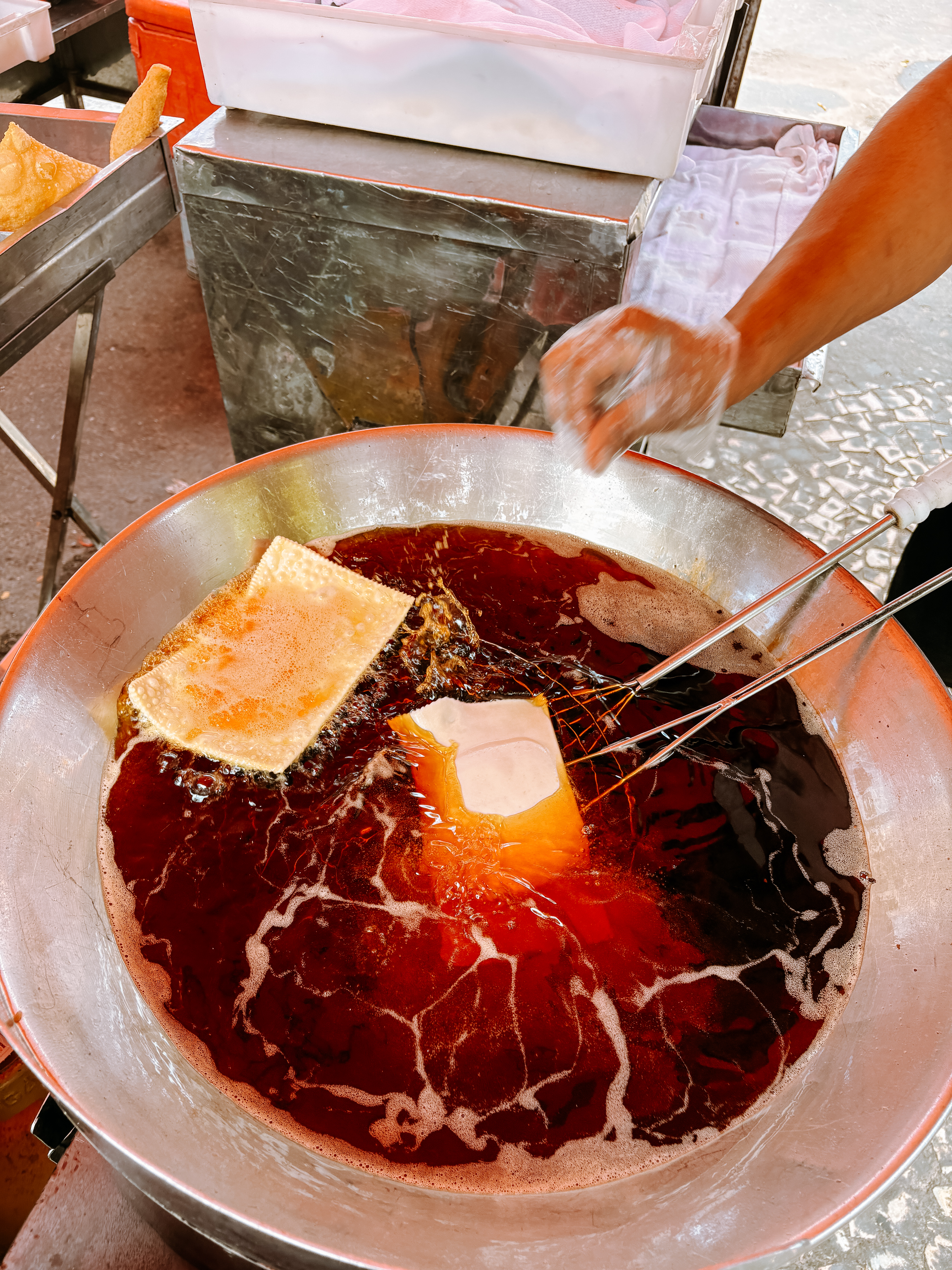
5. Pastel
A crispy fried parcel, usually filled with meat, cheese or other ingredients. It's one of the snacks to look out for at markets and street stalls.
6. Feijoada
One of the best-known Brazilian dishes: a stew of black beans and meat, usually served with rice and side dishes. It is filling, so it is best tried when you have time for a leisurely lunch.
7. Churrasco
Brazilian churrasco includes several cuts of meat, often served directly at the table in rodízio restaurants.
8. Acarajé and abará
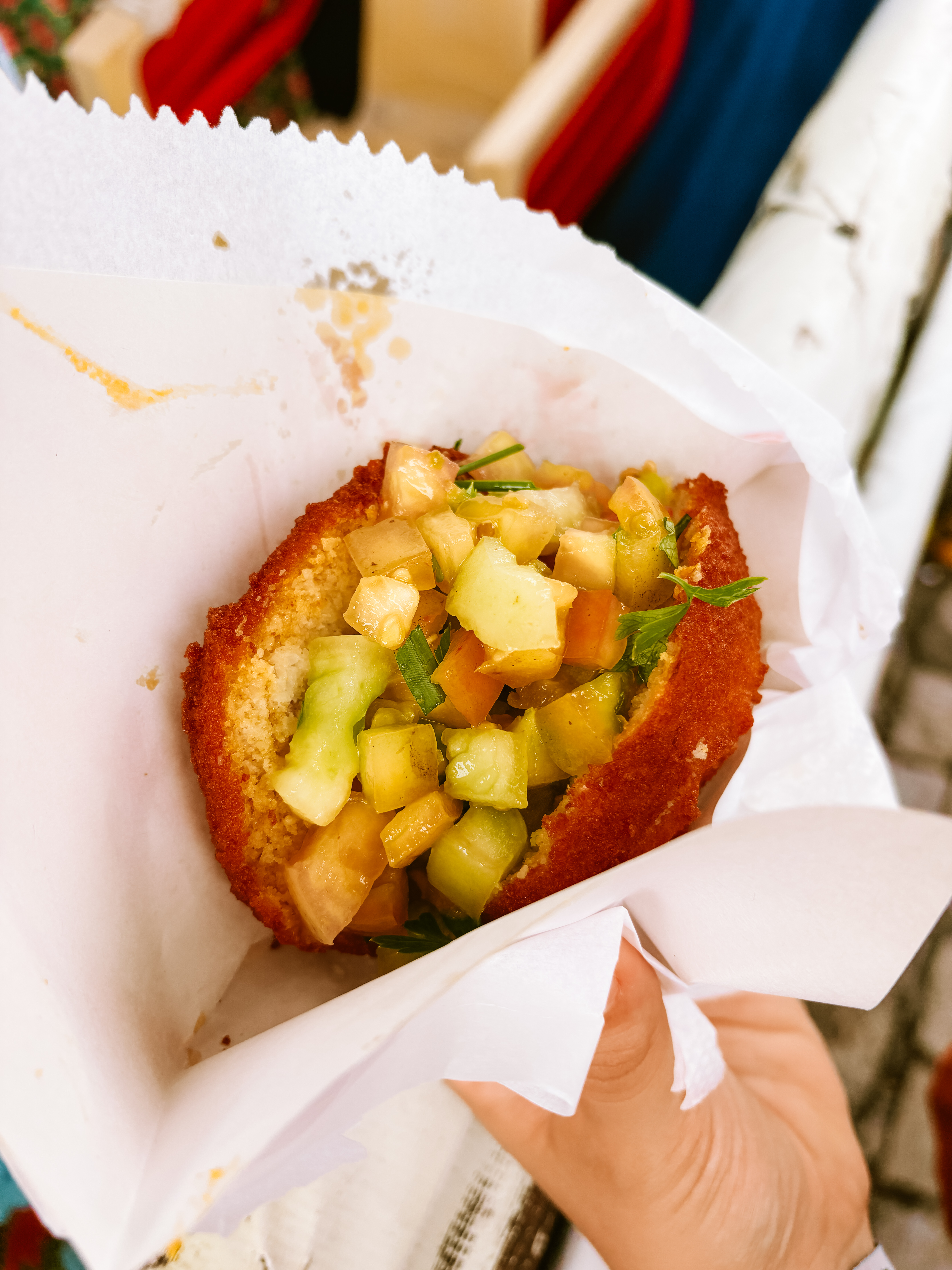
These are specialities linked to Bahian cuisine, which you can also try in Rio if you find a restaurant or stall that makes them. Acarajé is a fritter made from black-eyed beans; abará is a similar mixture, cooked wrapped in banana leaves.
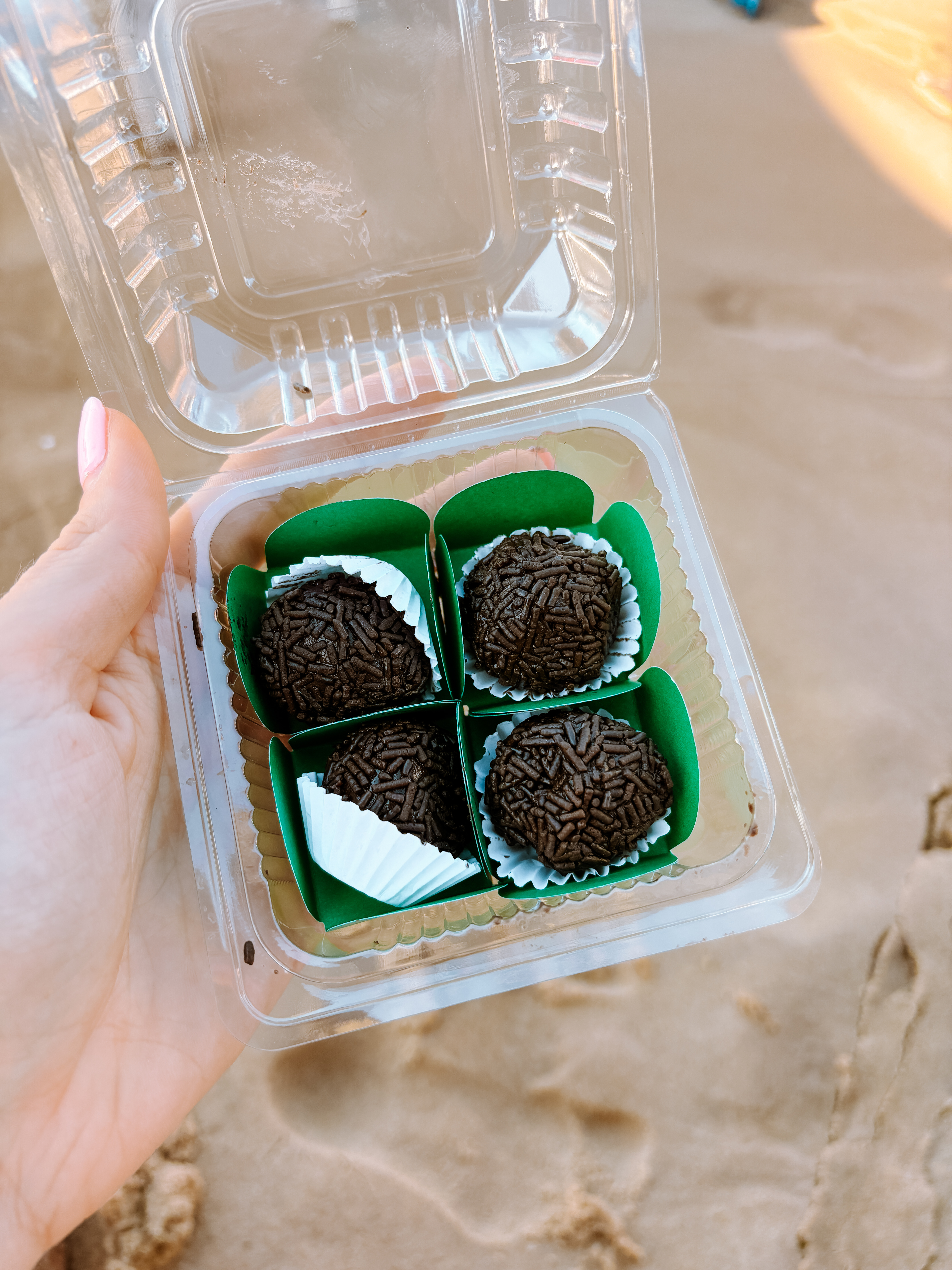
9. Brigadeiro
A soft chocolate dessert made with condensed milk and cocoa, often topped with sprinkles. It's easy to find in patisseries and at parties.
10. Bolinho de estudante
A small fried snack made with tapioca and coconut, often rolled in sugar and cinnamon.
11. Caipirinha and sugar cane juice
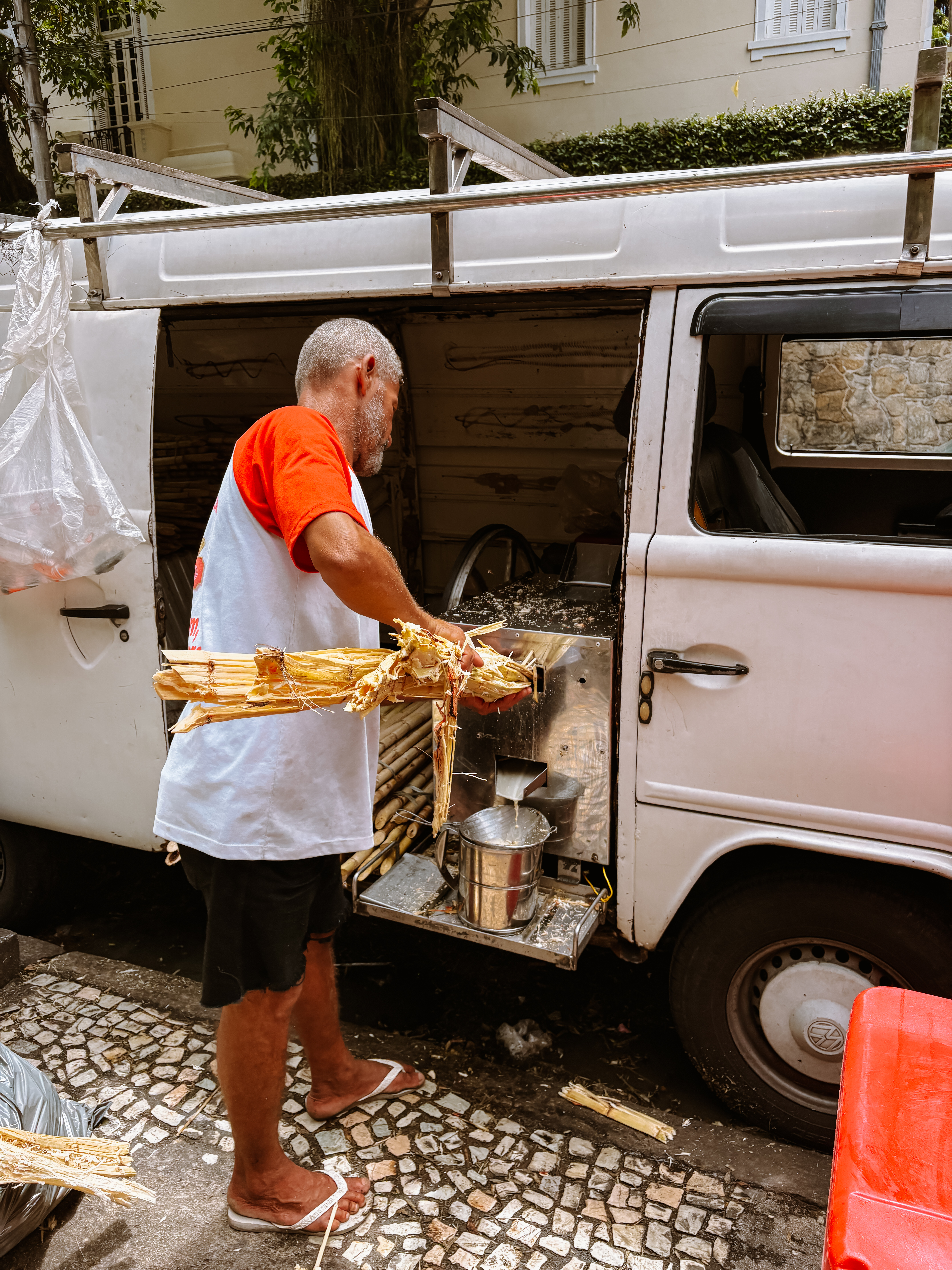
The caipirinha, made with lime, sugar and cachaça, is one of the best-known Brazilian cocktails; I used to drink two a day at least! Also because it costs very little. Sugar cane juice, on the other hand, is a fresh drink worth trying at the markets and street stalls.
Where to stay in Rio de Janeiro
Airbnb by Marcia

 Area: Copacabana
We booked this accommodation at fairly short notice and ended up in a room inside the flat where Marcia also lived. The place was not very clean and the experience was not that of an independent flat, but the kindness and helpfulness of the host really made the difference. She prepared breakfast and dinner for us, although these were not included, and bought us everything we might need during the Carnival: clothes, medicines, shampoo, deodorant and much more, without asking anything in return. Before we left she even gave us a present. Marcia was a truly special person and made us feel welcome and looked after throughout our stay. If you are not too fussy about cleanliness (the room was fairly clean too), I really recommend it, not least because the location is excellent!
Price: around €100 a night BUT it was Carnival period (everything goes up)
Booking: Airbnb – book here
Which neighbourhood to choose
The choice depends on the type of trip and your budget. For a first visit, it is worth considering the Zona Sul above all, where you will find beaches, restaurants and useful connections to reach many of the attractions.
Copacabana: a practical base, with a wide choice of accommodation, restaurants and metro stations. It is lively and convenient for the beach; check the exact location of the accommodation and the reviews, as the neighbourhood is large and changes a lot from one street to the next.
Ipanema: ideal if you want to stay close to the beach and get around on foot between bars, shops and restaurants. It is generally more expensive than Copacabana.
Botafogo: a good alternative if you're looking for a more local atmosphere, with plenty of bars and restaurants and metro connections. It isn't the right choice if you want to head straight down to the ocean beach.
Leblon: quiet and pleasant, close to the beach and to Ipanema, but often more expensive.
Santa Teresa: characterful and full of charm, with steep streets and historic houses. It can be atmospheric to stay in, but for evening travel it's more practical to budget for taxis or cars booked through an app.
Lapa: convenient for nightlife and bars, but I would choose it mainly if your itinerary revolves around evenings there. At night it is best to plan your return journey in advance.
One-week itinerary in brief (Carnival period)

Day 1 — Centre and Polo Saara: a stroll among the stalls to buy Carnival outfits.
Day 2 — Urca: Morro da Urca, Pão de Açúcar and Favela Santa Marta; in the evening, bloco Became mucho.
Day 3 — Ipanema and Rocinha: beach time, a guided tour of the Rocinha favela and an evening at the Sambódromo.
Day 4 — Flamengo: a day among blocos and a concert by Jorge Aragão.
Day 5 — Santa Teresa: market, centre and a stroll through the neighbourhood; in the evening, a neighbourhood bloco.
Day 6 — Christ the Redeemer and Lapa: a visit to Christ, then an evening in Lapa and the city centre.
Day 7 — Copacabana and Arpoador: a bloco in Copacabana and sunset at Arpoador
Travelling with Stirati: Rio on a budget and for free
Rio can be an expensive city, especially if you always choose beachfront venues and paid attractions. But many of the best experiences cost nothing: you can stroll along the seafront, go for a swim, admire the sunset and explore some neighbourhoods on foot.
Here are my tips for enjoying Rio without missing out on the most interesting experiences and keeping your budget under control.
What free activity in Rio
Enjoying the beaches and the seafront

Copacabana, Ipanema and Leblon are public beaches: you can swim, stroll along the promenade or stop to watch carioca life without paying an entrance fee. Just remember that drinks, sun loungers and umbrellas at the kiosks are charged separately.
Watching the sunset at Arpoador
The Pedra do Arpoador is one of the most loved places to watch the sun set over the ocean, with the silhouette of the Morro Dois Irmãos in the background. Access is free and, as the sun disappears, people often applaud: a small carioca ritual worth experiencing at least once.
Strolling between Lapa and Santa Teresa
You can see the Arcos da Lapa and the Escadaria Selarón for free, decorated with tiles from many different places. From there you can climb towards Santa Teresa, stroll through the neighbourhood's streets and enjoy its scenic views. The Parque Glória Maria, also known as Parque das Ruínas, is another interesting stop and entry is free; check the opening hours before you go.
Visiting parks and cultural spaces
The Parque Lage is an excellent green break: you can stroll through the gardens and admire the palacete without paying the park entrance fee. The Centro Cultural Banco do Brasil also offers exhibitions and activities free of charge; check the programme and opening times on the website before your visit.
Experiencing the Carnival in the streets
If you visit Rio during Carnival, many blocos are free street parties: you can join in the music and the processions without buying a ticket. Programmes and routes change every year; check the up-to-date information and bear in mind that the busiest areas can make getting around slow.
Where to eat in Rio on a budget
Eating well without spending too much is possible, especially if you alternate between restaurants and snacks. Look for places frequented by locals and check the displayed prices before ordering.
Try a prato feito (PF)
The prato feito is a complete meal at a fixed price, often with rice, beans, meat or chicken and side dishes. It's a practical option for lunch: ask whether the price includes everything and check the portions, which are often generous.
Choosing a por quilo restaurant
In por quilo restaurants you help yourself at the buffet and pay by the weight of your plate. You can try lots of different things and decide for yourself how much to eat; before filling your plate, check the price per kilo and whether drinks and desserts are excluded.
Having breakfast or a snack at a padaria
Brazilian bakeries, the padarias, are convenient for a breakfast or a quick meal. You can try pão de queijo, pão na chapa, fruit juices and savoury snacks, often at more affordable prices than the places on the beach.
Trying Carioca street food
For a snack, try a tapioca, a coxinha or a pastel. On the beach, mate gelado and the Biscoito Globo, a light and crispy snack, are also very popular. These are small tastes that help you soak up the atmosphere of Rio without having to sit down at a restaurant every time.
Travel creator from Bologna. I don't iron, but I am ironed: I tell stories of fantastic trips, write free itineraries and always look for the low-cost solution 💸
Keep travelling
The Rio de Janeiro Carnival: practical tips on what to do and how to make the most of it
Bologna in 2 days: what to see, what to eat and where to stay
Assisi in a weekend: an itinerary through art, history and Umbrian flavours
The Rio de Janeiro Carnival: practical tips on what to do and how to make the most of it
Bologna in 2 days: what to see, what to eat and where to stay
Assisi in a weekend: an itinerary through art, history and Umbrian flavours
Comments from the Stirati
No comments yet. Start the conversation.