
A geisha is not a prostitute!
Start here
I know you think a geisha is a prostitute, but that isn't so!
Many people associate the geisha with prostitution, but the two terms are not synonyms. In Japanese, geisha means "person of art": it refers to an entertainment professional, trained to perform with music and dance and to entertain guests through conversation.
The first people called geisha were men. Women entered the profession in the eighteenth century and, within a few decades, became the majority. A geisha spends years studying the traditional arts and refines her training through performances and encounters.
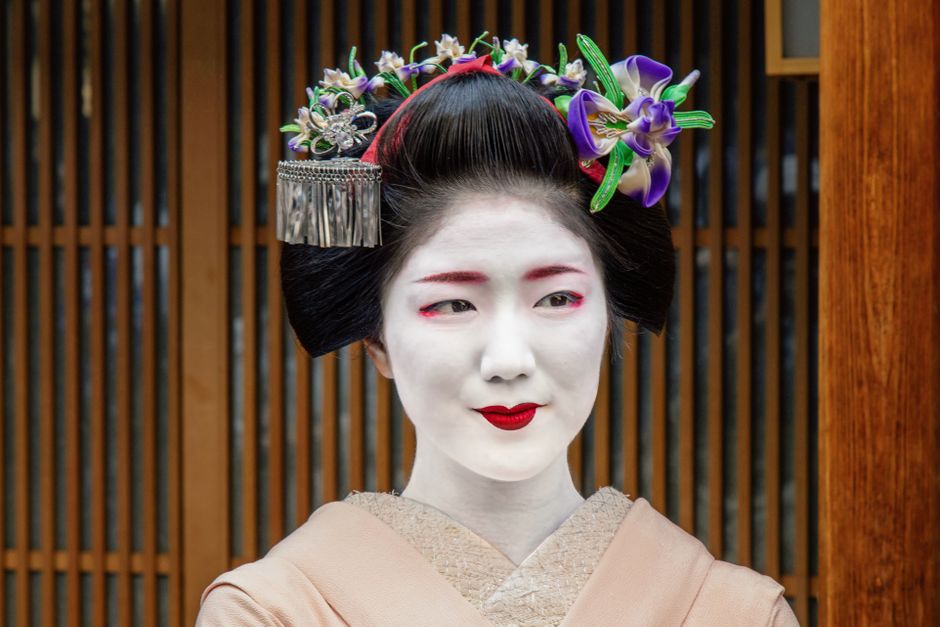
In Kyoto, where I have been, the apprentice is called a maiko; once her
training is complete she becomes a geiko, the local term for geisha. The history of patrons and sexuality is also complex: in some eras and situations there could be personal or sexual relationships with a patron, but experiences varied and this did not define the profession.
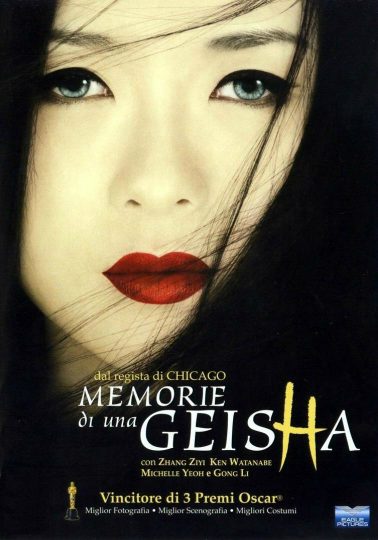
The novel Memoirs of a Geisha and the film adapted from it have shaped many people's imagination. They are works of fiction, not documentaries. The former geiko Mineko Iwasaki challenged the novel's portrayal, which she felt was far removed from her own experience.
Behind the make-up and the kimono lies an artistic profession, built on years of study, discipline and performance: a reality far richer than the stereotypes.
Difference between Maiko and Geiko
It isn't a rule, but usually:
Maiko: more vivid kimono, long sleeves, often red and decorated collar; she wears showy ornaments in her hair and a very long obi that hangs down her back. On her feet she often wears tall clogs, the okobo.
Geiko: generally a more restrained dress, white collar, obi tied in a more compact knot and few ornaments. She may wear a traditional wig and low sandals.
Travel creator from Bologna. I don't iron, but I am ironed: I tell stories of fantastic trips, write free itineraries and always look for the low-cost solution 💸
Keep travelling
Assisi in a weekend: an itinerary through art, history and Umbrian flavours
Rio de Janeiro in a week: what to see and do
The Rio de Janeiro Carnival: practical tips on what to do and how to make the most of it
Assisi in a weekend: an itinerary through art, history and Umbrian flavours
Rio de Janeiro in a week: what to see and do
The Rio de Janeiro Carnival: practical tips on what to do and how to make the most of it
Comments from the Stirati
No comments yet. Start the conversation.